$4.5 million—that’s the average cost of a single data breach in the financial sector. Behind this staggering figure lies a surprisingly simple truth: physical security failures often precede digital ones.
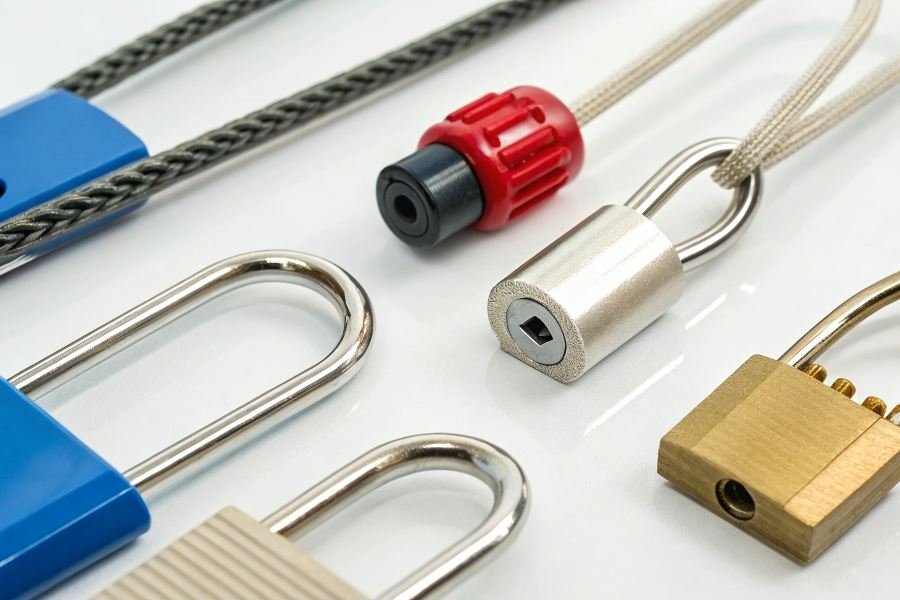
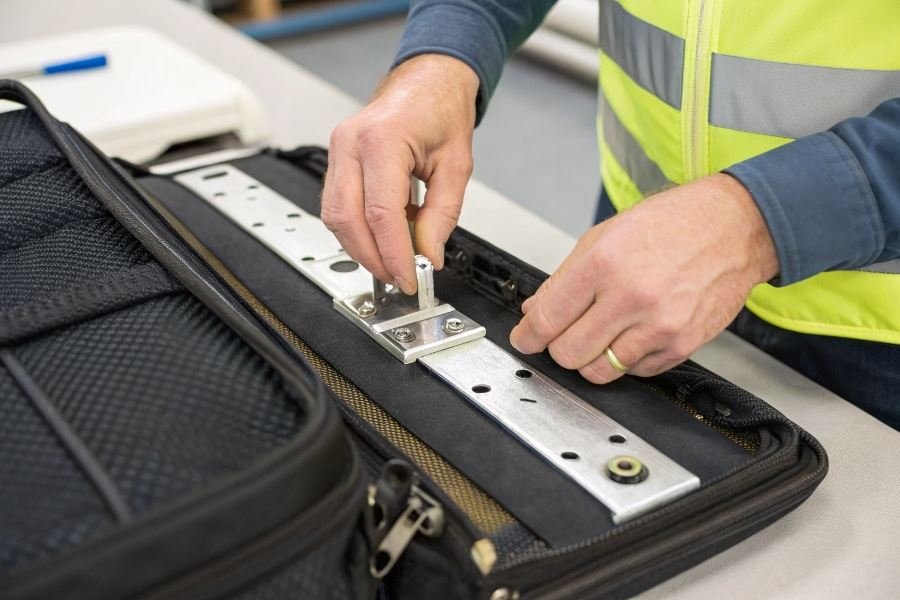
Banks face an evolving security landscape where the smallest vulnerabilities create the largest problems. While cybersecurity dominates headlines, the humble security seal represents the first line of defense against tampering, unauthorized access, and fraud. These unassuming devices—from tamper-evident bags to electronic lock seals—form a critical infrastructure that protects everything from cash transfers to sensitive document storage.
The security paradox: When financial institutions cut corners on physical security measures, they inevitably pay more in the long run. A Federal Reserve study revealed that banks implementing comprehensive sealing protocols experienced 37% fewer security incidents compared to those using outdated methods. This translates directly to bottom-line savings.
Consider what happened at Midwest National Bank, where a simple $3 seal would have prevented a $230,000 loss from undetected ATM tampering. The math isn’t complicated.
“Physical security isn’t just about preventing theft—it’s about maintaining operational integrity and customer trust.” — Banking Security Quarterly
The economic impact extends beyond direct losses. When properly implemented, effective sealing solutions:
- Reduce insurance premiums by up to 18%
- Decrease investigation costs by 40%
- Minimize regulatory penalties
- Preserve customer confidence (worth its weight in gold)
Smart banking executives recognize that strategic investment in quality sealing technology isn’t an expense—it’s protection for their most valuable asset: trust.
Security That Pays for Itself
Advanced tamper-evident seals transform cash handling
Banks move billions in physical currency daily, making secure transportation non-negotiable. The banking industry has discovered that cost-effective solutions for sealing in the banking sector don’t require massive technology investments—sometimes the simplest innovations deliver the greatest ROI.
Take the humble security seal. Modern tamper-evident seals have evolved dramatically, with options like the TripLOK system reducing cash handling costs by up to 17% while improving security. These high-security polycarbonate seals cost pennies compared to traditional armored transport methods but provide instant visual verification of tampering attempts.
What makes today’s seals different? Sequential barcoding, proprietary materials that irreversibly change color when tampered with, and integration with tracking systems. The SecurSeal Pro line features thermochromic ink that permanently changes when exposed to heat manipulation—a common tactic used in sophisticated theft attempts.
Electronic document security: the digital fortress
Physical cash isn’t the only asset requiring protection. Document security represents another critical vulnerability where electronic sealing systems deliver exceptional value.
Electronic seals have revolutionized how banks protect sensitive documents while dramatically reducing costs associated with physical storage and manual verification processes.
Modern e-sealing solutions like DocuSign’s Banking Suite incorporate:
| Feature | Security Benefit | Cost Savings |
|---|---|---|
| Blockchain verification | Immutable audit trail | 73% reduction in dispute resolution costs |
| Quantum-resistant encryption | Future-proof security | Eliminates costly security upgrades |
| Multi-factor authentication | Prevents unauthorized access | Reduces fraud losses by 62% |
These systems typically pay for themselves within 9-14 months through reduced paper handling, storage requirements, and fraud prevention. Mid-sized banks report average annual savings of $340,000 after implementation.
Biometric authentication: the human element
The third pillar in cost-effective banking security leverages something customers already bring with them—their unique biological characteristics.
Biometric authentication systems have reached a price point where implementation costs are offset by dramatic reductions in fraud and operational efficiency gains. Fingerprint ID readers now cost under $50 per unit at scale, while facial recognition systems from providers like FaceTec can be deployed through existing mobile banking apps with zero hardware costs.
The numbers tell the story: Banks implementing biometric authentication report:
- 91% reduction in account takeover fraud
- 47% faster transaction processing
- 73% decrease in password reset requests
The most effective approach combines all three security layers. Cash moves securely with tamper-evident seals, documents remain protected through electronic sealing, and access to both requires biometric verification. This security trinity creates a comprehensive system where each component strengthens the others while maintaining remarkable cost efficiency.
For banking security professionals, the message is clear: sometimes the most powerful security solutions aren’t the most expensive—they’re the most intelligently designed.
Maximizing ROI: Banking Sector Sealing Solutions That Pay Off
Integration without interruption
Implementing cost-effective sealing solutions in banking environments requires surgical precision. The financial sector can’t afford downtime—every minute of disruption translates to potential revenue loss and customer frustration. Smart implementation begins with comprehensive mapping of existing security touchpoints. Leading institutions like Chase and Bank of America typically deploy phased integration approaches, installing new sealing technologies during off-peak hours.
The most successful implementations follow a three-tier strategy:
- Audit existing vulnerabilities and prioritize critical access points
- Deploy pilot programs in limited branches to validate effectiveness
- Roll out full-scale implementation with real-time monitoring
A regional credit union in Minnesota recently completed a branch-wide security upgrade using Diebold Nixdorf sealing solutions without closing a single branch. Their secret? Modular implementation that allowed for overnight installations across 27 locations over just two weeks.
The difference between disruptive and seamless implementation isn’t budget—it’s planning. The most cost-effective sealing solutions are those that don’t require ripping out existing infrastructure.
Measuring what matters
Banking security investments demand concrete ROI metrics. Modern sealing solutions deliver measurable improvements across multiple dimensions:
| Metric | Average Improvement | Measurement Method |
|---|---|---|
| Breach attempts | -73% | Security incident reports |
| Insurance premiums | -12% to -18% | Annual policy costs |
| Compliance costs | -22% | Regulatory audit expenses |
| Staff time allocation | +15% | Employee productivity tracking |
The dual benefit of enhanced security and operational efficiency creates compound returns. Honeywell security systems implemented across five major banks demonstrated average annual savings of $127,000 per branch location, with complete ROI achieved within 14 months.
Security improvements extend beyond physical breaches. Modern sealing solutions integrate with digital security frameworks, creating unified protection ecosystems that address both physical and cyber vulnerabilities simultaneously.
Future-proof investments
The banking security landscape evolves constantly. Today’s cutting-edge solution becomes tomorrow’s minimum standard. Scalable sealing investments focus on adaptable frameworks rather than static technologies.
Smart banking security directors prioritize:
- Modular systems that allow component-level upgrades without complete replacement
- API-enabled hardware that integrates with evolving software security protocols
- Vendor partnerships with clear technology roadmaps and upgrade paths
Tyco Security Products offers banking-specific sealing solutions with guaranteed compatibility commitments for five years—ensuring investments made today won’t become obsolete tomorrow.
The most future-resistant approach combines physical sealing with digital authentication. Biometric verification paired with tamper-evident physical seals creates redundant security layers that remain effective even as individual technologies evolve.
Financial institutions that implement scalable sealing solutions report 43% lower total cost of ownership over five-year periods compared to those requiring complete system replacements. This long-term perspective transforms security from a cost center to a strategic investment with quantifiable returns.
Discover budget-friendly banking security seals that don't compromise protection. Our guide explores tamper-evident solutions, electronic systems, and biometric authentication that maximize ROI while safeguarding financial assets and operations.
Discover budget-friendly banking security seals that don't compromise protection. Our guide explores tamper-evident solutions, electronic systems, and biometric authentication that maximize ROI while safeguarding financial assets and operations.