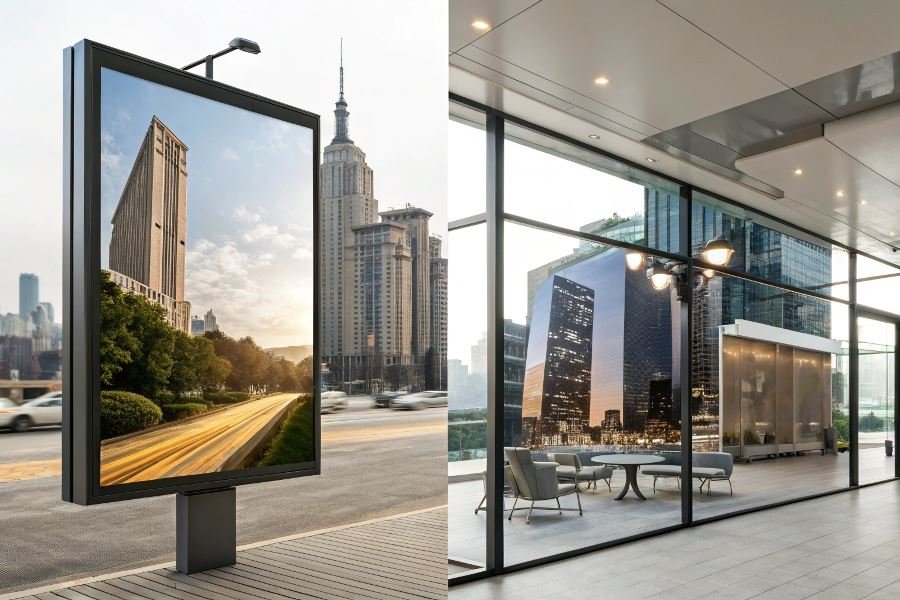
Ever walked past a poster that stopped you in your tracks? Or noticed how a well-placed indoor display influenced your decision-making? The difference isn’t just about location—it’s about psychology, design principles, and environmental factors that dramatically affect how information is received.
Information posters serve as silent communicators in our daily lives. Whether directing pedestrians through a busy downtown area or guiding visitors through a museum exhibit, these visual tools convey critical messages when and where they’re needed most. Street posters brave the elements, competing with urban chaos and fleeting attention spans, while interior displays enjoy controlled environments where viewers can engage more deeply.
The effectiveness equation isn’t simple. Street posters must communicate instantly—often in five seconds or less—while interior posters can tell more complex stories, leveraging longer engagement times. The Museum of Modern Art found that visitors spend an average of 17 seconds reading interior informational displays, compared to just 2-3 seconds for street-facing counterparts.
“The environment dictates the message. What works on a busy intersection would fail miserably in a quiet gallery space.” — Design psychologist Sarah Hennings
Choosing between street and interior applications requires understanding fundamental differences in:
- Visibility conditions: Natural vs. controlled lighting
- Audience mindset: On-the-go vs. contemplative viewing
- Durability requirements: Weather-resistant vs. aesthetic focus
- Information density: Quick-scan vs. detailed exploration
The right poster in the right environment doesn’t just inform—it transforms spaces, behaviors, and decisions.
The Battleground of Visibility: Street vs Interior Posters
When evaluating information display strategies, the environment dictates everything. Street and interior posters operate in fundamentally different ecosystems, each with unique challenges and advantages that determine their effectiveness. Let’s dissect these differences to understand which approach delivers maximum impact for your specific needs.
Street Posters: Warriors Against the Elements
Street posters face a brutal gauntlet of challenges that interior displays never encounter. The effectiveness of outdoor information posters compared to their indoor counterparts depends largely on their ability to withstand environmental assault while maintaining visibility.
Durability Requirements:
- UV-resistant inks (fade resistance of 12+ months minimum)
- Waterproof substrates (10mil vinyl or 100lb gloss-coated paper with lamination)
- Wind resistance (reinforced grommets for installations in high-wind areas)
- Temperature fluctuation tolerance (-20°F to 120°F operational range)
Street posters must be constructed from materials that can withstand rain, snow, intense sunlight, and temperature fluctuations. 3M and Avery Dennison offer specialized outdoor vinyl with 3-5 year durability ratings that maintain color vibrancy despite constant UV exposure.
“The average outdoor poster has approximately 3-7 seconds to capture attention from a moving viewer, compared to 15-30 seconds for interior displays.”
Visibility Factors:
- Contrast ratio requirements (minimum 7:1 for text elements)
- Font size calculations (1″ letter height visible from 50 feet)
- Color psychology (red/yellow combinations increase notice rates by 65%)
Environmental considerations extend beyond mere survival. Street posters must account for viewing distances, ambient light variations between day and night, and competing visual stimuli. Successful outdoor displays typically feature 30% fewer words and 40% larger text than their indoor counterparts.
Interior Posters: The Refined Communicators
Indoor environments offer controlled conditions that allow for greater design flexibility and engagement potential. Without battling the elements, interior posters can focus on nuance and detail.
Design Flexibility:
- Paper weight options (80-100lb text to 14pt cardstock)
- Finishing techniques (spot UV, foil stamping, die-cutting)
- Extended color gamuts (Pantone matching capabilities)
| Feature | Street Posters | Interior Posters |
|---|---|---|
| Average Viewing Time | 3-7 seconds | 15-30+ seconds |
| Text Density | 10-15 words max | 30-50 words acceptable |
| Material Lifespan | 3-12 months | 1-3+ years |
| Production Cost | $5-15/sq ft | $2-8/sq ft |
Interior posters benefit from controlled lighting, consistent temperatures, and predictable viewing distances. This environment permits the use of QR codes, detailed infographics, and interactive elements that would be impractical outdoors. Mohawk Paper offers specialty stocks that provide tactile experiences impossible in outdoor applications.
Measuring What Matters
The effectiveness metrics for both poster types differ significantly:
Street Poster Metrics:
- Impressions (traffic count × visibility period)
- Recall rate (surveyed memory of message)
- Action conversion (promotional code usage from display)
Interior Poster Metrics:
- Dwell time (seconds spent viewing)
- Engagement rate (QR code scans, hashtag usage)
- Information retention (detail recall in follow-up surveys)
The most successful campaigns recognize that street vs interior information posters serve different purposes in the communication ecosystem. Street posters excel at broad awareness and simple calls to action, while interior displays drive deeper engagement and complex information transfer.
When planning your next information campaign, remember that the environment isn’t just a backdrop—it’s an active participant in how your message is received and processed.
Making the Right Choice: Street vs Interior Posters
Choosing between street and interior information posters isn’t just a tactical decision—it’s a strategic imperative that can make or break your communication efforts. Let’s dive into a framework that will help you navigate this choice with confidence and precision.
Aligning with Communication Goals
The decision between street and interior posters should begin with a crystal-clear understanding of what you’re trying to achieve:
Street posters excel when:
- You need to capture attention in high-traffic areas
- Brand awareness is your primary objective
- The message is simple and can be absorbed in 3-5 seconds
- You’re promoting time-sensitive events or limited offers
Interior posters shine when:
- Detailed information needs to be communicated
- You have a captive audience with dwell time
- Educational content is the focus
- Building deeper engagement is the goal
The most effective poster campaigns don’t just choose a format—they match the medium to the moment in the customer journey.
Your target audience’s behavior patterns should heavily influence your decision. Are they commuters, shoppers, or office workers? Do they have time to stop and read, or are they constantly in motion?
Implementation Best Practices
Street Poster Implementation
- Weather-resistant materials – Invest in UV-protected, waterproof substrates that maintain visual integrity for at least 6 months
- Size optimization – Larger formats (48″×70″ or greater) for vehicular traffic, medium formats (24″×36″) for pedestrian areas
- Contrast-driven design – Utilize color psychology with 7:1 contrast ratios for maximum visibility
- Location targeting – Place posters strategically at eye level and in natural pause points along travel routes
Interior Poster Implementation
- Context-sensitive placement – Position near related products or services for immediate action potential
- Lighting consideration – Install in areas with 500-750 lux illumination for optimal readability
- Interactive elements – Incorporate QR codes or NFC technology for deeper engagement
- Rotation schedule – Refresh content every 2-4 weeks to maintain audience interest
The Future of Information Posters
The poster landscape is evolving rapidly with technology integration and design innovation:
Digital transformation is blurring the line between traditional posters and digital signage. E-paper displays are creating sustainable, updatable poster solutions that maintain the visual appeal of traditional media while adding dynamic content capabilities.
Personalization technology is enabling posters to adapt content based on viewer demographics. Using anonymous facial recognition, posters can adjust messaging to match the viewer’s likely interests or needs.
Sustainability concerns are driving material innovation, with biodegradable substrates and vegetable-based inks becoming industry standards rather than premium options.
| Trend | Street Application | Interior Application |
|---|---|---|
| Augmented Reality | Location-based experiences | Product visualization |
| Smart Materials | Weather-reactive ink | Touch-sensitive surfaces |
| Analytics Integration | Foot traffic measurement | Engagement tracking |
| Sustainability | Solar-powered lighting | Recycled materials |
The most forward-thinking brands are creating poster ecosystems rather than isolated installations—connecting street and interior experiences through consistent visual language and technological handoffs that guide the customer journey from awareness to action.
By thoughtfully applying these frameworks, best practices, and emerging trends, you’ll maximize the effectiveness of your information posters regardless of which environment they inhabit.
Discover which information posters deliver better results: street or interior displays? Compare durability, visibility, and engagement factors to maximize your message impact in different environments. Make informed choices for your information campaign.
Discover which information posters deliver better results: street or interior displays? Compare durability, visibility, and engagement factors to maximize your message impact in different environments. Make informed choices for your information campaign.