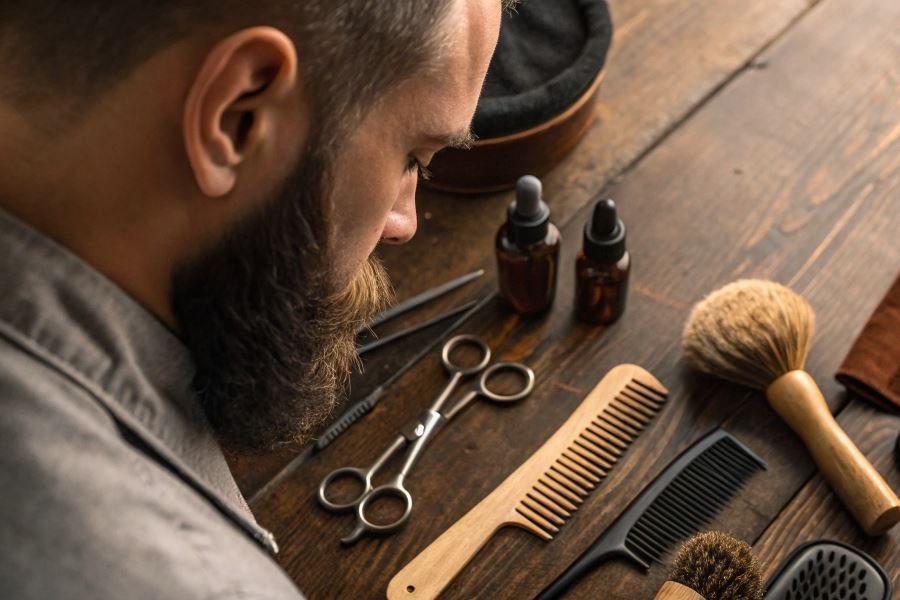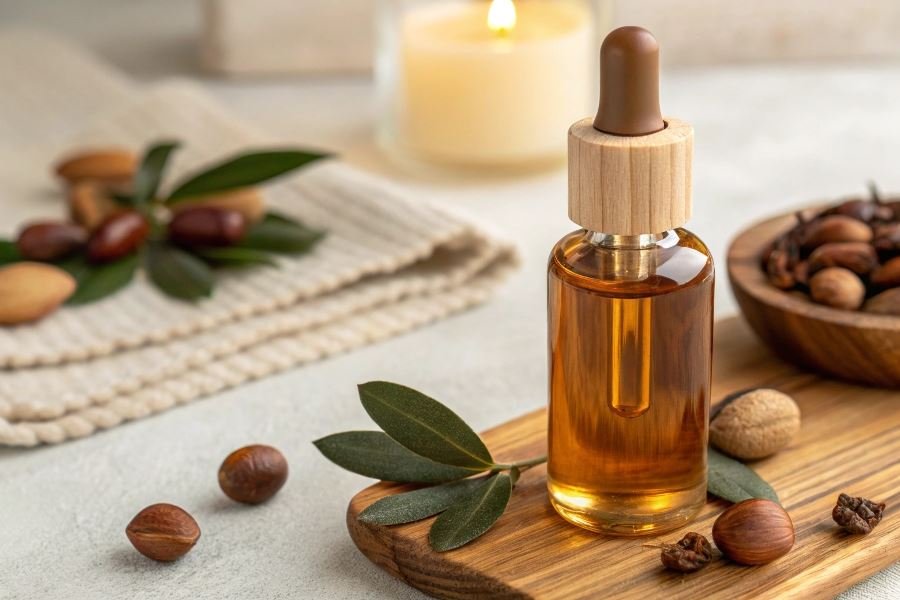
Remember when beards were just… hair on your face? Those days are long gone. Since 2010, we’ve witnessed a remarkable transformation in men’s grooming, with beard oils emerging from obscurity to become essential tools in the modern man’s arsenal.
Beard oils aren’t just fancy bottles with pleasant scents—they’re sophisticated formulations designed to work double-duty on both facial hair and the skin beneath. At their core, these oils combine carrier oils (like jojoba, argan, and grapeseed) with essential oils to create a product that moisturizes, conditions, and protects. The best formulations penetrate the hair shaft, softening coarse facial hair while simultaneously nourishing the skin to prevent the dreaded “beardruff.”
Why composition matters more than you think
The difference between a mediocre beard oil and an exceptional one lies entirely in its ingredients. Natural carrier oils mimic your skin’s sebum, creating balance without clogging pores. Meanwhile, essential oils contribute more than just fragrance—tea tree offers antimicrobial properties, while cedarwood can stimulate hair growth.
“Understanding what’s in your beard oil isn’t just about avoiding irritants—it’s about selecting ingredients that actively improve your beard’s health, appearance, and feel.”
Making an informed choice means looking beyond marketing claims to evaluate what’s actually in the bottle. The right beard oil doesn’t just make your beard look better—it fundamentally transforms how it grows, feels, and behaves day after day.
The Chemistry Behind Beard Oils: What Makes Them Work
Beard oils have revolutionized men’s grooming routines by offering targeted solutions for facial hair maintenance. Understanding the composition, properties, and selection criteria for beard oils reveals why certain formulations outperform others in taming unruly facial hair while nourishing the skin beneath.
Carrier Oils: The Foundation of Every Formula
Carrier oils constitute 95-99% of any beard oil formula, providing the base that delivers nutrients to hair follicles and skin. These workhorses determine how the product feels, absorbs, and performs.
Jojoba oil stands as the gold standard in premium formulations. Chemically resembling human sebum, it absorbs rapidly without clogging pores. This molecular similarity allows jojoba to regulate natural oil production rather than suppressing it—ideal for men with oily or combination skin types.
Argan oil delivers exceptional moisture retention through its high vitamin E and fatty acid content. Sourced from Morocco’s argan trees, this oil penetrates the hair shaft to repair damage from within, creating noticeably softer beards after just 7-10 days of consistent use.
Sweet almond oil provides a lightweight alternative for men with finer beard hair, delivering silky texture without weighing down facial hair.
Coconut oil offers antimicrobial properties that combat beard dandruff, though its solid state at room temperature means it’s typically used in smaller percentages or fractionated form in premium blends.
Essential Oils: Beyond Just Fragrance
While carrier oils do the heavy lifting, essential oils contribute both aromatic profiles and therapeutic benefits:
| Essential Oil | Primary Benefit | Scent Profile |
|---|---|---|
| Cedarwood | Stimulates growth | Woody, masculine |
| Tea Tree | Antimicrobial | Medicinal, clean |
| Sandalwood | Reduces irritation | Rich, earthy |
| Eucalyptus | Clarifying | Fresh, invigorating |
These concentrated botanical extracts require proper dilution (typically 1-3% of total formula) to prevent skin irritation while delivering their benefits. The interaction between carrier and essential oils creates unique absorption patterns and longevity profiles.
Beyond Oils: Supporting Ingredients
Premium beard oils incorporate additional components that enhance performance:
Vitamin E (tocopherol) serves dual purposes as both an antioxidant preservative and a skin-healing agent. At concentrations of 0.5-1%, it extends shelf life while supporting skin cell regeneration beneath the beard.
Rosemary extract stimulates blood circulation to hair follicles, potentially encouraging thicker growth patterns over time.
Panthenol (pro-vitamin B5) strengthens hair shafts from within, reducing breakage and split ends—particularly beneficial for men growing longer beards.
How Composition Affects Performance
The molecular weight of different oils directly impacts absorption rates and surface residue. Lighter oils like grapeseed penetrate quickly but offer less lasting moisture, while heavier oils like castor provide extended conditioning but may feel greasy on finer beard types.
Viscosity also determines application experience—thinner formulations spread more easily through dense beards, while medium-viscosity blends offer better control for precise application to beard edges and mustaches.
The ideal beard oil strikes a balance between immediate absorption and lasting nourishment, typically through strategic blending of fast-absorbing and slower-penetrating oils. This layered approach ensures both skin and hair receive appropriate care without excessive shine or residue.
When evaluating beard oils, the ingredient list reveals far more than just what’s in the bottle—it tells the story of how the product will perform on your unique facial hair and skin combination.
Choosing the Perfect Beard Oil: Your Ultimate Guide
Organic vs. Conventional: The Ingredient Showdown
The foundation of any quality beard oil begins with its ingredients. Organic beard oils have surged in popularity, and for good reason. These formulations typically contain plant-based oils harvested without synthetic pesticides or fertilizers, creating a purer product for your facial hair ecosystem.
Organic beard oil benefits extend beyond environmental considerations. These products typically feature cold-pressed oils that retain more nutrients and antioxidants than their conventionally processed counterparts. Beardbrand and Honest Amish have pioneered organic formulations that deliver exceptional results without synthetic additives.
Conventional beard oils often incorporate silicones like dimethicone that create an artificial smoothness but can potentially clog follicles over time. While they may offer immediate shine and control, the long-term benefits typically favor organic alternatives.
The difference between organic and conventional beard oils isn’t just marketing—it’s measurable in how your beard responds after weeks of consistent use.
When evaluating ingredient quality, scan for these red flags:
- Mineral oil (petroleum derivative that sits on skin rather than absorbing)
- Artificial fragrances (potential irritants)
- Parabens and phthalates (controversial preservatives)
- Propylene glycol (potential sensitizer for some skin types)
Matching Oil Properties to Your Unique Beard
Beard oils aren’t one-size-fits-all solutions. The ideal formulation varies dramatically based on your beard type and skin condition.
For coarse, wiry beards: Look for oils with higher concentrations of argan, jojoba, or avocado oil. These penetrate thick hair shafts more effectively, providing deep conditioning that tames even the most stubborn facial hair.
For fine or patchy beards: Lighter formulations featuring grapeseed or apricot kernel oil won’t weigh down thinner facial hair while still providing essential moisture.
For sensitive or acne-prone skin: Sweet almond oil and jojoba closely mimic your skin’s natural sebum, making them less likely to trigger breakouts. Jack Black offers excellent options specifically formulated for sensitive skin.
| Beard Type | Recommended Base Oils | Avoid |
|---|---|---|
| Coarse/Thick | Argan, Avocado, Castor | Light oils like grapeseed |
| Fine/Thin | Grapeseed, Apricot Kernel | Heavy oils like castor |
| Dry/Brittle | Coconut, Olive, Avocado | Astringent oils |
| Sensitive Skin | Jojoba, Sweet Almond | Citrus essential oils |
The Critical Trifecta: Scent, Viscosity, and Packaging
When making your final selection, three factors deserve special attention:
Scent profiles range from woodsy cedar and sandalwood to citrus and mint varieties. Beyond personal preference, consider when you’ll be applying the oil. Stronger scents might be perfect for evening use but overwhelming in professional settings. Viking Revolution offers unscented options for fragrance-sensitive individuals.
Viscosity matters more than most realize. Thicker oils provide longer-lasting moisture but can feel heavy. Lighter formulations absorb quickly but may require more frequent application. The ideal viscosity often correlates with seasonal needs—lighter in summer, heavier in winter when indoor heating systems deplete moisture.
Packaging design isn’t merely aesthetic—it directly impacts product integrity and usability. Dark amber or cobalt glass bottles protect essential oils from degradation caused by light exposure. Dropper designs allow precise application, while pump mechanisms can dispense consistent amounts but may waste product as they age.
The most sophisticated beard oils now feature UV-resistant packaging and airless pump systems that preserve ingredient efficacy throughout the product’s lifespan. Beardbrand’s premium line exemplifies this attention to packaging functionality.
Your ideal beard oil strikes the perfect balance between ingredient quality, formulation specificity for your beard type, and these three critical factors—creating a daily grooming experience that transforms both your beard’s appearance and its underlying health.
Discover the science behind premium beard oils with our comprehensive guide to essential ingredients, carrier oils, and selection criteria for healthier facial hair and skin. Learn what truly matters when choosing the perfect beard oil.
Discover the science behind premium beard oils with our comprehensive guide to essential ingredients, carrier oils, and selection criteria for healthier facial hair and skin. Learn what truly matters when choosing the perfect beard oil.