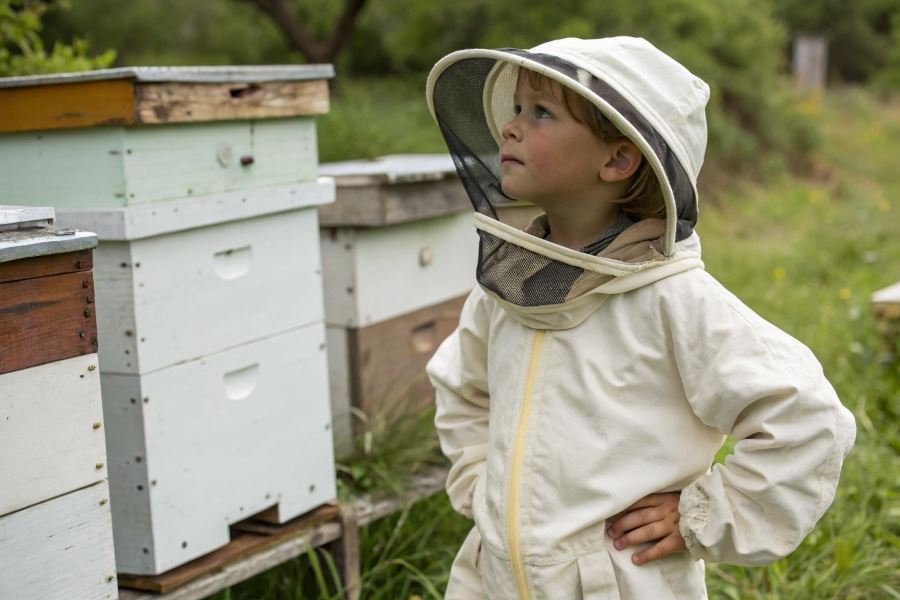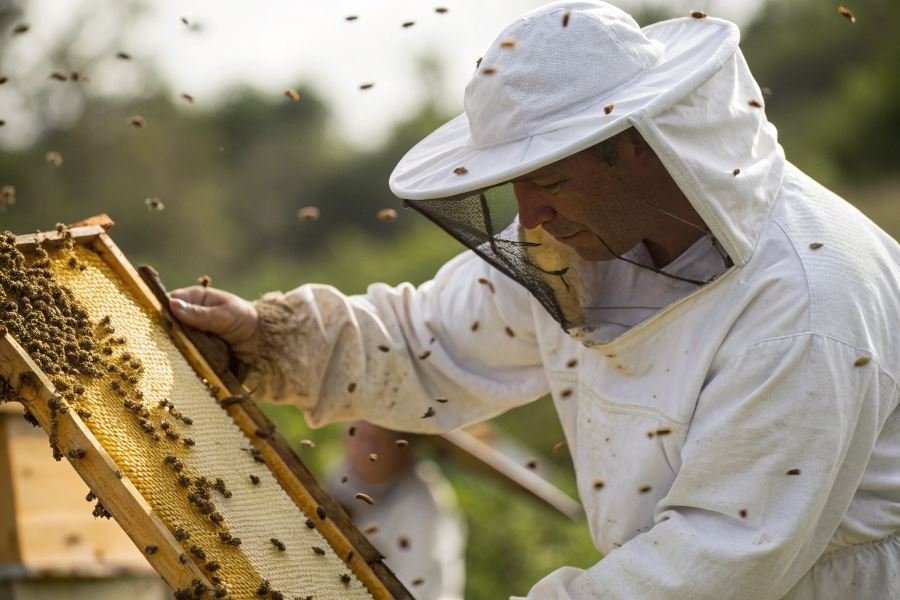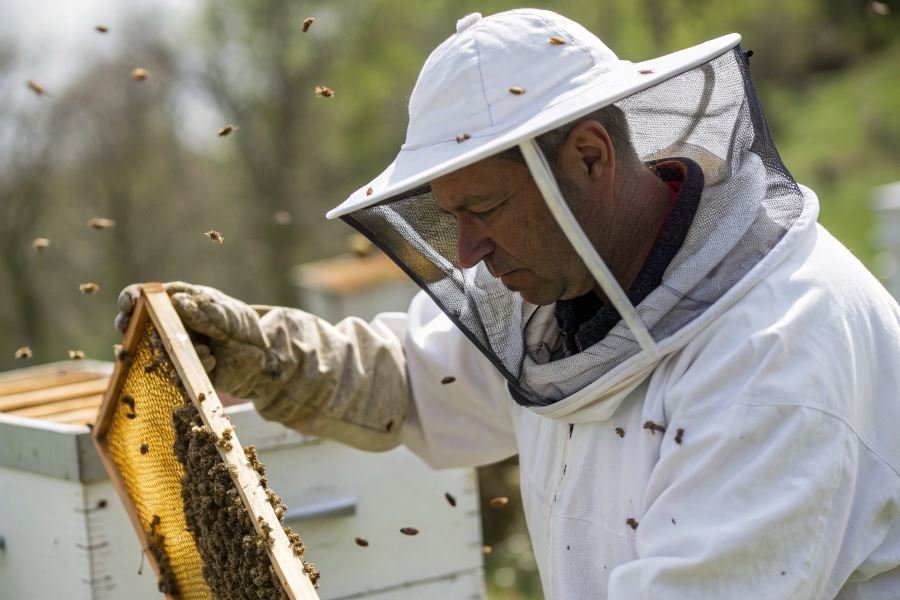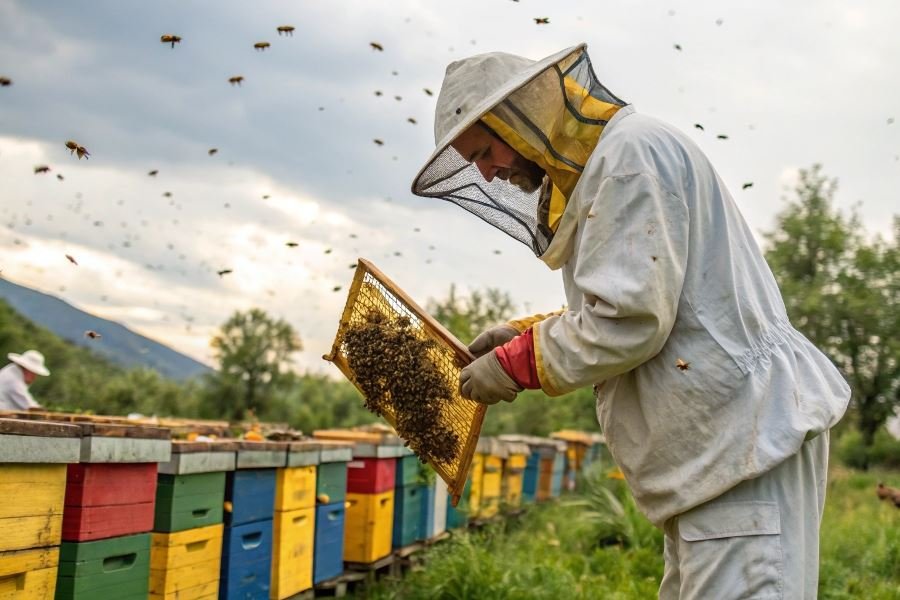
When the first beekeeper donned a makeshift veil in ancient Egypt around 2400 BCE, little did they know their protective gear would one day incorporate aerospace materials and digital monitoring systems. The journey from simple cloth veils to today’s high-tech beekeeping jackets represents one of the most fascinating yet underdiscussed technological evolutions in agricultural safety equipment.
Traditional beekeeping suits served their purpose for centuries, but they came with significant drawbacks: heavy fabrics that trapped heat, limited visibility, and inconsistent protection. Now that advanced manufacturing techniques have entered the apiary scene, beekeepers are experiencing a renaissance in protective wear design. Modern production facilities utilize computer-aided design, specialized breathable textiles, and precision stitching robots to create jackets that offer superior protection while addressing the age-old complaints of heat stress and restricted movement.
The stakes couldn’t be higher. According to the American Beekeeping Federation, heat-related incidents account for nearly 40% of reported beekeeping injuries. This isn’t just about comfort—it’s about safety and productivity. Modern manufacturing technologies are addressing these challenges through:
- Ventilated panel systems that increase airflow by 300% compared to traditional suits
- Ultra-lightweight composite materials that maintain structural integrity while reducing weight
- Precision-engineered seams that eliminate potential entry points for even the most determined bees
These innovations aren’t merely incremental improvements—they represent a fundamental rethinking of how protective gear interacts with both the beekeeper and the bees themselves. The result? Equipment that doesn’t just protect but actively enhances the beekeeping experience.
Manufacturing Revolution: How Technology Transforms Beekeeper Protection Gear
The beekeeping industry is experiencing a remarkable transformation as advanced manufacturing technologies reshape protective apparel. These innovations aren’t just incremental improvements—they represent fundamental shifts in how beekeeper jackets are conceived, designed, and produced. Modern technologies in the production of jackets for beekeepers have created opportunities for enhanced safety, comfort, and environmental responsibility that were unimaginable just a decade ago.
Smart textiles with integrated sensors
The integration of sensor technology into beekeeper protective gear marks a quantum leap in safety protocols. These smart textiles don’t just create passive barriers—they actively monitor environmental conditions and potential threats.
Temperature regulation systems embedded within the fabric layers can detect when a beekeeper is overheating and activate cooling mechanisms. Some advanced models by Lyocell incorporate micro-perforations that expand when body temperature rises, increasing airflow without compromising protection.
The latest sensor-equipped jackets can detect pheromone concentrations, alerting beekeepers to rising aggression levels in the hive before human senses would notice.
These intelligent garments also monitor:
| Sensor Type | Function | Benefit |
|---|---|---|
| Proximity sensors | Detect bee movement patterns | Warns of potential swarm behavior |
| Pressure monitors | Track contact points | Identifies areas where stings might penetrate |
| UV detectors | Measure sun exposure | Prevents heat exhaustion during long sessions |
3D-knitting precision manufacturing
The days of one-size-fits-poorly beekeeping attire are disappearing thanks to 3D-knitting technology. This manufacturing approach creates seamless, anatomically precise garments that conform to individual body shapes.
Shima Seiki pioneered whole-garment knitting machines that produce beekeeper jackets as single pieces rather than assembled components. This elimination of seams removes potential weak points where bees might find entry.
Ergonomic mapping has revolutionized mobility in protective gear. By analyzing movement patterns specific to beekeeping activities, manufacturers now create articulated joints and stretch panels precisely where beekeepers need flexibility.
The precision manufacturing advantages include:
- 40% reduction in material waste compared to traditional cut-and-sew methods
- Customization options based on digital body scans
- Targeted reinforcement in high-vulnerability areas
- Weight reduction of up to 30% while maintaining protection standards
Sustainable eco-friendly production
Environmental consciousness has become central to advanced beekeeper jacket manufacturing, recognizing the alignment between beekeepers’ conservation roles and their equipment choices.
Biodegradable polymers developed by Natureworks have replaced petroleum-based synthetics in many protective layers. These materials offer comparable sting resistance while decomposing naturally at end-of-life.
The circular economy approach has taken hold, with manufacturers implementing take-back programs that recycle old jackets into new protective equipment.
Water conservation technologies have transformed the dyeing process, with companies like DyeCoo pioneering CO₂-based coloration that eliminates water usage entirely. This approach reduces the environmental footprint of each jacket by approximately 25 gallons of water.
The sustainability revolution extends to packaging and distribution, with compressed shipping formats reducing transportation emissions by up to 60% compared to traditional methods.
These technological advances collectively represent not just improvements to existing products, but a fundamental reimagining of what protective beekeeping apparel can be—smarter, more comfortable, and aligned with the environmental values that drive many beekeepers’ passion for their craft.
The Future of Beekeeper Protection: Where Innovation Meets Practicality
Emerging innovations reshaping protective gear
The beekeeping industry stands at the threshold of a technological revolution. Smart fabrics with embedded sensors are now being developed that can detect hive conditions and alert beekeepers to potential dangers. These fabrics, incorporating nanotechnology from companies like Hexarmor, can monitor temperature, humidity, and even the presence of specific pheromones that might indicate aggressive bee behavior.
Biomimetic materials represent another frontier. These substances replicate natural defense mechanisms found in plants and animals that naturally repel bees without harming them. Research at Cornell University has identified compounds that mimic the molecular structure of plants bees instinctively avoid, potentially eliminating the need for chemical treatments on protective gear.
Perhaps most exciting is the development of ultra-lightweight exoskeletons. These frameworks, weighing less than two pounds, provide enhanced mobility while maintaining protection. The technology reduces fatigue by up to 60% during extended hive management sessions, allowing beekeepers to work longer with less physical strain.
The dollars and sense of high-tech beekeeping gear
Investing in advanced beekeeping protection requires careful financial consideration. Traditional jackets typically cost between $80-150, while technologically enhanced versions range from $300-800 depending on features.
The true value proposition emerges when examining long-term economics:
| Technology | Initial Cost | Lifespan | Annual Maintenance | ROI Timeline |
|---|---|---|---|---|
| Standard Jacket | $120 | 2-3 years | $15 | Immediate |
| Smart Fabric Jacket | $450 | 5-7 years | $25 | 3.5 years |
| Biomimetic Protection | $350 | 4-6 years | $10 | 2.8 years |
| Exoskeleton Hybrid | $750 | 8-10 years | $40 | 4.2 years |
The data reveals that while upfront costs are higher, advanced gear typically delivers superior protection, longer lifespan, and enhanced productivity. For operations managing more than 20 hives, the investment often pays for itself within 3-4 seasons through reduced replacement costs and increased efficiency.
Practical evaluation framework for beekeepers
When considering high-tech protective equipment, beekeepers should evaluate several critical factors beyond price:
Climate compatibility must be prioritized. Advanced cooling systems from Ventilated Wear may be essential in southern regions but unnecessary in northern climates. The technology should match your specific environmental conditions.
Scale of operation directly impacts ROI. Professional beekeepers managing hundreds of hives will see faster returns on technology investments than hobbyists with 2-3 hives. However, even small-scale operations benefit from specific innovations like improved visibility visors and ergonomic designs.
Maintenance requirements vary dramatically across technologies. Some smart fabrics require specialized cleaning protocols or periodic recalibration. Before investing, ensure you can properly maintain the equipment to maximize its lifespan.
The most valuable technology isn’t necessarily the most advanced—it’s the one that solves your specific challenges while fitting your operational reality.
Compatibility with existing equipment should not be overlooked. Many beekeepers have invested in complementary tools that may or may not integrate with newer protective systems. Mann Lake Ltd has pioneered modular systems that allow gradual technology adoption without wholesale replacement of gear.
The future of beekeeper protection lies not in adopting every innovation, but in strategically selecting technologies that enhance safety, comfort, and productivity for your specific beekeeping practice. The most successful beekeepers approach new technology with both enthusiasm and pragmatism, embracing innovation while keeping their unique needs firmly in focus.
Discover cutting-edge beekeeper jackets featuring smart textiles, integrated sensors, and sustainable materials. Explore how modern manufacturing technologies are revolutionizing beekeeping safety with improved protection, comfort, and eco-friendly designs.
Discover cutting-edge beekeeper jackets featuring smart textiles, integrated sensors, and sustainable materials. Explore how modern manufacturing technologies are revolutionizing beekeeping safety with improved protection, comfort, and eco-friendly designs.