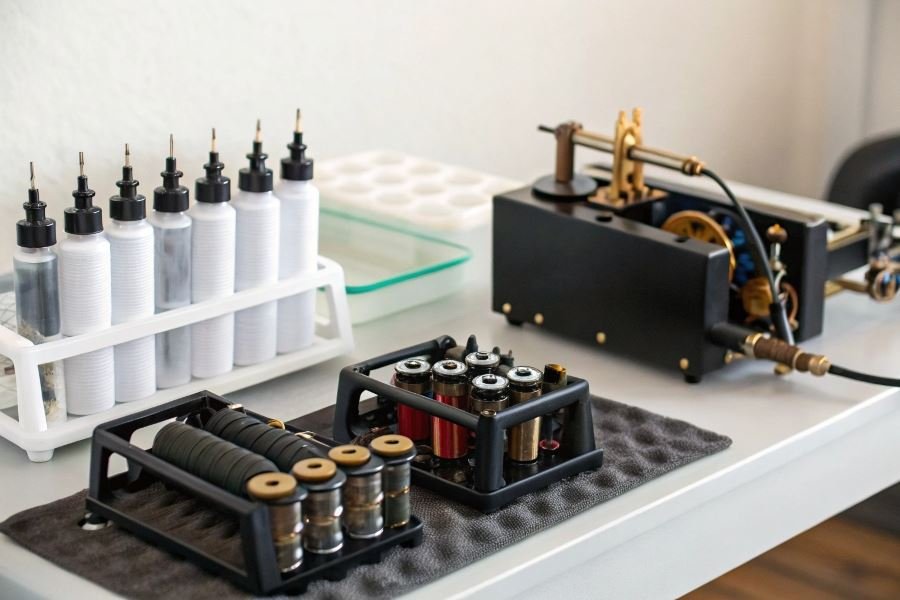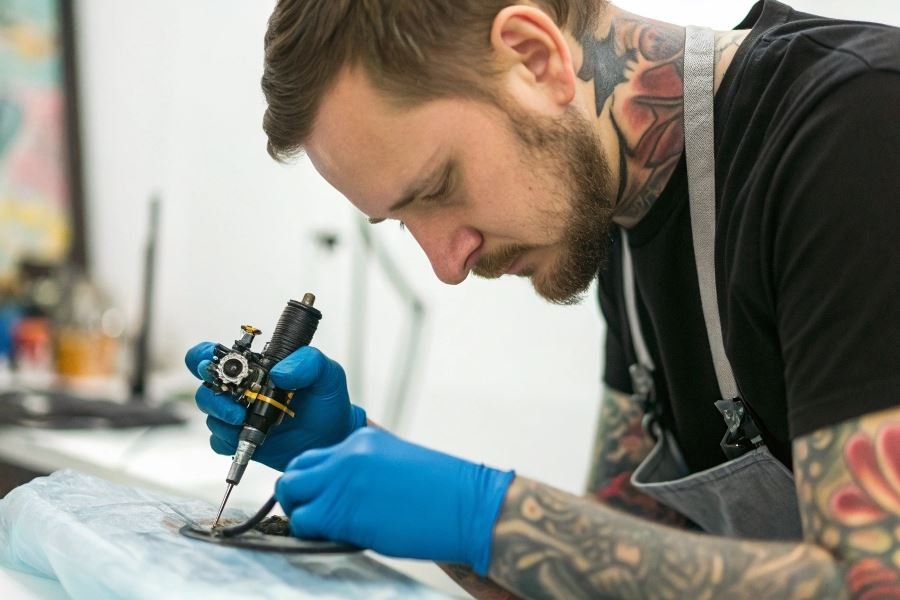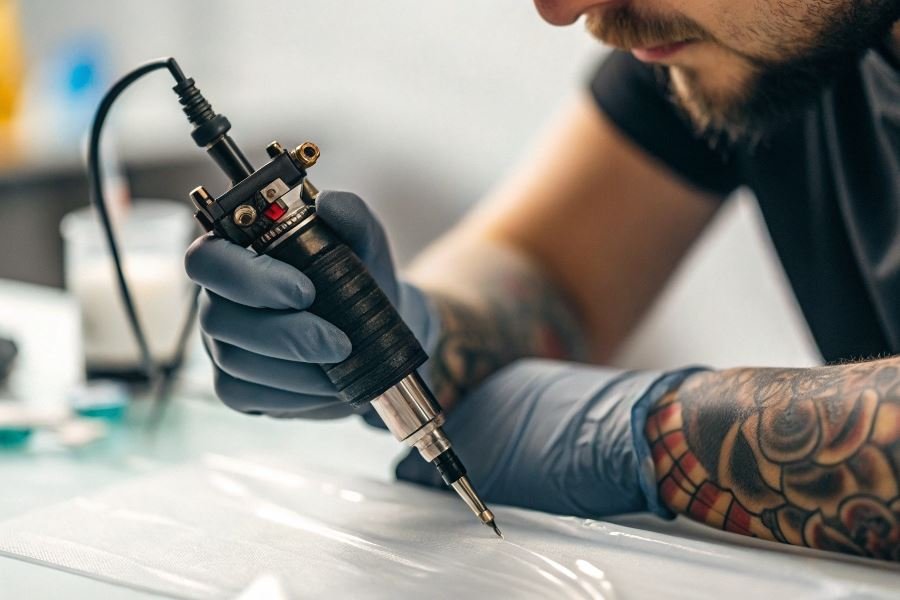
Ever wondered why some tattoo artists create flawless lines while others struggle with basics? The secret often lies not in the hand, but in the tool. Your first tattoo machine isn’t just equipment—it’s the foundation of your artistic journey.
Selecting the right tattoo machine as a beginner can feel overwhelming. With countless options ranging from $50 to well over $1,000, how do you make a choice that won’t sabotage your development? The truth is, your machine will either accelerate your growth or become your biggest obstacle.
The fundamental machine types
Tattoo machines generally fall into three categories, each with distinct advantages:
-
Coil machines: The traditional workhorses of tattooing, delivering that iconic buzzing sound. They offer exceptional power for lining and shading but require more maintenance and understanding.
-
Rotary machines: Quieter, lighter, and more beginner-friendly. Their versatility makes them excellent all-purpose machines that can handle both lining and shading with minimal adjustments.
-
Pen machines: The newest innovation, combining rotary technology with ergonomic pen-like designs. They reduce hand fatigue during long sessions but often come with a higher price tag.
Critical factors for your first investment
Before purchasing, consider these essential elements:
- Learning curve: Rotary machines typically offer a gentler learning curve than coil machines
- Versatility vs. specialization: Decide whether you need an all-purpose machine or specialized tools for lining and shading
- Weight and ergonomics: Lighter machines reduce fatigue but may lack stability for certain techniques
- Budget reality: Quality machines start around 150−300—anything significantly cheaper may compromise your work quality
“Your first machine should be forgiving enough to learn on, but sophisticated enough to grow with you for at least a year.” — Professional tattoo artists’ consensus
Remember, the perfect machine amplifies your existing skills rather than creating them. Start with quality, prioritize reliability, and choose a machine that feels like an extension of your artistic vision.
Essential Factors for Choosing Your First Tattoo Machine
Selecting the right tattoo machine as a beginner artist can feel overwhelming with the array of options available today. The equipment you choose will significantly impact your learning curve, comfort, and ultimately the quality of your work. When learning how to choose a tattoo machine for a beginner master, understanding the fundamental differences between machine types and their technical specifications becomes crucial for making an informed decision.
Coil vs. Rotary vs. Pen: The Beginner’s Battlefield
Each tattoo machine type offers distinct advantages for newcomers to the craft:
Coil Machines represent the traditional choice with their distinctive buzzing sound. They operate using electromagnetic currents and offer:
- Excellent line definition
- Strong puncturing power
- More tactile feedback
However, they require more maintenance and have a steeper learning curve.
Rotary Machines have gained immense popularity among beginners for good reason:
- Quieter operation
- Less vibration (reduces hand fatigue)
- Simpler maintenance requirements
- Versatility across lining and shading
Pen Machines represent the newest innovation, combining ergonomics with precision:
- Intuitive grip similar to drawing tools
- Lightweight design (typically 2-4 oz)
- Reduced wrist strain during long sessions
- Excellent maneuverability for detail work
| Machine Type | Learning Curve | Versatility | Maintenance | Typical Beginner Cost |
|---|---|---|---|---|
| Coil | Steep | Good for lines | High | $80-150 |
| Rotary | Gentle | All-purpose | Low | $120-250 |
| Pen | Very Gentle | Precision work | Low | $180-350 |
Technical Specifications That Matter
When evaluating machines, pay close attention to these critical specifications:
Weight significantly impacts hand fatigue. Beginners should consider:
- Lightweight options (3-6 oz) for longer practice sessions
- Balanced weight distribution to prevent wrist strain
- Ergonomic grips that complement the machine’s weight
Stroke Length determines how far the needle travels with each cycle:
- 1.8-2.5mm: Ideal for lining work
- 3.0-4.0mm: Better suited for shading and coloring
- Adjustable stroke machines offer flexibility as you develop your style
Voltage Requirements affect how your machine performs:
- Lower voltage (6-8V): Gentler on skin, slower needle speed
- Higher voltage (8-10V): Faster needle speed, deeper penetration
- Quality FK Irons and Cheyenne machines typically operate efficiently in the 7-9V range
Budget Considerations for Beginners
Investing wisely in your first machine establishes the foundation for your tattooing career:
Entry-Level Options ($80-150):
- Solid machines from brands like Dragonhawk
- Great for fundamentals but may lack refinement
- Often come in complete kits with basic supplies
Mid-Range Investments ($150-300):
- Significant quality improvement
- Machines from established manufacturers like Bishop
- Better construction with longer lifespan
Premium Starter Machines ($300-500):
- Professional-grade equipment that won’t be quickly outgrown
- Precision engineering from brands like Inkjecta
- Considered investments rather than disposable tools
Remember that false economy often proves costly in tattooing. A quality machine might cost more initially but will provide better results, require less troubleshooting, and maintain its value should you decide to upgrade later.
The machine you select will become an extension of your artistic vision, so choose one that feels comfortable and inspires confidence as you begin your journey into the art of tattooing.
Top 3 Tattoo Machines That Will Launch Your Career
The right tattoo machine doesn’t just make your work easier—it shapes your entire artistic journey. After testing dozens of machines and interviewing veteran artists, I’ve identified the absolute best options for those taking their first steps into the world of professional tattooing.
Rotary machines that won’t let you down
Rotary machines have revolutionized the beginner’s experience with their user-friendly operation and versatility. Here are the standouts:
-
FK Irons Spektra Xion – This lightweight aluminum marvel (weighing just 3.5 oz) delivers consistent performance with its 5-watt motor. The adjustable stroke length (2.5-4.0mm) allows you to transition between lining and shading without switching machines.
-
Cheyenne SOL Nova Unlimited – Wireless freedom meets precision engineering. With 3.5 hours of battery life and weighing only 5.3 oz, this machine eliminates cord drag while maintaining professional-grade performance.
-
Dragonhawk Mast Tour – At $120, this is the budget-friendly option that doesn’t compromise quality. Its Japanese motor and aluminum frame provide reliability that punches well above its price point.
“The machine you start with becomes your foundation. Choose something that grows with your skills, not something you’ll outgrow in three months.” – Jake Thompson, 15-year tattoo veteran
Coil machines for traditional craftsmanship
While rotary machines dominate the beginner market, coil machines offer unmatched character and connection to tattooing traditions:
| Machine | Weight | Voltage | Price | Best For |
|---|---|---|---|---|
| Stigma-Rotary Beast | 8.2 oz | 7-9V | $280 | Bold lines |
| Workhorse Irons Shader | 7.8 oz | 7-8.5V | $325 | Smooth shading |
| Baltimore Street Kings Kit | 9.1 oz | 6-9V | $199 | Complete starter kit |
The Baltimore Street Kings Kit deserves special mention for including two machines (liner and shader), power supply, and basic maintenance tools—everything a beginner needs to start exploring the traditional approach.
Extending your machine’s lifespan
Your first tattoo machine is an investment. Protect it with these essential maintenance practices:
-
Daily cleaning ritual – After each session, disassemble the grip and tube, then wipe down the machine with antibacterial wipes. Pay special attention to areas where ink might accumulate.
-
Weekly deep clean – For rotary machines, check and tighten all screws. For coil machines, clean contact points with isopropyl alcohol and adjust spring tension if necessary.
-
Lubrication schedule – Apply machine oil to moving parts every 40-50 hours of operation. For rotary machines, focus on the cam and bearing; for coil machines, the armature bar and springs.
-
Storage solutions – Invest in a dedicated case with foam inserts to prevent damage during transport. Store in a dry environment away from extreme temperatures.
The difference between a machine that lasts six months and one that serves you for years often comes down to these simple maintenance habits. Remember that even entry-level machines respond remarkably well to consistent care.
Discover the essential guide for selecting your first tattoo machine with expert comparisons of rotary, coil, and pen styles. Learn key technical specifications, budget considerations, and top recommendations for beginner tattoo artists.
Discover the essential guide for selecting your first tattoo machine with expert comparisons of rotary, coil, and pen styles. Learn key technical specifications, budget considerations, and top recommendations for beginner tattoo artists.