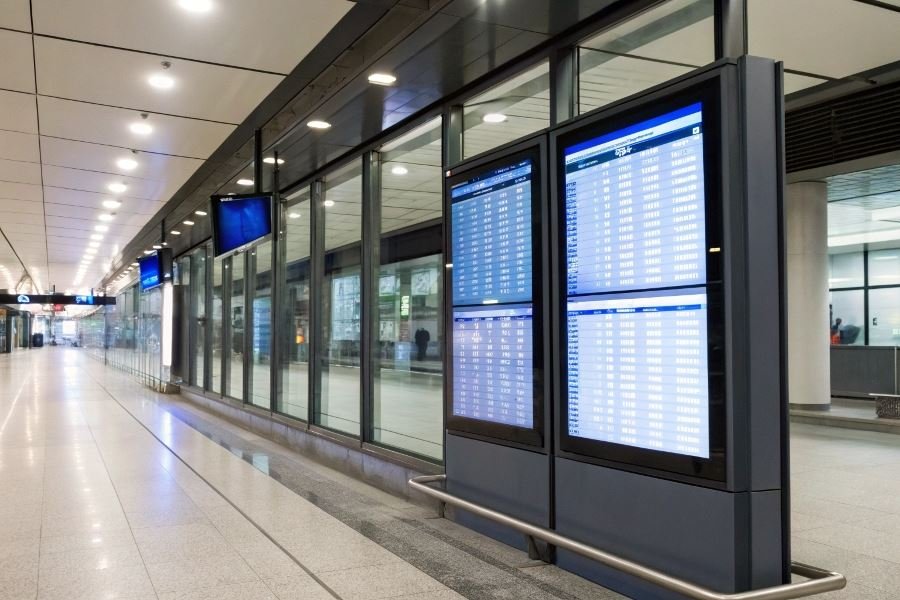
Ever stood at a bus station, squinting at a blurry screen, desperately trying to figure out if your bus is delayed or if you’ve missed it entirely? That moment of confusion costs more than just passenger frustration—it undermines the entire transit system’s credibility.
Information displays serve as the critical interface between transit authorities and the thousands of passengers navigating public transportation daily. When implemented thoughtfully, these digital ambassadors dramatically enhance the passenger experience while simultaneously streamlining operational efficiency. The right display doesn’t just show information; it communicates with clarity and purpose.
Selecting appropriate displays for bus stations involves navigating a complex matrix of technical specifications, environmental considerations, and user experience factors. The decision extends far beyond simply picking the brightest screen—it requires balancing visibility requirements, durability standards, and integration capabilities with existing systems.
“The quality of information delivery at transit points directly correlates with passenger satisfaction and system utilization rates.” — American Public Transportation Association
The parameters we’ll explore—from brightness ratings and weatherproofing to content management systems—form the foundation for displays that perform reliably for years, even in challenging environments. These aren’t just technical specifications; they’re the building blocks of public trust in transportation infrastructure.
As we examine these critical factors, remember that the ultimate goal remains consistent: creating information systems that serve people with reliability and clarity, regardless of weather conditions, time of day, or passenger volume.
Technical Essentials for Bus Station Display Systems
When selecting display technology for transit hubs, understanding the technical parameters isn’t just helpful—it’s critical for operational success. The digital signage that guides thousands of travelers daily requires thoughtful specification to ensure reliability and clarity in the demanding transit environment.
Determining the right display specifications for bus station implementations requires balancing visibility requirements, environmental factors, and long-term performance considerations. How to choose a display for a bus station: main parameters involves analyzing not just the immediate visual impact but also the sustainability of the technology investment across changing seasons and usage patterns.
Size and Resolution: The Visibility Equation
Display size selection follows a fundamental principle: the viewing distance determines the necessary dimensions. For bus stations, this calculation becomes particularly important:
| Viewing Distance | Recommended Display Size | Minimum Resolution |
|---|---|---|
| Up to 10 ft | 43-55 inches | 1080p (FHD) |
| 10-20 ft | 65-75 inches | 1080p-4K |
| 20-40 ft | 85+ inches | 4K |
| 40+ ft | LED video walls | Custom |
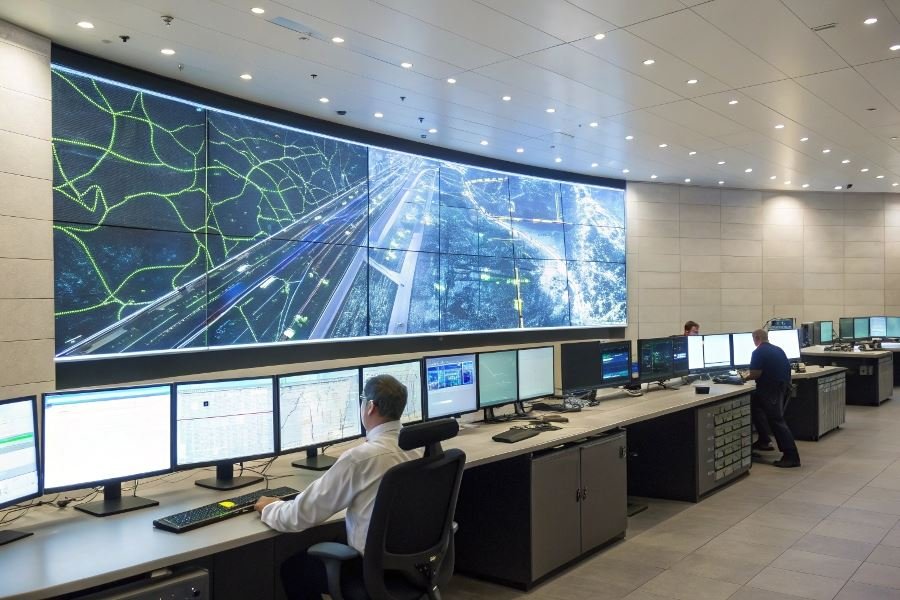
Station layout significantly impacts these requirements. Main concourses with high ceilings benefit from suspended larger displays, while platform-specific information works better with strategically placed smaller units. The pixel pitch—physical distance between pixels—becomes critical for LED walls in larger installations, with 2.5mm-4mm pitch providing the sweet spot for mid-range viewing distances.
Environmental Hardening: Built for Resilience
Transit environments demand displays that can withstand both predictable and unexpected challenges:
Indoor installations require different specifications than their outdoor counterparts, but still need enhanced durability compared to standard commercial displays. Look for:
- IP52-IP54 ratings for dust protection and resistance to water splashes
- Operating temperature ranges of 32°F to 104°F (0°C to 40°C)
- Anti-vandalism features including tempered glass with 3-4mm thickness
Outdoor displays face the full brunt of environmental extremes and require:
- IP65-IP67 ratings for complete dust protection and water resistance
- Operating temperature ranges of -4°F to 122°F (-20°C to 50°C)
- UV-resistant coatings to prevent display degradation
- Corrosion-resistant enclosures, particularly important in coastal areas
Visibility Optimization: Conquering Light Challenges
The most impressive content means nothing if passengers can’t see it clearly. Three critical factors determine real-world visibility:
Brightness levels must be matched to installation environments:
- Indoor concourses: 500-700 nits minimum
- Covered outdoor areas: 1,000-1,500 nits
- Direct sunlight exposure: 2,500+ nits
Contrast ratio determines legibility, with 4000:1 or higher providing optimal readability for transit information. Dynamic contrast adjustment technology from manufacturers like Samsung and LG automatically optimizes visibility as ambient light changes throughout the day.
Anti-glare technology represents the final piece of the visibility puzzle. Optical bonding eliminates internal reflections, while specialized coatings with 2-3% reflection rates ensure content remains visible even in challenging lighting conditions. These treatments maintain color accuracy while dramatically improving readability during peak sunlight hours.
Making the Smart Display Investment for Bus Stations
Balancing Cost and Long-Term Value
When finalizing your bus station display selection, the initial price tag tells only part of the story. The true cost-benefit analysis must account for the display’s entire lifecycle. Premium LED displays from manufacturers like Samsung or LG might command higher upfront costs but typically deliver 100,000+ hours of operation—translating to over 11 years of continuous use. Compare this to lower-cost alternatives that may require replacement in just 3-5 years.
Energy efficiency creates substantial savings over time. A modern high-efficiency display consuming 30% less power than standard models can save thousands of dollars annually across a multi-display installation. Factor in maintenance costs too—displays with remote diagnostics and modular components significantly reduce service expenses and downtime.
The wisest investment isn’t always the cheapest option, but the one that delivers the lowest total cost of ownership over its operational life.
Implementation Timeline That Works
Successful display deployment requires thoughtful planning. Most bus station display projects follow a three-phase implementation:
| Phase | Duration | Key Activities |
|---|---|---|
| Planning | 4-8 weeks | Site surveys, technical specifications, vendor selection |
| Procurement | 6-12 weeks | Order processing, manufacturing, shipping |
| Installation | 2-6 weeks | Mounting, wiring, testing, content setup |
Integration with existing systems demands particular attention. Modern displays using open standards like HDMI-CEC or Crestron control protocols offer smoother integration with transit management systems. Allow additional time if custom API development is needed to connect displays with real-time transit data feeds.
Priority Parameters for Decision Makers
When making your final selection, focus on these mission-critical parameters:
-
Environmental suitability – Displays must withstand your specific conditions. For outdoor installations, IP65 or higher ratings are non-negotiable, while indoor displays in uncontrolled environments should offer at least IP54 protection.
-
Visibility performance – High brightness (minimum 2,500 nits for outdoor, 700 nits for indoor) and anti-glare technology ensure readability in all lighting conditions. Viewing angle should exceed 160° for displays mounted above eye level.
-
Reliability infrastructure – Look beyond the hardware to the support ecosystem. Vendors offering 24/7 technical support, next-business-day parts replacement, and comprehensive warranties demonstrate confidence in their products.
-
Future-proofing capabilities – Select displays with upgrade paths for both hardware and software. Models supporting modular components and over-the-air firmware updates extend useful life and adapt to evolving needs.
Smart transit authorities prioritize displays that balance durability with adaptability. The ideal solution combines robust construction for today’s demands with flexible architecture to accommodate tomorrow’s innovations. By focusing on these core parameters while conducting thorough cost-benefit analysis, you’ll select displays that serve passengers effectively while delivering exceptional value to your transit system.
Discover the essential parameters for selecting optimal bus station displays that enhance passenger experience. Learn about size, resolution, weather resistance, and visibility factors that ensure reliable information delivery in all conditions.
Discover the essential parameters for selecting optimal bus station displays that enhance passenger experience. Learn about size, resolution, weather resistance, and visibility factors that ensure reliable information delivery in all conditions.