
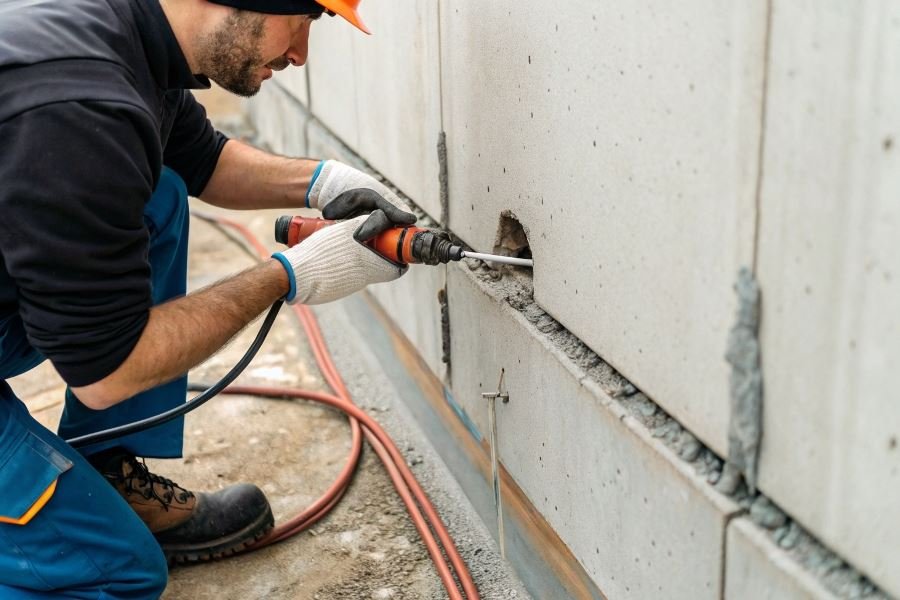
Ever wondered why some electrical installations last decades while others fail within months? The difference often lies not in the visible components, but in what’s hidden behind your walls: cable passages. These unsung heroes of electrical infrastructure deserve your careful consideration.
Cable passages—the conduits, raceways, and pathways that protect and organize your wiring—form the backbone of any reliable electrical system. When properly selected and installed, they prevent electrical fires, extend wire lifespan, and make future maintenance dramatically easier. When poorly chosen, they become your building’s Achilles’ heel.
Today’s market offers an impressive array of cable passage solutions, each designed for specific environments and requirements. Rigid metal conduits provide maximum protection in harsh industrial settings, while flexible PVC options offer cost-effective solutions for residential applications. EMT (Electrical Metallic Tubing) strikes a balance between durability and cost, making it popular for commercial installations. Cable trays excel in data centers where accessibility and heat dissipation are crucial.
“The quality of your cable passage installation will determine whether your electrical system is a long-term asset or a recurring liability.” — National Electrical Contractors Association
Unfortunately, many installations fall victim to common pitfalls: undersizing conduits (leaving insufficient space for future expansion), ignoring bend radius requirements (causing wire damage), mixing incompatible materials (accelerating corrosion), or neglecting proper support spacing (leading to sagging and stress points).
Selecting the right cable passage isn’t just about meeting code requirements—it’s about creating infrastructure that silently protects your investment for decades to come.
Critical Factors That Make or Break Cable Passage Installations
When designing infrastructure for power and data transmission, the selection of appropriate cable passage systems becomes a pivotal decision that affects both immediate functionality and long-term performance. The installation of cable passage requires careful attention to several key factors including material quality, sizing specifications, and regulatory compliance—choices that ultimately determine whether your system will thrive or fail under real-world conditions.
Material selection is non-negotiable when it comes to ensuring system longevity. Cable passages constructed from high-grade steel offer exceptional durability in industrial settings, while aluminum options provide a lighter alternative without sacrificing structural integrity. For outdoor or corrosive environments, 316-grade stainless steel passages resist oxidation and chemical damage that would quickly compromise lesser materials.
Environmental conditions dictate material requirements more than any other factor. Consider these material-environment pairings:
| Environment | Recommended Material | Key Benefit |
|---|---|---|
| Indoor Commercial | Galvanized Steel | Cost-effective durability |
| Outdoor Exposed | 316 Stainless Steel | Superior corrosion resistance |
| Chemical Plants | PVC-Coated Steel | Chemical damage protection |
| Data Centers | Aluminum | EMI shielding capabilities |
The capacity planning phase demands equal attention. Undersized cable passages lead to overcrowding, heat buildup, and potential signal interference—problems that become exponentially more expensive to fix after installation. Industry best practice recommends a minimum of 40% spare capacity for future expansion needs.
Size and Load Calculations That Prevent Costly Mistakes
Cable passage dimensions must account for both current requirements and anticipated growth. The cross-sectional area calculation follows a simple but critical formula:
Total Required Area = (Sum of Cable Cross-Sections × 1.4) + Separation Allowances
This 40% buffer prevents the common and costly mistake of maxing out capacity during initial installation. For high-density applications, Panduit cable management systems offer pre-calculated capacity charts that simplify this process.
Load ratings represent another critical specification often overlooked until failure occurs. Standard cable trays typically support between 50-150 pounds per linear foot, but specialized heavy-duty systems from manufacturers like Legrand can handle up to 300 pounds per linear foot when properly installed.
Safety Standards That Cannot Be Compromised
Perhaps most critically, all cable passage installations must adhere to relevant electrical codes and safety standards. The National Electrical Code (NEC) Article 392 specifically addresses cable tray systems, outlining requirements for:
- Proper grounding and bonding
- Fire-stopping at wall penetrations
- Separation of power and data cables
- Maximum fill ratios
Compliance isn’t merely about avoiding citations—it directly impacts system performance and safety. Cable passages that meet or exceed UL standards ensure fire resistance and structural integrity during emergencies.
The selection of appropriate cable passage systems ultimately determines whether your infrastructure will support operations seamlessly or become a source of ongoing problems. By prioritizing material quality, accurate capacity planning, and strict adherence to safety standards, you create a foundation for reliable performance that pays dividends throughout the system’s operational life.
Professional Cable Passage Installation That Stands the Test of Time
DIY vs Professional Installation: The Real Cost Analysis
The allure of DIY cable passage installation often begins with dollar signs—saving $75-150 per hour on professional labor costs seems like a no-brainer. But experienced installers know this calculation misses critical factors.
DIY installations typically take 2-3 times longer than professional work. A weekend warrior might spend 8-10 hours installing cable passages that professionals complete in 3-4 hours. More importantly, professionals bring specialized tools like cable pullers, fish tapes, and proper conduit benders that most homeowners simply don’t own.
The hidden costs of DIY extend beyond time. Industry data shows that approximately 23% of DIY electrical installations require professional remediation within the first year, effectively doubling the project cost. Professional installations, by contrast, typically come with 1-3 year workmanship warranties.
“The bitterness of poor quality remains long after the sweetness of low price is forgotten.” This industry adage perfectly captures the cable passage installation dilemma.
Professional installations offer significant advantages:
- Code compliance expertise
- Proper load calculations
- Future-proofed capacity planning
- Liability protection
- Inspection-ready documentation
DIY makes sense for simple, accessible runs in non-critical applications where future modifications are unlikely.
Three Elite Installation Techniques for Different Environments
Professional installers select from several installation methodologies based on specific project requirements:
1. Structured Raceway Systems
Perfect for commercial environments and high-density cable runs, structured raceway systems from manufacturers like Panduit provide modular, expandable solutions. These systems feature:
- Segregated power and data channels
- Bend radius control for fiber optics
- Snap-in dividers for future expansion
- Fire-rated options for plenum spaces
2. In-Wall Concealed Conduit
The gold standard for residential and aesthetic installations, in-wall concealed conduit requires precision planning but delivers superior results:
- Completely hidden infrastructure
- Pull-string pathways for future upgrades
- Fire-blocking compliance
- Minimal EMI interference between systems
3. Surface-Mount Cable Management
For retrofit applications or industrial settings, surface-mount systems balance accessibility with protection:
| System Type | Best Application | Typical Cost/Linear Foot |
|---|---|---|
| Metal Conduit | High-security, outdoor | 5.25−8.75 |
| PVC Raceway | Moisture-prone areas | 3.50−6.25 |
| Wire Basket | Data centers, accessible ceilings | 7.75−12.50 |
Maintenance Strategies That Prevent Costly Failures
The most overlooked aspect of cable passage installation is long-term maintenance planning. Smart installations incorporate access points every 50-75 feet in long runs and at every 90-degree turn.
Documentation represents the cornerstone of effective maintenance. Professional installers provide:
- As-built diagrams showing exact pathway routes
- Load calculations for future expansion capacity
- Pull tension records for critical data cables
- Fire-stopping documentation for building inspections
Preventative maintenance schedules should include quarterly visual inspections of accessible pathways and annual thermal scanning of high-load power passages.
For mission-critical installations, consider Fluke Networks cable certification equipment to verify performance meets specifications both at installation and during regular maintenance intervals.
The most successful cable passage installations aren’t just about today’s needs—they anticipate tomorrow’s requirements while remaining serviceable for decades.
Discover essential factors for selecting the right cable passage system for your project. Learn about materials, sizing, safety standards, and installation methods to ensure efficient cable management and prevent costly mistakes.
Discover essential factors for selecting the right cable passage system for your project. Learn about materials, sizing, safety standards, and installation methods to ensure efficient cable management and prevent costly mistakes.