$46 billion – that’s how much cash is transported across the United States daily. Behind this staggering figure lies an intricate security ecosystem where even the smallest components play crucial roles.
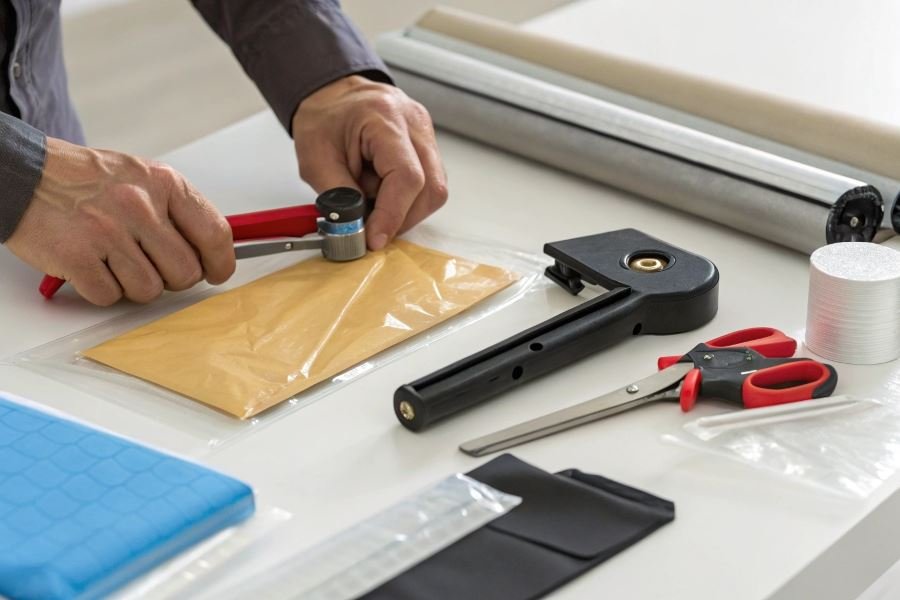
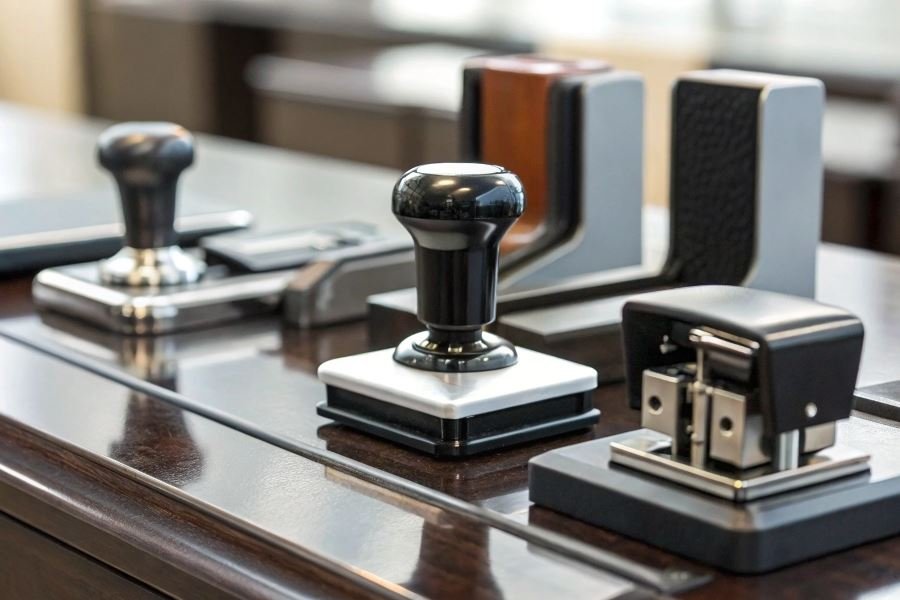
When businesses entrust their daily earnings to cash collection services, they’re not just handing over money – they’re transferring financial responsibility. At the heart of this transfer sits an unassuming yet critical tool: the sealing device. These specialized security mechanisms create tamper-evident closures for cash bags, deposit boxes, and transport containers, establishing accountability throughout the collection process.
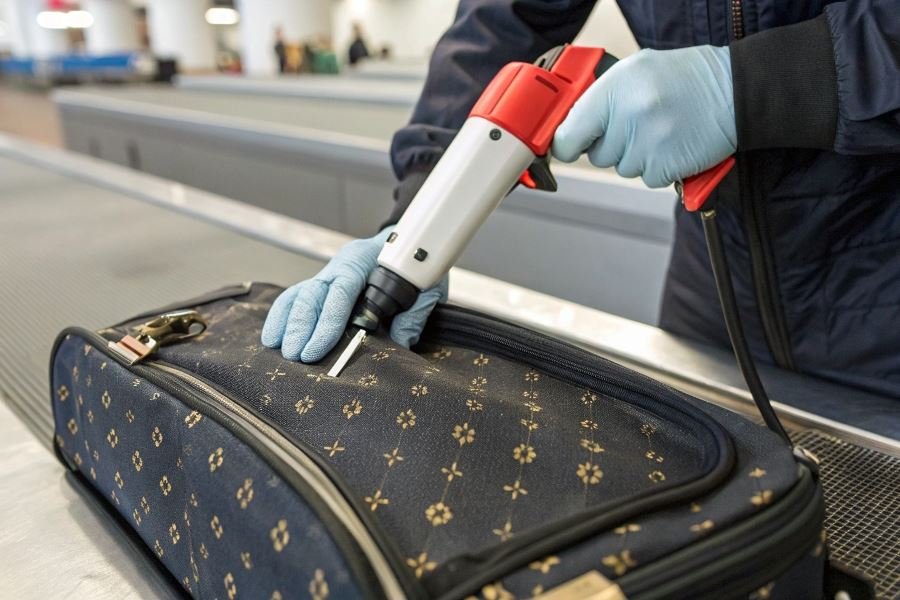
The stakes couldn’t be higher. Every unsealed access point represents potential vulnerability in the cash handling chain. A properly selected sealing device creates an unbroken chain of custody, instantly revealing any unauthorized access attempts through visible damage patterns, unique identification numbers, or digital alerts.
The security trifecta
Effective cash collection security balances three essential elements:
- Physical integrity – The seal must resist tampering attempts while maintaining operational efficiency
- Traceability – Each seal should carry unique identifiers allowing complete chain-of-custody documentation
- Verification simplicity – Security personnel need clear, unmistakable indicators of tampering
The right sealing solution doesn’t just protect assets – it streamlines operations, reduces liability concerns, and builds trust between businesses and their cash management partners. As cash handling technologies evolve, sealing devices have transformed from simple metal clasps to sophisticated systems incorporating barcodes, RFID tracking, and even blockchain verification.
Selecting the appropriate sealing mechanism requires understanding both security requirements and operational realities – a balance we’ll explore in depth.
Security Features That Make or Break Cash Collection Seals
The world of cash handling demands ironclad security. When evaluating how to choose a sealing device for cash collection: main criteria, security features stand as the non-negotiable foundation that separates professional-grade solutions from inadequate alternatives. Let’s dive into the critical security elements that protect your assets from the moment they’re sealed until they reach their destination.
Tamper-Evidence: The First Line of Defense
Tamper-evident mechanisms represent the cornerstone of effective cash collection seals. These ingenious systems provide immediate visual confirmation if someone has attempted unauthorized access.
One-way locking mechanisms dominate the market, featuring internal teeth or ratchets that allow the seal to close but never reopen without visible damage. The most advanced models employ:
- Color-changing materials that react to tampering attempts
- Brittle polymers that fracture rather than bend when forced
- Chemical indicators that reveal exposure to solvents or adhesives
The effectiveness of these systems lies not just in preventing theft, but in creating undeniable evidence that tampering occurred.
A recent innovation from TydenBrooks incorporates micro-perforations that create a distinctive tear pattern impossible to replicate, elevating tamper-evidence to forensic-level security.
Identification Systems: Tracking Every Movement
Modern sealing devices employ sophisticated identification systems that create an unbroken chain of custody documentation.
| ID System Type | Security Level | Tracking Capability |
|---|---|---|
| Sequential Numbering | Basic | Manual logging |
| Barcodes | Intermediate | Digital scanning |
| QR Codes | Advanced | Smartphone accessible |
| RFID | Premium | Automated tracking |
The most robust systems combine multiple identification methods. For instance, American Casting & Manufacturing produces seals with both human-readable serial numbers and embedded RFID chips, creating redundancy that frustrates counterfeiters.
Unique identifiers must be:
- Non-repeating within a minimum 5-year cycle
- Permanently embedded or printed
- Resistant to environmental degradation
- Scannable in low-light conditions
Material Science: The Unsung Hero
The physical composition of sealing devices determines their resistance to tampering attempts. This aspect of security engineering has seen remarkable advancement.
High-security polycarbonate blends now incorporate:
- Stress-whitening polymers that reveal stretching or bending
- UV-reactive compounds for authenticity verification
- Temperature-sensitive indicators that reveal heat-based tampering
Metal seals from manufacturers like Leghorn Group utilize proprietary alloys that resist cutting tools while maintaining the flexibility needed for application.
The most sophisticated materials combine seemingly contradictory properties: flexibility during application but brittleness when tampered with.
For extreme security applications, composite materials layer different properties – a soft inner core that preserves evidence of tampering surrounded by a hardened exterior that resists tools. This approach creates what security experts call “defense in depth” – multiple barriers that must be overcome simultaneously.
When selecting a sealing device, remember that security features work as an integrated system rather than isolated elements. The most effective solutions harmonize tamper-evidence, identification, and material science into a unified security ecosystem that protects your assets throughout the entire collection process.
Operational Excellence in Cash Collection Security
Seamless System Integration
The most sophisticated sealing device becomes worthless if it doesn’t play nicely with your existing cash management infrastructure. Compatibility isn’t just a checkbox—it’s the foundation of operational efficiency.
When evaluating sealing solutions, examine how they interface with your current cash handling processes. Does the seal work with your deposit bags? Will it integrate with your tracking software? The best sealing devices don’t force you to overhaul your entire system.
Case in point: Financial institutions using Tamper-Evident Systems report 37% faster processing times when their seals seamlessly connect with their tracking software through barcode or RFID technology. This integration creates an unbroken chain of custody documentation that reduces reconciliation headaches.
The difference between compatible and incompatible systems often manifests in minutes lost per transaction—which compounds dramatically across thousands of collections.
Authorized Access Simplified
The paradox of security devices: they must be simultaneously impossible for unauthorized personnel to tamper with, yet straightforward for authorized staff to apply and remove correctly.
The best sealing solutions strike this balance through:
- Intuitive design requiring minimal training
- Clear visual indicators of proper application
- Ergonomic features reducing repetitive strain
- Fool-proof removal mechanisms that prevent accidental damage to contents
A major retail chain switched to TripLock Security Seals and reduced their training time by 68% while improving proper application rates to 99.7%. Their loss prevention manager noted: “When application is intuitive, compliance skyrockets.”
The true measure of a sealing device’s usability isn’t how it performs in the laboratory, but how it functions at 2 AM when staff are tired and under pressure to complete collections quickly.
Financial Intelligence in Seal Selection
The sticker price of sealing devices tells only a fraction of the story. Smart organizations evaluate total cost of ownership across the entire lifecycle:
| Cost Factor | Budget Option | Premium Solution |
|---|---|---|
| Unit Price | $0.15-0.30 | $0.40-0.75 |
| Training Hours | 4-6 hours | 1-2 hours |
| Error Rate | 3-5% | <1% |
| Replacement Costs | Higher | Lower |
| Processing Time | Longer | Shorter |
| Breach Investigation | More frequent | Rare |
Organizations frequently discover that investing in higher-quality sealing solutions from manufacturers like American Casting & Manufacturing delivers substantial ROI through reduced labor costs and minimized loss events.
The hidden multiplier: Every minute saved in processing multiplied by thousands of transactions annually can justify premium solutions that initially appear more expensive.
Smart procurement isn’t about finding the cheapest seal—it’s about identifying the solution that delivers maximum security with minimum operational friction.
When evaluating long-term value, consider how the sealing solution adapts to evolving threats. The security landscape changes constantly, and today’s adequate solution may become tomorrow’s vulnerability. The most cost-effective sealing devices offer upgrade paths or modular designs that can evolve without requiring complete system replacement.
Discover the critical security features for selecting optimal cash collection sealing devices. Learn about tamper-evident mechanisms, unique identification systems, and operational considerations to protect your valuable assets.
Discover the critical security features for selecting optimal cash collection sealing devices. Learn about tamper-evident mechanisms, unique identification systems, and operational considerations to protect your valuable assets.