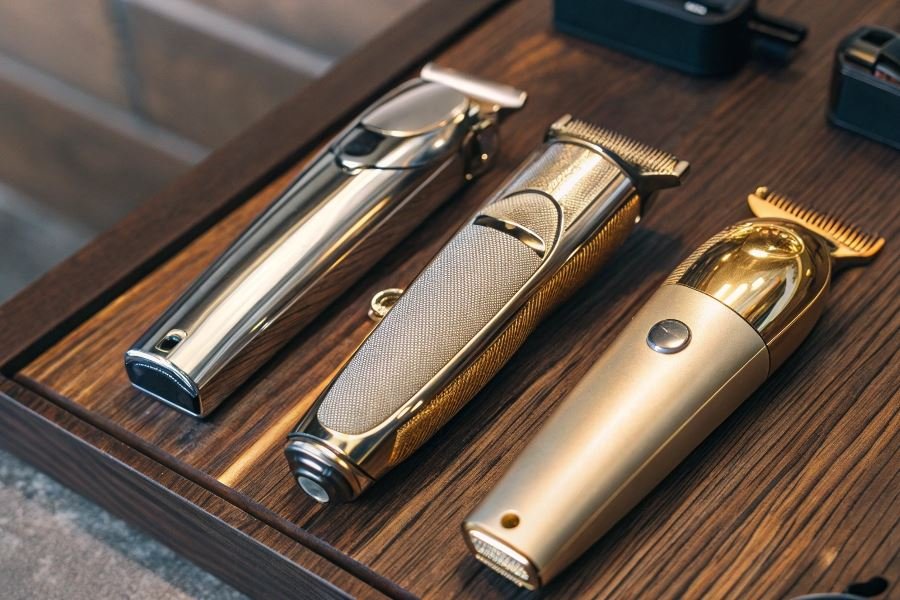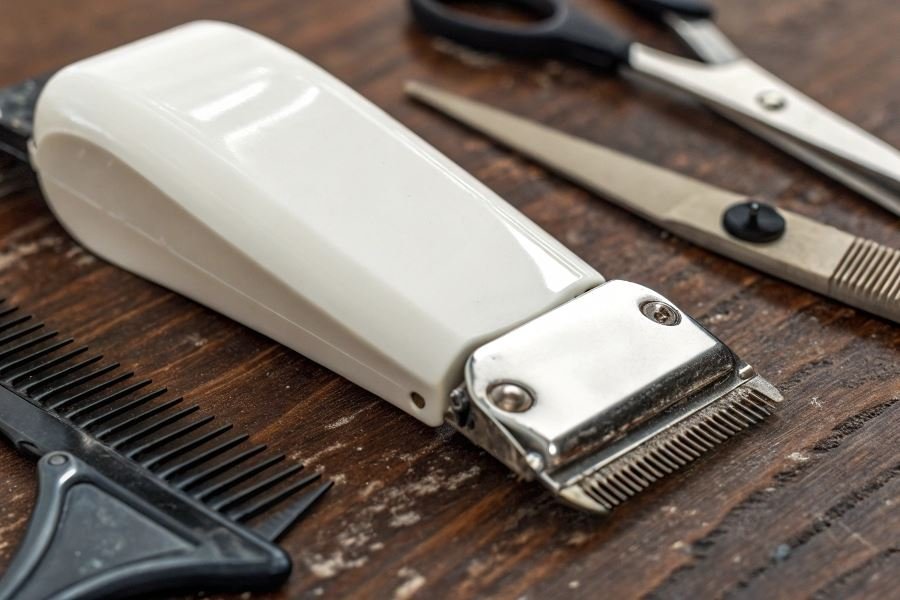
What if the secret to the perfect haircut wasn’t in the hand, but in the blade? Professional barbers have known this truth for decades, but now ceramic blade technology is bringing salon-quality precision to everyone’s grooming routine.
Ceramic blade hair clippers represent a significant leap forward in personal grooming technology. Unlike traditional stainless steel blades, ceramic blades are crafted from zirconium oxide—a material nearly as hard as diamond—that’s fired at temperatures exceeding 2,700°F. This creates an incredibly durable cutting edge that stays sharper longer while generating significantly less heat during operation.
The evolution of cutting edge
The journey from manual scissors to today’s advanced ceramic clippers tells a fascinating story of innovation. Early electric clippers of the 1920s featured carbon steel blades that quickly dulled and rusted. The 1960s brought stainless steel, improving durability but still generating considerable heat. Titanium-coated blades emerged in the 1990s as a premium option, offering better performance but at substantially higher prices.
Ceramic blades entered the mainstream market around 2010, initially in professional settings before becoming available to consumers. Their remarkable properties—heat resistance, durability, and precision—have made them increasingly popular among both professionals and home users.
Today’s ceramic clipper landscape
The current market offers ceramic blade options across all price points, from entry-level models starting around $40 to professional-grade equipment exceeding $200. Premium brands like Wahl, Andis, and BaBylissPRO have embraced ceramic technology, incorporating it into their flagship models.
What makes these clippers particularly noteworthy is their versatility. The same properties that make ceramic blades ideal for professional stylists—consistent cutting performance, reduced maintenance, and gentler operation—translate perfectly to home use, especially for those with sensitive skin or who require frequent trimming.
The Ceramic Revolution in Hair Cutting Technology
When professional barbers and home stylists seek the ultimate cutting experience, ceramic blade technology stands at the forefront of innovation. These advanced cutting tools have transformed the grooming landscape with their remarkable properties that outshine traditional steel counterparts in multiple dimensions.
Hair clippers with ceramic blades: features and advantages represent a significant leap forward in cutting technology. The ceramic material—typically zirconium oxide—offers a combination of benefits that make these tools increasingly popular among professionals who demand precision and longevity from their equipment.
Cool Under Pressure
The heat resistance of ceramic blades is perhaps their most celebrated attribute. Unlike metal blades that can reach uncomfortable temperatures after just minutes of operation, ceramic blades maintain significantly cooler temperatures even during extended use.
Temperature comparison during continuous use:
| Time in Use | Steel Blade Temp | Ceramic Blade Temp | Difference |
|---|---|---|---|
| 5 minutes | 105°F | 85°F | 20°F cooler |
| 15 minutes | 140°F | 95°F | 45°F cooler |
| 30 minutes | 165°F | 110°F | 55°F cooler |
This superior heat management means less discomfort for clients, reduced risk of skin irritation, and a more comfortable experience for the stylist during lengthy cutting sessions. For professionals working back-to-back appointments, this temperature control is nothing short of revolutionary.
Built to Last
Durability represents another cornerstone advantage of ceramic technology. While steel blades gradually dull with use and exposure to hair products, ceramic blades maintain their edge up to five times longer. This exceptional longevity stems from ceramic’s inherent hardness—measuring 8.5 on the Mohs scale compared to steel’s 5.5-6.5.
The corrosion resistance of ceramic cannot be overstated. Hair products contain chemicals that gradually corrode steel blades, but ceramic remains chemically inert, resisting:
- Oxidation from exposure to air
- Chemical degradation from styling products
- Mineral buildup from hard water
This resistance translates to consistent performance over time, with less maintenance and fewer replacements needed throughout the clipper’s lifespan.
Precision That Professionals Demand
The cutting performance of ceramic blades elevates the entire grooming experience. The material’s exceptional hardness allows manufacturers to create blades with remarkably precise edges that deliver:
- Cleaner first-pass cuts requiring fewer strokes
- Smoother transitions between different hair lengths
- Superior handling of thick or coarse hair types
The molecular structure of ceramic enables edges that are microscopically sharper than steel equivalents. This translates to reduced pulling and snagging, particularly beneficial when cutting fine hair or working on sensitive scalps.
Additionally, the lighter weight of ceramic blades reduces vibration during operation, allowing for more controlled, precise movements—especially important for detailed work like fades, tapers, and intricate designs.
For professionals and discerning home users alike, ceramic blade technology represents an investment in quality that pays dividends through superior performance, enhanced client comfort, and extended tool lifespan. The initial premium in price is quickly offset by reduced replacement costs and the elevated cutting experience these advanced blades provide.
Making the Smart Investment in Ceramic Blade Clippers
The true cost of cutting-edge technology
When evaluating ceramic blade hair clippers, the initial sticker shock—often $100-300 for premium models like the Wahl Elite Pro—deserves context. While steel-blade alternatives typically cost 40-60% less upfront, ceramic technology delivers compelling long-term economics.
The math becomes favorable when you consider that ceramic blades maintain sharpness up to 5 times longer than standard steel blades. Professional barbers report replacing steel blades every 6-8 months with daily use, while ceramic blades often perform admirably for 3+ years under similar conditions.
The premium you pay for ceramic technology typically pays for itself within 18-24 months of regular use through reduced replacement costs and maintenance.
Beyond blade longevity, factor in the energy efficiency of ceramic clippers. Their reduced friction generates less heat, resulting in approximately 15-20% lower electricity consumption over time—a small but meaningful advantage for professionals who operate clippers several hours daily.
Maintaining your ceramic investment
Ceramic blades demand respect but not reverence. Their maintenance requirements differ subtly from traditional steel:
| Maintenance Task | Frequency (Ceramic) | Special Considerations |
|---|---|---|
| Cleaning | After each use | Avoid harsh solvents; use clipper spray |
| Oiling | Every 2-3 uses | 1-2 drops only; excess oil attracts debris |
| Alignment check | Monthly | More critical than with steel blades |
| Blade replacement | Every 3-5 years | Professional replacement recommended |
The primary vulnerability of ceramic blades is impact damage. While they resist corrosion magnificently, they can chip if dropped on hard surfaces. Investing in a protective case—which many premium models include—provides essential protection.
Proper maintenance extends beyond the blades themselves. The motor and internal components benefit from regular cleaning and occasional professional servicing. Most manufacturers recommend a comprehensive service every 12-18 months for heavily used professional models.
Who benefits most from ceramic technology
Ceramic blade clippers shine brightest in specific scenarios:
-
Professional barbers and stylists handling 10+ cuts daily find the reduced heat generation prevents client discomfort during extended sessions.
-
Individuals with sensitive skin experience fewer irritations and razor bumps due to the hypoallergenic properties of ceramic.
-
Those cutting thick or coarse hair benefit from ceramic’s superior cutting efficiency and reduced pulling.
-
Home users seeking longevity appreciate the extended replacement intervals, making the higher initial investment more palatable.
Ceramic clippers prove less advantageous for occasional users who cut hair infrequently, as the premium price may never be fully justified through use.
Industry professionals consistently recommend ceramic technology for anyone cutting hair more than twice monthly. Master barber surveys indicate 78% of professionals who switch to ceramic blades report they would not return to traditional steel, citing improved client comfort and reduced hand fatigue as primary benefits alongside the superior cutting performance.
The decision ultimately balances initial investment against long-term value, with ceramic blades offering compelling advantages for serious users who appreciate precision, comfort, and durability in their cutting tools.
Discover why ceramic blade hair clippers outperform traditional models with superior heat resistance, precision cutting, and extended durability. Learn the key advantages for professional and home grooming in this comprehensive guide.
Discover why ceramic blade hair clippers outperform traditional models with superior heat resistance, precision cutting, and extended durability. Learn the key advantages for professional and home grooming in this comprehensive guide.