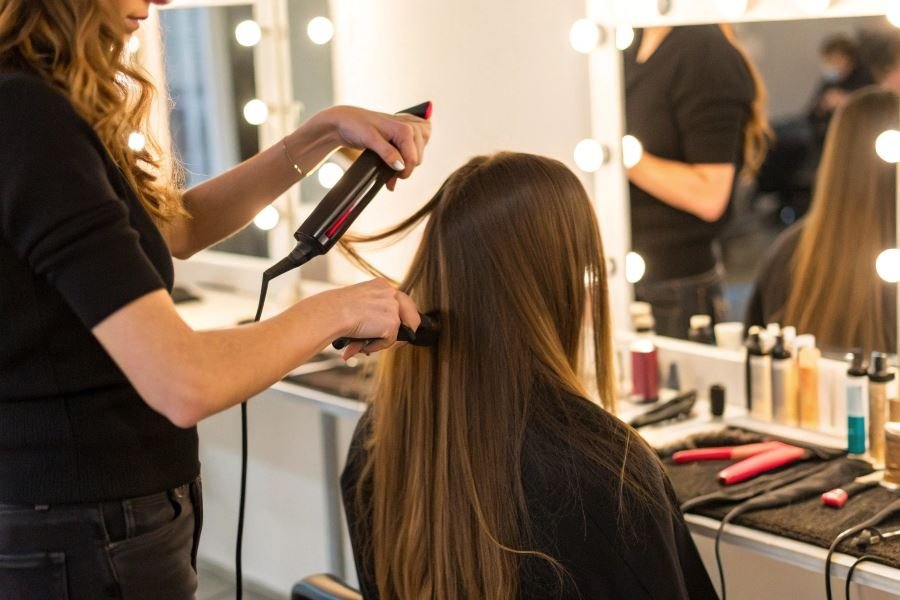
Ever wondered why some people achieve salon-quality straightening at home while others battle frizz and damage? The secret isn’t just technique—it’s the tool in your hand. Choosing the right hair straightener can mean the difference between silky, healthy locks and a styling disaster.
Hair straighteners have evolved dramatically since their commercial introduction in the 1990s. Today’s market offers sophisticated technology that can transform even the most unruly hair while minimizing damage—if you know what to look for.
The technology behind the smooth: Understanding how hair straighteners work is your first step toward making an informed choice. Modern straighteners use various plate materials—ceramic, tourmaline, titanium—each interacting differently with your hair structure. The heating elements and temperature control systems determine not just effectiveness but also how safely your hair is treated during styling.
Your hair’s health is non-negotiable. The right straightener doesn’t just style—it protects. Heat distribution, adjustable temperature settings, and plate quality all contribute to maintaining your hair’s integrity while achieving the look you want.
When evaluating hair straighteners, focus on these three critical areas:
- Plate material and technology – Determines heat distribution and hair interaction
- Temperature control capabilities – Protects different hair types from excessive heat
- Design features and usability – Affects your styling experience and results
Understanding these fundamentals transforms you from a passive consumer into an informed buyer who can select a tool that delivers both style and hair health.
The Technical Backbone of Superior Hair Straighteners
When investing in a hair straightener, the difference between a good hair day and potential damage lies in the technical specifications. The market offers countless options, but understanding the essential criteria for selecting hair straighteners can transform your styling experience while preserving hair health.
Plate Materials: The Foundation of Performance
The material of your straightener’s plates fundamentally determines how it interacts with your hair. Each option presents distinct advantages:
Ceramic plates distribute heat evenly and generate negative ions that reduce frizz. They’re gentler on hair, making them ideal for fine, damaged, or color-treated strands. Pure ceramic plates offer superior performance compared to ceramic-coated alternatives, which may wear down over time.
Titanium plates heat up extraordinarily quickly and maintain consistent temperature. They’re exceptionally durable and lightweight, perfect for professional use and those with thick, coarse, or resistant hair types. However, the rapid heat transfer requires careful handling to prevent damage.
Tourmaline-infused options represent the premium tier in straightening technology. These plates contain crushed tourmaline crystals that produce an abundance of negative ions—up to six times more than ceramic alone—resulting in smoother styling with less heat exposure.
| Plate Material | Best For | Heat Transfer | Price Range |
|---|---|---|---|
| Ceramic | Fine/damaged hair | Moderate, even | $30-100 |
| Titanium | Thick/coarse hair | Fast, intense | $80-200 |
| Tourmaline | All hair types | Gentle, ion-rich | $100-250 |
Temperature Control: Precision Matters
The ability to adjust temperature settings is non-negotiable when evaluating how to choose hair straighteners. Main criteria include:
Digital temperature displays offer precision control, allowing you to select the exact heat level your hair requires. Fine or damaged hair typically needs only 250-300°F, while thick or coarse textures might require 350-400°F.
Multiple heat settings provide versatility for different styling needs and hair conditions. Premium models offer 5+ temperature options, while basic units might have just 3 settings.
Heat-up time varies dramatically between models—from 15 seconds to several minutes. Faster isn’t always better; what matters is temperature stability once reached.
Automatic shut-off features provide essential safety, typically powering down the device after 30-60 minutes of inactivity.
Ergonomics: The Overlooked Essential
The physical design of your straightener significantly impacts your styling experience:
Plate width determines versatility and precision. Standard 1-inch plates work well for most styles, while:
- Narrow plates (½-¾ inch): Ideal for short hair, bangs, and precise styling
- Wide plates (1½-2 inch): Better for long, thick hair and faster styling
Weight balance affects arm fatigue during extended styling sessions. Professional models typically weigh 10-16 ounces, balancing durability with comfort.
Cord length and swivel capability might seem minor until you’re contorting yourself to reach the back of your head. A 9-foot swivel cord provides optimal freedom of movement.
Handle design impacts grip comfort and control. Look for non-slip materials, ergonomic contours, and heat-resistant exteriors that prevent accidental burns.
The technical specifications of hair straighteners aren’t just marketing jargon—they’re practical features that determine whether your investment will deliver years of excellent results or months of frustration. By prioritizing plate material appropriate for your hair type, precise temperature control, and ergonomic design, you’ll select a tool that not only styles effectively but also minimizes potential damage.
Advanced Features That Transform Hair Straightening
Safety First: Protection Beyond the Basics
Modern hair straighteners have evolved far beyond simple heated plates. Auto shut-off functionality has become the gold standard in safety features, with premium models powering down after 30-60 minutes of inactivity. This isn’t just convenient—it’s potentially home-saving. According to fire safety statistics, heat styling tools left on accidentally contribute to thousands of household fires annually.
Heat-resistant components have similarly transformed the user experience. The ghd Platinum+ incorporates cool-touch tips and heat-resistant carrying cases, while the Dyson Corrale features a heat shield that reduces external temperature by up to 35% compared to traditional models.
The difference between budget and premium safety features isn’t just peace of mind—it’s measurable protection for both your hair and home.
Many high-performance straighteners now include digital temperature displays accurate to within 1-2 degrees, allowing precise heat control that protects hair integrity while ensuring effective styling.
Technology That Transforms Your Hair
The integration of steam technology represents one of the most significant advancements in hair straightening. Unlike conventional dry heat, steam-infused straighteners like the L’Oréal SteamPod deliver moisture while straightening, resulting in up to 50% less damage compared to traditional methods.
Ionic conditioning technology has similarly revolutionized the straightening process:
| Technology | Benefit | Result |
|---|---|---|
| Negative ion emission | Neutralizes positive ions in hair | Reduces frizz by up to 75% |
| Infrared heat | Heats hair from inside out | More even styling, less surface damage |
| Tourmaline plates | Generate negative ions when heated | Smoother finish with fewer passes |
The BaBylissPRO Nano Titanium combines ionic technology with titanium plates to deliver exceptional heat distribution and negative ion saturation, while ceramic-tourmaline hybrids offer gentler styling for damaged or fine hair.
Investment vs. Value: Making Smart Choices
The straightener market spans from $20 budget options to $500+ professional-grade tools. This price spectrum reflects genuine differences in performance, durability, and hair protection.
Entry-level straighteners (20−60) typically feature basic ceramic plates and limited temperature control. While functional, they often distribute heat unevenly and may cause more damage over time.
Mid-range models (60−150) incorporate better materials like ceramic-tourmaline composites and offer more precise temperature regulation. The CHI Original Ceramic Iron exemplifies this category, delivering professional results at accessible pricing.
Premium straighteners (150−500+) represent significant technological advancement. The Cloud Nine Original Iron features mineral-infused plates that seal the hair cuticle, while the Dyson Corrale’s flexing plate technology reduces tension and breakage by 50%.
When evaluating cost against quality, consider longevity: premium straighteners typically last 7-10 years versus 1-3 years for budget models, effectively reducing the annual cost of ownership despite higher initial investment.
The relationship between price and performance isn’t linear—the sweet spot for most users lies in the 100−200 range, where meaningful technology improvements meet reasonable investment expectations.
Discover the essential criteria for selecting the perfect hair straightener in 2025. Learn about plate materials, temperature controls, and advanced features that protect your hair while delivering salon-quality results for all hair types.
Discover the essential criteria for selecting the perfect hair straightener in 2025. Learn about plate materials, temperature controls, and advanced features that protect your hair while delivering salon-quality results for all hair types.