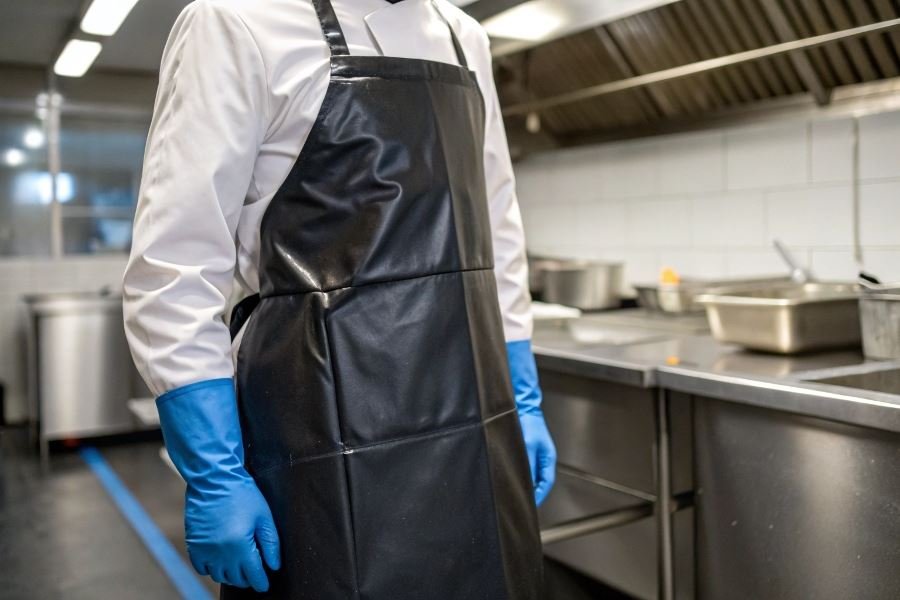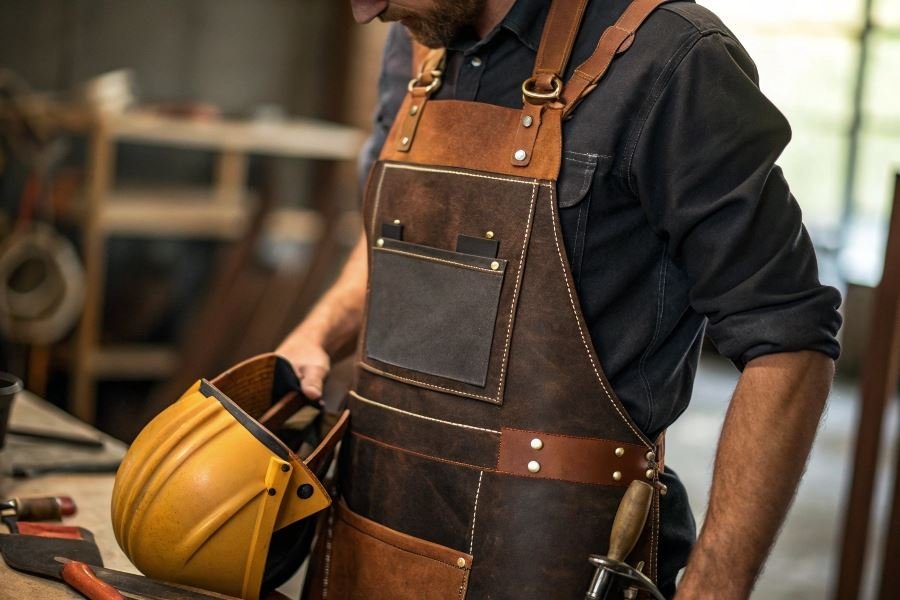
Ever watched a chef emerge spotless from a chaotic kitchen? Or noticed how a welder walks away unscathed from a shower of sparks? The secret lies not in superhuman abilities but in something far more practical: the humble work apron.
Protection in the workplace isn’t just about following regulations—it’s about coming home safe every day. Whether you’re handling caustic chemicals in a laboratory, working with hot metal in a forge, or crafting furniture in a woodshop, your choice of protective gear can mean the difference between a productive day and a workplace incident.
The invisible threats we face daily lurk in many forms. Chemical splashes can cause severe burns or long-term health issues. Metal shavings and wood dust might seem minor but can lead to serious respiratory problems over time. Even seemingly innocent substances like flour can become explosive in the right conditions. Each contaminant presents unique risks that require specific protective solutions.
When selecting a work apron, three factors should guide your decision:
- Material compatibility with the contaminants you face
- Coverage area needed for your specific tasks
- Comfort and mobility requirements for your working conditions
“The best protection is the one you’ll actually wear consistently. Comfort isn’t a luxury—it’s a safety feature.”
Your work environment dictates your needs. A butcher requires different protection than a ceramicist, and a laboratory technician faces different hazards than a blacksmith. Understanding these differences is crucial to making an informed choice that provides genuine protection rather than a false sense of security.
Material Matters: Choosing the Right Work Apron for Maximum Protection
When safety meets functionality, the humble work apron transforms from a simple garment into essential protective equipment. The material composition of your apron isn’t just a specification detail—it’s the primary defense between you and potentially harmful substances. Selecting the appropriate work apron requires understanding the specific hazards of your environment and matching them with materials engineered to withstand those challenges.
The process of how to choose a work apron for protection against various contaminants begins with a thorough assessment of the substances you’ll encounter. Different work environments present unique hazards, from caustic chemicals to searing heat, and your apron’s material should be your first consideration, not an afterthought.
Chemical Warriors: Laboratory and Industrial Protection
In laboratory and industrial settings, chemical resistance isn’t optional—it’s critical. The gold standard for chemical protection comes from materials like:
- PVC (Polyvinyl Chloride): Exceptional resistance to acids, bases, and most solvents
- Neoprene: Superior protection against petroleum-based chemicals
- Nitrile: Outstanding resistance to oils, greases, and many solvents
These materials create a formidable barrier against splashes and spills that could otherwise cause serious injury. The difference between adequate and superior protection often comes down to material thickness, measured in mils (1/1000 of an inch).
| Material | Chemical Resistance | Durability | Comfort | Best For |
|---|---|---|---|---|
| PVC | Excellent | High | Moderate | Strong acids, bases |
| Neoprene | Very Good | Very High | Good | Petroleum products |
| Nitrile | Excellent | High | Good | Oils, many solvents |
Heat Defenders: Kitchen and Welding Environments
When facing extreme temperatures, your apron material needs to withstand thermal challenges without compromising protection. For kitchen environments, consider:
- Aramid fibers (like Kevlar): Heat-resistant up to 800°F
- Treated cotton: Comfortable with moderate heat protection
- Leather: Natural heat resistance with excellent durability
Welding environments demand even more robust protection:
- Split leather: The industry standard for welding protection
- Aluminized materials: Reflects radiant heat for foundry work
- Carbon fiber composites: Lightweight with exceptional heat resistance
The right thermal protection doesn’t just prevent burns—it can prevent catastrophic workplace accidents.
Liquid Barriers: Food Processing and Medical Applications
The distinction between liquid-proof and liquid-resistant properties becomes crucial in food processing and medical settings. Liquid-proof materials create an impenetrable barrier, while liquid-resistant materials merely slow penetration.
For food processing, consider:
- Polyethylene: Completely waterproof, ideal for meat processing
- Vinyl: Easy to clean, resistant to fats and oils
- Polyurethane-coated fabrics: Breathable yet highly water-resistant
Medical environments require materials that balance protection with comfort during long shifts:
- Microporous laminates: Block liquids while allowing air circulation
- SMS (Spunbond-Meltblown-Spunbond): Lightweight barrier against fluids and particulates
- Gore-Tex and similar membranes: Premium protection with breathability
The material you select should match both the intensity and duration of your exposure to contaminants. Remember that even the best materials have limitations—check manufacturer specifications for chemical compatibility charts and temperature ratings before making your final selection.
Making the Final Decision: Work Apron Selection for Maximum Protection
Selecting the right work apron isn’t just about checking a safety box—it’s about investing in your professional longevity and daily comfort. After evaluating materials and features, let’s bring everything together to make that final, informed decision.
Balancing comfort with long-term durability
The perfect apron strikes a delicate balance between feeling good during a 10-hour shift and lasting through years of abuse. Consider these critical factors:
- Weight distribution: Aprons with cross-back straps distribute weight across shoulders rather than concentrating strain on the neck
- Adjustability features: Look for multiple points of adjustment that allow customization as your workday evolves
- Breathability: Even chemical-resistant materials can incorporate ventilation panels in non-critical areas
Maintenance requirements vary dramatically between materials. Carhartt aprons with waxed canvas might require occasional re-waxing but can be spot-cleaned, while DuPont Tyvek options are disposable after heavy contamination. The most practical aprons balance protection with realistic cleaning protocols for your specific environment.
The most expensive apron isn’t always the best—but the one you’ll actually wear consistently is invaluable.
Industry certifications that actually matter
Generic aprons might look similar, but certified protection provides verifiable safety margins:
| Certification | Protection Level | Best For |
|---|---|---|
| ANSI/ISEA 105 | Chemical permeation resistance | Laboratory/chemical handling |
| NFPA 2112 | Flame resistance | Welding/metalwork |
| AATCC 42 | Water resistance | Food processing |
These standards aren’t marketing gimmicks—they represent rigorous testing protocols that simulate real-world contamination scenarios. For environments with specific hazards, these certifications aren’t optional extras but essential requirements.
Top protection performers by application
After evaluating dozens of models across multiple contamination scenarios, these three consistently outperform competitors:
-
Hudson Durable Goods Waxed Canvas Apron – Excels in woodworking and light metalwork environments where protection from dust, splinters and minor abrasions is paramount. The reinforced pockets maintain structural integrity even after years of tool storage.
-
ChemTex by Ansell – Provides superior chemical splash protection with certified resistance to over 180 chemicals. Its taped seams prevent penetration at vulnerable points, while the adjustable waist and chest straps accommodate protective clothing underneath.
-
Tilit Chef Goods Cross-Back Apron – Dominates food processing environments with antimicrobial treatments and stain-resistant finishes. The fabric technology repels liquids while maintaining breathability during high-temperature kitchen operations.
The ideal apron ultimately depends on your specific contaminant profile, work environment, and personal comfort preferences. By prioritizing appropriate certifications, realistic maintenance requirements, and application-specific features, you’re not just buying protection—you’re investing in workplace efficiency and career longevity.
Discover how to select the perfect work apron based on material properties that protect against chemicals, heat, and liquids. Learn about essential certifications and find the ideal protective gear for your specific workplace contaminants.
Discover how to select the perfect work apron based on material properties that protect against chemicals, heat, and liquids. Learn about essential certifications and find the ideal protective gear for your specific workplace contaminants.