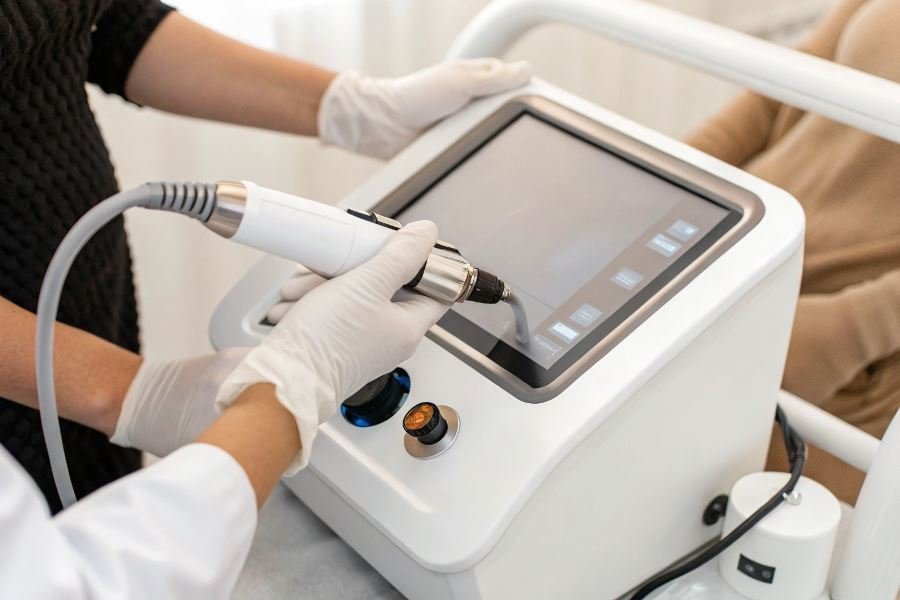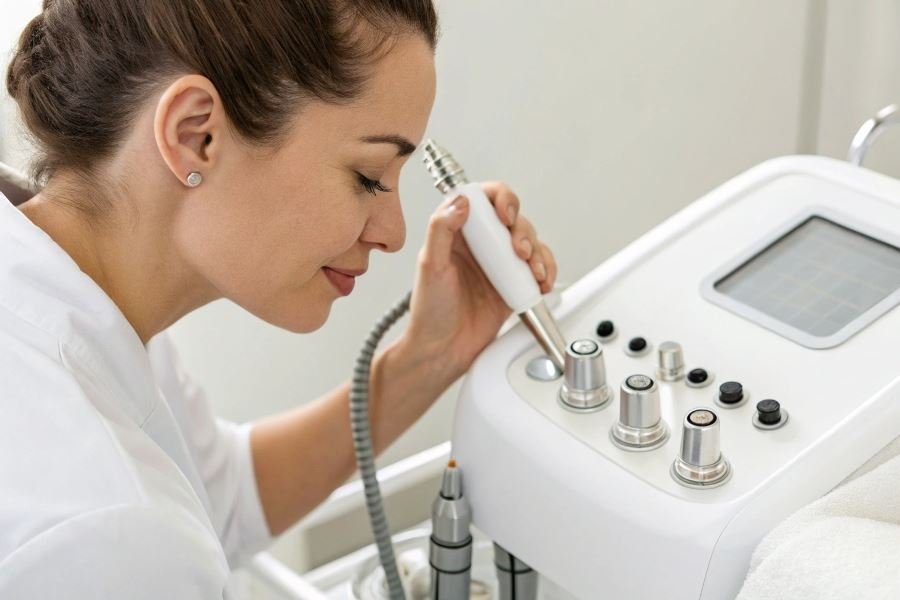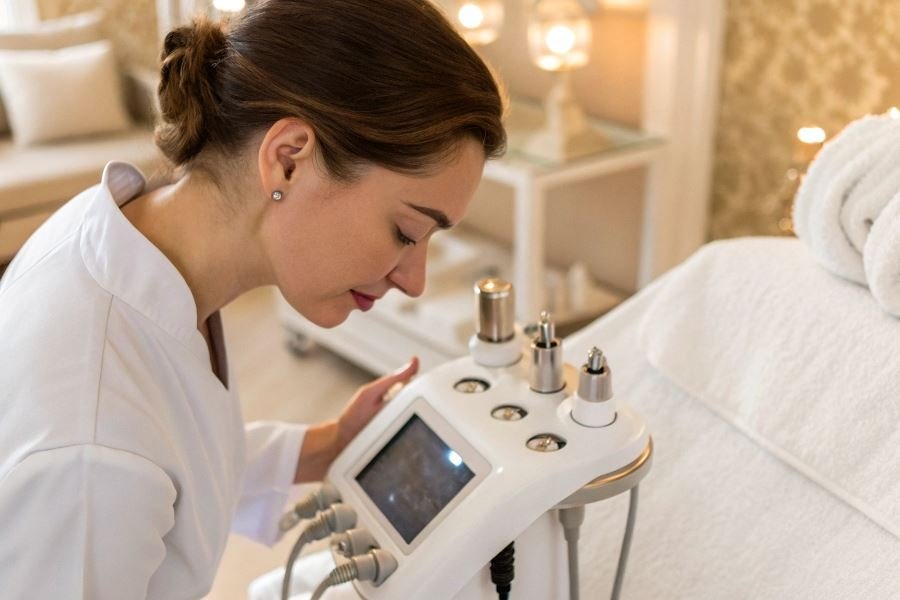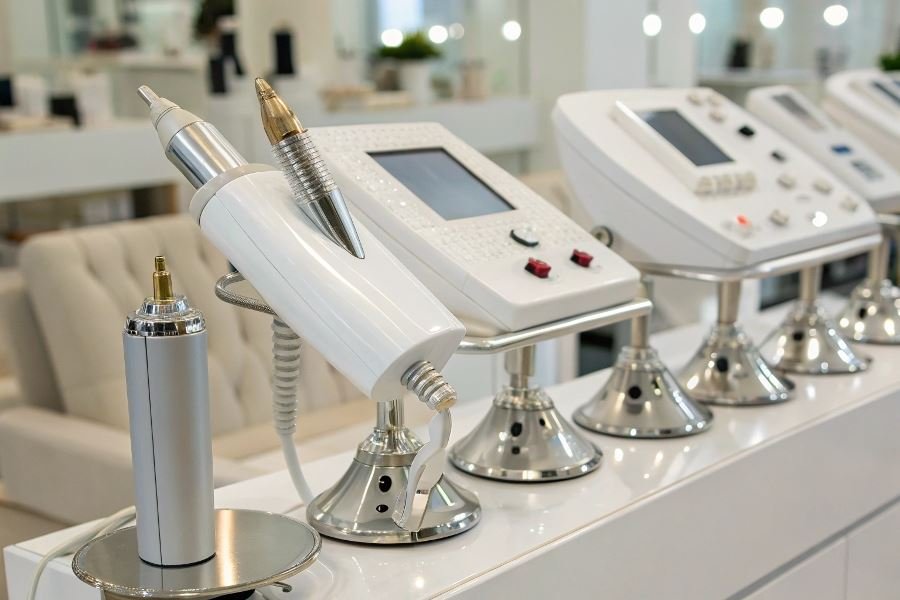
What if you could bring the power of a professional spa into your home for a fraction of the cost? This isn’t science fiction—it’s the reality of today’s multifunctional cosmetology devices market.
The landscape of beauty technology has undergone a remarkable transformation since the first single-function skin devices emerged in the 1980s. What began as simple galvanic current machines has evolved into sophisticated all-in-one systems that combine multiple technologies—from radiofrequency and ultrasound to LED therapy and microcurrent stimulation—all housed in sleek, user-friendly designs.
“The difference between professional-grade and consumer devices isn’t just price—it’s about understanding what technologies actually deliver results versus those that merely feel nice.” — Dr. Elizabeth Tanzi, Dermatologist
Modern multifunctional devices now incorporate technologies previously available only in clinical settings. The most advanced systems feature customizable treatment protocols, smartphone connectivity, and even AI-driven skin analysis. These innovations allow users to address multiple concerns simultaneously, from wrinkle reduction to acne treatment.
The technology behind the transformation
Today’s leading devices typically combine several core technologies:
| Technology | Primary benefit | Typical price impact |
|---|---|---|
| Radiofrequency | Collagen stimulation | +$150-300 |
| LED therapy | Targeted skin concerns | +$100-200 |
| Microcurrent | Muscle toning | +$100-250 |
| Ultrasound | Deep product penetration | +$200-400 |
When evaluating these investments, understanding the relationship between price and quality becomes crucial. A higher price tag doesn’t automatically guarantee superior results—some mid-range devices outperform premium options in specific treatment categories. The key lies in identifying which technologies address your specific skin concerns and determining whether professional-grade components justify the additional cost.
Finding Your Perfect Match: Cosmetology Devices Across Price Tiers
The landscape of at-home beauty technology has transformed dramatically over the past decade. What once required regular salon visits can now be accomplished in your living room, thanks to multifunctional cosmetology devices that combine various treatments in one sleek package. When evaluating these beauty tech marvels, a systematic comparison of multifunctional cosmetology devices by price and quality reveals distinct tiers with significant differences in capabilities, results, and long-term value.
Entry-Level Beauty Tech (200−500)
The gateway to at-home professional skincare starts with affordable multifunctional devices that deliver surprising value despite their modest price tags. Devices like the NuFACE Mini and Foreo Luna Play offer simplified versions of professional technologies.
What you get:
- Basic microcurrent, LED, or sonic cleansing technologies
- User-friendly interfaces with minimal learning curve
- Compact, travel-friendly designs
- 1-3 treatment modalities in a single device
Limitations to consider:
- Lower power outputs compared to professional versions
- Fewer customization options and intensity levels
- Typically target only one or two skin concerns
- Shorter device lifespan (2-3 years average)
Entry-level devices shine for beauty enthusiasts wanting to dip their toes into advanced skincare without significant investment. The Skin Gym Face Sculptor at approximately $395 exemplifies this category—delivering noticeable temporary lifting effects through basic microcurrent technology, though requiring consistent use for maintained results.
Mid-Range Marvels (500−1,500)
The sweet spot for serious skincare enthusiasts lies in this middle tier, where devices offer substantially more power and versatility without reaching professional price points.
Key advantages:
- Multiple treatment technologies in one device
- Customizable treatment parameters
- Stronger power outputs for more visible results
- Enhanced durability (3-5 year average lifespan)
- App connectivity and treatment tracking
The ZIIP Beauty Nano Current Device (495)and[TriPollarSTOPX](https : //tripollar.com)(649) represent this category well, combining radio frequency, microcurrent, and LED technologies with customizable treatment programs. These devices typically include more sophisticated sensors that adjust treatments based on your skin’s condition and resistance levels.
Value insight: Mid-range devices often deliver 70-80% of professional-grade results at roughly 30% of the cost, making them the optimal investment for most serious users.
A standout feature in this category is treatment versatility. The CurrentBody LED Mask ($699) offers clinically-proven wavelength combinations that target multiple skin concerns simultaneously—something entry-level devices simply cannot match.
Professional-Grade Powerhouses ($1,500+)
For those seeking clinic-level results at home, professional-grade devices represent significant investments with corresponding capabilities.
Premium features:
- Medical-grade components and FDA clearances
- Multiple advanced technologies in one system
- Clinic-level power outputs
- Comprehensive treatment protocols
- Extended warranties and professional support
- 5+ year expected lifespan
The NEWA (2, 500)and[CarolColeNuFACETrinityPro](https : //mynuface.com)(1,800) exemplify this tier, offering dermatologist-level technologies with results that can genuinely rival in-office treatments.
These devices typically feature proprietary technologies unavailable in lower tiers, such as the Lyma Laser ($2,499) with its medical-grade near-infrared technology that penetrates deeper than any consumer-level device.
The long-term value proposition becomes apparent when calculating cost-per-treatment over the device lifespan. A $2,000 device used weekly for five years costs approximately $7.70 per treatment—significantly less than comparable professional services at $150-300 per session.
When selecting your ideal device, consider not just the initial investment but the specific skin concerns you’re addressing, your commitment to consistent use, and the long-term value each tier provides. The perfect device balances your skincare goals with your budget reality.
Making the Smart Investment: Price-Quality Analysis for Cosmetology Devices
Premium Features That Justify Higher Prices
When evaluating multifunctional cosmetology devices, certain premium features genuinely warrant the higher price tag. FDA-cleared technology stands at the forefront of these considerations. Devices from brands like Nuface and ZIIP command premium prices because their microcurrent technologies have undergone rigorous testing for safety and efficacy.
Medical-grade components represent another feature worth the investment. The difference between consumer-grade and medical-grade materials isn’t just marketing—it’s measurable in durability and results. The Dermalinfusion system, for example, uses surgical-grade diamond tips that maintain effectiveness through thousands of treatments, unlike plastic alternatives that degrade quickly.
Advanced customization capabilities also justify premium pricing. Top-tier devices like the HydraFacial MD allow practitioners to adjust treatment parameters with precision, targeting specific skin concerns with customized serums and pressure settings—a feature absent in budget alternatives.
“The difference between good and exceptional equipment isn’t just in the immediate results, but in the consistency of those results over hundreds of treatments.”
Beyond the Purchase: Support Systems That Matter
The warranty structure can dramatically affect your long-term satisfaction and total ownership cost. Industry leaders typically offer:
| Warranty Type | Standard Coverage | Premium Coverage |
|---|---|---|
| Parts | 1-2 years | 3-5 years |
| Labor | 90 days | 1-2 years |
| Software updates | None | Lifetime |
Technical support accessibility varies tremendously across price points. Budget devices often limit support to email only, with response times exceeding 72 hours. Mid-range manufacturers like Venus Concept typically provide phone support during business hours, while premium brands offer 24/7 technical assistance and even remote diagnostics.
Maintenance requirements represent a hidden cost factor many buyers overlook. Premium devices from Lumenis and Sciton often feature self-calibrating systems and modular components that can be replaced individually rather than requiring complete system overhauls.
ROI Analysis: Making Numbers Work For You
The return on investment calculation extends beyond the initial purchase price. A comprehensive analysis should include:
-
Treatment revenue potential – Premium devices typically enable higher-priced services. The BTL Exilis Ultra allows practitioners to charge $300-500 per session compared to $150-250 for entry-level alternatives.
-
Consumable costs – Lower-priced devices often require proprietary consumables at marked-up prices. The Hydrafacial system’s consumables represent approximately 15-20% of treatment revenue, while some budget systems consume up to 40%.
-
Downtime expenses – Budget equipment experiences 3-4x more downtime than premium alternatives. Each day a device sits unused represents lost revenue of $500-2,000 depending on your practice volume.
For established practices, investing in premium equipment typically achieves ROI within 6-9 months versus 12-18 months for budget alternatives. However, new practitioners might benefit from starting with mid-range equipment like Pollogen systems, which balance quality with more manageable initial investment.
The most successful practitioners view their device purchases not as expenses but as infrastructure investments that generate compounding returns through enhanced client satisfaction, treatment efficacy, and operational efficiency.
Discover the best multifunctional cosmetology devices at every price point. Our comprehensive guide compares features, performance, and value across entry-level, mid-range, and professional equipment to help you make a smart investment in your beauty tech.
Discover the best multifunctional cosmetology devices at every price point. Our comprehensive guide compares features, performance, and value across entry-level, mid-range, and professional equipment to help you make a smart investment in your beauty tech.