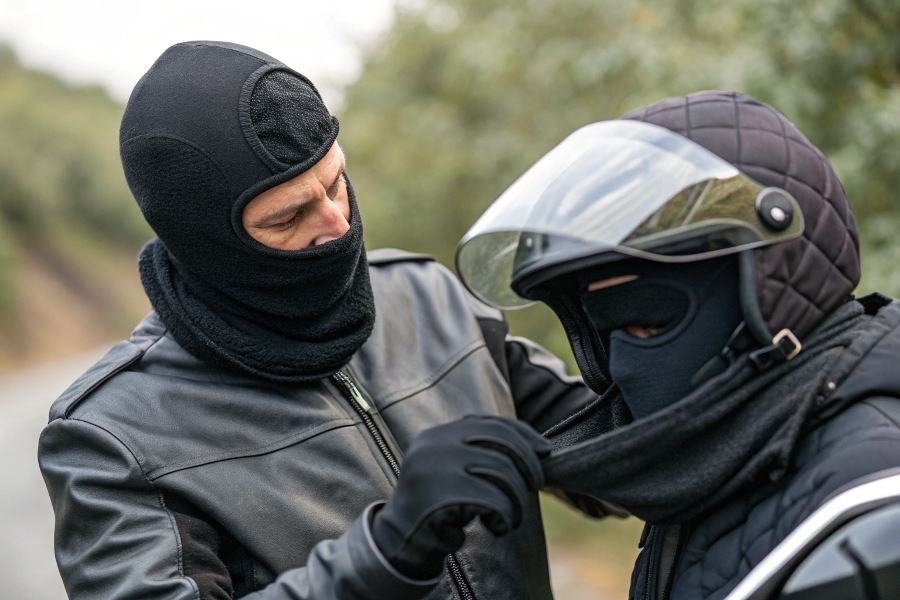
Ever wondered why some tactical operators look completely comfortable in full gear while others seem to be constantly adjusting their face coverings? The secret lies not in the helmet or the balaclava alone, but in how perfectly they work together.
When selecting a balaclava for your protective helmet, you’re not just choosing a piece of fabric – you’re selecting a critical component of your personal protection system. The right balaclava creates a seamless interface between your head and helmet, enhancing comfort during extended wear while maintaining crucial protective qualities.
Balaclavas aren’t created equal when it comes to helmet compatibility. The market offers specialized options ranging from ultra-thin tactical models designed for maximum helmet contact to thicker variants with strategic padding zones that prevent pressure points. Some feature anatomical cuts specifically engineered for helmet retention systems, while others incorporate breathable mesh panels positioned precisely where helmet vents align.
Three key considerations should guide your selection:
- Material composition – Look for moisture-wicking fabrics with stretch properties that maintain their shape under helmet pressure
- Seam placement – Poorly positioned seams can create painful pressure points during extended wear
- Functional features – Consider options with flame-resistant properties, integrated communications compatibility, or quick-drying capabilities
“The difference between a properly fitted helmet-balaclava system and an improper one becomes painfully apparent after hour three of wear.” – Tactical Equipment Specialist
Your selection process should balance protection, comfort, and functionality – the trifecta that separates exceptional gear from merely adequate equipment.
The Ultimate Balaclava Selection Guide for Helmet Wearers
When performance and protection matter most, the humble balaclava becomes an essential piece of gear that deserves careful consideration. Selecting the right balaclava to pair with your protective helmet isn’t just about comfort—it’s about functionality, safety, and adaptability in challenging conditions.
The process of how to choose a balaclava for a protective helmet requires understanding the critical intersection between material science, ergonomic design, and environmental demands. Whether you’re a motorcyclist facing highway winds, a tactical professional requiring flame resistance, or an outdoor enthusiast battling extreme temperatures, your balaclava choice can significantly impact your experience.
Material Science: The Foundation of Performance
The material of your balaclava fundamentally determines its performance characteristics:
Moisture-wicking fabrics like polyester blends and specialized synthetics pull sweat away from your skin, preventing the clammy discomfort that can distract you when focus matters most. Under Armour and Drymax offer exceptional options that maintain dryness even during high-exertion activities.
Flame-resistant materials such as Nomex and Kevlar provide critical protection for those working in environments with fire hazards:
| Material | Flame Resistance | Breathability | Best For |
|---|---|---|---|
| Nomex | Excellent (self-extinguishing) | Moderate | Tactical operations, motorsports |
| Merino Wool | Natural (doesn’t melt) | Excellent | Cold weather, extended wear |
| FR-Treated Cotton | Good | High | Budget-conscious users |
Breathability becomes paramount when wearing a balaclava under a helmet for extended periods. Mesh panels strategically placed near the mouth, nose, and ears allow for proper airflow while maintaining necessary coverage.
Fit Integration: The Helmet-Balaclava Relationship
The relationship between your balaclava and helmet must be seamless—literally. Consider these fit factors:
Helmet compatibility varies significantly across styles. Full-face motorcycle helmets require balaclavas with minimal bulk at the crown and temples, while tactical helmets with rail systems need designs that don’t interfere with attachments.
Seam placement can make or break comfort. Premium options like those from Klim feature flat-lock stitching positioned away from pressure points created by helmet contact.
Coverage variations should match your specific needs:
- Full face with single eye opening (maximum protection)
- Open face design (greater visibility and breathing comfort)
- Hinged/convertible models (adaptability between conditions)
Weather Adaptability: Performance Across Temperatures
Your balaclava should be selected with specific temperature ranges in mind:
Cold weather options typically incorporate:
- Windproof panels at forehead and ears
- Thicker materials (200-300g weight)
- Extended neck coverage for draft prevention
Moderate temperature designs balance protection and heat management through:
- Lighter materials (100-150g weight)
- Strategic ventilation zones
- Moisture management prioritization
Hot weather balaclavas focus on:
- Maximum breathability with minimal material
- UV protection (UPF 30+ ratings)
- Quick-drying properties for sweat management
The most versatile performers, like Buff’s multi-season models, use varying fabric thicknesses and treatments to create microclimate zones that adapt to changing conditions.
When selecting your balaclava, remember that the perfect choice represents the ideal balance between protection, comfort, and functionality for your specific helmet type and usage scenario. The right balaclava becomes an extension of your protective system—not an afterthought.
The Critical Trio: Evaluating Balaclava Features for Helmet Integration
When the difference between comfort and distraction comes down to what’s between your head and helmet, details matter. The right balaclava transforms protective headgear from necessary equipment into an extension of yourself. Let’s dive into the three features that separate exceptional balaclavas from the merely adequate.
Strategic Seam Placement Prevents Pressure Points
The most overlooked aspect of balaclava design is often the most felt: seam placement. Under a helmet, every ridge becomes magnified.
Flat-lock seams have revolutionized the industry by reducing profile thickness to less than 1mm. This construction technique eliminates the bulky ridges found in conventional stitching, preventing those nagging pressure points that develop during extended wear.
The difference becomes apparent after hour three of continuous use, when traditional seams begin creating hotspots at temple and crown contact points.
Premium balaclavas like those from Under Armour and Klim position seams away from common helmet contact zones:
| Seam Location | Impact on Comfort | Best For |
|---|---|---|
| Off-center crown | Prevents top pressure | Full-face helmets |
| Behind ears | Eliminates side compression | Open-face designs |
| Anatomical neck | Reduces bunching | High-speed activities |
The construction material matters equally—4-way stretch fabrics with minimal thickness at seam junctions provide consistent pressure distribution across the entire contact surface.
Ventilation Systems That Actually Work
Breathing comfortably while maintaining protection requires sophisticated airflow engineering.
The most effective balaclavas incorporate strategic mesh panels positioned at high-heat zones without compromising protection. These panels create microclimate regulation that prevents the temperature spikes responsible for fogging and discomfort.
Breathing port designs have evolved significantly, with three dominant approaches:
- Perforated neoprene offering balanced airflow without excessive cold air penetration
- Anatomical mouth openings that align with natural breathing patterns
- Adjustable ports that can be modified based on activity intensity and weather conditions
The difference between adequate and exceptional ventilation becomes most apparent during interval training, when rapid breathing transitions highlight design limitations.
Outdoor Research has pioneered heat-mapped ventilation systems that concentrate breathability where core temperature regulation is most critical.
Securing Methods That Stay Put
The relationship between balaclava and helmet depends entirely on how they connect and interact during movement.
Extended neck designs create crucial overlap with jacket collars, preventing the dreaded gap that allows cold air penetration. The most effective models feature:
- Silicon grip strips that maintain position during head rotation
- Anatomical shaping that follows natural neck contours
- Tapered thickness that prevents bunching at collar interfaces
Helmet compatibility hinges on attachment mechanisms that work with—not against—helmet retention systems.
| Attachment Type | Advantage | Best Application |
|---|---|---|
| Hook-and-loop tabs | Customizable tension | Modular helmets |
| Elastic retention | Consistent pressure | High-impact sports |
| Magnetic connectors | Quick adjustment | Frequent on/off needs |
Balaclava X has developed a proprietary system that integrates directly with major helmet manufacturers’ retention mechanisms, creating a unified protection system rather than competing components.
The ideal balaclava doesn’t just fit under a helmet—it becomes part of an integrated protection system where each component enhances the performance of the others.
Discover the essential features for selecting the perfect helmet balaclava. Learn about material options, proper fit, and ventilation systems to maximize protection and comfort while ensuring optimal helmet compatibility.
Discover the essential features for selecting the perfect helmet balaclava. Learn about material options, proper fit, and ventilation systems to maximize protection and comfort while ensuring optimal helmet compatibility.