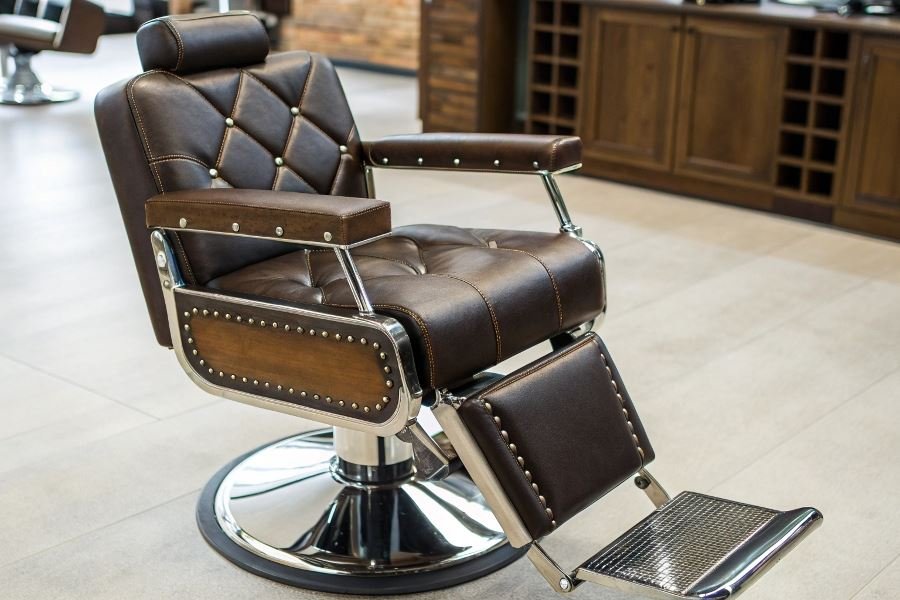
Ever walked into a barbershop and felt immediately drawn to those magnificent, throne-like chairs dominating the space? There’s a reason they command attention—they’re not just furniture, they’re the literal foundation of a barber’s craft and a client’s experience.
When Sam Monet created the first reclining barber chair in 1878, he transformed an industry. Today’s chairs have evolved dramatically from those early models, combining ergonomic design with technological innovations that would make their predecessors seem primitive by comparison.
For barbershop owners, selecting the right chair isn’t merely a decorative decision—it’s a critical business investment that affects everything from client comfort to stylist performance. The perfect barber chair balances form and function, becoming both a statement piece and a precision tool.
Three factors separate exceptional chairs from mediocre ones:
- Hydraulic systems that provide smooth height adjustments without jerky movements
- Upholstery quality that withstands thousands of clients while maintaining its appearance
- Ergonomic design that prevents stylist fatigue during long shifts
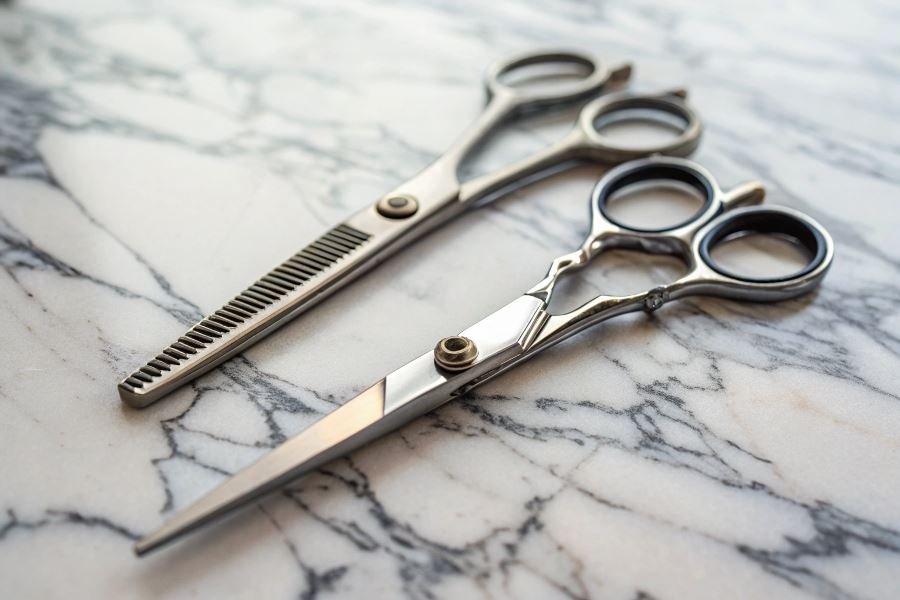
“The barber chair is where transformation happens. It deserves as much consideration as the scissors in your hand.” — Industry wisdom that stands the test of time
The chair you select will influence client retention, stylist satisfaction, and ultimately, your bottom line. A premium chair might cost more initially, but when amortized across thousands of haircuts, the investment becomes pennies per client—while the impression it creates remains priceless.
The Anatomy of Excellence: Essential Barber Chair Features
When investing in professional equipment, the barber chair stands as the centerpiece of your shop’s functionality and aesthetic appeal. The difference between an adequate chair and an exceptional one isn’t just about looks—it’s about creating an experience that keeps clients returning while preserving your physical wellbeing through countless haircuts.
Selecting the right barber chair requires attention to specific details that impact both client comfort and barber performance. When evaluating barber chairs: what to pay attention to when choosing includes examining the ergonomics, construction quality, and adjustment capabilities that will serve your business for years to come. These elements aren’t merely nice-to-have features; they’re essential components that directly affect your daily operations and long-term success.
Ergonomic Design That Serves Two Masters
The best barber chairs achieve a delicate balance—providing luxurious comfort for clients while supporting proper positioning for barbers. Look for:
- Contoured backrests that follow the natural curve of the spine
- Memory foam cushioning that maintains its shape after thousands of clients
- Armrests positioned at natural angles (typically 25-30 degrees)
- Neck rests that adjust to different client heights
Barbers who work 8-10 hour shifts benefit tremendously from chairs with proper lumbar support and positioning that prevents the hunched posture that leads to chronic back pain. The Takara Belmont chairs exemplify this dual-focused ergonomic approach, with designs that consider both parties in the styling equation.
Built to Last: Construction Elements That Matter
The hidden framework of a barber chair tells the true story of its quality. Premium chairs feature:
| Component | Quality Indicator | Expected Lifespan |
|---|---|---|
| Frame | Aircraft-grade aluminum or steel | 10-15+ years |
| Hydraulics | Sealed systems with reinforced cylinders | 7-10 years |
| Upholstery | Full-grain leather or commercial-grade vinyl | 5-8 years |
Weight capacity serves as a critical but often overlooked specification. Professional-grade chairs should support at least 350-400 pounds without compromising stability or function. The Collins Manufacturing 9060 model, with its 450-pound capacity and reinforced base, demonstrates the engineering required for true durability.
Adjustment Capabilities That Transform Experience
The difference between an amateur and professional barber chair often comes down to its adjustment range and smoothness of operation.
Height adjustment should provide:
- Minimum height of 19-21 inches from floor to seat
- Maximum height of 25-27 inches
- Smooth hydraulic operation with foot-pedal control
Recline functionality requires:
- At least 45 degrees of backward tilt for shaving services
- Locking positions at multiple angles
- Synchronized footrest extension
Rotation capabilities should include:
- 360-degree swivel with locking positions
- Stable base that prevents wobbling during rotation
- Hydraulic brake system for secure positioning
The Pibbs Industries chairs feature particularly impressive adjustment mechanisms, with precision hydraulics that maintain their responsiveness even after years of continuous use.
When these three core elements—ergonomics, durability, and adjustability—align in a single chair, you’ve found equipment worthy of your craft and your clients. The investment may be substantial, but the return manifests in client satisfaction, physical wellbeing, and equipment that stands the test of time.
The Smart Investor’s Guide to Barber Chairs
When investing in barber chairs, the difference between a good decision and a great one often comes down to practical considerations that extend far beyond aesthetics. Let’s dive into the three critical factors that separate successful salon owners from those constantly fighting uphill battles with their equipment.
Financial wisdom beyond the price tag
The barber chair market spans from $800 budget options to premium $5,000+ Takara Belmont masterpieces. But focusing solely on the initial price misses the bigger financial picture.
Investment return timeline matters more than sticker shock. Premium chairs from manufacturers like Pibbs Industries typically offer:
- 8-12 years of reliable service versus 3-5 years for budget models
- Higher client comfort ratings leading to longer appointments and increased revenue
- Better resale value (premium chairs often retain 30-40% of value after 5 years)
The true cost of ownership emerges when you divide the purchase price by years of service.
A $2,500 chair lasting 10 years costs $250 annually, while a $900 chair requiring replacement after 3 years costs $300 annually—before factoring in downtime and replacement hassles.
Space optimization that pays dividends
Your salon’s square footage represents one of your highest fixed costs, making spatial efficiency crucial to profitability.
Chair footprint and functionality determine your earning potential per square foot. Consider these spatial factors:
| Chair Type | Typical Footprint | Minimum Working Area | Special Considerations |
|---|---|---|---|
| Standard Fixed | 25″×30″ | 35 sq ft | Limited layout flexibility |
| Hydraulic Reclining | 30″×35″ | 45 sq ft | Requires clearance for full recline |
| All-Purpose | 32″×40″ | 50 sq ft | Accommodates multiple service types |
The most expensive mistake? Purchasing chairs without measuring your space constraints. Many Collins Manufacturing customers report that proper space planning allowed them to add an additional service station in the same square footage.
Smart spatial planning isn’t about cramming in chairs—it’s about creating an efficient workflow that maximizes both comfort and revenue.
Maintenance economics and warranty protection
Maintenance requirements represent the hidden costs that can transform a bargain into a burden.
The maintenance profile of your chair directly impacts operational costs. Premium chairs from Koken Barbers typically feature:
- Sealed hydraulic systems requiring service every 24-36 months versus 12 months for budget options
- Replaceable components versus welded construction requiring complete replacement
- Upholstery with 50,000+ abrasion test ratings versus 15,000 in economy models
When evaluating warranties, look beyond the duration to coverage specifics:
- Comprehensive warranties cover hydraulics, frame, and upholstery separately
- Labor inclusion can save $200-400 per repair incident
- On-site service availability prevents revenue-killing downtime
The most valuable warranty isn’t necessarily the longest—it’s the one that minimizes business interruption when problems inevitably arise.
By approaching your barber chair purchase through these three practical lenses—long-term value, spatial efficiency, and maintenance economics—you’ll make decisions that support your business growth rather than constrain it.
Discover the 10 critical features of professional barber chairs that drive business success. Learn what to prioritize when selecting chairs that maximize comfort, durability, and functionality for your barbershop investment.
Discover the 10 critical features of professional barber chairs that drive business success. Learn what to prioritize when selecting chairs that maximize comfort, durability, and functionality for your barbershop investment.