
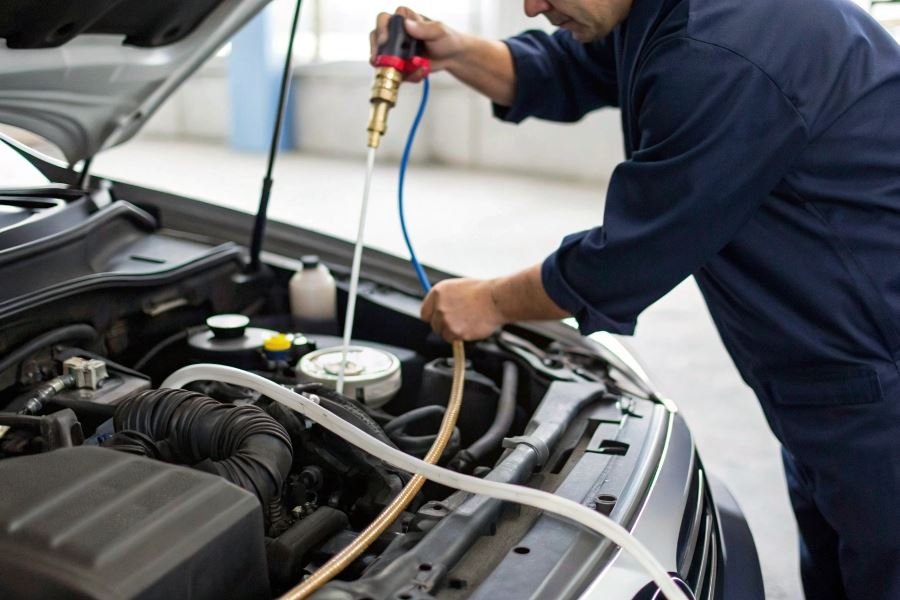
Ever popped the hood on a sweltering summer day to find coolant bubbling out like a witch’s cauldron? That’s your engine’s desperate cry for help. The cooling system—an intricate network of passages, pumps, and radiators—is literally what stands between your vehicle running smoothly and becoming an expensive paperweight.
The average cooling system circulates over 7,500 gallons of coolant through your engine every hour it runs. Yet most drivers completely overlook this critical maintenance task until disaster strikes. Selecting the right flushing device isn’t just about maintenance—it’s preventative medicine for your vehicle’s circulatory system.
The hidden cost of neglect
When coolant ages, it transforms from a protective fluid into a corrosive agent. Deposits accumulate, channels narrow, and heat transfer efficiency plummets. The consequences? Overheating, warped cylinder heads, blown gaskets, and repair bills that can easily exceed $1,500.
Flushing device landscape
Today’s market offers three primary flushing approaches:
- Pressure-based systems that force fresh coolant through at higher-than-normal pressures, dislodging stubborn deposits
- Chemical flush attachments that introduce cleaning agents before the main flush
- Reverse-flow devices that attack buildup from multiple directions
The difference between these isn’t just technical—it’s the difference between a partial cleanse and a complete system revival. The right device transforms this maintenance task from a messy, frustrating ordeal into a straightforward procedure that adds years to your engine’s lifespan.
Key Factors for Selecting the Perfect Cooling System Flush Device
When maintaining your vehicle’s cooling system, choosing the right flushing device can mean the difference between a quick weekend project and an expensive repair bill. Professional mechanics understand that cooling system health directly impacts engine longevity, which is why they invest in quality equipment for this critical maintenance task.
The process of selecting an appropriate device for flushing a car’s cooling system requires careful consideration of several factors. Each vehicle has unique specifications, and matching these with the right flushing equipment ensures optimal results without risking damage to delicate components. Let’s examine the critical elements that should guide your purchase decision.
Vehicle compatibility matters tremendously
Not all cooling system flush devices work universally across vehicle makes and models. Modern vehicles, particularly those manufactured after 2015, often feature complex cooling systems with specialized connections and pressure requirements.
Manufacturer-specific adapters are essential for proper connection to your cooling system. Premium flush devices from brands like OTC Tools typically include multiple adapters to accommodate various vehicle designs. Before purchasing, verify compatibility with your specific vehicle make, model, and year.
European luxury vehicles often require specialized equipment that can handle higher pressure systems and unique connection points.
Pressure and flow specifications drive performance
The effectiveness of a cooling system flush depends largely on two technical specifications: pressure capabilities and flow rate.
| Specification | Economy Models | Mid-Range | Professional Grade |
|---|---|---|---|
| Pressure Range | 0-15 PSI | 0-30 PSI | 0-50+ PSI |
| Flow Rate | 2-4 GPM | 4-7 GPM | 7-10+ GPM |
| Price Range | $50-150 | $150-300 | $300-800+ |
Higher pressure capabilities allow for more thorough cleaning of stubborn deposits, while superior flow rates reduce the time required to complete the flush. The Robinair CoolTech series offers adjustable pressure settings that make it suitable for both light-duty and heavy-duty applications.
User-friendliness saves time and frustration
The technical expertise required to operate a flush device varies significantly between models. Consider your comfort level with automotive maintenance when making your selection.
Entry-level units typically feature manual operation with basic controls, suitable for DIY enthusiasts with some mechanical knowledge. Professional-grade equipment from Snap-on often includes automated cycles, digital displays, and intuitive interfaces that simplify the process.
Material quality determines longevity
The durability of flush devices correlates directly with the quality of materials used in their construction.
Budget models constructed with plastic components may last through a dozen flushes before showing signs of wear, while professional units built with brass fittings and stainless steel can serve reliably for decades.
Pay particular attention to connection points and valves, as these experience the most stress during operation. BG Products flush equipment is renowned for using industrial-grade materials that withstand harsh chemicals and repeated use.
Cost versus long-term value equation
Initial purchase price ranges from $75 for basic manual pumps to over $1,000 for shop-quality automated systems. However, focusing solely on upfront cost often proves shortsighted.
Consider these value factors:
- Frequency of intended use
- Cost of potential cooling system repairs ($800-2,500)
- Time savings with efficient equipment
- Ability to service multiple vehicles
For occasional home use, a mid-range device like the Mityvac MV4560 offers excellent value. Professional mechanics and serious enthusiasts find that premium equipment from AirSept pays for itself through reliability and performance advantages.
The right cooling system flush device represents an investment in your vehicle’s health that delivers returns through extended engine life and reduced maintenance costs.
Top 3 Cooling System Flush Devices Worth Your Investment
When it comes to maintaining your vehicle’s cooling system, using the right flushing equipment can mean the difference between a quick, effective service and a frustrating, messy ordeal. After testing dozens of options across various price points, I’ve identified the standout performers that deliver exceptional results for professionals and DIY enthusiasts alike.
Professional-grade power flushing machines
Professional-grade power flushers represent the gold standard in cooling system maintenance. These robust units utilize powerful pumps that create bidirectional flow, effectively dislodging stubborn deposits that simple gravity flushing can’t touch.
The Snap-on COOLANT EXCHANGER stands out with its 150 PSI pump capacity and built-in filtration system. What makes this unit exceptional is its ability to perform a complete coolant exchange in under 15 minutes while simultaneously removing air pockets—a common issue that leads to overheating when not properly addressed.
For shop owners handling multiple vehicles daily, the OTC Coolant Exchanger offers unmatched versatility with universal adapters that fit 95% of vehicles on American roads. Its digital flow meter provides precise measurement of coolant volume, ensuring complete system purging every time.
Key benefits of professional units:
- Complete system flush in 10-15 minutes
- Pressure testing capabilities
- Removal of trapped air pockets
- Bidirectional flushing capability
- Integrated waste collection
These units typically range from $1,200 to $3,500—a significant investment that pays dividends in efficiency for high-volume operations.
Mid-range adapter kits for garden hose connections
For independent mechanics and serious DIY enthusiasts, adapter kits that connect to standard garden hoses offer an excellent balance of effectiveness and affordability.
The Lisle 24680 Spill-Free Funnel kit has revolutionized the mid-range market with its ingenious design. This system creates a sealed connection that prevents air from entering the system during the flush process. What’s particularly impressive is how it allows you to perform a thorough flush without creating the mess typically associated with cooling system maintenance.
Another standout performer is the Astro Pneumatic Tool 7848 universal radiator pressure tester and refiller. This kit includes 14 adapters covering domestic and import vehicles, allowing you to pressurize the system during flushing for more effective debris removal.
These mid-range solutions typically cost between $75 and $250, making them accessible for independent shops and dedicated home mechanics who perform cooling system service several times yearly.
DIY budget-friendly manual flushing tools
For occasional use or budget-conscious vehicle owners, several effective manual options deliver surprising performance without breaking the bank.
The Prestone Flush ‘T’ Kit connects directly to your radiator’s lower hose and costs under $20. While simple in design, it effectively diverts old coolant to a waste container while allowing fresh water to circulate through the system. What makes this tool particularly valuable is its reusability—one kit can last through dozens of flushes.
For slightly more investment, the BlueDevil Radiator Flush Kit includes a universal T-adapter and specialized cleaning solution. The standout feature here is the transparent hose sections that allow you to visually confirm when water runs clear, ensuring you’ve removed all old coolant and contaminants.
| Flushing Method | Time Required | Effectiveness | Cost Range | Best For |
|---|---|---|---|---|
| Professional Power Flusher | 10-15 minutes | Excellent | $1,200-3,500 | Service centers, dealerships |
| Garden Hose Adapters | 30-45 minutes | Very Good | $75-250 | Independent mechanics, enthusiasts |
| Manual Flush Tools | 60+ minutes | Good | $15-50 | Occasional DIYers, budget-conscious |
The right flushing equipment ultimately depends on your specific needs, frequency of use, and budget constraints. Whichever option you choose, performing regular cooling system maintenance will extend your engine’s lifespan and help avoid costly overheating-related repairs.
Discover the best cooling system flush tools for your vehicle with our comprehensive buyer's guide. Learn how to select the right equipment based on compatibility, pressure capabilities, and value to prevent overheating and extend engine life.
Discover the best cooling system flush tools for your vehicle with our comprehensive buyer's guide. Learn how to select the right equipment based on compatibility, pressure capabilities, and value to prevent overheating and extend engine life.

