What if your bakery’s most valuable employee wasn’t a person at all?
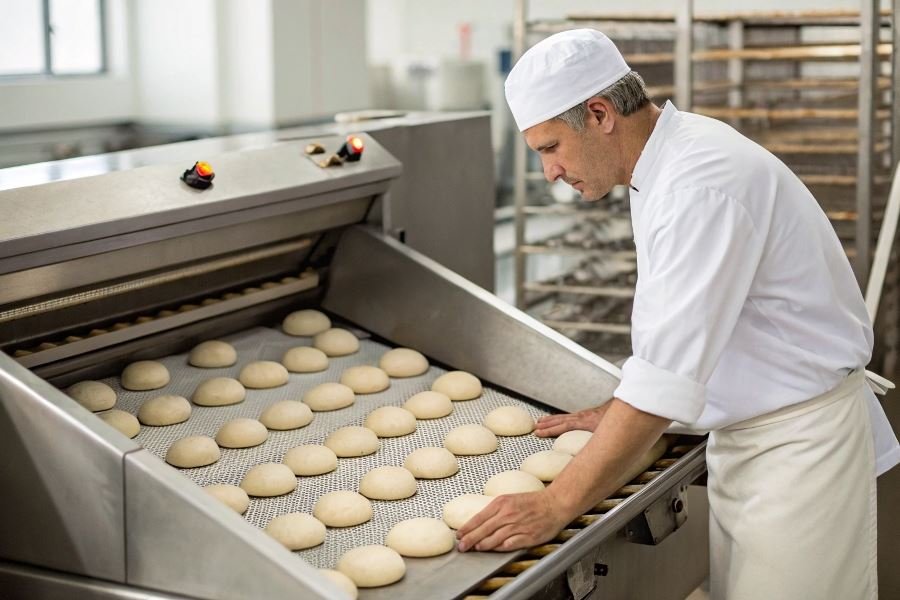
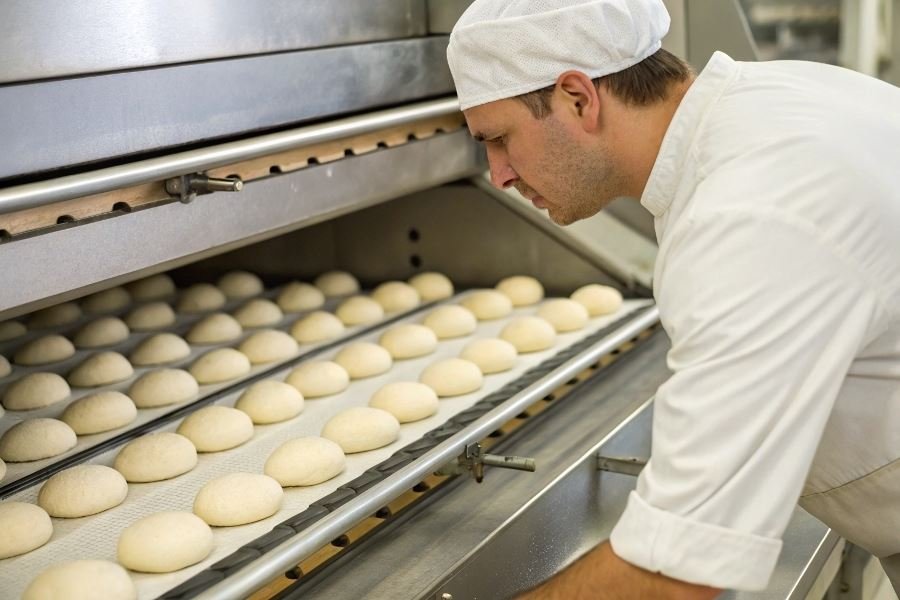
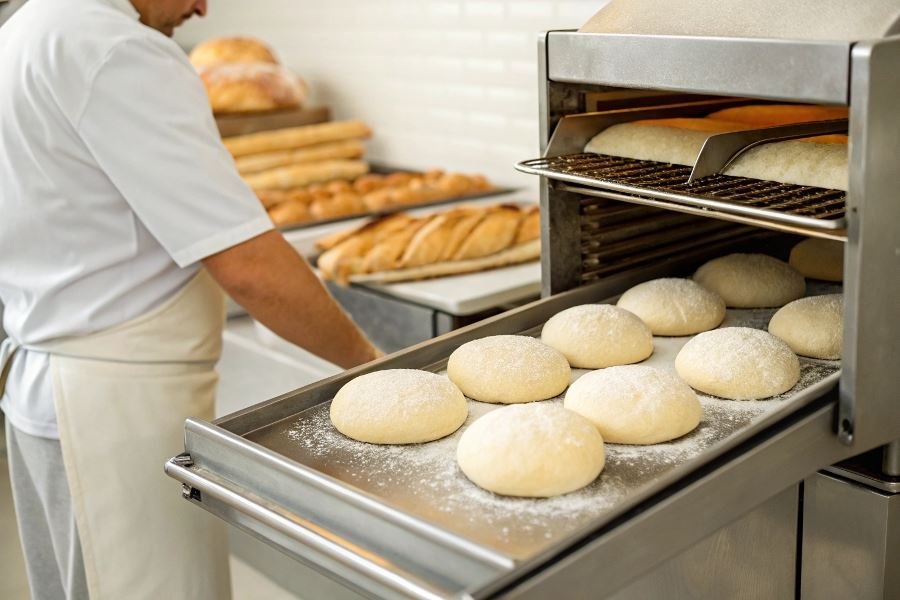
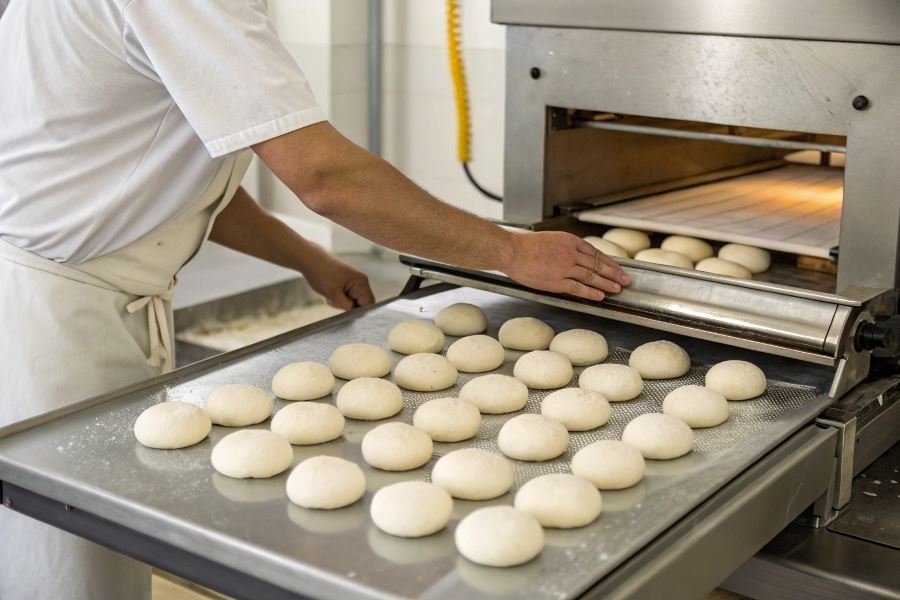
Behind every perfectly uniform dinner roll and precisely weighted baguette stands an unsung hero of the bakery world. Compact dough dividers-rounders have quietly transformed small-scale baking operations, turning the labor-intensive art of dough portioning into a science of precision. These ingenious machines perform two critical functions simultaneously: they divide bulk dough into equal portions and then round each piece to create the perfect tension for proofing.
For small bakery owners, these machines represent the difference between inconsistent products and professional-grade results. When every ounce of dough translates directly to profit margins, precision becomes paramount. A variance of just 5% in portion weight can significantly impact a bakery’s bottom line over time.
“The consistency achieved through mechanical division isn’t just about aesthetics—it’s about business sustainability.”
The evolution of these machines tells a fascinating story of innovation. Early mechanical dividers from the 1950s were industrial behemoths, accessible only to large commercial operations. By the 1980s, smaller hydraulic models emerged, but still required significant floor space and investment. Today’s compact dividers-rounders occupy minimal counter space while handling between 15-36 dough pieces per cycle, with some models processing up to 1,000 pieces per hour.
Modern units feature programmable weight settings, adjustable rounding pressure, and even memory functions for different dough types—bringing enterprise-level precision to neighborhood bakeries without sacrificing the artisanal touch that customers crave.
Top 3 Compact Dough Dividers-Rounders That Will Transform Your Bakery
Small bakeries face unique challenges when scaling production while maintaining quality and consistency. The right equipment can make all the difference between struggling to meet demand and smoothly expanding your operation. Among the most crucial pieces of equipment are compact dough dividers-rounders that efficiently portion and shape dough while preserving its integrity.
For artisan bakers looking to increase production without sacrificing quality, compact dough dividers-rounders for small bakeries offer the perfect middle ground between manual processing and industrial-scale equipment. These machines combine precision with space efficiency, allowing even modest operations to achieve professional results consistently. Let’s explore the three main categories that dominate the market today and how each might fit your specific needs.
Semi-automatic solutions for growing bakeries
Semi-automatic compact dividers-rounders represent the sweet spot for many small to medium bakeries. These machines typically handle between 15-30 divisions per minute with weight ranges from 1-8 oz (30-220g), making them ideal for businesses producing 200-500 units daily.
Key features to look for:
- Adjustable weight settings
- Quick-change dividing discs
- Stainless steel construction
- Easy-clean surfaces
The Dutchess DDB-14 stands out with its 14-piece dividing capability and compact 24″ x 24″ footprint. At approximately $4,500, it offers excellent value for growing operations. The Empire MDR-11 provides slightly higher capacity at 18 divisions per minute with a price point around $5,200.
| Model | Divisions/Min | Weight Range | Footprint | Price Range |
|---|---|---|---|---|
| Dutchess DDB-14 | 14-16 | 1-7 oz | 24″ x 24″ | $4,200-4,800 |
| Empire MDR-11 | 16-18 | 1-8 oz | 28″ x 26″ | $5,000-5,500 |
| Sottoriva Divimach | 20-30 | 1.5-8 oz | 32″ x 28″ | $6,800-7,500 |
Manual options built to last
Don’t underestimate the power of well-designed manual dividers-rounders. These workhorses offer surprising efficiency with virtually no maintenance concerns and exceptional durability—many units remain in service for 20+ years.
The beauty of manual systems lies in their simplicity and reliability. With no electrical components to fail, these machines continue performing through power outages and require minimal technical knowledge to operate.
The American Eagle AE-DR12 features a cast iron construction with 12 divisions and costs around $2,200. For smaller operations, the Doyon DR-8 offers 8 divisions in an incredibly compact 18″ x 18″ footprint for approximately $1,800.
Space efficiency advantages:
- No electrical connections required
- Can be placed anywhere in your production area
- Often feature smaller footprints than powered alternatives
- Some models include casters for mobility between workstations
Hydraulic precision for consistent results
When absolute consistency becomes paramount, hydraulic dividers-rounders deliver unmatched precision. These machines maintain weight accuracy within 2-3 grams even after thousands of cycles, making them ideal for bakeries where product uniformity is critical.
The Benier Doughmaster offers exceptional consistency with its hydraulic pressure system, handling up to 36 divisions per minute. With a price point around $9,800, it represents a significant investment that quickly pays dividends through reduced waste and improved product consistency.
Production capabilities worth noting:
- Weight consistency within 2-3 grams
- Adjustable pressure settings for different dough types
- Programmable memory for recipe storage
- Higher throughput (25-40 divisions per minute)
- Gentler handling of delicate doughs
For artisan bakeries producing high-value products, the precision offered by hydraulic systems often justifies the higher initial investment through reduced waste and improved customer satisfaction.
Selecting the Right Dough Divider-Rounder for Maximum ROI
Matching equipment to production needs
Finding the perfect compact dough divider-rounder isn’t just about buying equipment—it’s about making a strategic investment that transforms your bakery operations. The right machine creates consistency customers can taste while freeing up your skilled bakers for more creative work.
When evaluating options, production volume should top your consideration list. A small artisan bakery producing 200-500 loaves daily needs different capabilities than one making 1,000+ units. Most compact divider-rounders process between 1,000-2,500 dough pieces hourly, with weight ranges from 30g to 300g.
Space efficiency matters tremendously in small bakeries. The footprint of compact divider-rounders typically ranges from 2.5 to 5 square feet—significantly smaller than industrial models requiring 15+ square feet. Manufacturers like Sottoriva and Benier offer models specifically designed for tight spaces without sacrificing performance.
Budget constraints require careful balancing. Entry-level compact divider-rounders start around $5,000, while premium models with advanced features can reach 15, 000−20,000. The sweet spot for most small bakeries falls between 8, 000−12,000—where reliability meets affordability.
The dollars and sense of automation
The return on investment for a quality divider-rounder is remarkably straightforward when you crunch the numbers:
| Factor | Manual Process | With Divider-Rounder |
|---|---|---|
| Labor hours (daily) | 4-6 hours | 1-2 hours |
| Consistency rate | 70-85% | 95-99% |
| Production capacity | 100-150 pieces/hour | 1,000-2,500 pieces/hour |
| Product waste | 5-10% | 1-3% |
A bakery producing 500 units daily can typically recoup their investment within 12-18 months through labor savings alone. Factor in reduced waste (a 5% improvement on ingredient costs), increased production capacity, and consistent quality that builds customer loyalty—and the ROI timeline shrinks further.
The hidden value lies in what your skilled bakers can accomplish when freed from repetitive tasks. New product development, improved finishing techniques, and customer engagement all become possible when your team isn’t exhausted from hours of manual dividing and rounding.
Keeping your workhorse working
Maintenance requirements vary significantly between models, but this factor often gets overlooked during purchase decisions. The best compact divider-rounders need just 15-30 minutes of daily cleaning and weekly lubrication of moving parts.
Look for machines with:
- Removable dividing heads for thorough cleaning
- Food-grade stainless steel components
- Tool-free disassembly of key components
- Sealed bearings that minimize flour infiltration
Longevity directly correlates with maintenance discipline. Well-maintained compact divider-rounders from quality manufacturers like Koenig or Glimek regularly deliver 10-15 years of reliable service. This extended lifespan dramatically improves lifetime value calculations.
The maintenance learning curve is steepest in the first three months. Smart bakery owners schedule regular maintenance training refreshers and keep detailed logs of cleaning procedures. This investment in process discipline pays dividends through reduced downtime and repair costs.
When evaluating total cost of ownership, factor in parts availability and service networks. A slightly more expensive machine from a manufacturer with robust support infrastructure often proves more economical over its lifespan than a budget option with limited parts availability.
Discover the top 3 compact dough dividers-rounders that can transform your small bakery operations. Learn how these space-efficient machines deliver consistent results, boost productivity, and provide excellent ROI for artisan bakers with limited space.
Discover the top 3 compact dough dividers-rounders that can transform your small bakery operations. Learn how these space-efficient machines deliver consistent results, boost productivity, and provide excellent ROI for artisan bakers with limited space.