
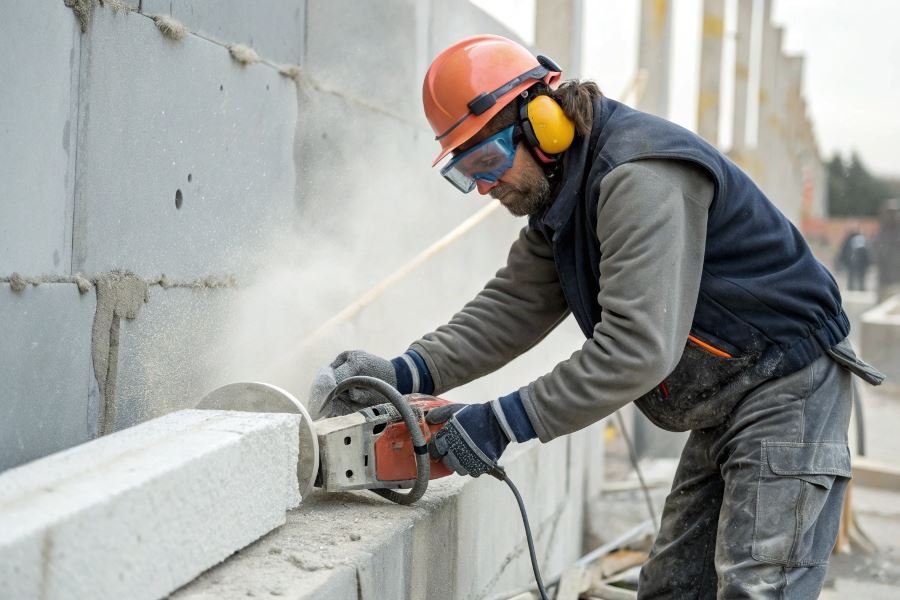
Did you know that improper use of wall cutting machines accounts for over 4,000 serious workplace injuries annually? These powerful tools can transform construction projects—or transform safety statistics in ways nobody wants.
When you’re investing in wall cutting equipment, understanding safety isn’t just a checkbox—it’s the foundation everything else builds upon. Professional contractors know that the difference between a successful project and a disaster often comes down to preparation before the blade ever touches concrete.
Understanding the real risks
Wall cutting operations present multiple hazards that demand respect. The combination of high-speed diamond blades, powerful motors, and concrete dust creates a perfect storm of potential dangers:
- Flying debris can cause serious eye injuries even through regular glasses
- Silica dust exposure leads to long-term respiratory conditions when inhaled regularly
- Kickback incidents happen in seconds but can cause permanent injuries
- Electrical hazards multiply when water meets power tools
The Occupational Safety and Health Administration (OSHA) reports that nearly 65% of wall cutting accidents involve operators with less than six months of experience—highlighting how crucial proper training truly is.
Navigating safety standards
Wall cutting equipment must comply with rigorous industry standards established by organizations like OSHA, the American National Standards Institute (ANSI), and equipment-specific guidelines from manufacturers.
“The best wall cutting machine is the one that comes with comprehensive safety features AND thorough operator training materials.” — Construction Safety Institute
Before purchasing, verify that equipment includes:
- Blade guards that automatically adjust
- Emergency shut-off mechanisms
- GFCI protection for electrical components
- Proper dust management systems
Training: The ultimate safety feature
No safety device can replace proper operator training. Before operation, ensure:
- Operators complete hands-on training with the specific model being used
- Everyone understands proper PPE requirements (respiratory protection, eye protection, hearing protection)
- Emergency procedures are established and practiced
- Regular maintenance schedules are documented and followed
The investment in proper training pays dividends not just in safety statistics, but in project efficiency, equipment longevity, and professional reputation.
Essential Safety Features for Wall Cutting Machines
Wall cutting machines are powerful tools that demand respect and proper safety protocols. When selecting equipment for concrete cutting projects, understanding the safety features isn’t just about compliance—it’s about protecting lives and ensuring operational efficiency. Let’s dive into the critical safety components that separate professional-grade wall cutters from dangerous alternatives.
Safety when working with wall cutting machines: what you need to know before buying encompasses multiple layers of protection that work together to create a secure operating environment. The most effective safety systems are those that anticipate human error and provide redundant safeguards without compromising performance.
Protective Mechanisms and Emergency Systems
The foundation of wall cutter safety begins with robust protective mechanisms. Modern high-quality cutters from manufacturers like Husqvarna and Hilti feature:
- Overload protection circuits that automatically shut down the machine when excessive resistance is detected
- Anti-restart protection preventing accidental startup after power interruptions
- Thermal overload sensors that prevent motor burnout and potential fires
Emergency shut-off systems have evolved significantly, with the industry standard now including dual-trigger activation requiring deliberate operator engagement and quick-stop braking systems that halt blade rotation in under 3 seconds.
The difference between budget and professional models often lies in response time—premium systems react in milliseconds while cheaper alternatives might take dangerous extra seconds.
Dust Management Solutions
Silica dust exposure represents one of the most serious long-term health hazards in concrete cutting operations.
| Dust Control Method | Effectiveness | Best Application |
|---|---|---|
| Water suppression | 85-95% reduction | Outdoor projects |
| HEPA vacuum systems | 99% reduction | Indoor precision work |
| Integrated dust shields | 70-80% reduction | Supplementary protection |
Proper ventilation requirements depend on the working environment, but OSHA guidelines specify a minimum of 4 air changes per hour in enclosed spaces where cutting occurs. Integrated air monitoring systems in premium models provide real-time feedback on air quality conditions.
Critical Safety Components
The most visible safety features often prove the most essential:
Blade Guards and Shields
Modern blade guards should feature:
- Adjustable positioning that maintains protection at various cutting angles
- Impact-resistant materials (typically reinforced polycarbonate or steel)
- Self-adjusting mechanisms that maintain optimal coverage regardless of cutting depth
Water Cooling Systems
Water cooling serves dual purposes in wall cutting operations:
- Temperature regulation preventing blade warping and premature failure
- Dust suppression capturing particles before they become airborne
Professional-grade Weka and Tyrolit models feature closed-loop cooling systems that recirculate water, reducing consumption by up to 75% compared to open systems.
Vibration Control Technology
Often overlooked but critically important, vibration dampening systems prevent operator fatigue and reduce the risk of hand-arm vibration syndrome (HAVS). Advanced anti-vibration handles with elastomer inserts can reduce transmitted vibration by up to 60%.
The investment in comprehensive safety features pays dividends not just in accident prevention but in operational efficiency and equipment longevity. When evaluating wall cutting machines, these safety components should be non-negotiable prerequisites rather than optional upgrades.
Making the Safe Choice: Wall Cutting Machine Decisions That Matter
Manufacturer Safety Records That Tell the Truth
When investing in wall cutting machinery, the manufacturer’s safety record speaks volumes. The best equipment makers don’t just comply with safety standards—they exceed them. Companies like Hilti and Husqvarna maintain transparent safety incident reporting and regularly update their certification compliance.
Look beyond the marketing materials. Request documentation showing compliance with OSHA regulations and industry-specific certifications like UL (Underwriters Laboratories) or CE (European Conformity) markings. These aren’t just stickers—they represent rigorous testing processes that ensure the equipment won’t fail when you need it most.
The difference between a manufacturer with occasional recalls and one with a clean record can literally be measured in fingers and limbs saved.
Top manufacturers typically provide comprehensive safety training resources, detailed operation manuals, and responsive customer support. These elements form a safety ecosystem that extends far beyond the machine itself.
PPE: The Non-Negotiable Safety Layer
Personal protective equipment isn’t an afterthought—it’s your primary defense system. When working with wall cutting machines, your PPE requirements are specific and critical:
| PPE Component | Minimum Standard | Recommended Upgrade |
|---|---|---|
| Eye Protection | ANSI Z87.1 Safety Glasses | Full-face shield with Z87.1+ rating |
| Hearing Protection | 25 NRR Earplugs | 30+ NRR Earmuffs with communication capability |
| Respiratory Protection | N95 Dust Mask | NIOSH-approved respirator with P100 filters |
| Hand Protection | Cut-resistant gloves (ANSI A3) | Vibration-dampening, cut-resistant (ANSI A5) |
| Foot Protection | Steel-toe boots | Composite-toe boots with metatarsal guards |
The right PPE ensemble can cost $500-1,200, but this investment protects against injuries that could cost tens of thousands in medical bills and lost productivity. Quality manufacturers like 3M and Honeywell offer integrated PPE systems designed specifically for construction applications.
Remember: PPE effectiveness diminishes dramatically when components are mixed and matched without consideration for compatibility.
Maintenance: The Long Game of Safety
The safest wall cutting machine today can become tomorrow’s workplace hazard without proper maintenance. Developing a comprehensive maintenance schedule isn’t just good practice—it’s essential risk management.
Document everything. Create detailed maintenance logs that track:
- Daily pre-operation inspections
- Weekly cleaning and lubrication procedures
- Monthly component checks
- Quarterly professional servicing
- Annual comprehensive overhauls
Blade maintenance deserves special attention. Dull or damaged blades require more force to operate, increasing kickback risk and operator fatigue. Establish clear replacement thresholds based on hours of operation rather than waiting for visible damage.
The most dangerous maintenance approach is the reactive one—where repairs happen only after something breaks.
Consider maintenance costs when calculating your total investment. Quality machines from manufacturers like Makita or DeWalt typically have longer service intervals and better parts availability, reducing both downtime and safety risks.
Build relationships with certified service technicians. They often notice developing issues before they become dangerous failures. Many manufacturers offer service contracts that include safety inspections and preventive maintenance, providing peace of mind and documented compliance with warranty requirements.
By prioritizing manufacturer reputation, appropriate PPE, and consistent maintenance, you’re not just buying a wall cutting machine—you’re investing in a comprehensive safety system that protects your most valuable assets: yourself and your team.
Discover essential safety features, regulations, and protective measures for wall cutting machines before purchase. Learn about dust management, proper training, and maintenance requirements to ensure safe operation.
Discover essential safety features, regulations, and protective measures for wall cutting machines before purchase. Learn about dust management, proper training, and maintenance requirements to ensure safe operation.