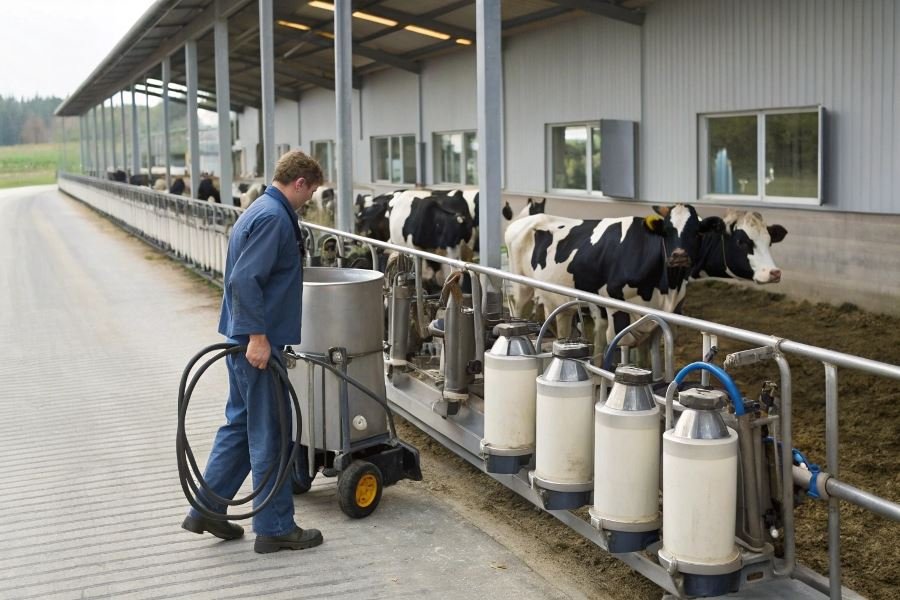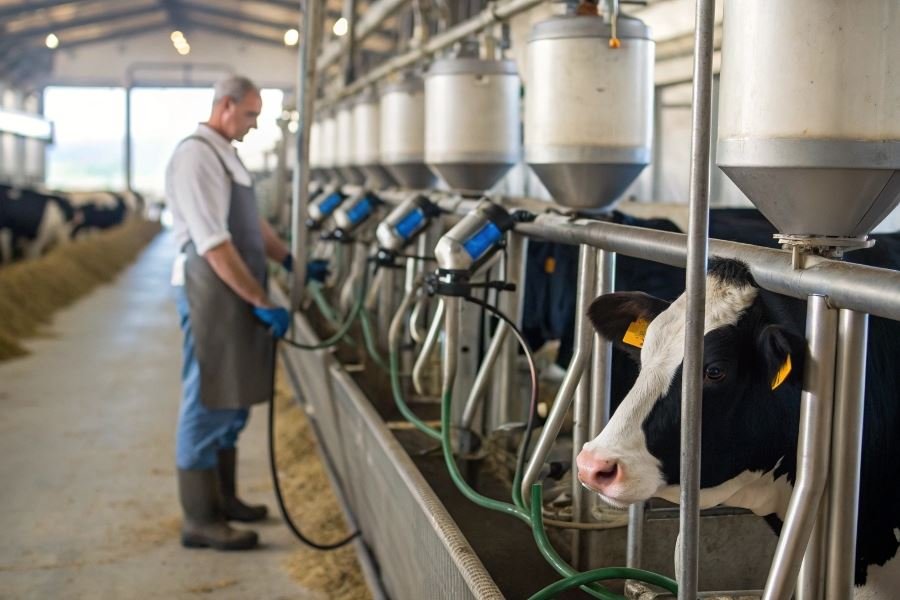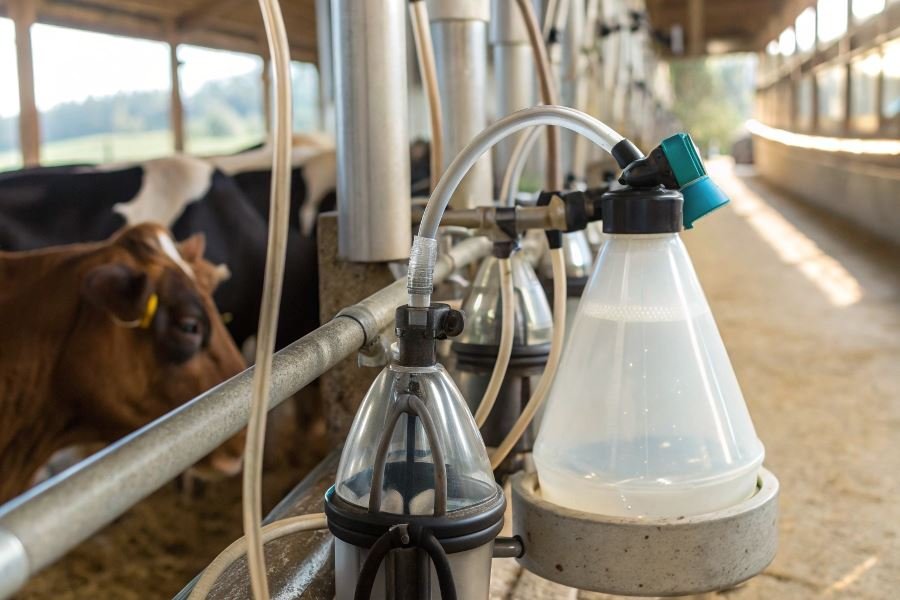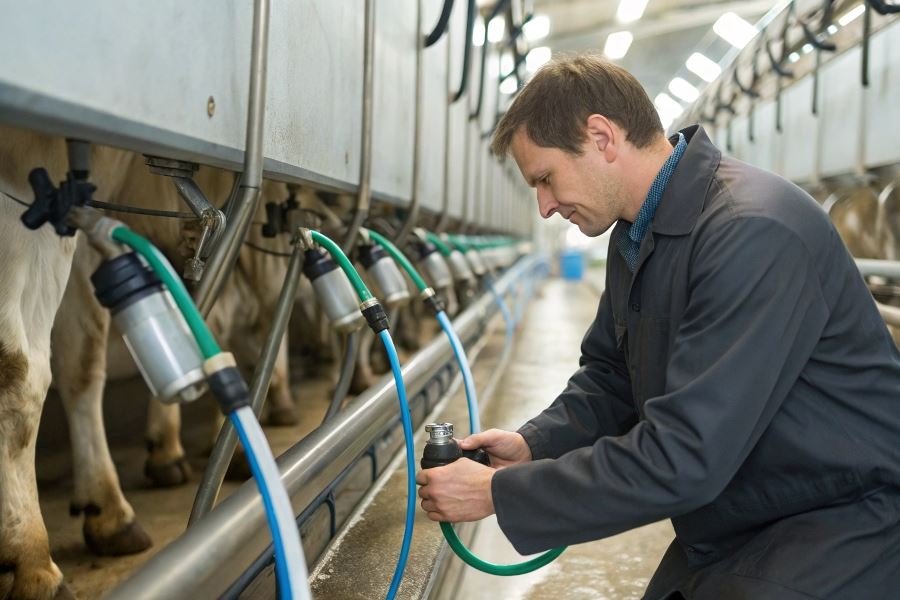
Ever wondered why some dairy operations consistently outperform others? The secret often lies not in the breed of cow or quality of feed, but in something far less glamorous: properly maintained milking equipment. A well-serviced milking machine can increase milk yield by up to 15% while dramatically reducing mastitis rates among your herd.
Dairy equipment maintenance isn’t just about preventing breakdowns—it’s about protecting your livelihood. When milk-producing equipment operates at peak efficiency, you maximize production, minimize bacterial contamination, and extend the working life of your investment. A properly maintained milking system creates the perfect harmony between vacuum pressure, pulsation rate, and liner function that your cows respond to with increased milk letdown.
Understanding your milking system type is the first step toward effective maintenance. Pipeline systems, parlor setups, and robotic milkers each have unique service requirements. For instance, robotic systems require more frequent sensor calibration, while traditional bucket milkers need regular vacuum regulator inspection.
Essential maintenance toolkit
Your maintenance arsenal should include:
- Vacuum gauge (calibrated annually)
- Pulsation tester
- Replacement rubber parts (liners, gaskets, O-rings)
- Food-grade lubricants
- Specialized cleaning solutions
- Digital thermometer
- Comprehensive service manual for your specific model
Remember: The cost of preventive maintenance is always lower than emergency repairs and lost production. Establishing a regular service schedule—typically every 750-1000 hours of operation—creates a foundation for dairy success that pays dividends with every milking.
Mastering Milking Machine Maintenance
Dairy production efficiency hinges on equipment that performs flawlessly day after day. The systematic maintenance of milking machines isn’t just about preventing breakdowns—it’s about protecting milk quality, animal health, and your bottom line. Let’s dive into the maintenance rhythms that will keep your operation running smoothly.
Daily Discipline: The Foundation of Reliability
Every successful dairy operation begins and ends with daily cleaning protocols. After each milking session, flush the system with lukewarm water (95-100°F) to remove milk residue before it dries. Follow with an alkaline detergent wash at 160°F to dissolve fat deposits and protein films. The proper servicing of a milking machine requires this temperature precision—too cool and cleaning is ineffective, too hot and rubber components degrade prematurely.
Critical daily checks include:
- Vacuum level verification (should maintain 12.5-13.5 inHg)
- Pulsator function (aim for 60-65 cycles per minute)
- Milk filter inspection and replacement
- Hose and gasket visual examination
A 10-minute daily routine saves hours of troubleshooting later. Record observations in a maintenance log—patterns emerge that can predict failures before they happen.
Weekly Warrior Work: Component Care
Weekly maintenance elevates your game from reactive to proactive. Rubber components—particularly inflations (teat cup liners)—deserve special attention as they’re the only parts making direct contact with the animal.
Inflation replacement schedule depends on material and usage:
| Material Type | Milkings Before Replacement | Signs of Wear |
|---|---|---|
| Natural Rubber | 800-1,200 | Cracking, loss of tension |
| Silicone | 3,000-5,000 | Discoloration, surface changes |
| Nitrile | 2,500-3,500 | Hardening, reduced flexibility |
Don’t wait for complete failure—performance degrades gradually. Replace inflations on schedule, not when they’re visibly damaged. DeLaval recommends staggering replacements to maintain consistent milking characteristics.
Weekly maintenance should also include:
- Thorough inspection of all vacuum lines for leaks
- Cleaning of air filters on vacuum pumps
- Oil level check in vacuum pump (top off with manufacturer-recommended lubricant)
- Pulsator disassembly and cleaning
Monthly Mastery: Deep Dive Diagnostics
Monthly maintenance transforms good operations into great ones. Schedule 3-4 hours for a comprehensive evaluation when animals aren’t being milked.
The monthly protocol includes:
- Complete system disassembly for deep cleaning
- Acid descaling treatment to remove mineral deposits
- Vacuum regulator cleaning and calibration
- Milk pump inspection and impeller examination
- Comprehensive vacuum test using a Waikato Milking Systems digital vacuum recorder or equivalent
During monthly service, pay special attention to the vacuum system—the heart of your milking operation. A vacuum fluctuation of just 0.5 inHg can reduce milking efficiency by up to 5% and increase mastitis risk.
Pro tip: Create a maintenance calendar with automatic reminders. Digital tools like DairyComp 305 can integrate maintenance schedules with production data.
The investment in proper maintenance pays dividends through extended equipment life, reduced emergency repairs, and consistent milk quality. Remember that preventative maintenance costs approximately 30% less than reactive repairs—not counting lost production during downtime.
By following these tiered maintenance protocols, your milking system will deliver the performance and reliability that modern dairy production demands.
Mastering Milking Machine Maintenance
Dairy operations live and die by their equipment reliability. When your milking machine falters, every minute costs money and stresses your herd. Let’s dive into the maintenance strategies that separate thriving operations from struggling ones.
Spotting Problems Before They Become Disasters
The most successful dairy operators develop a sixth sense for equipment issues. This isn’t mystical—it’s methodical. Preventive maintenance creates a baseline understanding of how your equipment should perform.
Listen for the warning signs: Unusual vacuum fluctuations, irregular pulsation rates, or changes in milk flow patterns all tell stories about your equipment’s health. A properly functioning milking machine maintains a steady vacuum level between 12.5-13.5 inHg (42-46 kPa). Deviations exceeding 0.6 inHg indicate potential issues requiring immediate attention.
The difference between a minor adjustment and a major repair often comes down to timing.
Regular testing should include:
| Test Type | Frequency | What It Reveals |
|---|---|---|
| Vacuum level | Daily | System integrity |
| Pulsation rate | Weekly | Liner function efficiency |
| Air flow capacity | Monthly | System reserve capacity |
| Teat condition scoring | Bi-weekly | Real-world performance |
Implementing a digital logging system for these measurements creates invaluable trend data that can predict failures before they occur.
Tailoring Service Schedules to Your Operation
One-size-fits-all maintenance schedules are a recipe for either excessive downtime or premature equipment failure. Your service routine should reflect your specific operational demands.
For smaller herds (under 100 cows), complete system evaluations quarterly may suffice. However, operations milking 500+ cows should conduct comprehensive evaluations monthly, with daily quick-checks becoming standard procedure.
Usage intensity matters more than herd size: A twice-daily milking schedule for 200 cows may require more frequent maintenance than a once-daily schedule for 300 cows. Track your machine’s operating hours rather than calendar days.
Smart operators adjust maintenance frequency based on performance metrics, not just manufacturer recommendations.
Environmental factors also dictate service needs:
- Hard water regions require more frequent descaling of equipment
- Dusty environments demand additional attention to air filters
- Temperature fluctuations affect rubber components’ lifespan dramatically
When to Call in the Professionals
DIY maintenance has its limits. Recognizing when to seek expert assistance preserves both equipment longevity and milk quality.
Professional service technicians should perform:
- Annual comprehensive system evaluations using specialized diagnostic equipment
- Replacement of critical components like pulsators and regulators
- System upgrades and modifications to improve efficiency
- Calibration of electronic monitoring systems
The cost-benefit equation is clear: A professional service call averaging $150-300 can prevent production losses exceeding $1,000 daily from equipment failure.
Establish relationships with qualified technicians from companies like DeLaval or GEA Farm Technologies before emergencies arise. The best technicians have waiting lists—don’t discover this during a breakdown.
Document every professional service visit meticulously, creating an equipment history that informs future maintenance decisions.
By implementing these systematic approaches to milking machine maintenance, you’ll maximize uptime, extend equipment life, and maintain optimal milk quality—the trifecta of dairy operation success.
Learn essential milking machine maintenance techniques with our comprehensive guide. Discover daily, weekly, and monthly service routines to extend equipment life, ensure optimal milk quality, and maximize dairy farm efficiency.
Learn essential milking machine maintenance techniques with our comprehensive guide. Discover daily, weekly, and monthly service routines to extend equipment life, ensure optimal milk quality, and maximize dairy farm efficiency.