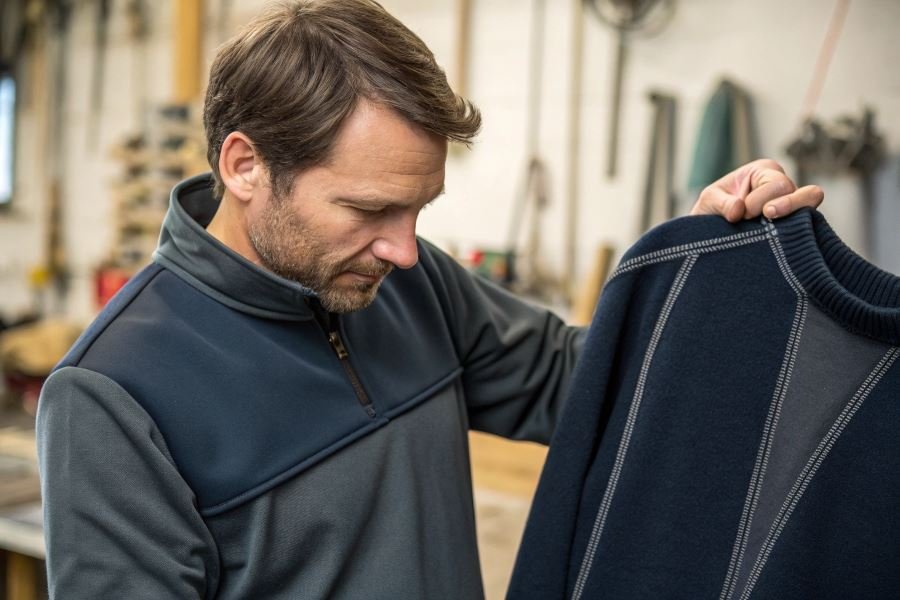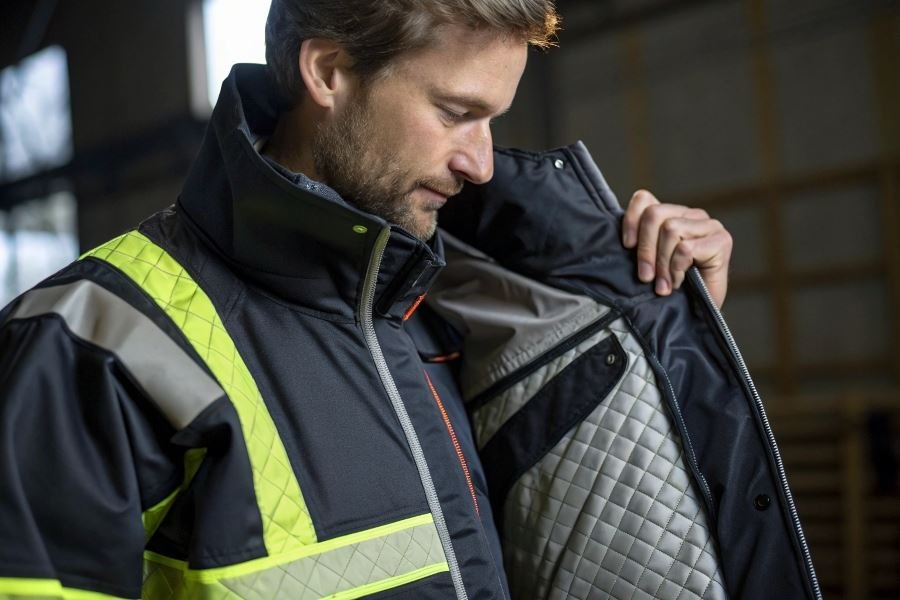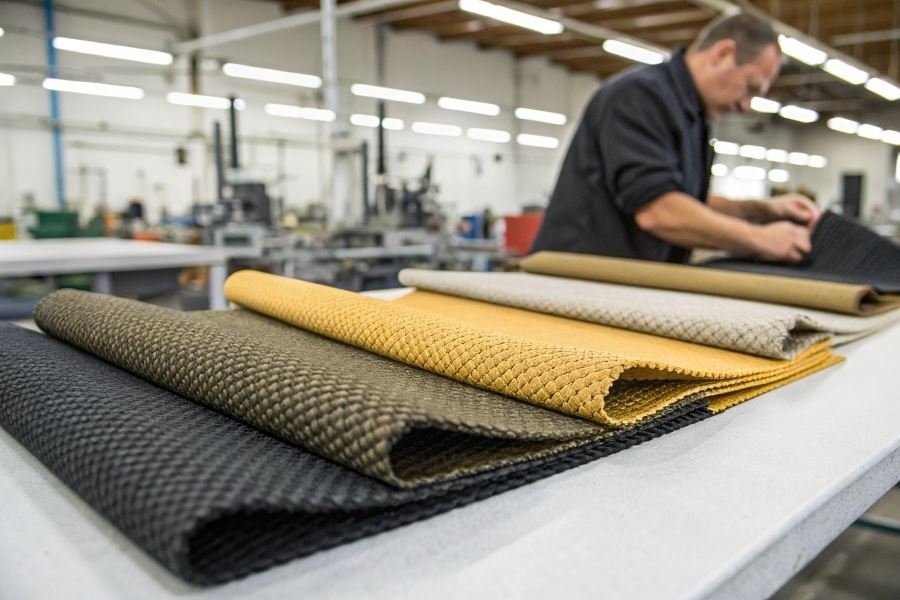
Ever watched a $200 work jumper disintegrate after just three months of hard labor? That’s not just disappointing—it’s expensive. For professionals who depend on their workwear to protect them through punishing conditions, durability isn’t a luxury—it’s essential.
The right material can mean the difference between replacement every season or a trusted companion that ages gracefully through years of service.
When evaluating the top materials for work jumpers in terms of durability, we need to look beyond the marketing hype. The most resilient workwear fabrics must withstand a brutal gauntlet: abrasion from rough surfaces, exposure to chemicals, repeated washing, UV degradation, and the constant stress of movement.
The professional’s durability checklist
What separates truly durable materials from the pretenders? Our evaluation methodology focuses on three critical metrics:
“The true test of a work jumper isn’t how it looks on day one—it’s how it performs on day one thousand.” – Master craftsman with 40+ years in construction
We’ve analyzed tensile strength (resistance to tearing), abrasion resistance (how it handles friction), and recovery capacity (ability to maintain shape after stretching). Additionally, we’ve factored in real-world performance data from professionals across industries from welding to woodworking.
The materials that consistently outperform in these punishing conditions share certain characteristics: tightly woven fibers, strategic reinforcement, and innovative construction techniques that distribute stress across the garment rather than concentrating it at failure points.
The Ultimate Durability Test: Work Jumper Materials That Last
When it comes to workwear that can take a beating day after day, the material makes all the difference. The construction industry, manufacturing plants, and outdoor work environments demand clothing that won’t surrender to the elements or rough conditions. Let’s dive into what separates merely adequate work jumpers from those legendary pieces that become workshop lore.
Professional tradespeople know that selecting the right materials for work jumpers in terms of durability isn’t just about initial quality—it’s about performance over time. The difference between replacing your workwear every few months versus every few years comes down to three exceptional materials that have proven their worth across countless job sites.
Canvas and Duck Cotton: The Timeless Workhorse
Canvas and duck cotton stand as the traditional champions of workwear durability. These tightly woven materials feature a distinctive construction where multiple yarns are interlaced in a plain weave pattern, creating a dense fabric that resists punctures and abrasion.
What makes canvas exceptional:
- Density ratings between 10-20 oz per square yard (heavier = more durable)
- Natural fiber breathability while maintaining structure
- Improves with age, developing a personalized patina
- Resistant to sparks and minor heat exposure
Canvas maintenance requires understanding its unique properties. Unlike synthetic materials, canvas actually becomes more supple with proper care. A gentle wash in cold water and air drying maintains structural integrity, while avoiding harsh detergents prevents fiber breakdown.
“Canvas doesn’t just survive the workday—it tells the story of your craft through every earned mark and weathered patch.”
Ripstop Nylon and Polyester Blends: Modern Tear Resistance
When work environments demand lightweight durability with superior tear resistance, ripstop technology delivers remarkable performance. These synthetic blends incorporate a reinforcement technique where stronger fibers are woven into a crosshatch pattern.
The innovation behind ripstop materials lies in their grid structure:
| Feature | Benefit | Application |
|---|---|---|
| Reinforced grid pattern | Prevents tears from spreading | Ideal for snagging hazards |
| Lightweight construction | Reduces fatigue | Extended wear in active roles |
| Water-resistant properties | Performs in wet conditions | Outdoor applications |
| Quick-drying capability | Less downtime between shifts | Multiple climate settings |
Ripstop blends excel in harsh conditions where traditional materials might fail. The synthetic composition resists mildew, chemical exposure, and UV degradation, making these materials particularly valuable for workers in variable environments or those exposed to industrial chemicals.
Aramid Fibers: Engineering-Grade Protection
For specialized applications where standard durability isn’t enough, aramid fibers like Kevlar and Nomex represent the pinnacle of protective workwear materials.
These advanced synthetic fibers offer:
- Heat resistance up to 800°F without melting
- Tensile strength 5x stronger than steel by weight
- Self-extinguishing properties for flash fire protection
- Chemical resistance against common industrial solvents
Aramid-reinforced work jumpers find their home in high-risk environments—electrical work, firefighting, oil and gas operations, and metalworking. The investment in these premium materials pays dividends in both longevity and critical safety features that other materials simply cannot match.
The specialized applications for aramid fibers continue to expand as manufacturers develop innovative blends that combine the exceptional strength characteristics with improved comfort and flexibility, addressing the historical stiffness associated with these high-performance materials.
The Ultimate Material Showdown for Work Jumpers
Durability champions in the workwear arena
When it comes to work jumpers that can take a beating day after day, three materials consistently outperform the competition: heavyweight cotton duck canvas, ripstop nylon blends, and advanced aramid fibers. Each brings distinct advantages to the durability equation, with performance differences that become apparent under specific working conditions.
Cotton duck canvas (typically 12-14 oz weight) remains the gold standard for general construction and carpentry work. Its tightly woven structure creates a barrier that resists abrasion remarkably well, with testing showing it can withstand up to 25,000 abrasion cycles before showing significant wear. The natural fibers actually strengthen slightly with age and washing, creating a personalized fit that many professionals swear by.
Ripstop nylon blends incorporate reinforcement threads in a crosshatch pattern, preventing small tears from expanding. Modern blends typically feature 70% nylon with polyester or cotton components, creating a material that’s 40% more tear-resistant than standard work fabrics. This makes them ideal for environments with sharp edges or tools that might catch and tear conventional materials.
Aramid fibers (like those used in Kevlar products) represent the premium tier in durability, offering up to 5x the abrasion resistance of cotton duck while weighing significantly less. These synthetic fibers maintain their integrity even when exposed to temperatures up to 800°F, making them the only viable option for welding and high-heat industrial applications.
The price-performance equation
| Material | Average Cost | Expected Lifespan | Cost Per Year |
|---|---|---|---|
| Cotton Duck | $85-150 | 2-3 years | $42-50 |
| Ripstop Blends | $120-200 | 3-4 years | $40-50 |
| Aramid Fibers | $200-350 | 5-7 years | $40-70 |
The initial sticker shock of premium materials often masks their superior long-term value. When analyzing cost-effectiveness, aramid fiber jumpers typically deliver the best return on investment for professionals in high-wear environments, despite commanding prices up to 133% higher than cotton alternatives.
For seasonal workers or those in less abrasive environments, cotton duck delivers the most immediate value. However, professionals working 200+ days annually in demanding conditions will find ripstop blends hit the sweet spot between upfront investment and longevity.
Extending jumper life through proper care
Even the most durable materials require appropriate maintenance to reach their maximum potential lifespan. These practices dramatically extend durability regardless of material choice:
-
Wash according to material specifications – Cotton duck benefits from cold water washing and air drying to prevent shrinkage, while synthetic blends can handle warmer temperatures but should avoid fabric softeners that break down water-resistant treatments.
-
Address repairs immediately – Small tears in ripstop materials should be patched before the reinforcement grid fails, while cotton duck can be effectively repaired with heavy-duty thread and basic sewing skills.
-
Rotate multiple jumpers rather than wearing one continuously. This simple practice extends fabric life by up to 40% by allowing recovery time between wears.
The most expensive jumper isn’t necessarily the most durable for your specific needs. The best choice aligns with your work environment, frequency of use, and maintenance habits.
For professionals who view their workwear as essential equipment rather than disposable clothing, investing in quality materials pays dividends through improved comfort, enhanced protection, and significantly reduced replacement frequency. The right material choice transforms a work jumper from a recurring expense into a reliable tool that improves with age.
Discover the top 3 most durable materials for professional work jumpers: canvas cotton, ripstop nylon blends, and aramid fibers. Learn how these materials withstand demanding environments and maximize your workwear investment.
Discover the top 3 most durable materials for professional work jumpers: canvas cotton, ripstop nylon blends, and aramid fibers. Learn how these materials withstand demanding environments and maximize your workwear investment.