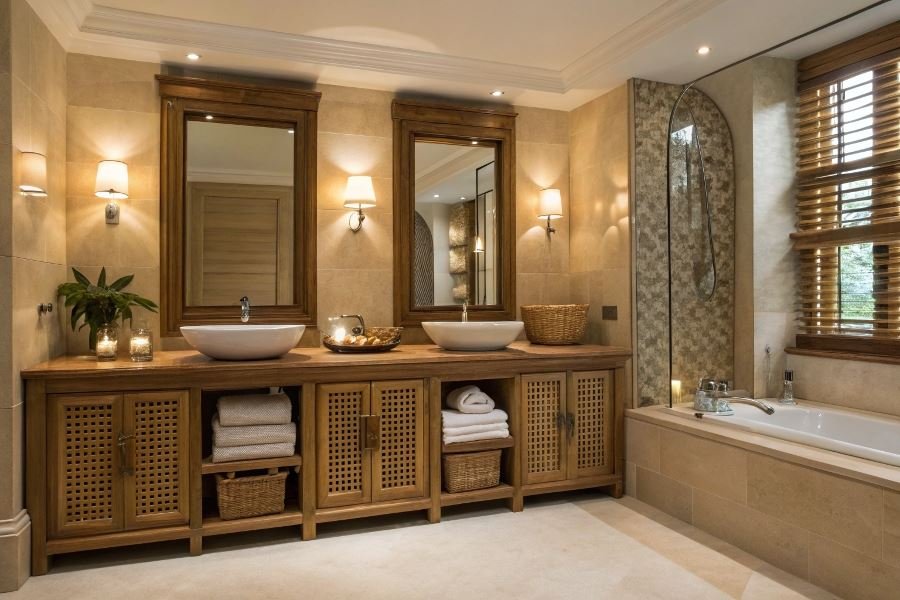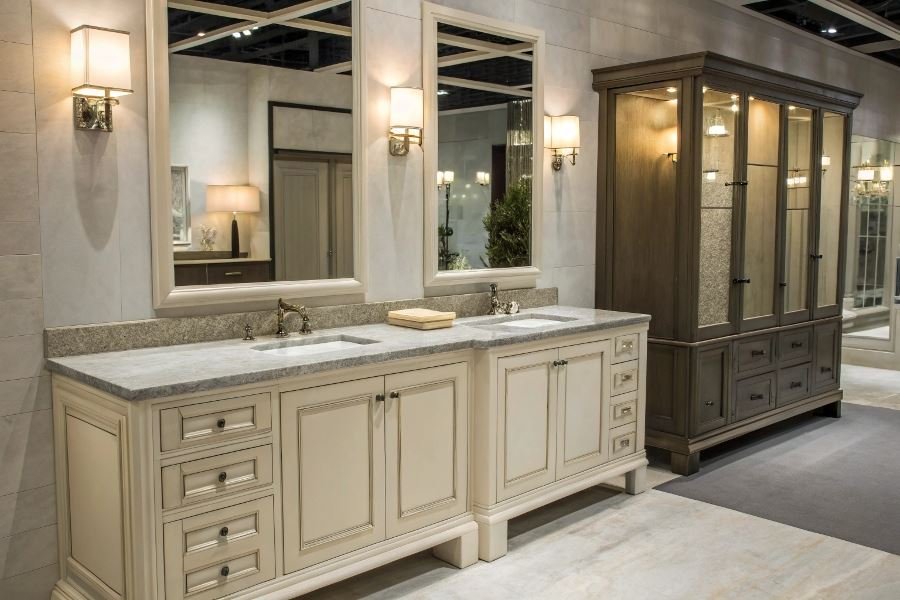
Ever walked into a beauty salon and immediately sensed something was off? That subtle feeling might trace back to what’s hiding in plain sight—the furniture supporting those luxurious bathtubs where clients experience their most relaxing moments.
The foundation beneath salon bathtubs isn’t just functional—it’s the unsung hero of your entire client experience. When selecting materials for this critical salon element, you’re making decisions that will impact your business for years to come. The right choice creates an atmosphere of elegance and reliability; the wrong one leads to costly repairs and disappointed clients.
Water resistance stands as the non-negotiable first consideration. In environments where splashes and humidity are constant companions, materials must withstand moisture without warping, staining, or developing mold. But durability extends beyond just handling water—it encompasses resistance to cleaning chemicals, weight-bearing capacity, and longevity under daily use.
“The materials supporting your salon bathtubs silently communicate your commitment to quality and attention to detail.”
Aesthetically, these materials must complement your salon’s design language while maintaining their appearance through years of service. The visual harmony between bathtubs and their supporting furniture creates a sense of intentional luxury that clients subconsciously register.
Beyond appearances, the right materials dramatically impact functionality—from how easily staff can clean and maintain spaces to how comfortable clients feel during treatments. The perfect material choice creates a seamless experience where nothing distracts from pure relaxation.
Waterproof Warriors: Elite Materials for Salon Bathtub Furniture
When designing a beauty salon, the furniture supporting your bathtubs isn’t just an afterthought—it’s a critical investment that directly impacts your operational longevity and client experience. The constant exposure to water, cleaning chemicals, and humidity creates a uniquely challenging environment that demands specialized materials.
Selecting the right materials for furniture under the bathtub in a beauty salon requires balancing durability, moisture resistance, and aesthetic appeal. The top 3 materials for furniture under the bathtub in a beauty salon have emerged as clear industry leaders, each offering distinct advantages that cater to different priorities and design visions. Let’s dive into these exceptional options that smart salon owners are choosing.
Marine-Grade Plywood: The Time-Tested Champion
Marine-grade plywood stands as the gold standard for water-resistant wooden structures, earning its reputation through decades of performance in the harshest marine environments.
Key advantages:
- Manufactured with waterproof glue between all layers
- Features minimal voids and knots for structural integrity
- Typically made from hardwood veneers for superior strength
- Resists warping and delamination even with prolonged moisture exposure
Marine plywood’s density provides exceptional screw-holding power, crucial for maintaining structural integrity in humid salon environments. When properly sealed with marine-grade varnish, this material can withstand daily water exposure for 15+ years.
“The difference between standard and marine-grade plywood becomes evident within months in a salon environment—one fails, the other thrives.”
High-Density Polyethylene: The Synthetic Powerhouse
HDPE represents the cutting edge of synthetic materials engineered specifically for wet environments.
Performance highlights:
- 100% waterproof with zero absorption properties
- Impervious to mold, mildew, and bacteria growth
- Exceptional chemical resistance against salon cleaning agents
- Available in various colors and textures for design flexibility
| Property | Rating (1-10) | Notes |
|---|---|---|
| Water Resistance | 10 | Complete impermeability |
| Structural Strength | 8 | Excellent load-bearing capacity |
| Maintenance | 9 | Simple cleaning, no sealing required |
| Lifespan | 9 | 20+ years in wet environments |
HDPE’s non-porous surface makes it particularly valuable in salon settings where hygiene is paramount. Unlike wood alternatives, it never needs resealing and maintains its appearance with minimal maintenance.
Waterproof PVC Composite: The Designer’s Dream
For salons prioritizing contemporary aesthetics alongside practical performance, waterproof PVC composite materials offer compelling advantages.
Designer benefits:
- Significantly lighter weight than alternatives (30-40% lighter than plywood)
- Available in virtually unlimited finishes, including wood grain textures
- Precision CNC-compatible for custom designs and features
- Excellent thermal and acoustic insulation properties
The cellular structure of modern PVC composites creates a material that combines rigidity with surprising lightness. This makes installation simpler and reduces structural load requirements.
Practical considerations:
- Resistant to chemicals, including hydrogen peroxide and ammonia
- Will not rot, splinter, or delaminate
- Maintains color stability even with UV exposure
- Typically 100% recyclable for eco-conscious salons
The versatility of PVC composites allows for seamless integration with modern salon aesthetics while delivering the practical performance needed in wet environments. Its growing popularity stems from this perfect balance of form and function.
Making the Smart Investment: Choosing Your Salon’s Bathtub Base Material
The Real Cost of Quality Materials
When investing in your beauty salon’s infrastructure, the foundation beneath your bathtubs deserves careful financial consideration. Let’s break down what you’re really paying for with each material option:
| Material | Initial Cost Range | Lifespan | Cost Per Year |
|---|---|---|---|
| Marine-Grade Plywood | $200-450 | 7-10 years | $28-45 |
| Waterproof MDF | $150-300 | 5-7 years | $30-43 |
| Solid Surface Material | $500-900 | 15-20 years | $33-45 |
Marine-grade plywood offers excellent mid-range value, balancing upfront costs with respectable longevity. While not the cheapest initially, its extended lifespan makes it cost-effective over time.
The hidden value of solid surface materials lies in their remarkable durability—they may cost twice as much upfront, but can last nearly three times longer than standard alternatives.
Waterproof MDF presents the lowest entry point but requires more frequent replacement, potentially costing more in the long run when you factor in installation labor and business disruption.
Maintenance Reality Check
Your material choice dramatically impacts your maintenance schedule and long-term operational costs:
Marine-grade plywood requires annual sealing and inspection of joints—approximately 2-3 hours of maintenance annually. With proper care, expect minimal structural issues throughout its lifespan.
“The most expensive material is the one you have to replace prematurely due to poor maintenance.”
Waterproof MDF demands vigilant moisture monitoring and immediate attention to any water exposure. Even with diligent care, edge swelling remains a persistent risk, particularly in high-humidity environments.
Solid surface materials shine in this category, requiring only routine cleaning with non-abrasive products. Their non-porous nature eliminates water absorption concerns, and minor scratches can be buffed out rather than requiring replacement.
Professional Installation Insights
The finest materials can fail with improper installation. Here’s what professionals recommend:
Marine-grade plywood installation requires specialized marine-grade screws and waterproof adhesive. Most manufacturers offer 5-7 year limited warranties, covering material defects but not water damage from improper sealing.
Waterproof MDF demands precision cutting to prevent edge exposure and specialized edge-sealing techniques. Typical warranties range from 3-5 years, with strict maintenance compliance requirements.
Solid surface materials require professional installation by certified fabricators—many manufacturers like Corian and LG HI-MACS will void warranties if installed by non-certified professionals. However, they offer the most comprehensive coverage, with 10-15 year transferable warranties that often include both materials and workmanship.
For all materials, professional installation typically adds $300-600 to your project cost but dramatically reduces failure risks. The investment in proper installation often pays for itself by preventing premature replacement and extending material lifespan beyond standard expectations.
Your choice ultimately depends on your salon’s specific needs, budget constraints, and long-term business vision—but understanding these practical considerations ensures you’re making an informed decision that balances immediate costs against lasting value.
Discover the top 3 waterproof materials for salon bathtub furniture that combine durability with style. Compare marine-grade plywood, HDPE, and PVC composite options to create a functional, elegant space that withstands moisture while enhancing client experience.
Discover the top 3 waterproof materials for salon bathtub furniture that combine durability with style. Compare marine-grade plywood, HDPE, and PVC composite options to create a functional, elegant space that withstands moisture while enhancing client experience.