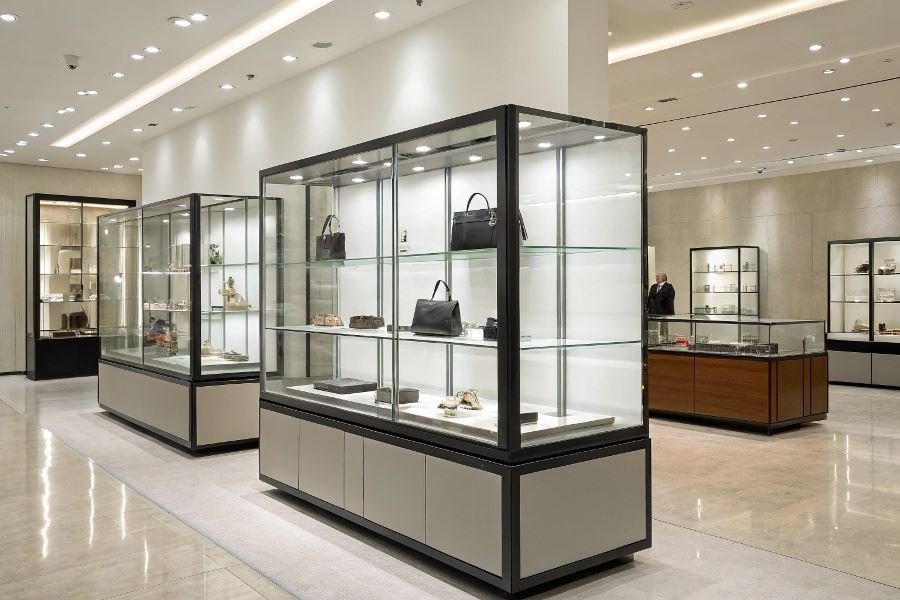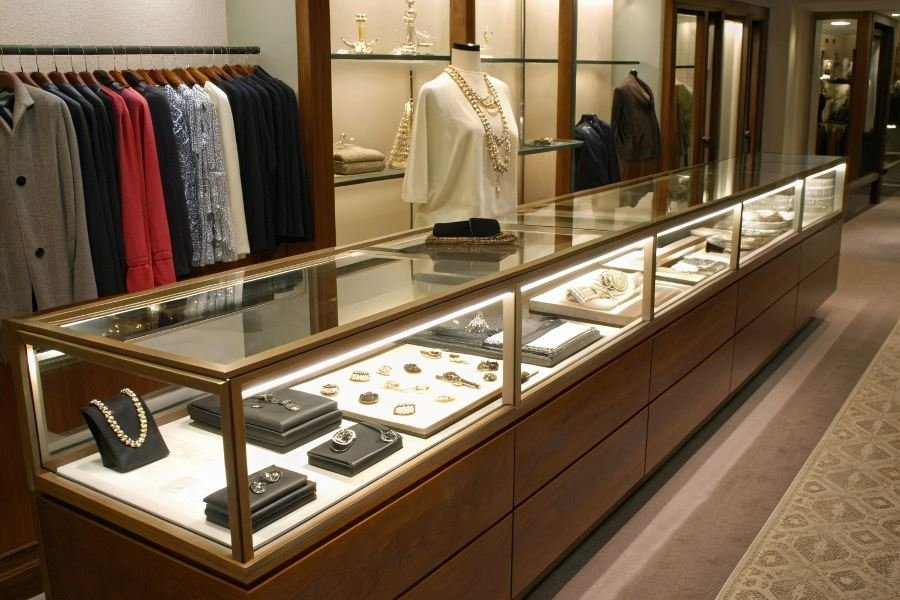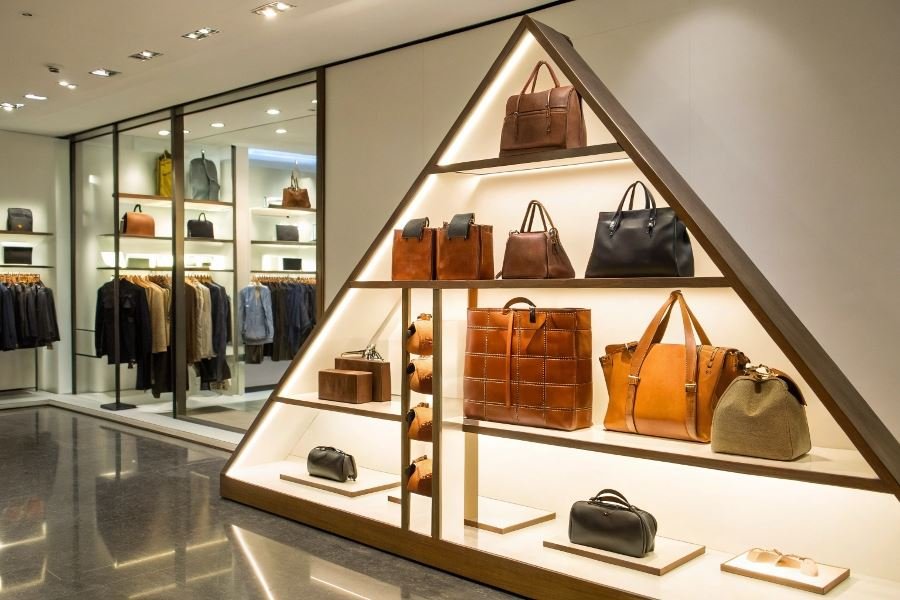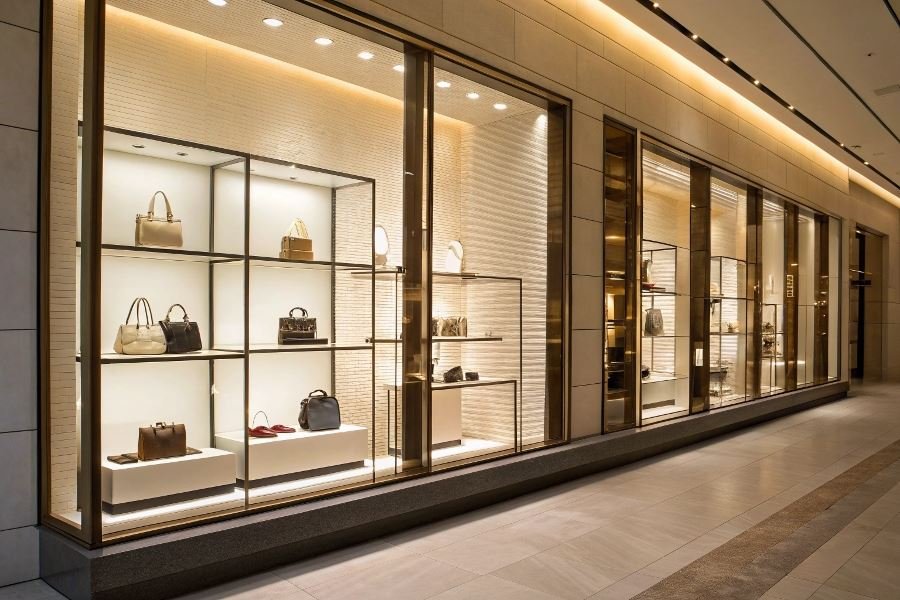
What if your exhibition booth could speak directly to your ideal customers, even before you say a word? In the competitive landscape of trade shows, your showcase design isn’t just furniture—it’s your silent salesperson.
Trade exhibition showcases represent the physical manifestation of your brand in a high-stakes environment where first impressions happen in seconds. These specialized display systems serve as the architectural framework that houses your products, communicates your value proposition, and ultimately determines whether attendees walk past or stop to engage. The right showcase can transform a standard 10×10 space into a magnetic brand experience that generates qualified leads for months after the event concludes.
Different showcase types serve distinctly different purposes. Modular systems offer flexibility and reusability across multiple events, while custom-built displays deliver unmatched brand immersion but at premium price points. Portable pop-up displays provide budget-friendly solutions for businesses testing exhibition waters, whereas interactive technology showcases create memorable engagement opportunities through touchscreens and virtual reality.
When selecting the ideal showcase for your exhibition needs, three factors should guide your decision:
- Traffic flow management – How will visitors navigate your space?
- Product visibility requirements – What lighting, height, and security does your merchandise demand?
- Brand storytelling capacity – Can the structure support your narrative visually?
The most successful exhibitors understand that showcase selection isn’t merely about aesthetics—it’s about creating strategic advantage in an environment where every square foot must deliver measurable return on investment.
Showcase Showdown: Navigating Exhibition Display Options
When businesses step onto the trade show floor, their display choices can make or break their presence. The strategic selection of exhibition showcases directly impacts brand perception, audience engagement, and ultimately, return on investment. Types of trade exhibition showcases: advantages and disadvantages represent critical decision points for exhibitors seeking to maximize their impact while managing practical constraints.
Standard Showcases: The Reliable Workhorses
Standard exhibition showcases have earned their place through decades of reliable performance. These traditional display systems typically feature aluminum frames, laminate panels, and standardized dimensions that create a professional, consistent appearance.
Key advantages:
- Proven durability – Withstand multiple show cycles with minimal wear
- Cost efficiency – Lower initial investment than custom alternatives
- Familiar aesthetics – Provide a classic, professional appearance
- Simplified logistics – Standard dimensions facilitate easier shipping and storage
However, these traditional options come with notable limitations:
- Limited brand differentiation in crowded exhibition halls
- Restricted creative expression and architectural possibilities
- Fewer opportunities for interactive or technology integration
- Standardized heights and configurations that may not suit all products
Modular Showcases: Flexibility Champions
Modular exhibition systems have revolutionized the trade show landscape by offering reconfigurable components that adapt to different spaces and marketing objectives.
Standout benefits:
- Adaptability across venues – Reconfigure for booths from 10×10 to island displays
- Long-term value – Components can be reused in multiple configurations
- Transportation efficiency – Compact shipping dimensions reduce freight costs
- Quick assembly – Tool-free connections speed setup and breakdown times
“Modular systems have transformed our exhibition strategy completely. We’ve used the same core components for six different shows this year, each with a completely different footprint and look.” – Industry exhibitor
The flexibility comes with trade-offs:
- Potential stability concerns with some lightweight systems
- Limited structural options for heavy product displays
- Higher initial investment than standard options
- Design constraints within the modular framework
Custom-Built Showcases: Brand Statement Makers
For brands seeking maximum impact, custom-built exhibition showcases offer unparalleled creative freedom and brand alignment.
| Custom Showcase Element | Brand Impact Potential |
|---|---|
| Architectural features | High |
| Material selection | Very High |
| Lighting integration | Exceptional |
| Interactive elements | Transformative |
Compelling advantages:
- Complete brand alignment – Every element reflects brand identity
- Attention magnetism – Unique designs draw visitors naturally
- Product presentation optimization – Displays designed specifically for your offerings
- Competitive differentiation – Stand out dramatically from standard booths
These benefits come at a cost:
- Significantly higher investment requirements
- Limited reusability across different venues
- Complex logistics and installation requirements
- Longer lead times for design and production
The showcase selection process demands careful consideration of marketing objectives, budget constraints, and practical logistics. The most successful exhibitors often blend elements from different showcase types to create displays that balance impact with practicality.
Strategic Showcase Selection: Maximizing Exhibition Impact
Aligning Showcase Types with Industry Needs
The showcase you select becomes your brand’s physical ambassador on the exhibition floor. Different industries demand different display approaches. Manufacturing companies benefit from modular showcases that can physically demonstrate product capabilities, while tech firms often leverage interactive digital displays that showcase software functionality without physical products.
Financial services excel with consultation-focused booth designs featuring private meeting spaces, whereas food and beverage brands require specialized showcases with temperature control and sampling stations. The healthcare industry typically needs showcases with enhanced lighting for detailed product examination and demonstration areas for medical devices.
Exhibition objectives dictate showcase selection. Brand awareness campaigns thrive with eye-catching island displays visible from multiple angles. Product launches demand demonstration-friendly counters and multimedia integration. Lead generation goals are best served by showcases with dedicated consultation areas and digital lead capture systems.
The most successful exhibitors don’t choose showcases based on what looks impressive—they select designs that strategically amplify their specific business objectives.
Budget Frameworks and ROI Calculations
Exhibition showcase investments range dramatically—from $5,000 for basic inline displays to $250,000+ for custom island exhibits. The true calculation must include:
- Initial purchase/rental costs
- Installation and dismantling expenses
- Shipping and storage fees
- Maintenance and refurbishment costs
- Staff training requirements
ROI measurement requires sophisticated tracking beyond simple lead counts. Advanced exhibitors implement:
| ROI Metric | Measurement Method | Typical Benchmark |
|---|---|---|
| Cost per lead | Total exhibition cost ÷ qualified leads | $150-300 per lead |
| Conversion rate | Sales from exhibition leads ÷ total leads | 15-25% |
| Brand exposure | Social media mentions + press coverage | Industry-dependent |
| Customer engagement | Average dwell time × visitor count | 5-8 minutes per visitor |
Modular systems offer 30-40% cost savings over fully custom designs when amortized across multiple shows. However, custom showcases typically generate 25-35% higher engagement metrics when properly aligned with brand positioning.
Emerging Showcase Innovations
The exhibition landscape is transforming through technological integration and sustainability demands. Augmented reality overlays are revolutionizing traditional physical displays, allowing visitors to visualize products in their own environments through ARKit and similar platforms.
Sustainable materials have moved from nice-to-have to essential, with biodegradable structures and recycled components becoming industry standards. Lightweight aluminum framing systems reduce carbon footprints through decreased shipping weights while maintaining structural integrity.
Interactive technologies continue evolving beyond touchscreens to include:
- Gesture-controlled displays that eliminate physical contact
- RFID-enabled personalization that tailors content to specific visitor profiles
- AI-powered recommendation systems that adapt showcase content based on visitor engagement patterns
The most forward-thinking exhibitors are embracing “phygital” showcases—hybrid physical-digital environments where tangible products seamlessly integrate with digital experiences. These systems capture 40% more visitor data while reducing staffing requirements by approximately 25%.
Modular designs with tool-free assembly are gaining prominence, reducing setup times by up to 60% compared to traditional systems while offering greater flexibility for varying exhibition spaces and objectives.
Discover the perfect trade exhibition display for your business needs. Compare traditional, modular, and custom showcases with our comprehensive guide to advantages, disadvantages, and strategic selection factors for maximum ROI at your next trade show.
Discover the perfect trade exhibition display for your business needs. Compare traditional, modular, and custom showcases with our comprehensive guide to advantages, disadvantages, and strategic selection factors for maximum ROI at your next trade show.