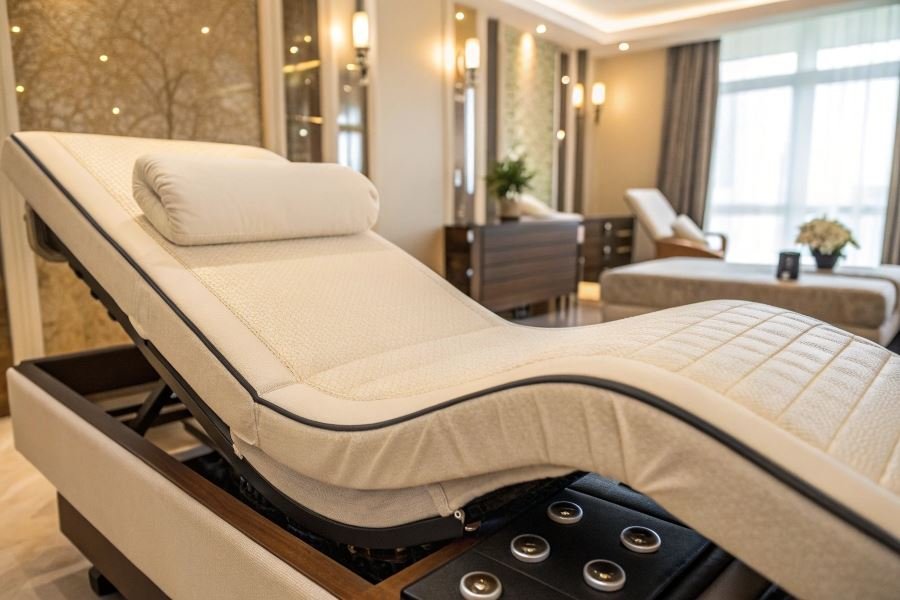
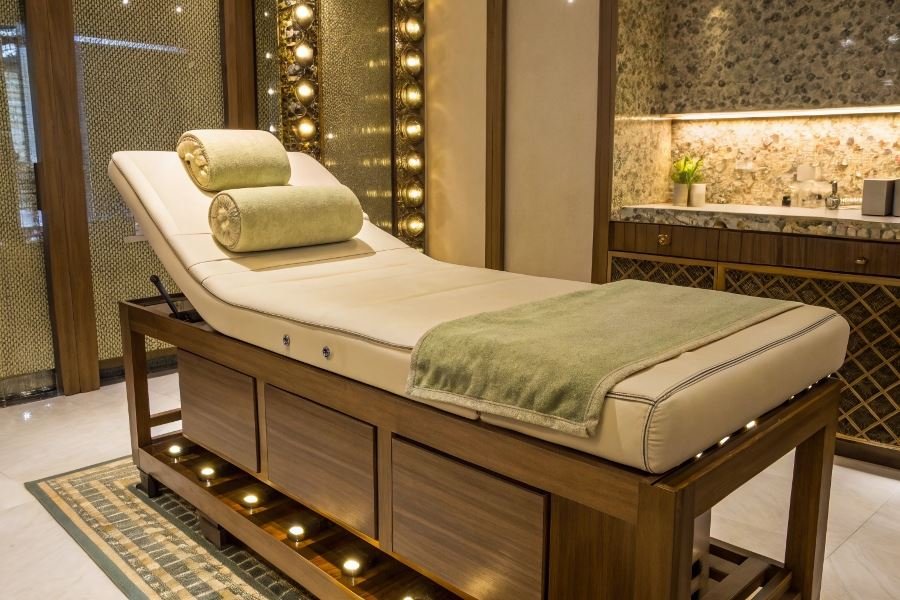
Ever wondered why some massage beds leave you feeling like you’ve been touched by healing hands, while others feel like you’re being poked by an enthusiastic amateur? The difference often comes down to one crucial distinction: electric versus mechanical technology.
Massage beds have evolved dramatically since their inception, transforming from simple stationary platforms to sophisticated wellness tools. Electric massage beds operate using motorized systems that power rollers, airbags, and heating elements through programmable controls. They offer precise, consistent pressure with minimal effort from the user. Mechanical massage beds, by contrast, rely on manual mechanisms—typically springs, levers, or hand-cranked systems—that translate physical force into therapeutic movement.
The differences extend far beyond their power source. Electric models offer programmable sessions, memory settings, and often integrate heat therapy and zero-gravity positioning. Mechanical beds shine with their simplicity, durability, and freedom from electrical dependencies. They never need charging, won’t fail during power outages, and typically require less maintenance over their lifespan.
“The right massage bed isn’t about price or features—it’s about alignment with your specific wellness goals and lifestyle constraints.”
Choosing between these options demands honest assessment of your needs. Consider your budget constraints, available space, desired features, and physical limitations. Someone recovering from surgery might benefit from the gentle precision of electric models, while a massage therapist seeking reliability might prefer mechanical durability.
The decision ultimately rests on understanding what your body truly needs—not just what marketing suggests you want.
The Ultimate Massage Bed Showdown
Performance That Makes a Difference
When comparing electric and mechanical massage beds, the performance capabilities create distinctly different experiences. Electric massage beds offer precision that mechanical systems simply can’t match. With programmable settings, users can adjust massage intensity from gentle vibrations to deep-tissue pressure with the touch of a button. Most premium electric models from brands like Inada feature up to 12 intensity levels and can target specific muscle groups with pinpoint accuracy.
The decision between electric vs mechanical massage beds: which is better often comes down to the techniques available. Electric beds typically offer 5-8 distinct massage styles including Swedish, shiatsu, and rolling techniques. Mechanical beds, while more limited, excel at consistent pressure application through their spring-loaded mechanisms. The manual operation means the pressure remains constant throughout the session—something some therapists actually prefer for certain treatments.
Customization options create another significant divide. Electric models from Human Touch and similar manufacturers provide pre-programmed routines plus the ability to create custom sequences. Mechanical beds offer fewer bells and whistles but provide tactile feedback that some practitioners find gives them better control during therapy sessions.
The Financial Equation
Initial investment represents the most obvious difference between these options. Electric massage beds typically range from $2,000 to $7,500 for professional models, while mechanical alternatives generally cost between $700 and $2,500. This price gap reflects the technology differential but doesn’t tell the complete story.
Maintenance considerations shift the financial calculation significantly over time. Electric beds require periodic servicing of motors, control systems, and power components—averaging $150-300 annually depending on usage. Mechanical beds primarily need occasional lubrication and spring replacement, typically costing under $100 per year.
| Cost Factor | Electric Beds | Mechanical Beds |
|---|---|---|
| Initial Purchase | 2, 000−7,500 | 700−2,500 |
| Annual Maintenance | $150-300 | $50-100 |
| Electricity Costs | $30-60/year | $0 |
| Average Lifespan | 7-10 years | 10-15 years |
The long-term value equation must also factor in operational efficiency. Electric beds require power sources and consume electricity—a modest but ongoing expense. Mechanical beds require no power source, making them more versatile for mobile therapists and reducing operational costs.
Built to Last
Durability presents interesting contrasts between these massage bed types. Electric models contain complex systems with multiple potential failure points—motors, circuit boards, and sensors. However, premium manufacturers like Oakworks have engineered impressive reliability, with mean time between failures exceeding 5,000 hours of operation.
Mechanical beds shine in reliability metrics due to their simpler construction. With fewer components to fail, these beds often remain functional for 15+ years with proper maintenance. The primary wear points—springs and adjustment mechanisms—can be replaced relatively inexpensively, extending useful life considerably.
Environmental factors affect both types differently. Electric beds are more sensitive to power fluctuations and moisture, while mechanical beds may experience more rapid wear in high-humidity environments due to metal components. Both require proper care, but mechanical beds generally prove more forgiving of less-than-ideal conditions.
The reliability advantage shifts depending on usage patterns. For high-volume practices performing 8+ massages daily, electric beds’ consistent performance may outweigh mechanical durability. For occasional use or mobile therapists, mechanical beds’ simplicity translates to fewer headaches and maintenance issues over time.
Making the Final Choice: Electric vs Mechanical Massage Beds
When investing in wellness technology, the decision between electric and mechanical massage beds deserves careful consideration. Let’s distill what we’ve learned and guide you toward the perfect match for your specific needs.
The Ultimate Comparison Breakdown
Both electric and mechanical massage beds offer distinct advantages and limitations that directly impact your wellness journey:
| Feature | Electric Massage Beds | Mechanical Massage Beds |
|---|---|---|
| Power Source | Requires electricity | Manual operation |
| Customization | Extensive program options | Limited adjustment range |
| Therapeutic Range | Comprehensive, consistent pressure | Basic, user-controlled intensity |
| Maintenance | More complex, potential repairs | Simpler mechanics, fewer breakdowns |
| Durability | 5-8 years average lifespan | 10+ years with proper care |
| Price Range | 1, 200−5,000+ | 400−1,500 |
| Space Requirements | Larger footprint, fixed position | Often foldable, more compact |
Finding Your Perfect Match
For therapeutic recovery needs, electric beds from manufacturers like Inada or Osaki deliver consistent, programmable sessions targeting specific conditions. Their ability to maintain precise pressure and offer specialized programs for conditions like sciatica or lower back pain makes them worth the investment for serious therapeutic applications.
Those managing chronic pain conditions report significantly better outcomes with programmable electric models that can deliver consistent therapy without fatigue.
Budget-conscious wellness enthusiasts will find mechanical options from Earthlite provide excellent value. While lacking programmable features, these beds deliver fundamental massage benefits at one-third the cost of premium electric models. The simplicity translates to fewer repair issues and longer overall lifespan.
Space-limited environments benefit from mechanical models’ typically smaller footprint and portability. Many mechanical options fold for storage—impossible with most electric units that require permanent placement due to their complex mechanisms and weight.
The best massage bed isn’t necessarily the most expensive or feature-rich, but rather the one that seamlessly integrates with your lifestyle, space constraints, and wellness goals.
Tomorrow’s Massage Technology
The massage bed industry continues evolving rapidly, with several emerging trends reshaping the market:
AI-driven personalization is transforming electric models, with beds from Human Touch already incorporating body-scanning technology that automatically adjusts to individual physiology and tension patterns.
Hybrid designs are blurring the line between categories, with new models incorporating mechanical elements for reliability while adding targeted electric components for enhanced therapeutic benefits.
Sustainability focus is growing, with manufacturers developing eco-friendly materials and energy-efficient motors that reduce environmental impact without sacrificing performance.
Smart connectivity enables integration with health apps and wearables, allowing massage sessions to be informed by real-time biometric data and sleep patterns—creating truly personalized wellness experiences.
The decision ultimately hinges on your specific needs: therapeutic depth, budget constraints, and available space. Electric models excel in customization and consistency, while mechanical options offer simplicity, reliability, and value. By weighing these factors against your personal requirements, you’ll find the perfect massage bed to support your wellness journey for years to come.
Discover the definitive comparison between electric and mechanical massage beds. Learn about performance differences, cost considerations, and which option delivers superior therapeutic benefits for your specific needs and budget.
Discover the definitive comparison between electric and mechanical massage beds. Learn about performance differences, cost considerations, and which option delivers superior therapeutic benefits for your specific needs and budget.