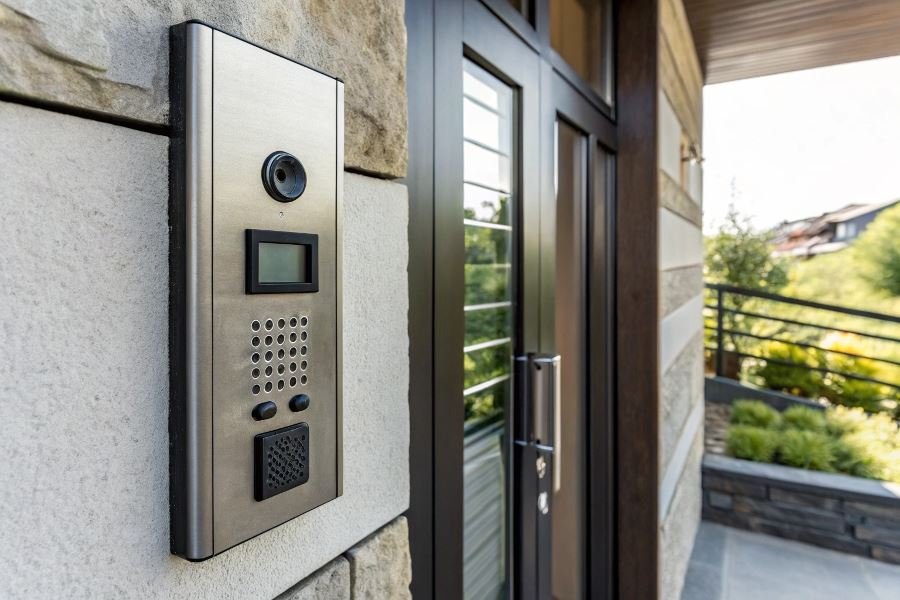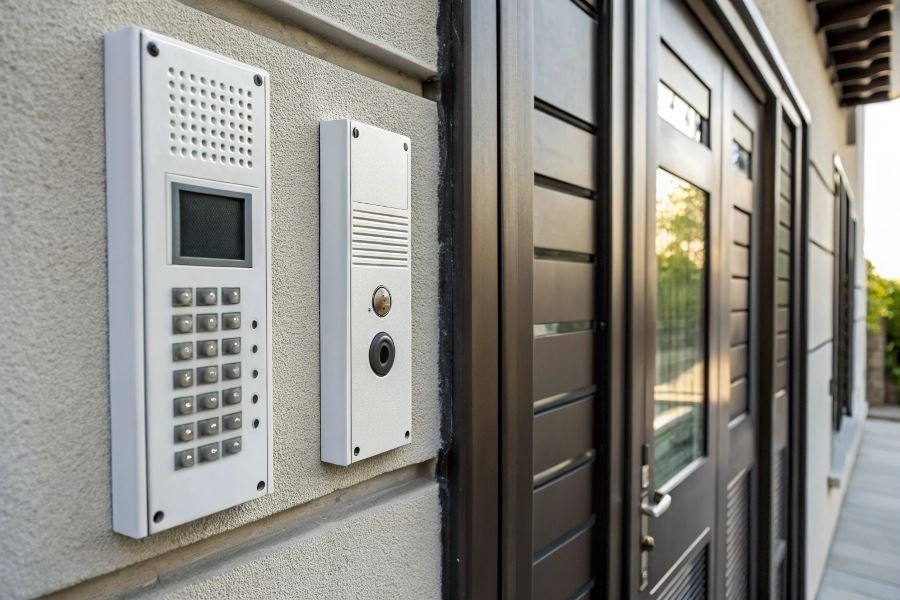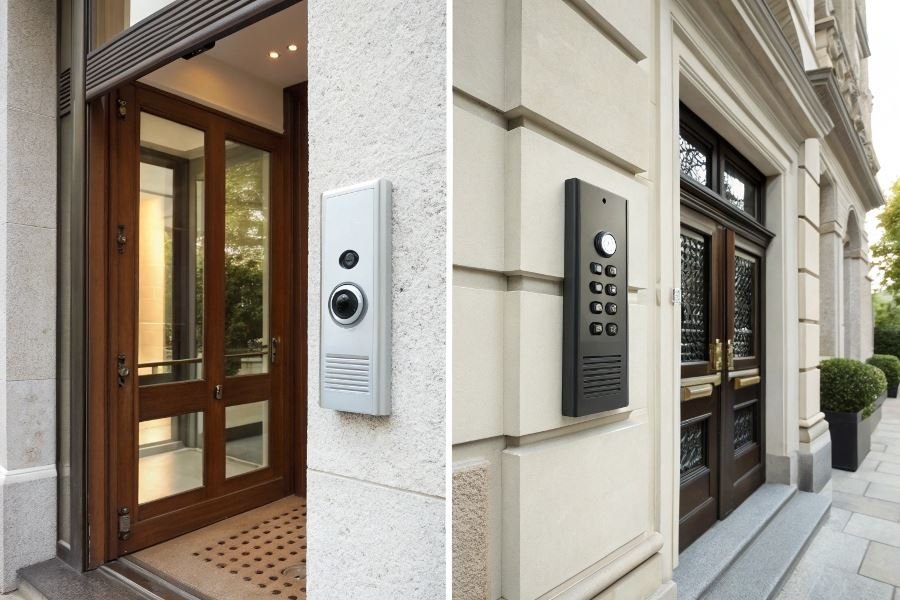
Remember when intercoms were just crackling audio boxes mounted beside your front door? Those days are long gone. Today’s intercom call panels have evolved into sophisticated security hubs that not only let you hear visitors but see them in stunning detail—sometimes in vivid color, sometimes in classic black and white.
The journey from audio-only intercoms to visual systems represents one of home security’s most significant leaps forward. Early video intercoms from the 1980s offered grainy black-and-white images that barely revealed who was standing outside. By the early 2000s, manufacturers had introduced color displays, though the resolution remained relatively low. Fast forward to today, and we’re seeing HD color panels with night vision, wide-angle lenses, and smart integration capabilities.
The market now offers remarkable diversity in both categories. Black-and-white panels remain popular for their reliability, lower power consumption, and often superior performance in low-light conditions. Meanwhile, color panels have become increasingly affordable while offering enhanced visitor recognition and aesthetic appeal that complements modern home designs.
When selecting between these options, consider these critical factors:
- Environmental conditions: Black-and-white panels typically perform better in challenging lighting situations
- Budget considerations: Color systems generally command a 15-30% premium
- Integration needs: How will your intercom connect with other smart home systems?
- Longevity expectations: Black-and-white technology often demonstrates greater durability in extreme weather
The choice between color and monochrome isn’t merely aesthetic—it’s about matching technology to your specific security requirements and environmental conditions.
The Ultimate Showdown: Color vs. Black-and-White Intercom Panels
Visual Performance That Makes or Breaks Security
When selecting an intercom system, the display quality determines not just aesthetics but functional security. Color panels deliver nuanced visual information that black-and-white systems simply cannot match. The comparison of color and black-and-white intercom call panels reveals significant differences in how each performs under various conditions.
Modern color displays typically offer resolutions starting at 420 TVL (TV lines) and reaching up to 1080p in premium models, while black-and-white panels generally max out around 380-420 TVL. This resolution gap becomes particularly evident in low-light situations. Color panels equipped with Sony or Panasonic CMOS sensors maintain clarity even at dusk, though they require supplemental LED illumination for true nighttime performance.
The visibility factor cannot be overstated. In direct sunlight, black-and-white panels historically held an advantage with their higher contrast ratios (typically 1000:1 versus 800:1 in older color models). However, the latest color panels with anti-glare coatings and brightness ratings of 500+ nits have effectively eliminated this gap.
Technical Specifications That Matter
| Specification | Color Panels | B&W Panels |
|---|---|---|
| Power Consumption | 3-5W | 1.5-3W |
| Average Lifespan | 5-7 years | 7-10 years |
| Operating Temperature | -22°F to 140°F | -40°F to 158°F |
| IP Rating | IP65-IP67 | IP65-IP68 |
The technical differences extend beyond the visible. Black-and-white panels consume approximately 40-50% less power than their color counterparts, making them ideal for battery-backed systems or remote installations. This efficiency translates to reduced heat generation, contributing to their impressive durability advantage.
Weather resistance testing shows black-and-white panels maintaining slight superiority in extreme conditions. Most premium B&W models boast IP68 ratings (complete dust protection and water immersion beyond 1 meter), while color panels typically achieve IP65-IP67 certification. The Aiphone JO series exemplifies this difference, with their B&W models consistently outperforming color variants in accelerated weather testing.
The durability gap stems primarily from simpler electronics and fewer temperature-sensitive components in monochrome systems.
Price-to-Performance: The Bottom Line
The cost differential between comparable models averages $75-150, with color systems commanding the premium. Entry-level color panels start around $180, while quality black-and-white options begin at approximately $100.
This price difference must be weighed against practical benefits:
- Visitor identification: Color panels provide 30-40% better subject recognition in identification tests
- Maintenance costs: B&W systems typically require service every 5-7 years versus 3-5 years for color panels
- Integration capabilities: Color systems offer superior compatibility with modern smart home ecosystems like Control4 and Crestron
For properties with multiple entry points, the cumulative cost difference becomes substantial. A four-entrance installation using Comelit systems would represent approximately $400-600 in additional investment for color capability.
The verdict? For high-security applications or luxury properties where visitor identification is paramount, color panels justify their premium. For basic functionality in stable environments, black-and-white systems deliver exceptional value with their lower initial investment and reduced lifetime operating costs.
Making the Right Choice: Color vs Black-and-White Intercom Panels
When selecting an intercom system for your property, the display panel choice significantly impacts both functionality and user experience. The decision between color and black-and-white panels isn’t merely aesthetic—it’s about matching technology to specific security needs and environmental conditions.
Where Color Intercom Panels Shine
Color intercom panels deliver exceptional value in high-security environments where visitor identification is paramount. The vibrant displays provide crystal-clear facial recognition with accurate skin tones and clothing details that black-and-white systems simply cannot match.
These systems excel in:
- Multi-tenant buildings where property managers need to distinguish between numerous visitors
- Luxury residential complexes where aesthetic appeal matters alongside security
- Commercial properties with frequent deliveries requiring package verification
- Medical facilities where visitor credentials often include color-coded badges
The latest Ring Video Doorbell models exemplify this advantage with 1080p HD color video that works even in low light conditions. Similarly, Aiphone offers color intercom systems with impressive 170° viewing angles that eliminate blind spots.
The ability to distinguish a blue uniform from a black one might seem trivial until it becomes the difference between admitting maintenance staff or an impostor.
Color systems also provide superior performance when integrated with smart home ecosystems, allowing seamless connection with color-capable security cameras and monitoring systems.
When Black-and-White Panels Prevail
Despite color technology advancements, black-and-white intercom panels maintain distinct advantages in specific scenarios:
- Extreme weather locations where temperature fluctuations can affect color display quality
- Budget-conscious installations requiring reliable performance at lower cost points
- Low-light environments where infrared capabilities often perform better without color processing
- High-traffic areas where display longevity is crucial
Black-and-white systems from manufacturers like Comelit typically consume 30-40% less power than their color counterparts, making them ideal for battery-backed or solar-powered installations.
| Feature | B&W Panels | Color Panels |
|---|---|---|
| Power Consumption | Lower | Higher |
| Night Vision | Superior | Good with IR LEDs |
| Initial Cost | $80-200 | $150-500+ |
| Display Lifespan | 7-10 years | 5-8 years |
| Temperature Tolerance | -30°F to 140°F | -10°F to 120°F |
Many security professionals prefer black-and-white systems in environments with challenging lighting conditions, as they typically offer better contrast in extreme brightness or darkness.
Future-Proofing Your Intercom Investment
When considering long-term value, integration capabilities become crucial decision factors. Modern intercom systems should:
- Support protocol expansion to accommodate future security standards
- Offer wireless connectivity options for simplified retrofitting
- Provide API access for custom integration with property management systems
- Allow component upgrades without complete system replacement
The 2N IP Verso system demonstrates this adaptability with modular components that can be upgraded individually as technology advances. Similarly, Siedle offers systems with backward compatibility spanning decades.
Black-and-white systems typically offer longer service lives with fewer component failures, while color systems provide more immediate integration with contemporary smart building technologies.
The ideal choice ultimately depends on balancing immediate security requirements against long-term facility plans. Properties anticipating technology upgrades within 3-5 years might benefit from color systems’ advanced integration capabilities, while those seeking maximum durability in challenging environments often find black-and-white options deliver superior value.
Discover the key differences between color and black-and-white intercom call panels to make an informed choice for your property. Compare visual quality, durability, power efficiency, and value to find the perfect security solution for your needs.
Discover the key differences between color and black-and-white intercom call panels to make an informed choice for your property. Compare visual quality, durability, power efficiency, and value to find the perfect security solution for your needs.