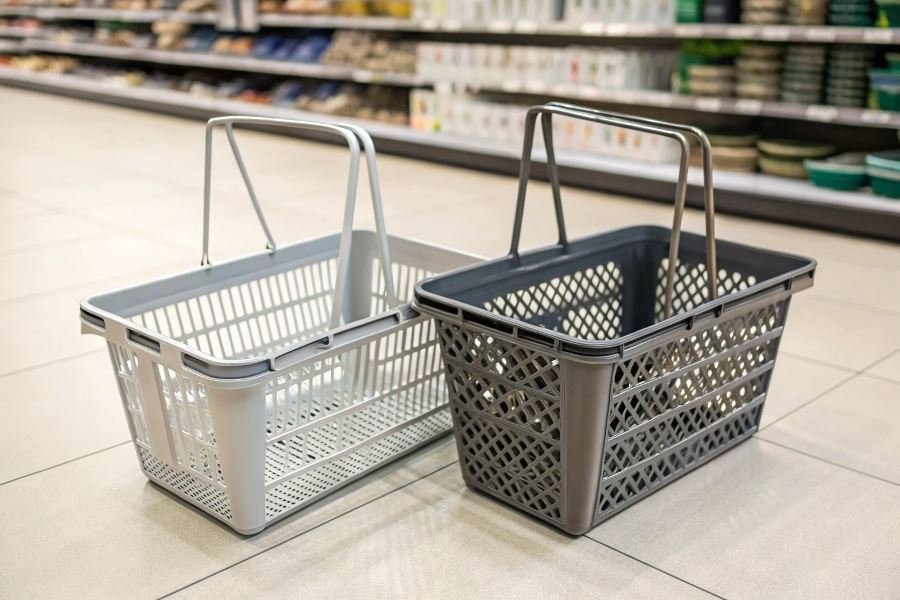
Ever pushed a squeaky, wobbly cart through a store and immediately judged the establishment? That’s the silent power of shopping carts—they speak volumes about your business before customers even reach your products.
Behind every smooth-gliding, sturdy cart is a critical material decision that affects not just customer experience but your bottom line. Smart retailers understand that cart materials aren’t just about holding merchandise—they’re about creating impressions, controlling costs, and ensuring longevity. The difference between a premium shopping experience and a frustrating one often comes down to what your carts are made of.
When selecting materials for shopping carts, four factors consistently drive decisions: durability in high-traffic environments, weight for customer maneuverability, initial investment costs versus long-term value, and maintenance requirements that affect operational expenses. The right balance of these elements can significantly impact customer satisfaction and operational efficiency.
The retail industry has largely settled on three superior materials that dominate the market: metal (primarily steel and its alloys), various plastics (including high-density polyethylene), and hybrid combinations that leverage the strengths of multiple materials. Each offers distinct advantages depending on your specific retail environment, customer base, and business model.
Let’s explore how these materials stack up against real-world retail challenges and why choosing the right one might be more consequential than you’ve imagined.
The Material Showdown: What Your Shopping Cart Is Really Made Of
When retailers invest in shopping carts, they’re making decisions that impact customer experience, operational costs, and sustainability for years to come. The humble shopping cart—seemingly simple—represents a fascinating intersection of engineering, economics, and user experience.
The selection of materials for shopping carts has evolved dramatically since Sylvan Goldman introduced the first model in Oklahoma City in 1937. Today’s retail environment demands carts that balance durability, weight, cost, and aesthetics. Understanding the top 3 materials for shopping carts can help businesses make informed decisions that align with their brand values and customer expectations.
Metal: The Time-Tested Titan
Metal shopping carts remain the gold standard in high-traffic retail environments. Their remarkable durability comes with distinct advantages:
Steel carts offer unmatched structural integrity, typically lasting 10+ years even in demanding environments. The initial investment—averaging $150-200 per unit—pays dividends through longevity.
Chrome-plated versions add corrosion resistance and aesthetic appeal, though at a 15-20% premium over basic steel models.
Stainless steel carts represent the premium tier, offering:
- Exceptional resistance to rust and corrosion
- Reduced maintenance requirements
- Superior hygiene standards (crucial for food retailers)
- Distinctive upscale appearance
The average stainless steel cart can withstand over 20,000 shopping trips before requiring significant maintenance—nearly double the lifespan of standard steel models.
Plastic: The Lightweight Contender
Plastic shopping carts have gained significant market share, particularly in specialty retail and smaller format stores.
High-density polyethylene (HDPE) carts deliver:
- Weight reduction of 30-40% compared to metal alternatives
- Elimination of rust concerns
- Quieter operation
- Lower initial cost (typically $90-120 per unit)
Polypropylene models offer enhanced benefits:
- Superior impact resistance at temperature extremes
- Better chemical resistance
- Improved color retention
- Enhanced recyclability at end-of-life
The plastic revolution isn’t without drawbacks—these carts typically last 3-5 years in high-volume settings, requiring more frequent replacement than their metal counterparts.
Hybrid: The Best of Both Worlds
Hybrid shopping carts represent the innovative middle ground, combining metal frames with strategic plastic components.
This engineering approach delivers:
- Structural integrity where it matters most (frame, base)
- Weight reduction through plastic baskets and components
- Improved ergonomics with plastic handles and touch points
- Cost efficiency by using premium materials only where necessary
| Material Type | Average Lifespan | Initial Cost | Weight | Maintenance Requirements |
|---|---|---|---|---|
| Metal (Steel) | 8-10 years | $150-200 | 35-45 lbs | Moderate |
| Plastic (HDPE) | 3-5 years | $90-120 | 15-25 lbs | Low |
| Hybrid | 6-8 years | $120-170 | 25-35 lbs | Low-Moderate |
The hybrid approach has gained particular traction in specialty retail settings like Target and Whole Foods Market, where brand aesthetics and customer experience drive material decisions as much as durability concerns.
Each material category offers distinct advantages depending on a retailer’s specific needs, customer base, and long-term operational strategy. The right choice ultimately depends on balancing initial investment against total lifecycle costs while delivering the shopping experience customers expect.
Making the Right Material Choice for Your Shopping Carts
Material matchup that matters
When comparing the top contenders for shopping cart construction, each material brings distinct advantages to the retail floor. Stainless steel stands tall with unmatched durability, typically lasting 10-15 years even in high-traffic environments. Its resistance to corrosion makes it ideal for both indoor and outdoor use, though this comes with a premium price tag of $150-300 per cart.
Plastic carts offer remarkable versatility at roughly half the cost ($75-150). Modern high-density polyethylene (HDPE) carts weigh 15-20 pounds less than their metal counterparts while providing customization options that metal simply can’t match. However, their 5-7 year lifespan means more frequent replacement cycles.
Hybrid designs combine a metal frame with plastic components, striking a balance at $100-200 per unit. These carts retain about 70% of the durability of all-metal versions while incorporating the ergonomic benefits of plastic, particularly in handle design and child seating areas.
| Material | Average Lifespan | Weight | Cost Range | Best Environment |
|---|---|---|---|---|
| Stainless Steel | 10-15 years | 35-45 lbs | $150-300 | High-traffic, all weather |
| Plastic (HDPE) | 5-7 years | 15-25 lbs | $75-150 | Indoor, brand-focused |
| Hybrid | 7-10 years | 25-35 lbs | $100-200 | Balanced needs |
Tomorrow’s carts rolling in today
The shopping cart material landscape is evolving rapidly with sustainability leading innovation. Recycled ocean plastic is emerging as a game-changing material, with major retailers already testing carts made from up to 90% reclaimed marine waste.
Smart materials are gaining traction too. Self-cleaning surfaces using nano-coatings have seen a 40% adoption increase among premium retailers, addressing heightened customer hygiene concerns. These antimicrobial properties come with minimal weight or cost penalties.
Weight reduction remains a primary focus, with new aluminum alloys reducing cart weight by up to 30% compared to traditional steel while maintaining structural integrity. This translates directly to energy savings during manufacturing and transportation.
The most promising development may be biodegradable composites that maintain rigidity while offering end-of-life decomposition options, potentially revolutionizing how we think about cart lifecycle management.
Finding your perfect cart match
For businesses prioritizing longevity and minimal maintenance, stainless steel remains the gold standard, particularly for establishments with outdoor cart corrals or harsh cleaning protocols. The higher initial investment typically pays off through reduced replacement frequency.
Retailers with frequent layout changes or seasonal merchandising should consider plastic carts. Their lighter weight makes reconfiguration easier, and their customization potential allows for seasonal color schemes or promotional messaging integration.
Hybrid solutions make the most sense for businesses seeking balance. Grocery stores with moderate traffic and mixed indoor/outdoor environments benefit from the structural integrity of metal frames while gaining the weight and noise reduction advantages of plastic components.
Customer demographics should influence your decision too. Stores serving older populations benefit from lighter carts, while those catering to families need the structural integrity to support both children and groceries safely.
The most successful implementations come from retailers who view carts as an extension of their brand experience rather than merely functional equipment. The right material choice doesn’t just move products—it reinforces your brand values with every shopping trip.
Discover the top 3 shopping cart materials - metal, plastic, and hybrid designs - and learn how each performs in durability, cost-efficiency, and maintenance. Find the perfect cart material for your business needs.
Discover the top 3 shopping cart materials - metal, plastic, and hybrid designs - and learn how each performs in durability, cost-efficiency, and maintenance. Find the perfect cart material for your business needs.