That red cylinder mounted on your wall isn’t just a decoration—it’s your first line of defense when flames threaten everything you’ve built. Yet most business owners are shocked to discover that fire extinguishers don’t last forever. In fact, even unused extinguishers gradually lose their effectiveness, creating a dangerous false sense of security.
Fire extinguishers have a finite service life that depends on several critical factors. The type of extinguisher, environmental conditions, and frequency of inspections all determine how long your safety equipment remains reliable. Most dry chemical extinguishers last between 5-12 years, while pressurized water models typically need replacement after 5 years.
“The most dangerous fire extinguisher is the one you think works, but doesn’t.” — National Fire Protection Association
Regulatory requirements aren’t just bureaucratic red tape—they’re life-saving protocols established after tragic lessons. The NFPA 10 standard mandates monthly visual inspections, annual professional maintenance, and periodic hydrostatic testing. These requirements aren’t suggestions; they’re essential safeguards that protect both lives and property.
Environmental factors dramatically impact longevity. Extinguishers exposed to temperature extremes, moisture, or corrosive environments deteriorate faster than those in controlled settings. Even vibration from nearby machinery can compromise internal components, rendering your protection useless when flames appear.
Understanding when replacement is needed isn’t just about compliance—it’s about ensuring your safety equipment performs flawlessly during those critical moments when seconds determine whether a small incident becomes a devastating loss.
Spotting the End of Your Fire Extinguisher’s Life
Fire extinguishers stand as silent sentinels in our homes and businesses, ready to spring into action when flames threaten. Yet these critical safety devices don’t last forever. Understanding when your fire extinguisher has reached the end of its service life isn’t just about compliance—it’s about ensuring you have reliable protection when you need it most.
The service life of fire extinguishers varies significantly based on type, environment, and maintenance history. Most quality units will provide protection for 5-15 years, but knowing exactly when replacement is needed requires attention to specific indicators that many property owners overlook until it’s too late.
Visual Indicators That Demand Immediate Action
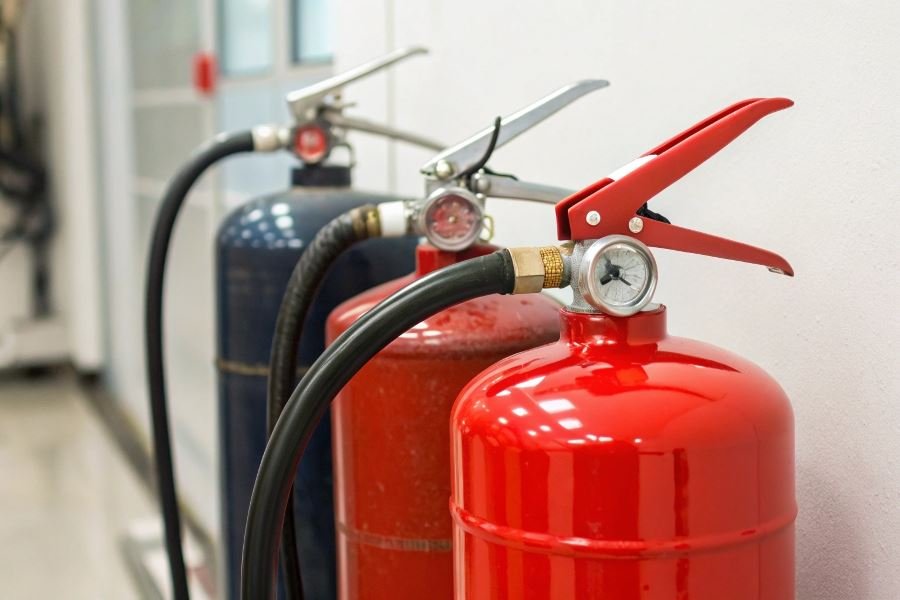
Your fire extinguisher communicates its condition through several visible signs. First, examine the body for corrosion, dents, or other physical damage. Even minor dents can compromise the cylinder’s integrity, potentially causing catastrophic failure during use.
Nozzle condition deserves special scrutiny. Look for cracks, blockages, or signs of tampering. A compromised nozzle means the extinguishing agent won’t deploy properly when needed.
The safety pin and tamper seal tell important stories too. If either is missing or damaged, the unit may have been discharged or tampered with, rendering it potentially useless in an emergency.
The hose assembly often reveals aging problems before other components. Check for cracks, brittleness, or blockages that would prevent proper agent delivery.
Pressure Gauge: The Truth-Teller
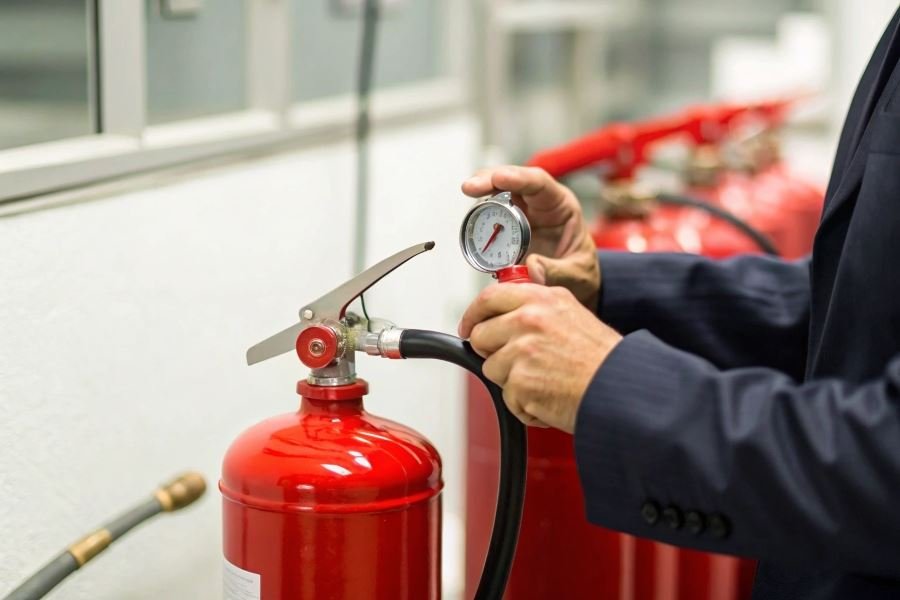
Perhaps the most straightforward indicator of your extinguisher’s health is its pressure gauge. This small dial provides critical information about the unit’s readiness:
| Gauge Reading | What It Means | Action Required |
|---|---|---|
| Green Zone | Proper pressure | Continue regular inspections |
| Below Green | Undercharged | Professional recharge or replacement |
| Above Green | Overcharged | Professional evaluation needed immediately |
| No Reading/Damaged | Gauge failure | Replace extinguisher |
Monthly pressure checks should become routine. A unit showing consistent pressure loss, even if still in the green zone, indicates a slow leak that will eventually render the extinguisher ineffective.
Manufacturer Guidelines: The Final Authority
While visual inspections and pressure readings provide valuable information, manufacturer specifications remain the ultimate authority on replacement timing.
Date stamps appear on all commercial extinguishers, typically on the label or stamped into the cylinder body. These indicate either the manufacturing date or the last service date. Most manufacturers specify:
- Disposable residential extinguishers: Replace every 12 years
- Rechargeable units: Professional servicing every 6 years, hydrostatic testing every 5-12 years (depending on type)
- CO₂ extinguishers: Hydrostatic testing every 5 years
Some environments accelerate deterioration dramatically. Extinguishers exposed to weather extremes, corrosive atmospheres, or high vibration environments may need replacement well before their nominal service life expires.
Remember that professional inspection requirements vary by jurisdiction and occupancy type. While monthly visual inspections are universally recommended, annual professional inspections are mandated for commercial properties by NFPA 10 standards.
When in doubt about your fire extinguisher’s condition, consult with certified fire safety professionals. The modest cost of replacement pales in comparison to the potential consequences of equipment failure during a fire emergency.
Extending Your Fire Extinguisher’s Lifespan
Fire extinguishers aren’t just buy-and-forget safety equipment—they’re investments that require strategic maintenance to deliver when you need them most. The difference between a properly maintained extinguisher and a neglected one could literally be the difference between a minor incident and a catastrophic loss.
Inspection schedules that save lives and dollars
The most effective maintenance program follows a three-tiered inspection approach:
Monthly visual inspections should become as routine as checking your email. These quick checks verify that your extinguisher is:
- Properly mounted and accessible
- Showing adequate pressure on the gauge
- Free from obvious physical damage
- Equipped with intact safety seals
These 30-second inspections can add years to your extinguisher’s functional lifespan while ensuring day-to-day readiness.
Annual professional inspections dig deeper into the extinguisher’s condition. During these inspections, certified technicians from companies like Amerex or Kidde will:
- Test the extinguisher’s internal pressure
- Examine discharge nozzles for blockages
- Verify the condition of extinguishing agents
- Check for internal corrosion using specialized equipment
Six-year internal maintenance involves complete disassembly of the extinguisher, replacement of seals, and thorough examination of all internal components. This deep-dive maintenance is mandatory for rechargeable extinguishers and dramatically extends their service life.
Professional servicing requirements and replacement timelines
Professional servicing isn’t just a recommendation—it’s mandated by NFPA 10 standards and often by local fire codes. The impact of professional servicing on replacement needs is substantial:
| Service Type | Frequency | Impact on Service Life | Replacement Indicators |
|---|---|---|---|
| Annual Inspection | Every 12 months | Extends by 1-2 years | Failed pressure test |
| Internal Maintenance | Every 6 years | Extends by 3-5 years | Internal corrosion |
| Hydrostatic Testing | 5-12 years (varies by type) | Critical for continued use | Failed hydrostatic test |
Rechargeable extinguishers typically last 10-12 years with proper maintenance, while disposable units generally need replacement every 12 years regardless of condition. However, immediate replacement is necessary if your extinguisher shows:
- Corrosion at the neck or along seams
- Damaged handles or levers
- Cracked or clogged nozzles
- Pressure gauge readings outside the operational range
Documentation practices that protect your investment
Tracking your fire extinguisher’s service life isn’t just good practice—it’s essential for compliance and safety. Implement these documentation strategies:
- Digital maintenance logs with automated reminders for upcoming service dates
- QR code tags on each extinguisher linking to its complete service history
- Photographic documentation of inspection results stored in cloud-based systems
The most overlooked aspect of fire extinguisher maintenance is consistent documentation that travels with the equipment throughout its lifecycle.
For businesses managing multiple extinguishers, specialized tracking software like FireTrac can automate the documentation process while ensuring no unit falls through the cracks.
Remember that proper maintenance doesn’t just extend service life—it ensures your fire extinguisher will perform flawlessly during those critical moments when every second counts.
Learn when to replace your fire extinguisher with our comprehensive guide. Discover key visual indicators, pressure gauge readings, and manufacturer guidelines that signal it's time for a replacement to ensure your safety equipment remains effective.
Learn when to replace your fire extinguisher with our comprehensive guide. Discover key visual indicators, pressure gauge readings, and manufacturer guidelines that signal it's time for a replacement to ensure your safety equipment remains effective.