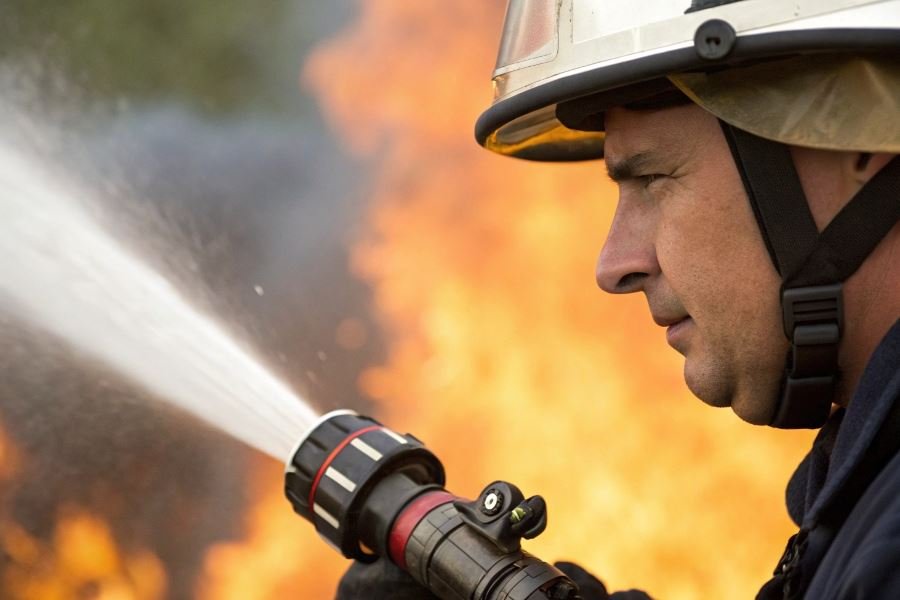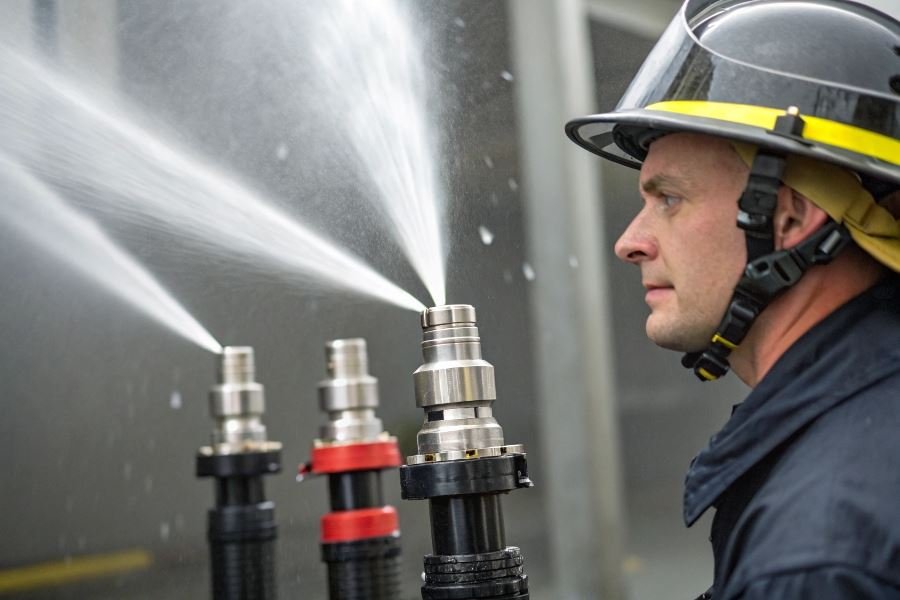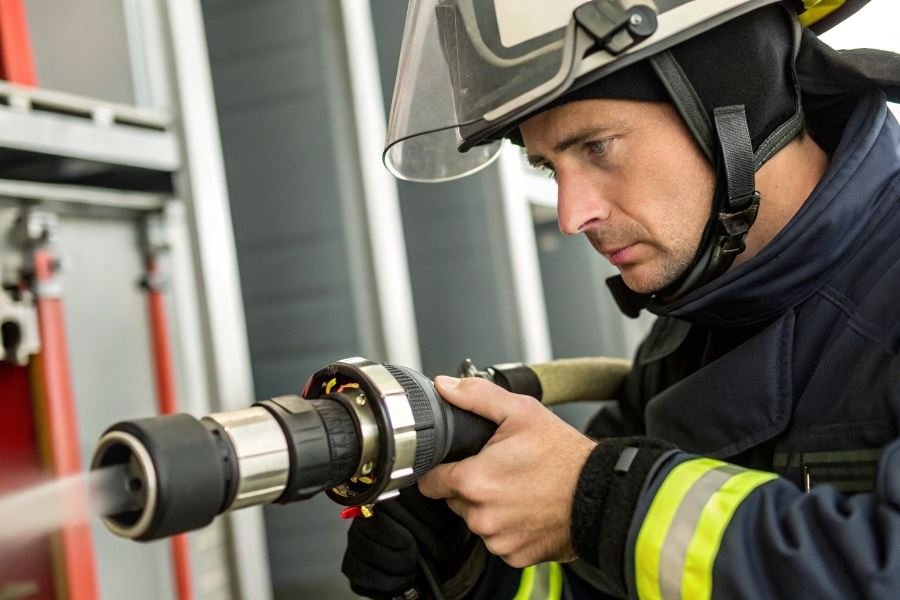
Did you know that a properly maintained fire hose can be the difference between a minor incident and a catastrophic loss? While sprinkler systems get all the glory, fire hoses remain the frontline defense in countless facilities across America.
Fire safety compliance isn’t just about checking boxes—it’s about understanding a complex web of regulations designed to protect lives and property. The regulatory framework for fire hoses has evolved dramatically since the Great Baltimore Fire of 1904, which destroyed over 1,500 buildings and highlighted critical flaws in firefighting equipment standardization. Today’s requirements represent decades of lessons learned through tragedy and innovation.
The regulatory landscape
The National Fire Protection Association (NFPA) serves as the primary authority developing fire hose standards, particularly through NFPA 1961 and 1962. These comprehensive guidelines cover everything from manufacturing specifications to testing protocols. Meanwhile, the Occupational Safety and Health Administration (OSHA) enforces workplace fire safety requirements, while local fire marshals interpret and apply these standards to specific facilities.
Beyond compliance: Strategic selection
Selecting the right fire hose isn’t merely about meeting minimum requirements—it’s about strategic risk management. Factors including:
- Facility type: Industrial settings require chemical-resistant hoses
- Water pressure capabilities: High-rise buildings need equipment that can overcome gravity
- Climate conditions: Extreme environments demand specialized materials
Regular maintenance isn’t just recommended—it’s mandated. Most jurisdictions require annual inspections and pressure testing to ensure operational readiness when seconds count.
Fire Hose Regulations That Keep Facilities Safe
When lives and property hang in the balance, the humble fire hose becomes the lifeline that makes all the difference. Behind every effective emergency response lies a complex web of regulatory requirements for fire hoses for various facilities that ensure these critical tools perform flawlessly when needed most. Let’s dive into the specifications that govern these essential safety components across different environments.
Commercial Building Standards: NFPA 1962 in Action
The National Fire Protection Association’s NFPA 1962 standard serves as the backbone for commercial fire hose requirements. This comprehensive guideline doesn’t just suggest—it mandates specific testing protocols, maintenance schedules, and performance criteria.
Commercial buildings must maintain fire hoses that undergo annual service testing at a minimum operating pressure of 150 psi (10.3 bar) for occupant-use hose lines. For standpipe systems, the requirements become even more stringent:
| Building Height | Minimum Pressure Rating | Testing Frequency |
|---|---|---|
| Under 75 feet | 175 psi | Annual |
| 75-150 feet | 250 psi | Annual |
| Over 150 feet | 300 psi | Annual + Quarterly Inspections |
Material requirements have evolved significantly since the introduction of synthetic jacketed hoses in the 1950s. Modern commercial buildings typically utilize EPDM (Ethylene Propylene Diene Monomer) rubber-lined polyester jacketed hoses that resist mildew, chemicals, and UV damage while maintaining flexibility in varied temperatures.
Industrial Facility Specifications: When Standard Isn’t Enough
Industrial environments present unique challenges that demand specialized fire hose specifications. Chemical plants, refineries, and manufacturing facilities require hoses capable of withstanding extreme conditions.
The pressure ratings alone tell a compelling story. While commercial buildings might operate at 150-300 psi, industrial fire hoses often need to handle:
- Petroleum facilities: 400+ psi working pressure
- Chemical plants: Chemical-resistant jackets with 500+ psi ratings
- Power generation: Heat-resistant hoses rated for 600+ psi
The Underwriters Laboratories certification becomes particularly crucial in these settings, with UL-listed industrial fire hoses undergoing rigorous burst testing at pressures exceeding 900 psi.
Material composition shifts dramatically in industrial settings. Nitrile rubber linings replace standard EPDM to resist petroleum products, while specialized TPU (Thermoplastic Polyurethane) coatings protect against chemical degradation.
Healthcare and Educational Institutions: Special Considerations
The regulatory landscape shifts again when examining healthcare facilities and educational institutions, where occupant safety concerns introduce additional requirements.
“The most stringent fire hose regulations often apply where the most vulnerable populations gather.”
Healthcare facilities must comply with both NFPA standards and Centers for Medicare & Medicaid Services (CMS) requirements. These dual mandates create a comprehensive safety framework:
- Hose cabinets must be ADA-compliant with specific height and access requirements
- Antimicrobial treatments on hose jackets reduce cross-contamination risks
- Quick-connect couplings allow for rapid deployment by staff with minimal training
- Pressure-reducing valves prevent dangerous discharge pressures in patient areas
Educational institutions face similar specialized requirements, with additional focus on tamper-resistant installations and simplified operation mechanisms. Elementary schools typically utilize Class II standpipe systems with 1½-inch hoses designed for use by trained staff, while universities often implement full Class III systems with both 1½-inch and 2½-inch connections.
The material selection for these facilities prioritizes non-toxic, low-smoke producing compounds that minimize secondary hazards during fire events—a critical consideration when evacuation may be complicated by mobility challenges or high occupancy.
Keeping Fire Hoses Ready When It Matters Most
Fire safety isn’t just about having equipment—it’s about having equipment that works when lives depend on it. Fire hoses represent the front line of defense against catastrophic loss, but only when they’re properly maintained according to stringent regulatory standards.
Inspection Schedules That Save Lives
The National Fire Protection Association (NFPA) establishes clear guidelines that facility managers must follow. NFPA 1962 requires visual inspections of fire hoses quarterly, with more comprehensive examinations annually. These aren’t optional suggestions—they’re mandatory safeguards.
A proper inspection protocol includes:
- Physical examination for abrasions, cuts, and coupling damage
- Gasket inspection for deterioration or misalignment
- Verification of proper hose storage (no kinks or strain)
- Documentation of hose service history and test results
The difference between a passing and failing inspection often comes down to documentation quality. Facilities must maintain detailed records that include manufacture dates, service history, and test results for each hose in the system.
Testing Procedures That Guarantee Performance
When a fire breaks out, there’s no time for equipment failure. Testing ensures hoses perform under pressure—literally.
Fire hose testing follows a methodical process:
- Service testing at prescribed intervals (annually for most occupancies)
- Pressure testing at 200 psi for standard hoses (higher for high-pressure systems)
- Hold pressure for 5 minutes while inspecting for leaks or coupling issues
- Testing of all hose sections, including those in storage
| Hose Type | Test Pressure | Test Duration | Testing Frequency |
|---|---|---|---|
| Attack Hose | 300 psi | 5 minutes | Annual |
| Supply Hose | 200 psi | 5 minutes | Annual |
| Standpipe Hose | 200 psi | 5 minutes | Annual |
| Forestry Hose | 300 psi | 5 minutes | Annual |
Failed tests require immediate removal from service—no exceptions. The NFPA doesn’t permit “good enough” when it comes to fire safety equipment.
Replacement Guidelines That Prevent Failure
Even well-maintained hoses have finite lifespans. Understanding when to replace rather than repair can prevent catastrophic failures during emergencies.
Replacement becomes necessary when:
- Hoses reach their service life (typically 10 years from manufacture date)
- Damage exceeds repair thresholds established by NFPA 1962
- Performance degradation is detected during testing
- Repairs would compromise the hose’s integrity
Certification documentation must accompany all new hose purchases. This includes:
- Manufacturer compliance certificates with applicable standards
- Proof of pressure testing before installation
- Documentation of compatibility with existing systems
- Service life expectations and warranty information
Smart facility managers don’t just meet minimum requirements—they exceed them with comprehensive maintenance programs.
For facilities with unique requirements, specialized testing equipment from manufacturers like Akron Brass or Potter Roemer can streamline compliance while improving accuracy.
The most effective fire safety programs integrate inspection, testing, and replacement into a seamless system. This isn’t just about checking boxes—it’s about creating a culture where fire safety equipment receives the attention it deserves. When emergency strikes, properly maintained fire hoses don’t just meet regulations—they save lives.
Comprehensive guide to fire hose compliance across commercial, industrial, and healthcare facilities. Learn essential NFPA 1962 standards, inspection requirements, and maintenance protocols to ensure proper fire safety certification and regulatory adherence.
Comprehensive guide to fire hose compliance across commercial, industrial, and healthcare facilities. Learn essential NFPA 1962 standards, inspection requirements, and maintenance protocols to ensure proper fire safety certification and regulatory adherence.