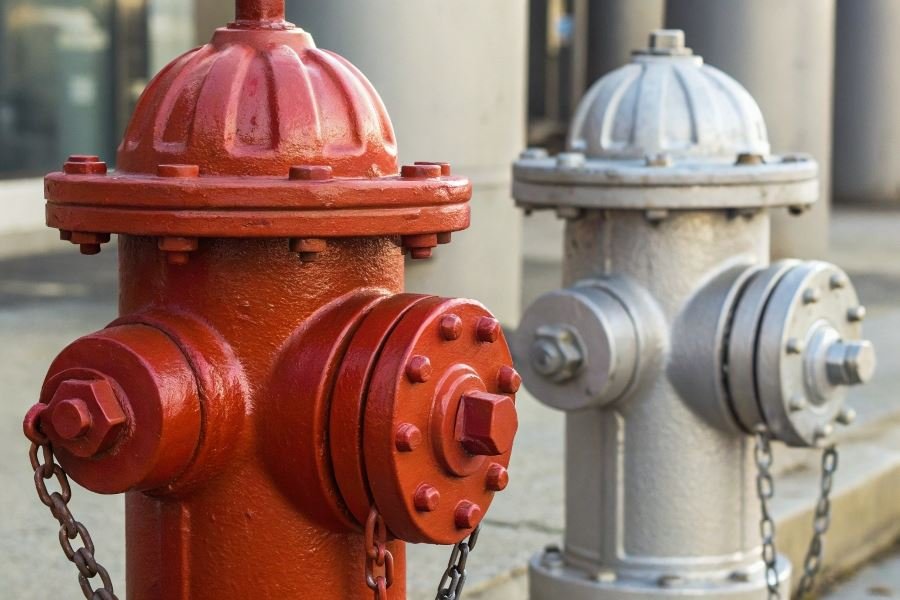
Ever wondered what’s beneath those red sentinels standing guard on street corners across America? Fire hydrants—seemingly simple devices—represent over 150 years of engineering evolution, with material choice at the heart of their design. The quiet rivalry between cast iron and steel hydrants shapes our communities’ safety infrastructure more than most realize.
Fire hydrant materials have undergone a fascinating transformation since the first standardized models appeared in Philadelphia in the 1800s. Cast iron dominated the landscape for generations, with its characteristic bulky profile becoming an iconic part of American streetscapes. The material’s natural corrosion resistance made it the undisputed champion until the mid-20th century when steel alternatives began challenging its supremacy.
Today’s market tells an interesting story: cast iron still commands approximately 65% of installations nationwide, though steel has steadily gained ground, particularly in regions with extreme temperature fluctuations. This shift reflects evolving priorities among municipal decision-makers who must balance durability, cost, and performance.
When selecting between these materials, three factors typically drive decisions: environmental conditions, maintenance requirements, and long-term economics. Cast iron excels in coastal areas where salt resistance matters, while steel offers superior performance in freeze-thaw cycles. Municipalities with limited maintenance budgets often lean toward cast iron’s longer service life, despite its higher initial cost—a classic example of how penny-wise can become pound-foolish in critical infrastructure.
Cast Iron vs Steel Fire Hydrants: The Ultimate Showdown
Fire hydrants stand as silent sentinels on our streets, ready to spring into action when disaster strikes. Yet the material choice between cast iron and steel creates profound differences in performance, longevity, and value. Let’s dive into what makes each option shine—or rust—in real-world applications.
When conducting a comprehensive comparison of cast iron and steel fire hydrants: advantages and disadvantages become immediately apparent across multiple performance categories. The material selection impacts everything from initial installation costs to decades of operational reliability, making this decision far more consequential than many municipal planners realize.
Durability that defies decades
Cast iron hydrants have earned their reputation through centuries of proven performance. Dating back to the first standardized fire hydrants in the 1800s, cast iron models routinely achieve 50+ year lifespans in the field. Their thick-walled construction absorbs impact damage that would compromise thinner materials.
Steel hydrants counter with superior tensile strength—approximately 65,000 psi versus cast iron’s 25,000 psi—making them less susceptible to catastrophic failure under extreme pressure events. However, this strength comes with a critical tradeoff in longevity potential.
Weather warriors: Performance in extremes
| Material | Cold Weather Performance | Heat Resistance | UV Degradation |
|---|---|---|---|
| Cast Iron | Excellent (-40°F) | Outstanding (1200°F+) | Minimal |
| Steel | Good (-30°F) | Very Good (1000°F) | Moderate |
Cast iron’s thermal mass provides remarkable stability during temperature swings, preventing freeze-thaw damage in northern climates. The material’s graphite flakes act as natural lubricants, maintaining operational integrity even when temperatures plummet below -40°F.
Steel hydrants offer comparable cold-weather performance when properly manufactured but require more precise engineering tolerances to prevent seizing in extreme conditions.
Maintenance economics
The lifecycle cost equation tilts dramatically depending on installation environment. Cast iron hydrants typically require:
- Repainting every 5-7 years
- Internal inspection every decade
- Minimal parts replacement
Steel alternatives demand:
- More frequent protective coating renewal (3-5 years)
- Vigilant cathodic protection monitoring
- Higher replacement part costs
The maintenance differential can exceed $2,000 per hydrant over a 25-year service period, with cast iron generally proving more economical in standard urban environments.
Installation realities
Steel’s weight advantage—approximately 30% lighter than equivalent cast iron models—translates to easier handling during installation and reduced shipping costs. A typical 5-foot steel hydrant weighs around 190 pounds versus cast iron’s 270 pounds.
This weight difference allows for:
- Smaller installation crews
- Less heavy equipment requirements
- Reduced worker injury risk
However, cast iron’s mass provides superior stability against vehicular impacts and vandalism attempts, reducing the likelihood of costly emergency repairs.
The corrosion equation
Cast iron’s corrosion mechanism creates a self-protecting patina that actually shields the underlying material. This natural defense, combined with modern protective coatings, delivers exceptional underground performance in most soil conditions.
Steel hydrants rely entirely on their protective barriers—typically fusion-bonded epoxy or specialized zinc coatings. Once this protection is compromised, corrosion accelerates rapidly, potentially reducing service life by 50% or more in aggressive environments.
The material choice ultimately depends on specific deployment conditions, budget constraints, and long-term maintenance capabilities. Both materials can deliver decades of reliable service when properly specified, installed, and maintained according to manufacturer guidelines.
Choosing the Perfect Fire Hydrant Material
When it comes to protecting communities from fire hazards, the material choice for fire hydrants isn’t just a technical specification—it’s a critical decision that impacts public safety for decades. After examining both cast iron and steel options in depth, let’s explore where each material truly shines and what the future holds for hydrant technology.
Where Cast Iron Hydrants Excel
Cast iron fire hydrants remain the gold standard in numerous applications, particularly in established residential neighborhoods and historic districts. Their exceptional longevity—often exceeding 50-75 years with proper maintenance—makes them ideal for areas where infrastructure stability is prioritized over frequent updates.
These traditional workhorses perform exceptionally well in regions with moderate climate conditions. Communities with minimal temperature fluctuations benefit from cast iron’s natural resistance to everyday environmental stressors without requiring specialized coatings or treatments.
Budget-conscious municipalities find particular value in cast iron installations. While the initial investment might be comparable to steel alternatives, the significantly lower maintenance requirements translate to substantial long-term savings. One municipal water department in Pennsylvania documented 43% lower lifetime costs with their cast iron hydrants installed in 1985 compared to steel alternatives in similar conditions.
Cast iron hydrants also shine in areas where aesthetic considerations matter. Their classic appearance and ability to accept decorative painting make them perfect fits for:
- Historic preservation districts
- Main street revitalization projects
- Planned communities with specific design guidelines
- Parks and public spaces with traditional themes
When Steel Hydrants Make Perfect Sense
Steel fire hydrants demonstrate clear superiority in several challenging deployment scenarios. Coastal regions experiencing salt spray and high humidity benefit tremendously from steel’s corrosion resistance when properly treated. The Port of Baltimore replaced their entire hydrant system with marine-grade stainless steel models after documenting accelerated deterioration in their cast iron units.
High-traffic industrial zones represent another perfect application for steel hydrants. Their superior impact resistance proves invaluable in areas where:
- Heavy equipment operates regularly
- Loading docks create collision risks
- Snowplows and street maintenance equipment operate frequently
- Vehicular accidents are more common
Regions experiencing extreme temperature variations find steel hydrants particularly valuable. Their resistance to thermal expansion and contraction prevents the freeze-thaw damage that can compromise cast iron in northern climates. Minnesota water utilities reported 76% fewer winter-related failures after transitioning to steel hydrants in their most exposed locations.
| Application | Preferred Material | Key Advantage |
|---|---|---|
| Historic districts | Cast Iron | Aesthetic consistency |
| Coastal areas | Steel | Salt corrosion resistance |
| Extreme cold regions | Steel | Freeze-thaw durability |
| Low-maintenance zones | Cast Iron | Longevity without intervention |
| Industrial areas | Steel | Impact and abuse resistance |
The Future of Hydrant Materials
The fire hydrant industry isn’t standing still. Material science advancements are creating exciting new possibilities that may eventually render the cast iron versus steel debate obsolete.
Composite materials represent the most promising frontier. Reinforced polymer compounds currently in development offer corrosion immunity while maintaining the strength profiles needed for pressurized applications. These materials could potentially deliver the best attributes of both traditional options without their respective weaknesses.
Smart coatings technology is evolving rapidly as well. New ceramic-infused protective layers can dramatically extend the service life of both cast iron and steel hydrants. These coatings not only prevent corrosion but can incorporate sensors to monitor hydrant health and water system integrity.
The most forward-thinking municipalities are already exploring hybrid designs. These innovative approaches use steel for critical structural components while employing cast iron for elements where its properties excel. This “best of both worlds” strategy maximizes performance while optimizing maintenance schedules.
Ultimately, the perfect hydrant material depends on your specific application requirements, environmental conditions, and long-term maintenance capabilities. By matching these factors to the distinct advantages of each material, you’ll ensure your fire protection infrastructure delivers reliable performance when it matters most.
Explore the comprehensive analysis of cast iron vs steel fire hydrants, examining durability, weather resistance, maintenance costs, and corrosion properties to determine the optimal choice for different applications and environments.
Explore the comprehensive analysis of cast iron vs steel fire hydrants, examining durability, weather resistance, maintenance costs, and corrosion properties to determine the optimal choice for different applications and environments.