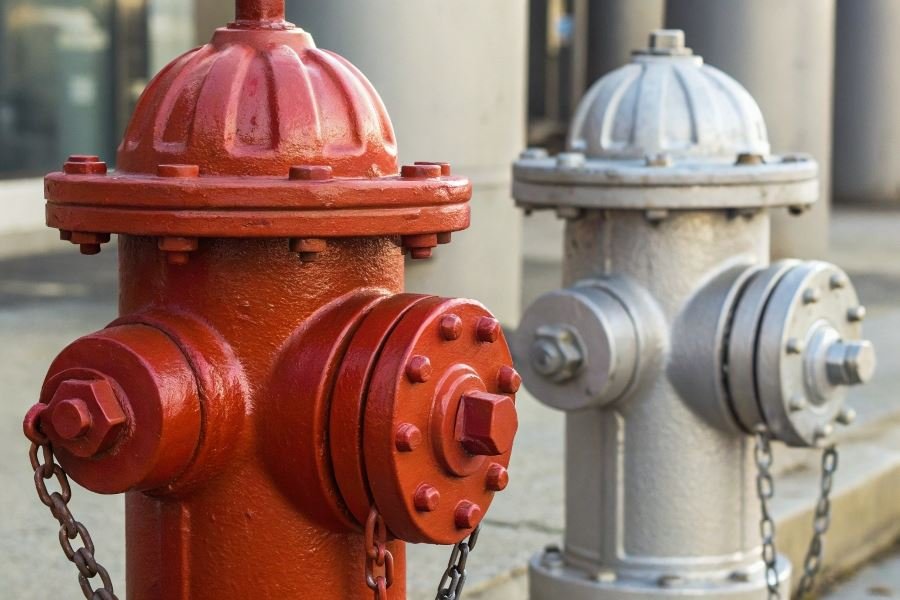
Ever driven past a fire hydrant without giving it a second thought? That red or yellow sentinel standing quietly at the curb represents the difference between containment and catastrophe when flames threaten lives and property.
Fire hydrants form the critical backbone of our emergency response infrastructure, yet their maintenance remains largely invisible until the moment of crisis reveals a malfunction. Proper hydrant maintenance isn’t just about compliance—it’s about ensuring water flows when seconds count. When selecting hydrants for installation or replacement, decision-makers face a complex matrix of considerations that balance durability, accessibility, and performance under extreme conditions.
“A well-maintained fire hydrant system can deliver up to 1,500 gallons per minute—enough to fill a residential swimming pool in under 20 minutes.”
The foundation of community safety
Fire hydrants serve as the primary water source for firefighting operations in urban and suburban environments. Their strategic placement, operational readiness, and flow capacity directly impact a fire department’s ability to protect lives and property. Modern hydrants must withstand extreme temperature variations, vehicular impacts, and decades of exposure while remaining instantly operational.
Navigating maintenance requirements
Effective hydrant maintenance follows a comprehensive schedule including:
- Bi-annual inspections checking for accessibility, visible damage, and proper drainage
- Annual flow testing to verify pressure and volume capabilities
- Five-year internal inspections examining valve seats, stems, and internal components
Regulatory framework
The National Fire Protection Association (NFPA) established Standard 291 specifically addressing hydrant testing, marking, and maintenance. Additionally, the American Water Works Association (AWWA) provides detailed specifications for hydrant design and installation. These standards work in concert with local building codes to ensure consistent performance across jurisdictions.
Essential Components of Fire Hydrant Maintenance
Fire hydrants stand as silent sentinels throughout our communities, ready to spring into action when flames threaten lives and property. Yet these critical infrastructure components require meticulous maintenance to function properly during emergencies. When selecting inspection services for your fire hydrant maintenance, understanding the core components of a comprehensive maintenance program can make the difference between reliable protection and catastrophic failure.
The process of evaluating fire hydrant maintenance services demands attention to specific technical details that ensure these life-saving devices perform flawlessly when needed most. Fire hydrant maintenance: what to pay attention to when choosing inspection providers involves scrutinizing their testing protocols, maintenance procedures, and inspection thoroughness. Let’s examine the critical elements that should be non-negotiable in your maintenance program.
Pressure Testing and Flow Rate Verification
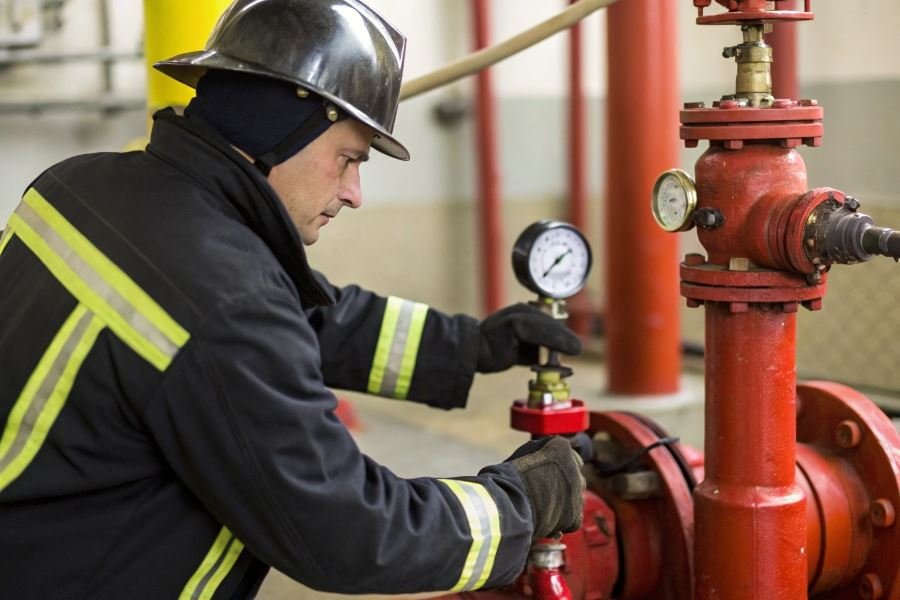
The heart of any fire hydrant’s functionality lies in its ability to deliver sufficient water volume at adequate pressure. Professional maintenance services employ sophisticated testing equipment to measure these critical parameters:
- Static pressure testing measures the pressure when water isn’t flowing
- Residual pressure testing evaluates pressure during water flow
- Flow rate measurement quantifies gallons per minute (GPM) delivery
Top-tier maintenance providers utilize calibrated Pitot gauges and digital flow meters to ensure accuracy within 2% margin of error. These measurements must comply with NFPA 291 standards, which establish minimum flow requirements based on your facility’s fire risk classification.
Flow testing should occur annually at minimum, with comprehensive documentation of results compared against historical performance data.
Valve Operation and Lubrication Requirements
A fire hydrant’s internal valve system represents its mechanical core, requiring specialized maintenance to prevent seizure or failure:
| Maintenance Task | Frequency | Critical Specifications |
|---|---|---|
| Main valve operation | Semi-annual | Full open/close cycle with torque measurement |
| Stem lubrication | Annual | Food-grade, non-petroleum lubricant |
| Drain valve verification | Quarterly | Complete drainage within 60 seconds |
| O-ring inspection | Annual | Replacement at first sign of deterioration |
Qualified technicians from Mueller Water Products or similar industry leaders understand that proper lubrication prevents metal-on-metal contact while avoiding over-lubrication that attracts debris. They’ll document valve operation torque measurements to identify trends indicating potential failure before emergency situations arise.
Visual Inspection Criteria for Critical Components
Beyond mechanical testing, thorough visual inspections reveal early warning signs of deterioration:
-
External casing integrity – Inspectors should document any cracks, corrosion, or impact damage that might compromise structural integrity
-
Outlet connection threads – Thread damage prevents proper hose connection during emergencies; threads should be clean, undamaged, and properly lubricated
-
Cap condition – Missing or damaged caps expose threads to environmental damage and potential vandalism
-
Color coding verification – Hydrant color indicates flow capacity to firefighters; faded or incorrect colors require immediate repainting
-
Accessibility assessment – Professional inspectors evaluate clearance zones (minimum 3-foot radius) and visibility from roadways
Quality inspection services utilize standardized checklists with photographic documentation, providing comprehensive records that satisfy insurance requirements while establishing maintenance histories for each hydrant in your system.
By prioritizing these essential components in your fire hydrant maintenance program, you ensure these critical emergency resources remain ready to perform when lives and property hang in the balance.
Mastering Long-term Fire Hydrant Maintenance
Fire hydrants stand as silent sentinels of safety until the moment they’re needed most. The difference between a properly functioning hydrant and one that fails during an emergency often comes down to maintenance decisions made months or years earlier. Let’s dive into the critical aspects of long-term maintenance planning that can extend hydrant life and ensure reliability when it matters most.
Seasonal maintenance rhythms
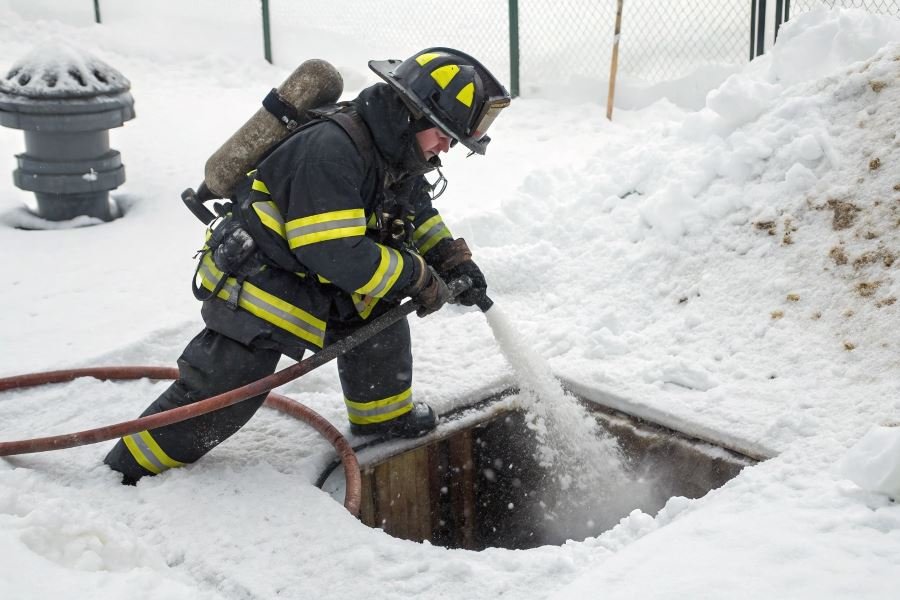
Fire hydrants face dramatically different challenges throughout the year. In northern states, freezing temperatures present the most significant threat to hydrant functionality.
Winterization protocols should include:
- Complete drainage of barrel water to prevent freezing and expansion damage
- Lubrication of all caps with food-grade grease to prevent freezing in place
- Inspection of drain valves to ensure proper operation at temperatures below 32°F
- Application of weather-resistant paint to prevent corrosion acceleration
The American Water Works Association recommends bi-annual inspections at minimum—once before winter and once during spring—to address seasonal transition issues. Summer maintenance should focus on vegetation control around hydrants, ensuring 3-foot clearance for emergency access.
Heat-related expansion can cause internal component stress during summer months, making this an ideal time to check operating nuts and valve stems for proper alignment.
Documentation systems that protect investments
The paper trail behind your hydrant maintenance program isn’t just bureaucracy—it’s protection for your investment and your community.
Effective record-keeping should include:
| Documentation Element | Purpose | Retention Period |
|---|---|---|
| Inspection reports | Track condition changes over time | 7+ years |
| Flow test results | Document performance metrics | Life of hydrant |
| Repair history | Identify recurring issues | Life of hydrant |
| Parts replacement | Track component lifespans | Life of hydrant |
| Photographs | Visual documentation of condition | 3+ years |
Digital record-keeping platforms like Cityworks or Cartegraph have revolutionized maintenance tracking, allowing for QR code scanning in the field and real-time updates to maintenance histories.
Repair versus replacement calculus
The most challenging maintenance decision often comes down to determining when repair no longer makes economic sense. This decision framework should consider multiple factors beyond immediate costs.
Key decision factors include:
- Age threshold analysis: Most hydrants have a 50-75 year potential lifespan, but components like valves typically need replacement at 20-25 years
- Repair frequency patterns: When a hydrant requires service more than once annually, replacement often becomes more cost-effective
- Parts availability: Older models may have limited replacement part availability, forcing difficult decisions
- Performance degradation: Flow capacity reductions of more than 15% from original specifications often indicate internal corrosion that repair cannot fully address
The true cost of hydrant failure isn’t measured in replacement dollars but in potential property and life safety impacts during emergencies.
When replacement becomes necessary, modern hydrants from manufacturers like Mueller or American AVK offer improved materials, standardized parts, and design features that significantly reduce lifetime maintenance requirements.
By implementing these maintenance practices, organizations can extend hydrant lifespans while ensuring these critical infrastructure components remain ready to perform when needed most.
Discover essential fire hydrant maintenance guidelines and selection criteria for optimal safety compliance. Learn about pressure testing, valve maintenance, and inspection protocols that ensure reliable emergency response performance.
Discover essential fire hydrant maintenance guidelines and selection criteria for optimal safety compliance. Learn about pressure testing, valve maintenance, and inspection protocols that ensure reliable emergency response performance.