Did you know that properly selected fire columns can reduce evacuation time by up to 67% during a building emergency? These critical safety components represent the difference between controlled containment and catastrophic loss—yet many property owners remain unaware of their vital importance.
Fire columns serve as the backbone of modern building safety systems, providing structural support while simultaneously creating crucial fire barriers between different sections of a building. These specialized columns combine load-bearing capabilities with fire-resistant properties, effectively compartmentalizing flames and smoke during emergencies to protect both occupants and property.
When selecting the ideal fire column system for a specific structure, several factors demand careful consideration. Building height and occupancy type top the list—high-rises require columns with extended fire-resistance ratings (often 3+ hours), while manufacturing facilities need columns resistant to specific chemical exposures. Construction materials, local building codes, and budget constraints further shape these critical decisions.
The evolution of fire column technology has been remarkable. From the basic concrete encasements of the 1950s to today’s advanced intumescent coatings and composite materials, the industry has continuously innovated. Modern systems now incorporate smart sensors that monitor structural integrity during fire events, providing real-time data to emergency responders.
Current standards, including those from the International Building Code (IBC) and National Fire Protection Association (NFPA), establish minimum requirements for fire column performance—though many forward-thinking developers exceed these baselines to enhance safety margins and potentially reduce insurance premiums.
Fire Column Models That Define Safety Standards
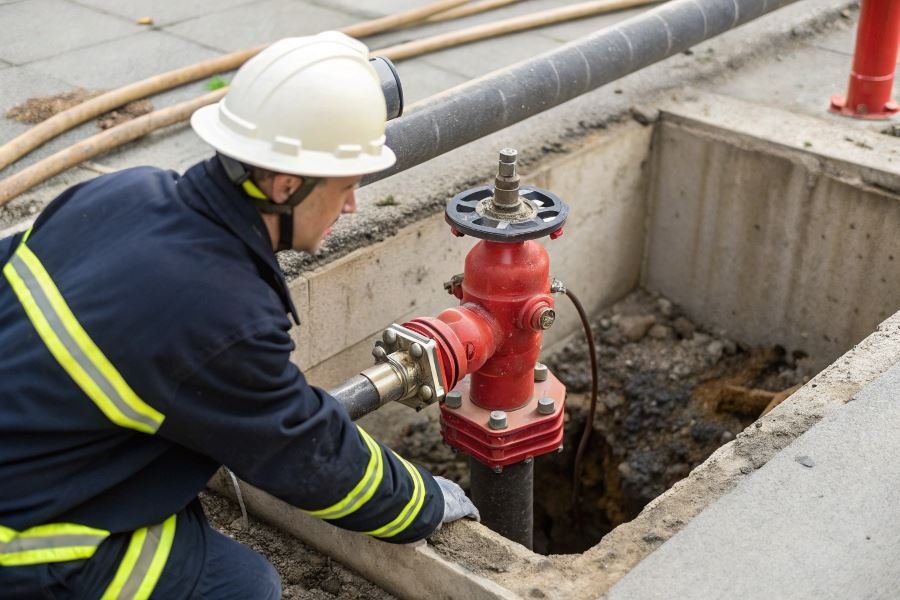
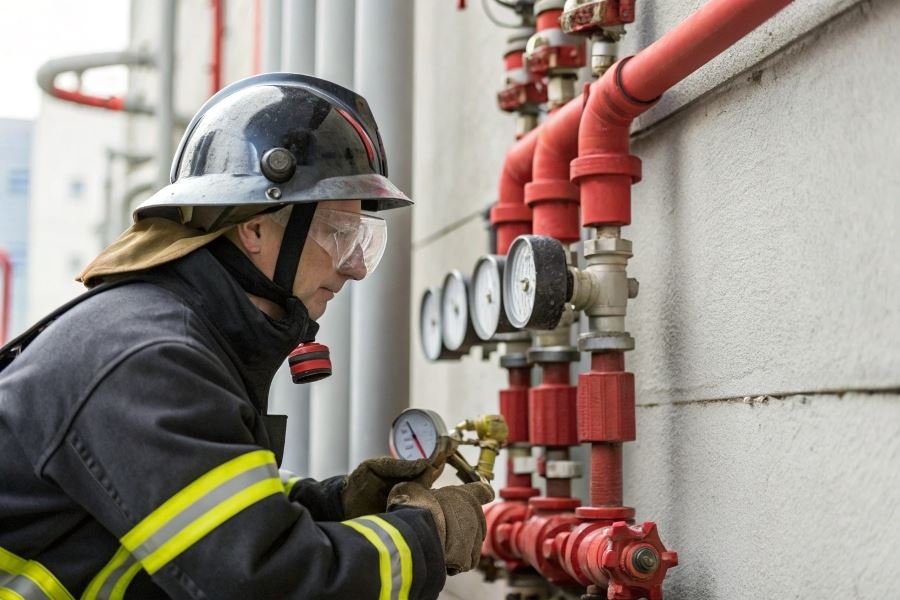
When selecting fire protection systems, building-specific requirements drive decision-making more than any other factor. Fire columns—those vertical conduits housing sprinkler risers, standpipes, and fire department connections—represent the backbone of modern building fire protection systems, with selection criteria that differ significantly across residential and commercial applications.
Residential Fire Column Solutions
For single-family homes, the market offers several standout options:
-
Residential Guardian Series – Features a slim 4-inch profile that integrates with interior design while providing Class A fire protection. Pre-assembled components reduce installation time by approximately 40%.
-
HomeSafe 250 – Offers an excellent balance of affordability and functionality, particularly for homes under 3,000 square feet. Features user-friendly maintenance access and freeze-protection capabilities for colder climates.
-
FireShield Residential – Stands out with smart monitoring capabilities, allowing homeowners to receive real-time alerts about system pressure and potential issues via smartphone integration.
Multi-story residential buildings require more robust solutions:
-
VerticalGuard 500 – Dominates with its dual-riser configuration ensuring continuous protection even during maintenance. Space-efficient design recesses completely within standard wall cavities.
-
HighRise Defender – Features zone-specific pressure regulation—critical for buildings exceeding eight stories. Its modular design allows for floor-by-floor installation during construction phases.
-
Prestige Series – Offers concealed fire columns with custom finish options for luxury condominiums. Includes acoustic dampening to eliminate water flow noise while meeting all NFPA 13R requirements.
Commercial Fire Column Systems
Office and retail spaces have their own specialized solutions:
-
CommercialPro 1000 – Leads the market for office buildings with high-volume flow capacity (250 GPM) and integrated backup power systems. Standardized connection points significantly reduce lifetime maintenance costs.
-
RetailGuard Express – Ideal for retail spaces with open floor plans, featuring an innovative distribution manifold supporting up to 18 branch lines from a single riser. Adapts well to changing floor layouts.
Premium commercial solutions include:
-
Enterprise Protection System – Integrates fire columns with building management systems for comprehensive monitoring and control. Includes addressable components that pinpoint exact activation locations, reducing response times.
-
DataCenter Defender – The gold standard for mission-critical facilities, featuring redundant risers, pre-action systems to prevent accidental discharge, and corrosion-resistant components rated for a 30-year service life. Starting at $75,000 for basic configurations, its total cost of ownership proves competitive when factoring in reduced insurance premiums.
Selecting the appropriate fire column system requires balancing code compliance, protection capabilities, and budget considerations—with the most effective solutions providing seamless integration with both building architecture and existing safety systems.
Specialized Fire Column Systems for Every Building Challenge
Heavy-duty solutions for industrial environments
Manufacturing facilities and warehouses present unique fire safety challenges due to their vast open spaces, high ceilings, and often hazardous materials. Heavy-duty fire column systems designed specifically for these environments have evolved dramatically since the National Fire Protection Association (NFPA) established its first industrial fire protection standards in 1896.
Today’s industrial-grade fire columns feature robust construction with corrosion-resistant materials and enhanced pressure capabilities that can deliver up to 500 gallons per minute—nearly triple the capacity of standard systems. The Viking Corporation Model VXD industrial fire columns, for example, incorporate specialized coating technologies that withstand chemical exposure while maintaining operational integrity in temperatures ranging from -40°F to 150°F.
The difference between standard and industrial fire columns isn’t just about size—it’s about engineering systems that can perform under extreme conditions when failure isn’t an option.
Most manufacturing facilities now implement zoned fire column networks that can isolate specific areas during an emergency, preventing total production shutdown while maintaining safety protocols. These systems typically feature redundant power supplies and automated diagnostic capabilities that continuously monitor system health.
Preserving history while ensuring safety
Historical buildings present perhaps the most delicate balance in fire safety engineering—preserving irreplaceable architectural elements while implementing modern protection. Custom fire column solutions for these structures must be virtually invisible while providing comprehensive coverage.
The challenge intensifies with buildings constructed before modern building codes. The Reliable Automatic Sprinkler Co. has pioneered micro-diameter fire columns that can be retrofitted within existing walls and decorative elements, minimizing structural alterations while maximizing protection.
Case study highlights:
- The restoration of the 1887 Chicago Cultural Center incorporated concealed fire columns within ornate moldings
- Boston’s Faneuil Hall implementation used copper-finished fire columns that complement the historical aesthetics
- The Biltmore Estate retrofit utilized custom-painted fire column systems that blend seamlessly with period décor
Reaching new heights in skyscraper protection
As buildings stretch ever higher into the sky, fire protection systems face increasing pressure challenges and response time concerns. Advanced fire column technologies for skyscrapers incorporate pressure-compensating devices and smart flow control systems that ensure consistent performance regardless of height.
| Feature | Standard Systems | High-Rise Systems |
|---|---|---|
| Pressure Rating | 175 PSI | 300+ PSI |
| Flow Rate | 25-100 GPM | 100-250 GPM |
| Monitoring | Basic | AI-enhanced predictive |
| Redundancy | Limited | Multi-layered |
| Integration | Standalone | Building management system |
The Johnson Controls TYCO® high-rise fire column system incorporates zone-specific pressure regulation that automatically adjusts based on building height, ensuring optimal spray patterns on the 1st floor and the 101st floor alike.
Modern skyscraper systems also feature intelligent water conservation capabilities that target fire locations precisely, minimizing water damage to unaffected areas—a critical consideration when protecting high-value commercial spaces and the sensitive electronic equipment they typically contain.
These specialized systems increasingly incorporate BIM (Building Information Modeling) compatibility, allowing fire safety engineers to simulate performance under various emergency scenarios before installation even begins.
Discover the most effective fire column models for residential, commercial, and specialized buildings in 2025. Our comprehensive guide helps you select the perfect fire safety solution based on building type, safety standards, and technological advancements.
Discover the most effective fire column models for residential, commercial, and specialized buildings in 2025. Our comprehensive guide helps you select the perfect fire safety solution based on building type, safety standards, and technological advancements.