When disaster strikes, the difference between life and death often comes down to seconds. Are you truly prepared for that critical moment when smoke fills your home or when a loved one needs immediate medical attention?
Fire and rescue kits represent the frontline defense in emergency preparedness, combining specialized tools and supplies designed to work in harmony during crisis situations. Think of these kits as orchestras—each component plays a distinct role, but their true power emerges when they function together. From fire extinguishers that suppress flames to emergency blankets that prevent shock, these elements form a comprehensive safety system rather than just a collection of random items.
The statistics speak volumes about proper preparation. According to the National Fire Protection Association, homes with working smoke alarms experience a 55% lower death rate compared to those without. Meanwhile, the American Red Cross reports that immediate first aid intervention increases survival rates by over 40% in medical emergencies. These aren’t just numbers—they represent real lives saved through thoughtful preparedness.
Quality matters immensely. A fire extinguisher that fails during a kitchen fire or a flashlight with dead batteries during a power outage transforms from a lifesaving tool into a false sense of security. This is why understanding the core components of a reliable fire and rescue kit isn’t just helpful—it’s absolutely essential for anyone serious about protecting what matters most.
Essential Components for Life-Saving Fire Kits
When disaster strikes, having the right tools can mean the difference between safety and tragedy. The main components of a quality fire and rescue kit form your first line of defense during emergencies, providing critical capabilities when professional help might be minutes—or hours—away. Let’s examine the essential elements that belong in every comprehensive emergency preparedness system.
Fire Suppression Tools: Your First Defense
Fire doesn’t wait, and neither should you. A quality kit starts with multiple suppression options:
Multi-class fire extinguishers provide versatile protection against different fire types. The Kidde Pro 210 ABC extinguisher handles common household fires, while specialized options like Class K extinguishers target kitchen grease fires.
Fire blankets deserve more recognition than they receive. These compact, fiberglass-woven sheets can:
- Smother small fires instantly
- Provide emergency wrapping for escape
- Create temporary barriers against heat and flames
Respiratory protection completes this category. Modern smoke masks like the MSA Safety Escape Respirator offer up to 15 minutes of filtered breathing—critical time when every breath counts.
| Fire Tool | Effective Range | Replacement Schedule |
|---|---|---|
| ABC Extinguisher | 10-15 feet | Every 12 years (inspect annually) |
| Fire Blanket | Direct contact | Replace after use or every 5 years |
| Smoke Mask | Personal use | 3-5 years (sealed) |
First Aid Supplies: Beyond Basic Bandages
Emergency medical equipment forms the second pillar of comprehensive rescue preparation. Advanced kits should include:
Burn treatment supplies including water gel dressings that cool and protect damaged tissue. The Water-Jel Burn Kit provides specialized care beyond standard first aid.
Trauma response tools make the difference in serious situations:
- Tourniquets for severe bleeding control
- Chest seals for penetrating injuries
- Israeli bandages for pressure application
Automated External Defibrillators (AEDs) represent the gold standard in cardiac emergency response. Models like the Philips HeartStart feature voice guidance that walks users through the rescue process.
Communication and Signaling: Calling for Help
When isolation compounds danger, communication becomes essential. Every quality kit should contain:
Emergency radios with multiple power sources. The Midland ER310 combines solar, hand-crank, and battery power with NOAA weather alerts and AM/FM reception.
Visual signaling devices create attention-grabbing alerts:
- LED emergency beacons visible for miles
- Chemical light sticks with 12+ hour duration
- Signal mirrors that can flash sunlight to aircraft or distant observers
Personal locator beacons represent the ultimate communication backup. The ACR ResQLink transmits your GPS coordinates to global rescue networks at the push of a button.
The integration of these three component categories—suppression tools, medical supplies, and communication devices—creates a comprehensive system that addresses the full spectrum of fire emergency scenarios. When selecting components, prioritize quality over cost, as these items represent an investment in safety that may someday prove invaluable.
Keeping Your Fire and Rescue Kit Battle-Ready
Fire and rescue kits aren’t “set it and forget it” investments. The components that could save your life tomorrow need attention today. Establishing a maintenance routine transforms a collection of equipment into a reliable safety system that performs when seconds count.
The 90-Day Inspection Protocol
The most effective fire and rescue kits follow a quarterly inspection schedule. Mark your calendar for these critical check-ups:
- Fire extinguishers: Check pressure gauges (needle should be in the green zone), inspect for dents or corrosion, and ensure safety pins and tamper seals remain intact
- Smoke/CO detectors: Test functionality with the test button, vacuum dust from sensors, and verify battery strength
- Emergency lights: Confirm they illuminate properly and batteries retain adequate charge
- First aid supplies: Examine for expired medications and replenish depleted items
- Escape ladders: Deploy to verify proper function and check for structural integrity
A fire extinguisher with a compromised seal is like a parachute with a hole—you won’t discover the problem until the moment you need it most.
Document each inspection with dates and findings. Digital records with photos provide excellent documentation for insurance purposes and help track degradation patterns over time.
Replacement Triggers You Can’t Ignore
Even quality equipment has a finite lifespan. Recognize these non-negotiable replacement signals:
| Component | Replace When | Typical Lifespan |
|---|---|---|
| Fire Extinguishers | After use, when gauge shows recharge needed, or every 12 years (dry chemical) | 5-15 years |
| Smoke Detectors | Unit fails test, becomes discolored, or reaches 10-year mark | 8-10 years |
| Emergency Batteries | Annual replacement (minimum) regardless of test results | 1 year |
| First Aid Supplies | Medications expire, bandages discolor, or packaging compromises | 1-5 years |
| Escape Ladders | Visible rust, compromised connections, or after actual use | 15+ years |
Don’t wait for equipment failure to trigger replacement. The National Fire Protection Association recommends proactive replacement schedules rather than reactive ones.
Mastery Through Practice Makes Perfect
Equipment familiarity can mean the difference between life and death. Implement these training protocols:
Quarterly Drills: Schedule family or workplace practice sessions that include:
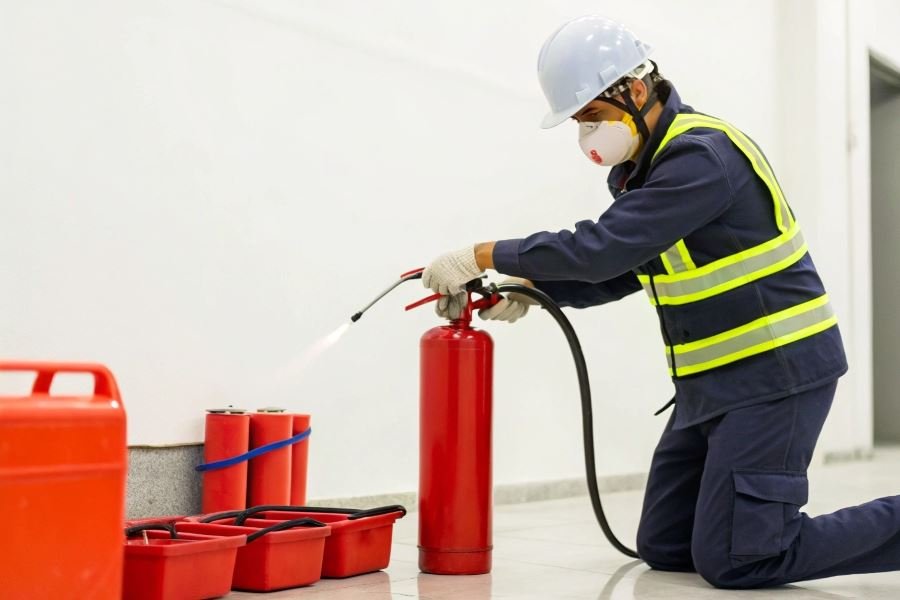
- Proper fire extinguisher operation using the P.A.S.S. technique (Pull, Aim, Squeeze, Sweep)
- Evacuation route navigation in low-visibility conditions
- First aid application for common emergency scenarios
- Deployment of escape ladders from second-story windows
Documentation Review: Ensure all users can locate and understand equipment manuals, emergency contact information, and evacuation plans.
Skill Refreshers: Consider annual certification courses in CPR and basic first aid through the American Red Cross to maintain proficiency.
The most sophisticated fire and rescue equipment becomes worthless in untrained hands. Regular practice creates muscle memory that functions even under extreme stress.
Remember that maintenance isn’t just about equipment—it’s about maintaining the knowledge and skills that make the equipment effective. Your investment in quality components deserves the complementary investment in keeping them ready for action.
Discover the essential components every home fire and rescue kit needs for maximum safety. Learn about fire suppression tools, first aid supplies, and communication devices that could save lives during emergencies.
Discover the essential components every home fire and rescue kit needs for maximum safety. Learn about fire suppression tools, first aid supplies, and communication devices that could save lives during emergencies.