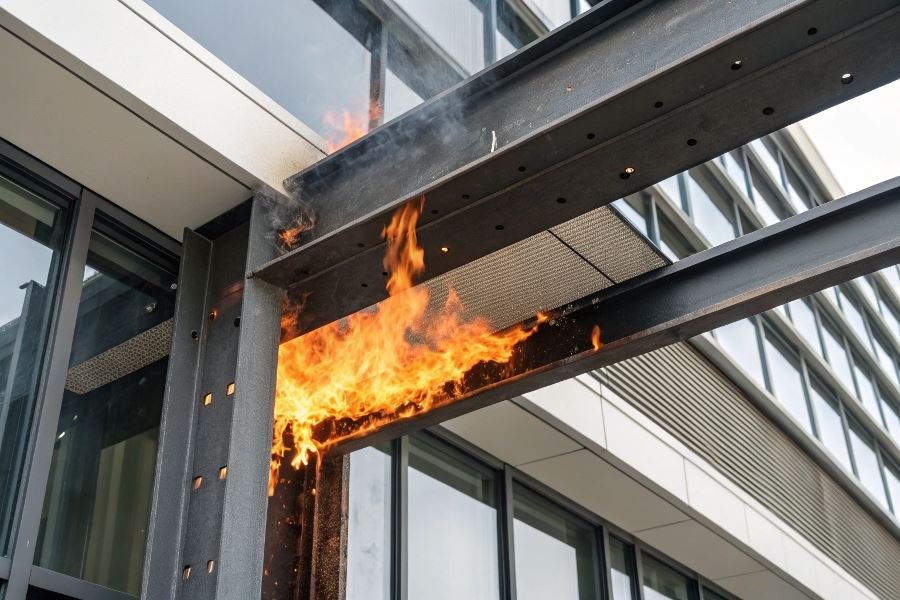
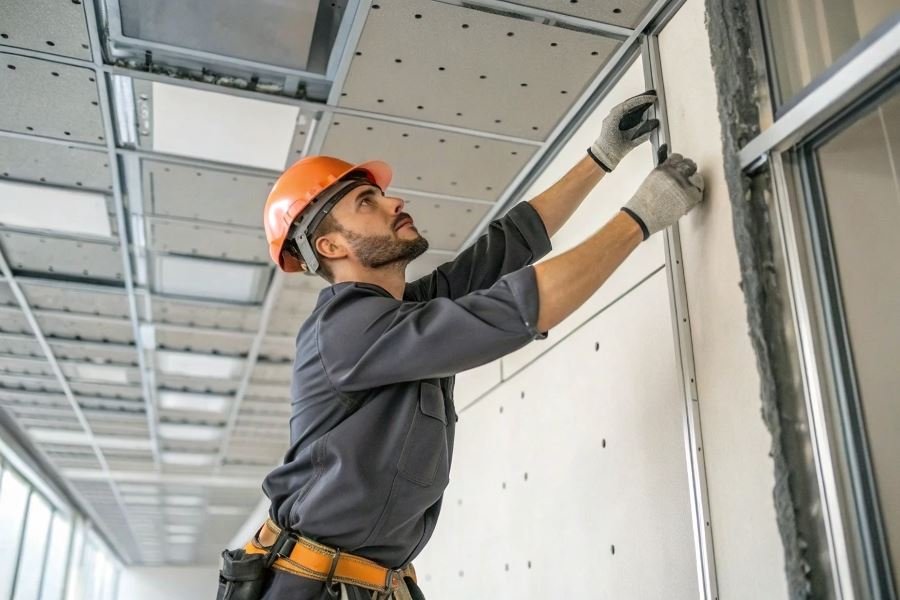
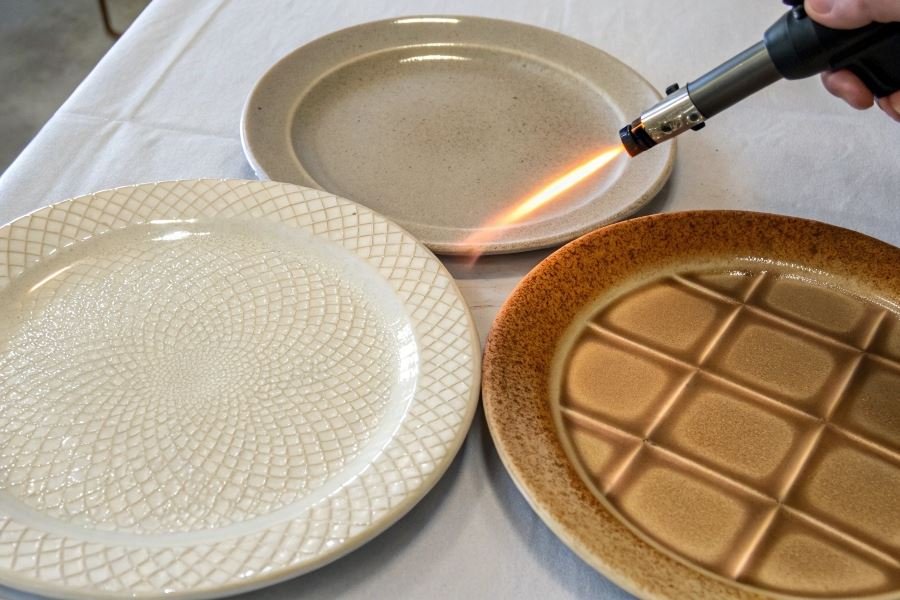
When a building catches fire, the difference between life and death can be measured in minutes—sometimes seconds. Behind those precious moments stands an unsung hero: fire protection plates. These specialized materials form the backbone of modern fire safety systems, yet few understand how they’re tested, certified, and compared.
Fire resistance ratings aren’t just technical specifications—they’re promises. A promise that when flames engulf a structure, these materials will maintain their integrity for a specific period, allowing occupants to evacuate and firefighters to respond. These ratings, measured in hours (from 30 minutes to 4+ hours), indicate how long a material can withstand standardized fire conditions while maintaining structural integrity.
The certification process for fire protection plates is rigorous and unforgiving. Organizations like Underwriters Laboratories (UL) and ASTM International subject materials to extreme conditions that simulate real-world fires. Since the establishment of ASTM E119 in 1918, these tests have evolved to reflect modern building materials and fire dynamics. Manufacturers must demonstrate compliance with these standards through controlled burns where temperatures can exceed 2000°F.
The metrics that matter
When comparing fire protection plates across manufacturers, three key performance indicators stand out:
- Temperature rise – How quickly heat transfers through the material
- Structural integrity – Whether the material maintains its form under extreme heat
- Smoke development – The amount of smoke produced during combustion
The most effective fire protection plates excel in all three areas, creating a comprehensive barrier against the triple threats of a building fire: heat, structural collapse, and toxic smoke inhalation.
Fire Protection Face-Off: The Battle of the Boards
Thermal Insulation Champions
When lives and property hang in the balance, the thermal insulation properties of fire protection plates become the difference between containment and catastrophe. Our comprehensive comparison of fire-resistant characteristics of fire protection plates from different manufacturers reveals striking differences in performance under extreme conditions.
Industry leaders Promat, USG, and Georgia-Pacific have established themselves as the thermal insulation titans, but their products perform quite differently when the heat is on. Promat’s PROMATECT®-100 maintains structural integrity at temperatures exceeding 1800°F for up to 240 minutes—a full hour longer than its nearest competitor. USG’s Sheetrock® Firecode® X panels feature a specially formulated core that includes fiberglass reinforcement, providing exceptional fire resistance but showing temperature breakthrough at the 180-minute mark in controlled testing.
Temperature breakthrough testing reveals the truth: Georgia-Pacific’s DensShield® Fireguard® panels maintain their thermal barrier properties admirably but show a 15% faster heat transfer rate compared to Promat’s offerings. This difference becomes critical in commercial applications where evacuation times may be extended.
Structural Integrity Under Fire
Fire protection isn’t just about resisting heat—it’s about maintaining structural integrity when everything else is failing.
| Manufacturer | Product | Max Fire Rating | Post-Fire Structural Integrity | Water Damage Resistance |
|---|---|---|---|---|
| Promat | PROMATECT®-100 | 4 hours | 87% original strength | Excellent |
| USG | Firecode® X | 3 hours | 72% original strength | Good |
| Georgia-Pacific | DensShield® Fireguard® | 2 hours | 68% original strength | Very Good |
The data tells a compelling story. While all three manufacturers produce boards that meet basic code requirements, Promat’s calcium silicate-based boards maintain significantly higher structural integrity after fire exposure. This translates to safer evacuation routes and reduced collapse risk during extended fire events.
What’s particularly noteworthy is how these boards perform after the flames are extinguished. Post-fire structural testing shows that Promat boards retain nearly 90% of their original strength, while competitors hover in the 70% range. For building owners concerned with reconstruction costs, this difference represents thousands of dollars in potential savings.
The Hidden Danger: Smoke and Toxicity
Fire might catch our attention, but smoke kills more people. Our analysis wouldn’t be complete without examining smoke emission levels and toxic gas production.
Georgia-Pacific has made significant strides in this area, with their latest generation of fire protection plates producing approximately 25% less smoke than previous versions. Their proprietary core formulation reduces the release of hydrogen cyanide—a particularly lethal byproduct of many building fires.
USG’s panels perform admirably in smoke density tests, with visibility measurements remaining above critical thresholds for nearly twice as long as standard drywall. However, they still lag behind Promat’s offerings, which consistently demonstrate superior performance in both smoke opacity and toxicity measurements.
The toxicity factor cannot be overstated. When tested according to ASTM E1354 standards, Promat’s boards produced significantly lower levels of carbon monoxide and hydrogen chloride—two of the most dangerous gases in fire scenarios. This translates directly to increased survival chances for building occupants during the critical evacuation period.
For building owners balancing performance with budget constraints, the data presents clear choices. While premium protection comes at a premium price (Promat boards typically cost $12-15 more per sheet than competitors), the enhanced performance metrics make a compelling case for the investment in high-occupancy or high-value structures.
Making the Right Choice: Fire Protection Plate Selection for Maximum Safety
Premium vs. Standard: The True Cost of Fire Protection
When evaluating fire protection plates, the initial price tag tells only part of the story. Premium fire-resistant plates from manufacturers like Promat and Knauf typically command a 30-40% price premium over standard options. However, this investment often translates to significantly extended protection times—sometimes up to twice the duration of standard plates.
The real cost-benefit analysis must consider the total lifecycle value:
| Manufacturer Type | Initial Cost | Lifespan | Maintenance Requirements | Protection Duration | Total Ownership Cost |
|---|---|---|---|---|---|
| Premium (e.g., Promat) | $18-25/sq ft | 25+ years | Minimal | 120-240 minutes | Medium-High |
| Mid-range (e.g., USG Firecode) | $12-17/sq ft | 15-20 years | Moderate | 60-120 minutes | Medium |
| Standard (e.g., Generic) | $8-11/sq ft | 10-15 years | Regular | 30-60 minutes | Medium-High |
What’s fascinating is that premium plates often require less maintenance and fewer replacements, creating a situation where the most expensive option initially can become the most economical over a 20-year period. For commercial buildings where evacuation times are critical, this extended protection window isn’t just about regulatory compliance—it’s about saving lives.
Application-Specific Selection Criteria
Different environments demand different fire protection solutions. Our comparative analysis reveals clear winners for specific applications:
For high-humidity environments like commercial kitchens and swimming pools, Georgia-Pacific DensShield plates demonstrate superior moisture resistance while maintaining fire ratings, outperforming standard gypsum-based options by up to 35% in combined fire/moisture tests.
In high-traffic commercial spaces, USG Durock cement boards with fire-resistant additives offer the dual benefit of impact resistance and fire protection, making them ideal for retail environments where both safety and durability matter.
For critical infrastructure like data centers and hospitals, the clear performance leaders are Promat MASTERBOARD and Knauf Fireboard, which maintain structural integrity at temperatures exceeding 1800°F for periods up to 4 hours—crucial when evacuation of vulnerable populations is involved.
The Future of Fire Protection Technology
The fire protection industry is undergoing a remarkable transformation. By 2025, we’re seeing three distinct trends reshaping selection criteria:
-
Smart fire protection plates with embedded sensors that communicate with building management systems, providing real-time data on temperature and structural integrity during fire events.
-
Eco-friendly formulations that eliminate harmful chemicals while maintaining or improving fire resistance. CertainTeed is pioneering plates using recycled materials that achieve impressive 2-hour fire ratings.
-
Multi-hazard protection combining fire, impact, and even ballistic resistance in single-plate solutions, addressing the growing demand for buildings resilient to multiple threats.
Industry standards are evolving to match these innovations. The International Building Code updates in 2021 introduced more stringent requirements for high-rise structures, while ASTM E119 testing protocols now include more realistic fire scenarios that better represent modern building materials and contents.
The most significant shift in fire protection isn’t just about longer protection times—it’s about intelligent protection that adapts to specific threats and communicates critical information during emergencies.
For decision-makers selecting fire protection plates today, the wisest approach balances immediate budget constraints with long-term performance requirements, always keeping the specific application environment at the center of the selection process.
Discover how leading fire protection plates compare in resistance ratings, thermal insulation, and structural integrity during fires. Expert analysis of performance metrics to help you select the optimal solution for your building safety needs.
Discover how leading fire protection plates compare in resistance ratings, thermal insulation, and structural integrity during fires. Expert analysis of performance metrics to help you select the optimal solution for your building safety needs.