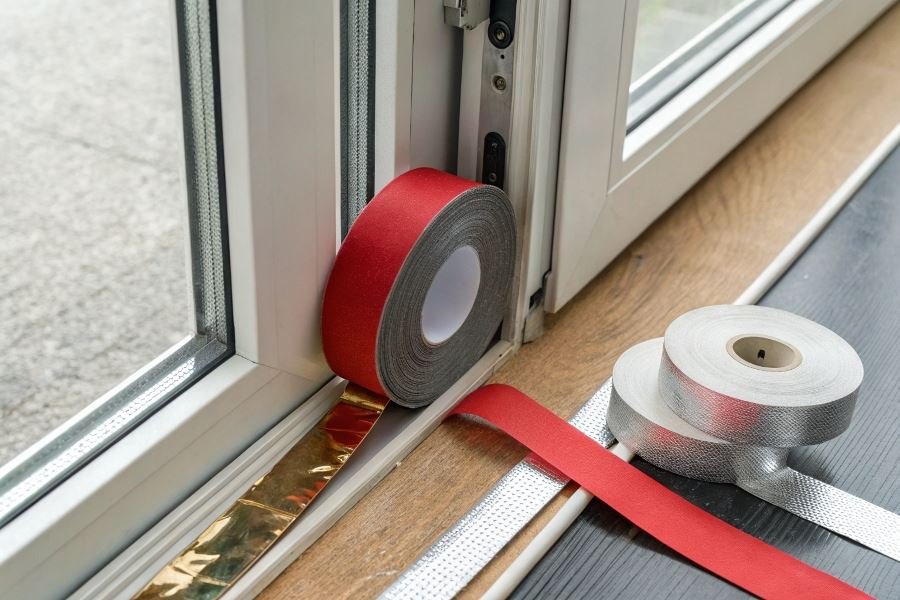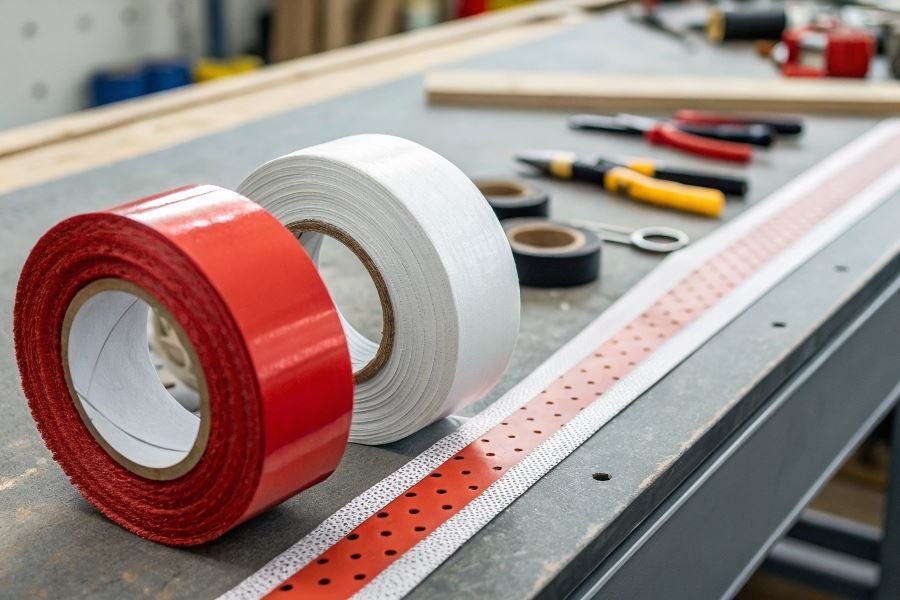
When disaster strikes, the difference between containment and catastrophe often comes down to the smallest details. Fire-resistant tape might seem like a minor component in building safety, but it represents a critical line of defense that can save lives and protect valuable assets.
Fire-resistant tapes serve as unsung heroes in modern construction, sealing joints, wrapping ducts, and protecting critical infrastructure from the devastating effects of fire. These specialized materials are engineered to maintain their integrity when exposed to extreme heat, preventing flame spread and containing smoke—often buying precious minutes for evacuation and emergency response.
The regulatory landscape
Building codes across the United States have evolved significantly since the tragic Triangle Shirtwaist Factory fire of 1911, which claimed 146 lives. Today, materials must meet rigorous testing standards established by organizations like ASTM International and Underwriters Laboratories (UL). Most fire-resistant tapes must comply with standards such as:
- ASTM E84: Surface burning characteristics
- UL 723: Test for surface burning characteristics
- NFPA 255: Standard method of test for surface burning characteristics
Types of fire-resistant tape and their applications
Fire-resistant tapes aren’t one-size-fits-all solutions. They vary significantly based on their composition and intended use:
| Tape Type | Primary Materials | Best Applications |
|---|---|---|
| Aluminum foil | Metal foil with fire-resistant adhesive | HVAC systems, metal ductwork |
| Fiberglass | Woven fiberglass with silicone adhesive | Electrical applications, high-temperature environments |
| Intumescent | Expanding materials that char when heated | Cable trays, penetration seals |
| Ceramic | Ceramic fiber with temperature-resistant backing | Industrial equipment, extreme heat conditions |
Selecting the appropriate fire-resistant tape requires understanding both your specific environment and the potential fire risks it faces. The right choice can mean the difference between effective containment and failure when it matters most.
Environmental Factors in Fire-Resistant Tape Selection
Fire safety isn’t a one-size-fits-all proposition. The environment where you install fire-resistant tape dramatically impacts which product will perform best when it matters most. Understanding how to choose fire-resistant tape for different types of premises requires careful consideration of temperature fluctuations, humidity levels, and exposure to chemicals or other environmental stressors that could compromise performance.
Residential Applications: From Kitchen to Garage
Residential settings present unique challenges for fire protection. In kitchens, heat-resistant tapes must withstand cooking temperatures while maintaining integrity during potential grease fires. Look for products with:
- Temperature resistance up to 300°F (149°C) for areas near cooking appliances
- Water-resistant properties for high-humidity environments like bathrooms
- UL-listed materials that comply with residential building codes
Garages and utility rooms often store flammable materials and experience temperature extremes. Here, select tapes with:
| Feature | Benefit | Typical Rating |
|---|---|---|
| Weather resistance | Performs in temperature fluctuations | -40°F to 200°F (-40°C to 93°C) |
| Chemical resistance | Withstands exposure to automotive fluids | Oil/solvent resistant |
| Dust resistance | Maintains adhesion in dirty environments | Enhanced adhesive formulations |
For electrical applications in homes, 3M Fire Barrier Tape offers excellent protection for cable trays and conduit penetrations, with intumescent properties that expand during fires to seal gaps.
Commercial Space Protection
Office buildings, retail spaces, and restaurants require fire-resistant tapes that balance aesthetics with safety performance. These environments typically have:
- Higher foot traffic affecting installation areas
- More complex HVAC systems requiring specialized sealing
- Stricter compliance requirements for public occupancy
When selecting tapes for commercial spaces, prioritize:
- Smoke development ratings under 450 per ASTM E84
- Low-VOC formulations for indoor air quality
- Tapes compatible with suspended ceiling systems and modular walls
Restaurants present particularly challenging environments where grease, steam, and high temperatures coexist. Nashua 398 Multi-Purpose Tape provides excellent adhesion in these conditions while meeting fire codes.
Industrial-Grade Solutions
Manufacturing plants and warehouses demand the most robust fire-resistant tape solutions due to:
- Extreme temperature variations
- Exposure to industrial chemicals and solvents
- Higher fire loads from stored materials and equipment
For industrial applications, consider these critical factors:
| Environment Type | Recommended Tape Properties | Example Application |
|---|---|---|
| Chemical processing | Chemical-resistant backing, high-temperature adhesive | Pipe wrapping, valve identification |
| Cold storage | Low-temperature adhesion (-20°F/-29°C) | Freezer door seals, cold room penetrations |
| Hot manufacturing | Silicone-based adhesives, metal foil backing | Furnace sealing, high-heat equipment |
Warehouses with high shelving require tapes that meet vertical flame spread requirements. Intertape Polymer Group’s AC20 Aluminum Foil Tape provides excellent performance for HVAC applications in these settings, with flame spread ratings under 25.
Remember that industrial environments often require tapes with longer fire-resistance ratings (up to 4 hours) compared to residential applications (typically 1-2 hours). Always verify that your selection meets or exceeds the specific requirements for your facility type and local building codes.
Mastering Fire-Resistant Tape Installation and Maintenance
Fire-resistant tape isn’t just another item on your safety checklist—it’s a critical component that can mean the difference between contained damage and catastrophic loss. Let’s dive into the practices that separate adequate protection from exceptional safeguarding.
Installation techniques that truly protect
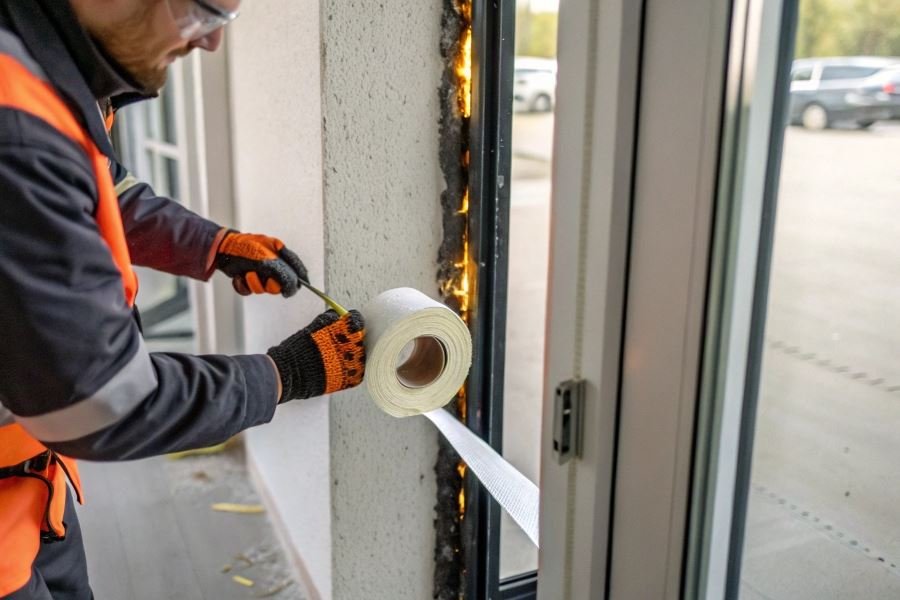
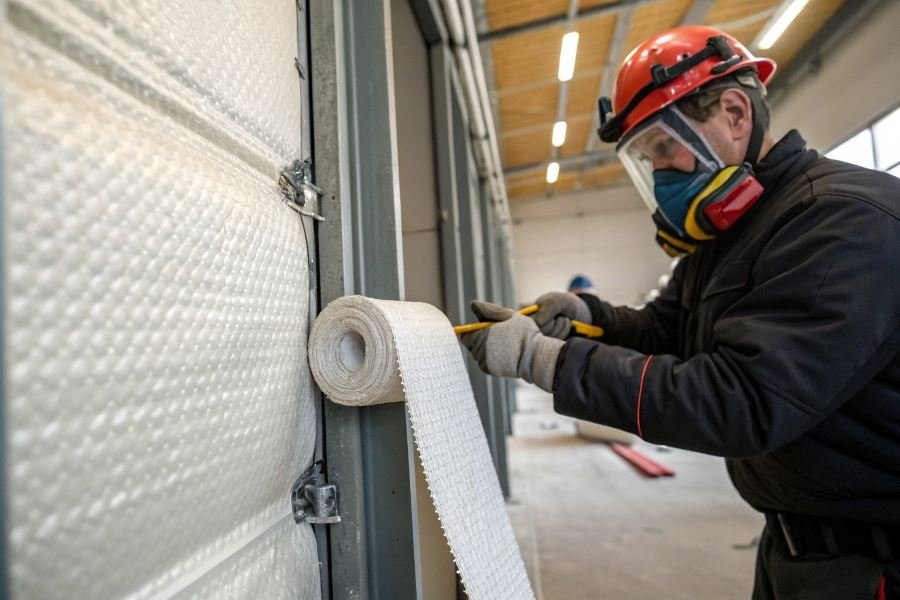
The effectiveness of fire-resistant tape begins with proper installation. Surface preparation is non-negotiable. Before applying any tape, surfaces must be clean, dry, and free from oils, dust, or solvents. Even the highest-rated 3M Fire Barrier Tape will fail prematurely if applied to contaminated surfaces.
When installing around electrical conduits or HVAC penetrations, maintain a minimum overlap of 2 inches on all sides. For high-humidity environments like commercial kitchens, consider using a primer specifically designed for moisture resistance.
The most common installation failure occurs at corners and joints—precisely where protection is most critical.
For complex geometries, use the “relief cut” technique: make small incisions in the tape to help it conform to irregular shapes without creating air pockets. In industrial settings, mechanical fasteners should supplement adhesive bonds, especially when vibration is present.
Maintenance rhythms that ensure continuous protection
Fire-resistant tape isn’t “set and forget” technology. Different environments demand different inspection schedules:
| Environment Type | Inspection Frequency | Key Inspection Points |
|---|---|---|
| Industrial | Quarterly | Heat exposure, chemical contamination, vibration damage |
| Commercial | Bi-annually | Adhesion integrity, dust accumulation, HVAC-related stress |
| Residential | Annually | Peeling edges, UV exposure (near windows), humidity effects |
Document all inspections with dated photographs. This creates a visual record that’s invaluable for identifying gradual degradation patterns that might otherwise go unnoticed.
Replacement indicators aren’t always obvious. Look for subtle signs like discoloration, brittleness at edges, or changes in texture. In manufacturing environments where chemical exposure is common, conductivity testing may be necessary to verify ongoing performance.
Three pillars of long-term performance
1. Environmental compatibility
Match your tape selection to specific environmental challenges. Areas with temperature fluctuations require tapes with greater elasticity, like Pyro-Tape with silicone backing. Spaces with UV exposure need products with inhibitors to prevent degradation.
2. System integration
Fire-resistant tape doesn’t work in isolation. It must function as part of a comprehensive fire protection strategy. Ensure compatibility with adjacent materials—some sealants can chemically react with certain tape adhesives, compromising both products over time.
3. Documentation and training
The best tape system fails without proper knowledge transfer. Maintain detailed records of installation dates, product specifications, and maintenance history. Train facility personnel to recognize warning signs of tape failure and establish clear protocols for reporting concerns.
By approaching fire-resistant tape as a system requiring ongoing attention rather than a one-time installation, you create layers of protection that remain effective throughout the lifecycle of your facility. This investment in proper installation and maintenance doesn’t just satisfy code requirements—it provides genuine protection when it matters most.
Learn how to select the right fire-resistant tape for residential, commercial, and industrial buildings. Comprehensive guide covering safety standards, environmental factors, and proper installation techniques for optimal fire protection.
Learn how to select the right fire-resistant tape for residential, commercial, and industrial buildings. Comprehensive guide covering safety standards, environmental factors, and proper installation techniques for optimal fire protection.