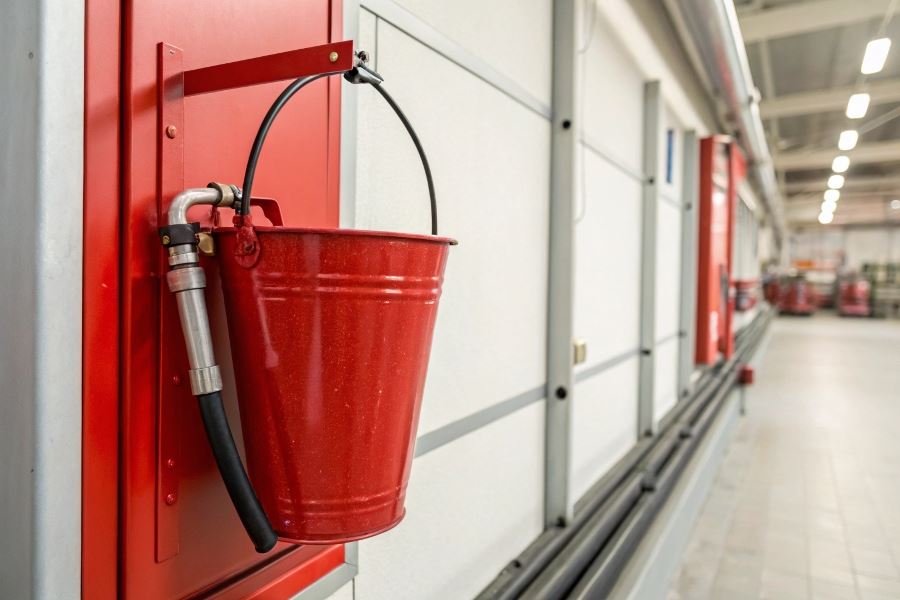
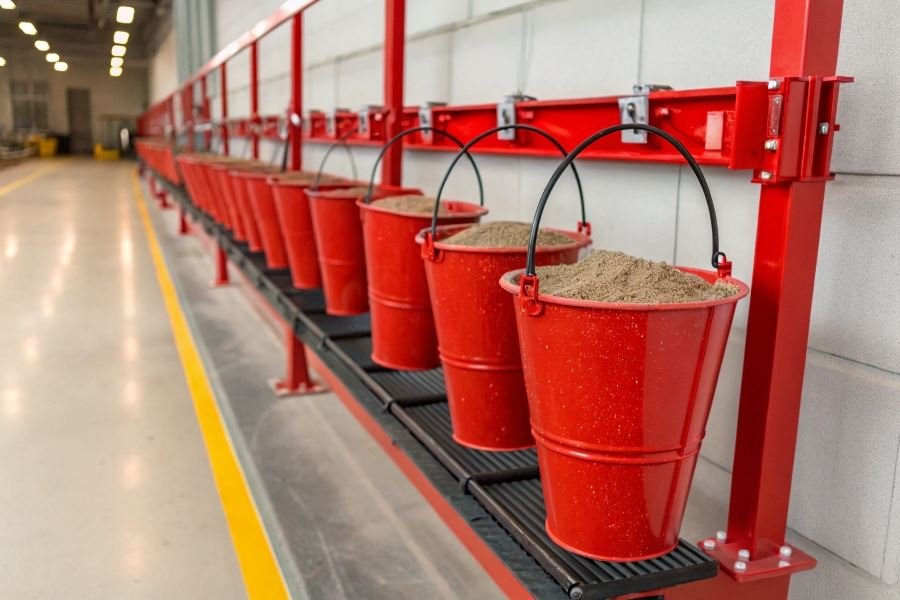
When flames erupt, every second counts. Yet in our rush to embrace high-tech fire suppression systems, we’ve overlooked one of history’s most reliable firefighting tools: the humble fire bucket. The right material can mean the difference between effective emergency response and catastrophic failure when you need it most.
Fire buckets have been saving lives and property since the Great Fire of London in 1666, when citizens formed bucket brigades to combat the devastating blaze. Today, these essential safety tools are manufactured from three primary materials, each offering distinct advantages for specific environments and applications.
Selecting the appropriate fire bucket material isn’t merely about durability—it’s about understanding the unique demands of your setting. Temperature extremes, chemical exposure, weight considerations, and frequency of use all influence which material will perform best when flames threaten.
The fire safety industry has converged on three superior materials that dominate the market:
- Galvanized steel – The traditional workhorse, offering exceptional durability and heat resistance
- High-density plastic – Lightweight and corrosion-resistant, ideal for marine environments
- Fiberglass – The premium option combining strength with moderate weight
Each material presents a unique profile of strengths and limitations that safety professionals must carefully evaluate. The perfect fire bucket doesn’t exist—but the perfect fire bucket for your specific needs absolutely does. Understanding these materials is your first line of defense in building a comprehensive fire safety strategy.
The Ultimate Material Showdown for Fire Buckets
When safety equipment meets material science, the humble fire bucket becomes a fascinating study in engineering tradeoffs. The right material choice can mean the difference between effective emergency response and equipment failure when you need it most. Let’s dive into the top 3 materials for fire buckets: advantages and disadvantages that industry professionals need to understand before making their next safety equipment purchase.
Galvanized Steel: The Time-Tested Champion
Galvanized steel fire buckets represent the gold standard in traditional fire safety equipment. Their distinctive appearance isn’t just for show—it’s the result of decades of proven performance.
Unmatched Durability: These buckets can withstand temperatures that would deform or melt alternative materials. The zinc coating provides a sacrificial layer that protects the underlying steel, extending service life significantly.
Heritage Reliability: There’s a reason galvanized steel has dominated the market since the early days of organized firefighting. The material’s inherent strength allows it to withstand rough handling in emergency situations without compromising structural integrity.
However, this traditional option comes with notable drawbacks:
Considerable Weight: At approximately 5-7 pounds when empty, these buckets can become significantly heavier when filled, potentially slowing response time.
Rust Vulnerability: Despite galvanization, scratches or dents can expose the underlying steel to moisture, eventually leading to rust formation—particularly in coastal or high-humidity environments.
Premium Pricing: Quality galvanized buckets typically start at $35-45, making them a more substantial investment than some alternatives.
Plastic Fire Buckets: Modern Practicality
The introduction of high-density polyethylene (HDPE) and other engineered plastics has revolutionized fire bucket design for many applications.
Effortless Handling: Weighing just 1-2 pounds empty, plastic buckets reduce fatigue during emergency response and make storage and transportation significantly easier.
Weather Resistance: Unlike their metal counterparts, plastic buckets won’t corrode when exposed to moisture or certain chemicals, making them ideal for outdoor storage or marine environments.
Budget-Friendly: With prices typically ranging from $15-25, plastic buckets offer considerable cost savings, especially for organizations needing to purchase in quantity.
The limitations, however, are significant:
Heat Sensitivity: Most plastic buckets can warp or melt when exposed to high temperatures, limiting their effectiveness in certain fire scenarios.
Environmental Considerations: While many manufacturers now use recyclable materials, plastic buckets still present end-of-life disposal challenges compared to metal alternatives.
Reduced Perception of Quality: Some safety inspectors and traditional organizations still view plastic options as less professional or reliable, despite advances in material science.
Fiberglass Fire Buckets: The Premium Compromise
Fiberglass represents the middle ground that many safety-conscious organizations are increasingly turning to.
Exceptional Longevity: The composite nature of fiberglass provides remarkable resistance to both physical damage and environmental factors, often outlasting both steel and plastic alternatives.
Balanced Weight Profile: At 3-4 pounds empty, fiberglass buckets offer a reasonable compromise between the heft of steel and the lightness of plastic.
Superior Chemical Resistance: Unlike both steel and plastic options, fiberglass stands up exceptionally well to exposure to aggressive chemicals that might be present in industrial environments.
The tradeoffs include:
Investment Required: With prices typically starting at $50-60, fiberglass represents the premium tier in fire bucket materials.
Impact Vulnerability: While durable overall, fiberglass can crack or chip when subjected to sharp impacts, potentially compromising the bucket’s integrity.
Limited Color Options: The manufacturing process typically restricts fiberglass buckets to fewer color choices, which can impact visibility or color-coding systems.
When selecting fire buckets for your facility, the material choice should align with your specific environmental conditions, budget constraints, and safety requirements. Each option presents a unique balance of benefits and limitations worth careful consideration.
Making the Right Choice: The Optimal Fire Bucket Material
When lives and property hang in the balance, your fire bucket material choice matters more than you might think. After examining galvanized steel, fiberglass, and high-density polyethylene options, it’s time to determine which material truly delivers when flames threaten. Let’s cut through the marketing hype and identify which bucket deserves a place in your safety arsenal.
Environment-Driven Selection Criteria
Your specific environment should dictate your fire bucket material choice:
Industrial settings benefit most from galvanized steel buckets. Their resistance to chemical exposure and ability to withstand extreme temperatures make them ideal for manufacturing facilities, warehouses, and construction sites where hazardous materials might be present.
Marine environments call for fiberglass. The salt-resistant properties prevent corrosion that would quickly compromise metal alternatives. Coastal properties, boats, and offshore facilities should prioritize fiberglass despite the higher initial investment.
Outdoor recreational areas like campgrounds and parks are best served by HDPE buckets. Their lightweight design allows for quick deployment by untrained users, while UV resistance prevents degradation even when stored outside for extended periods.
Maintenance Requirements Compared
Each material demands different maintenance protocols to ensure longevity:
| Material | Inspection Frequency | Cleaning Method | Expected Maintenance Costs |
|---|---|---|---|
| Galvanized Steel | Every 6 months | Mild soap, check for rust | $5-15 annually |
| Fiberglass | Annually | Non-abrasive cleaner | $0-10 annually |
| HDPE | Every 2 years | Simple rinse | Virtually none |
Galvanized steel requires vigilance against rust formation, particularly at seams and handles. While durable, these buckets need regular inspection to ensure the zinc coating remains intact.
Fiberglass buckets demand less frequent attention but require careful handling during cleaning to prevent microscopic damage to the resin surface that could compromise structural integrity over time.
HDPE offers the most forgiving maintenance schedule. A simple rinse removes most contaminants, and the material’s chemical stability means minimal degradation even with neglect—though regular inspection remains prudent for safety equipment.
Value Proposition Beyond Price Tags
The true cost of a fire bucket extends far beyond the initial purchase:
Galvanized steel presents the strongest long-term value proposition for high-risk environments. With proper maintenance, these buckets frequently remain serviceable for 15+ years, amortizing the $30-45 investment to roughly $2-3 annually. Their proven performance in extreme conditions justifies the weight and maintenance requirements.
Fiberglass models occupy the premium segment ($50-80) but deliver exceptional value in specialized environments. Their 10-15 year lifespan in corrosive conditions where metal alternatives might fail within months represents significant savings over time.
HDPE buckets offer the most accessible entry point ($15-25) with a respectable 5-8 year service life. For locations with multiple buckets or infrequent fire risks, the lower initial investment and minimal maintenance requirements often outweigh the shorter lifespan.
The optimal choice ultimately depends on your specific risk profile, environmental conditions, and maintenance capabilities. For critical safety applications where failure isn’t an option, the additional investment in premium materials pays dividends through reliability when it matters most. Remember that the true cost of inadequate fire protection far exceeds any savings from choosing inferior materials.
Discover the pros and cons of galvanized steel, plastic, and fiberglass fire buckets. Our comprehensive guide helps you select the optimal material for your fire safety needs based on durability, weight, cost, and heat resistance.
Discover the pros and cons of galvanized steel, plastic, and fiberglass fire buckets. Our comprehensive guide helps you select the optimal material for your fire safety needs based on durability, weight, cost, and heat resistance.