When disaster strikes, seconds matter. The difference between a minor incident and a catastrophic loss often comes down to immediate access to the right firefighting equipment. For enterprise owners, this reality isn’t just about compliance—it’s about protecting everything you’ve built.
Selecting appropriate fire shields for your business involves navigating a complex landscape of regulations, equipment types, and safety protocols. The right fire shield serves as your first line of defense, enabling rapid response before professional firefighters arrive. Studies show that properly equipped fire shields can reduce property damage by up to 60% when used within the first two minutes of a fire outbreak.
The regulatory landscape
Fire shield requirements aren’t arbitrary—they’re based on hard-earned lessons. The National Fire Protection Association (NFPA) established its first comprehensive fire code in 1896 following devastating urban fires. Today’s standards are far more sophisticated, with requirements varying based on:
- Building size and occupancy
- Industry-specific hazards
- Local and state regulations
- Insurance requirements
Compliance isn’t optional. Beyond avoiding fines, meeting these standards demonstrates commitment to employee safety and business continuity. OSHA inspections specifically look for properly maintained fire shields, with violations potentially resulting in penalties up to $14,502 per incident.
Fire shield varieties for different environments
Your enterprise’s specific needs determine the optimal fire shield configuration:
| Environment | Recommended Shield Type | Key Components |
|---|---|---|
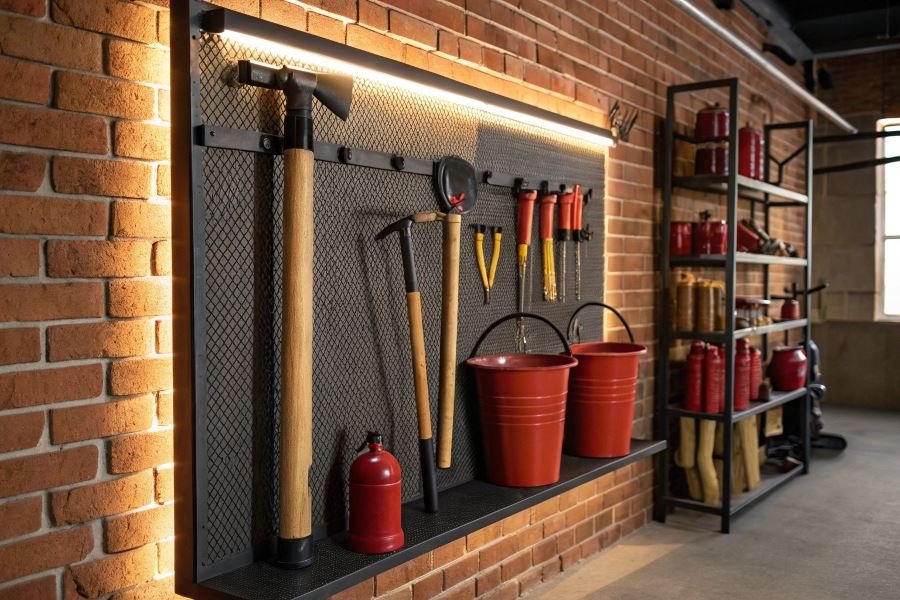
| Manufacturing | Class A-D comprehensive | Multiple extinguisher types, fire blankets, axes |
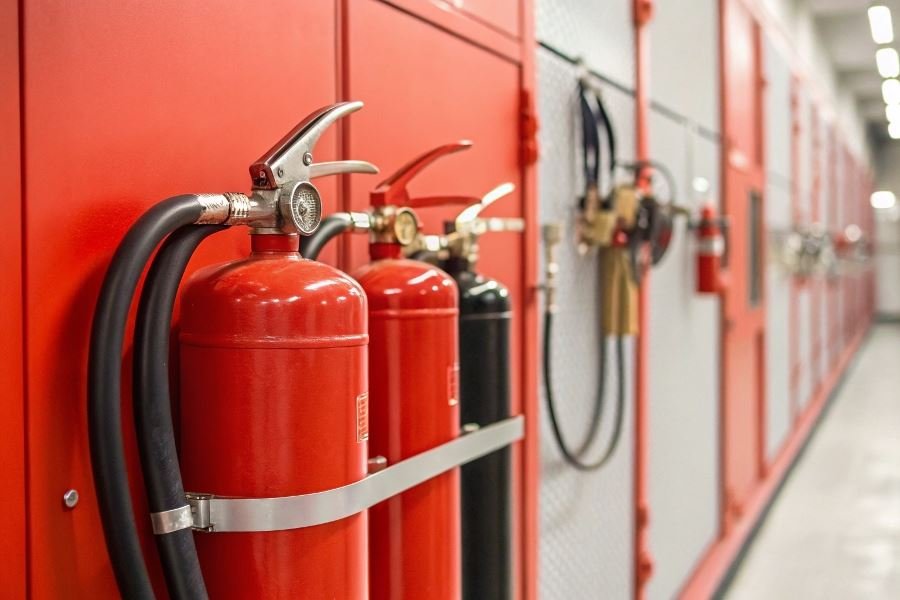
| Office spaces | Class A-C standard | Water/CO₂ extinguishers, alarm pull stations |
| Chemical facilities | Specialized hazmat | Foam extinguishers, emergency shower stations |
The most effective fire protection strategy integrates these shields into a comprehensive safety system, including training, evacuation plans, and regular maintenance checks. Remember—the best fire shield is one your team knows how to use when it matters most.
Essential Factors for Enterprise Fire Shield Selection
Identifying Your Specific Fire Risks
Fire protection isn’t one-size-fits-all—especially for businesses. The first step in selecting appropriate fire shields for your enterprise involves a comprehensive risk assessment tailored to your specific operations. Different industries face vastly different hazards: a metal fabrication shop contends with Class D combustible metal fires, while a data center primarily faces Class C electrical fire risks.
When evaluating how to choose a fire shield for an enterprise, industry-specific hazard classifications must guide your decision-making process. The National Fire Protection Association (NFPA) categorizes fires into distinct classes: A (ordinary combustibles), B (flammable liquids), C (electrical equipment), D (combustible metals), and K (cooking oils). Your enterprise likely faces multiple classifications simultaneously, requiring strategic shield placement throughout your facility.
Risk assessment should examine:
- Production processes and materials used
- Equipment types and potential failure points
- Historical fire incidents in similar facilities
- Regulatory requirements specific to your industry
Material Selection and Durability Considerations
The effectiveness of your fire protection system hinges on selecting appropriate materials that can withstand your specific environment while providing reliable protection when needed.
| Material Type | Best For | Durability Factors | Maintenance Needs |
|---|---|---|---|
| Steel | General industrial use | Corrosion resistance, impact resistance | Minimal, inspect for damage |
| Fiberglass | Corrosive environments | Chemical resistance, lightweight | Check for UV degradation |
| Aluminum | Clean rooms, food processing | Lightweight, non-corrosive | Regular cleaning |
| Stainless Steel | Harsh environments | Superior corrosion resistance | Periodic inspection |
Material selection should balance initial cost against long-term durability requirements. In high-humidity environments like paper mills or food processing facilities, stainless steel or fiberglass shields from Ansul offer superior protection against corrosion. For standard industrial applications, powder-coated steel shields from Amerex provide excellent durability at a more accessible price point.
Size, Placement and Accessibility
The strategic positioning of fire shields throughout your facility can mean the difference between a minor incident and a catastrophic event. NFPA guidelines recommend maximum travel distances to fire extinguishers—typically 75 feet for Class A hazards and 50 feet for Class B hazards.
Critical placement considerations include:
- High-risk areas require dedicated shields with appropriate extinguisher types
- Travel distance from any point to nearest shield must meet code requirements
- Visibility factors (use of signage, lighting, and contrasting colors)
- Mounting height (typically 4-5 feet from floor to handle)
Accessibility remains paramount in emergency situations. Fire shields should be positioned along normal paths of travel, near exits, and away from potential fire sources. For enterprises with disabled employees, Brooks Equipment offers ADA-compliant fire shield configurations with lower mounting heights and high-visibility features.
Balancing Compliance and Practicality
While meeting regulatory requirements forms the baseline for fire shield selection, truly effective protection requires balancing compliance with operational realities. The most sophisticated fire shield serves no purpose if it impedes daily operations to the point where employees work around it.
Consider these practical factors:
- Traffic patterns and workflow disruption
- Environmental conditions (temperature, humidity, exposure to chemicals)
- Frequency of access needs for inspection and maintenance
- Visual integration with facility aesthetics (particularly important for customer-facing areas)
By methodically addressing these essential factors—risk assessment, material selection, strategic placement, and practical implementation—your enterprise can develop a comprehensive fire shield system that provides maximum protection while supporting operational efficiency.
Bringing Fire Shields to Life in Your Enterprise
Professional Installation Makes All the Difference
Fire shield effectiveness isn’t just about what you buy—it’s about how it’s implemented. Professional installation transforms a collection of equipment into a life-saving system. When positioning fire shields, certified installers consider critical factors like evacuation routes, potential fire sources, and accessibility during emergencies.
The National Fire Protection Association standards recommend mounting fire shields between 4-5 feet from the floor—high enough to avoid obstruction yet low enough for most adults to access easily. This seemingly small detail can make a dramatic difference during an emergency when seconds count.
Visibility matters tremendously. Professional installers ensure your fire shields feature high-contrast signage visible from at least 100 feet away, even in smoke-filled conditions. They’ll also verify that nothing blocks the shield’s visibility from common work areas.
Many enterprises overlook the importance of lighting. A properly installed fire shield includes photoluminescent markers and potentially dedicated emergency lighting that remains functional even during power outages.
Maintenance That Saves Lives
Fire safety equipment that sits neglected quickly becomes a liability rather than protection. Developing a robust maintenance schedule is non-negotiable for enterprise fire safety.
| Maintenance Task | Frequency | Responsible Party |
|---|---|---|
| Visual inspection | Weekly | Safety officer |
| Equipment check | Monthly | Maintenance team |
| Pressure testing (extinguishers) | Annually | Certified contractor |
| Complete shield audit | Bi-annually | Fire safety consultant |
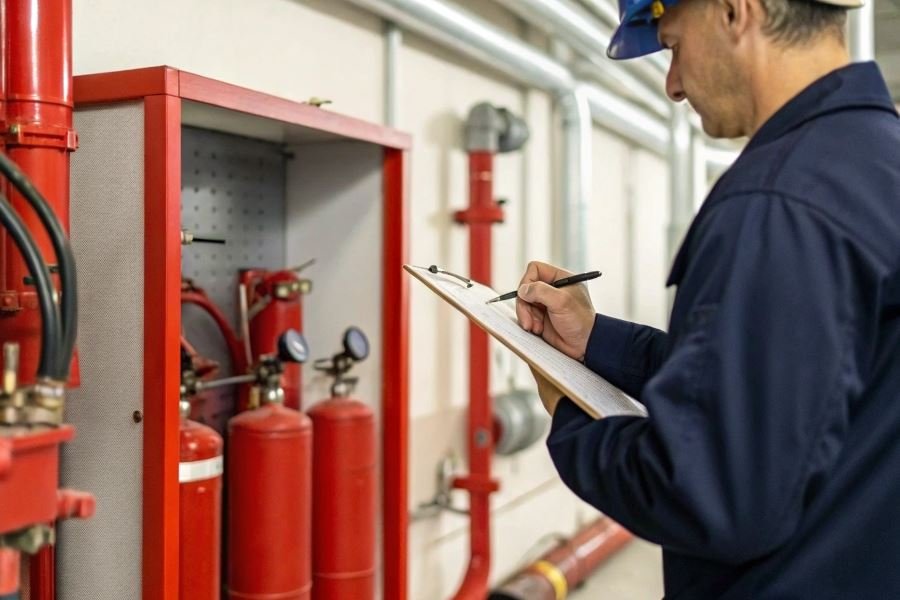
Your maintenance protocol should include checking that all components remain in their designated positions. Fire blankets should be properly folded, extinguishers should show appropriate pressure readings, and all instruction cards should remain legible and intact.
Document everything meticulously. Digital tracking systems from providers like Safety Champion can automate inspection reminders and maintain comprehensive records—crucial for both compliance and actual safety.
Training That Creates Confidence
Even the most perfectly installed and maintained fire shield becomes useless if your team doesn’t know how to use it. Effective training transforms ordinary employees into first responders who can take decisive action.
Start with the basics: ensure every team member can locate the nearest fire shield from any position in your facility. This simple awareness dramatically reduces response time during emergencies.
Hands-on practice is essential. Schedule regular drills where employees physically handle extinguishers (using training models from companies like BullEx) and practice deploying fire blankets. Muscle memory developed during these exercises proves invaluable during high-stress situations.
The difference between panic and purposeful action during a fire emergency often comes down to one factor: whether your team has practiced their response until it becomes second nature.
Create clear role assignments for emergency situations. Designate specific individuals to retrieve and operate fire shield equipment while others focus on evacuation or communication with emergency services.
Consider implementing a certification program where employees demonstrate proficiency with fire shield equipment. This not only ensures capability but also creates a culture where fire safety skills are valued and recognized.
Remember that training isn’t a one-time event. Schedule refresher sessions quarterly, and conduct comprehensive retraining annually. New employees should receive thorough fire safety orientation before beginning regular duties.
When your enterprise combines professional installation, diligent maintenance, and thorough training, your fire shields transform from wall decorations into genuine lifesaving systems ready to protect both people and property when it matters most.
Learn how to select compliant fire shields for your enterprise with our comprehensive guide covering regulatory requirements, risk assessment, material selection, and proper implementation strategies for maximum workplace safety.
Learn how to select compliant fire shields for your enterprise with our comprehensive guide covering regulatory requirements, risk assessment, material selection, and proper implementation strategies for maximum workplace safety.