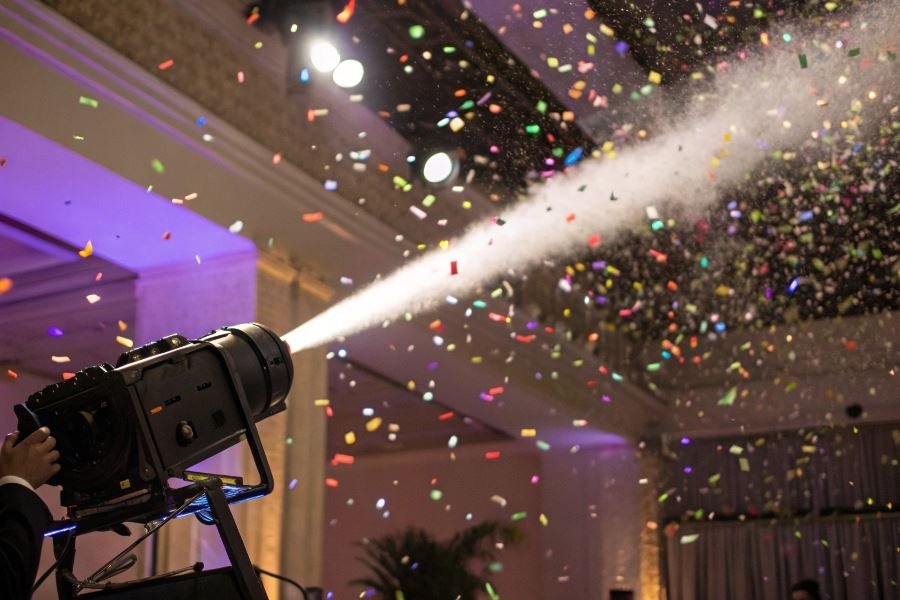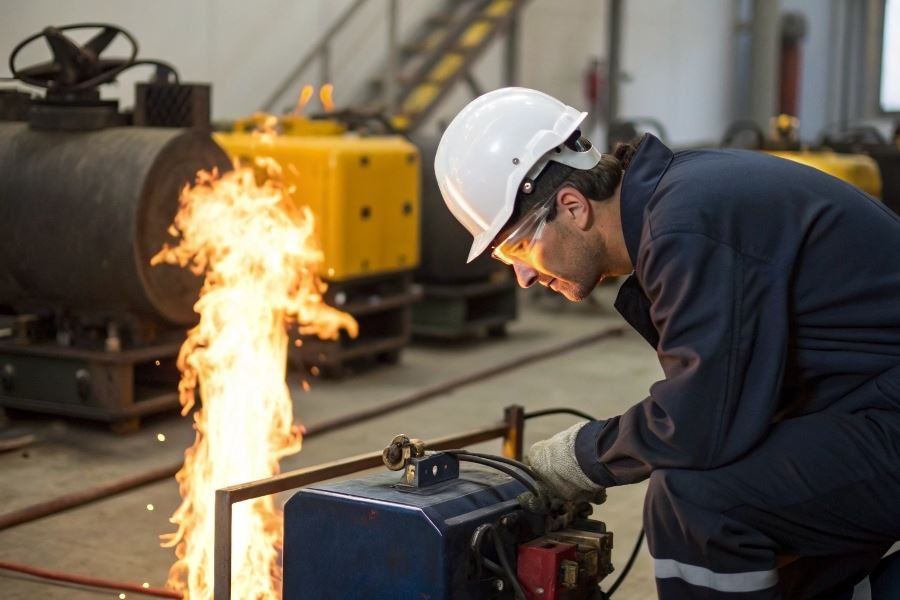
Ever watched a professional stage performance where flames dance in perfect synchronization with the music, creating an atmosphere of awe and wonder? Behind those magical moments stands a precisely engineered piece of equipment: the flame generator. But with great visual impact comes great responsibility.
Flame generators are specialized devices designed to produce controlled fire effects for entertainment, theatrical performances, and special events. Unlike simple pyrotechnics, these sophisticated machines create repeatable, manageable flame patterns while incorporating multiple safety mechanisms. They transform ordinary performances into extraordinary experiences, but only when selected and operated with proper care.
The stakes couldn’t be higher when working with fire effects. A single oversight in choosing your flame generator can lead to catastrophic consequences. According to the National Fire Protection Association, performance-related fire incidents have decreased by 72% since the implementation of stricter safety standards in 2010—proof that informed selection saves lives.
When evaluating flame generators, three critical factors should guide your decision:
- Certification compliance: Look for devices meeting UL, CE, or equivalent safety certifications
- Fuel system integrity: Evaluate the quality of fuel containment and delivery mechanisms
- Fail-safe features: Prioritize models with multiple redundant safety systems
The difference between professional-grade and substandard flame generators isn’t just about performance—it’s about peace of mind. As industry veteran Michael Tharpe notes, “The best flame effect never makes you wonder if something might go wrong.”
“Safety isn’t expensive, it’s priceless. Especially when working with controlled flame effects.”
Safety Features That Make or Break Flame Generators
When selecting a flame generator for your space, safety isn’t just a checkbox—it’s the foundation of every decision you’ll make. The most visually stunning flame effect becomes worthless if it poses risks to your property or loved ones. Navigating the landscape of flame generator safety features requires understanding both the obvious and subtle protections that separate premium units from dangerous alternatives.
The process of how to choose a flame generator for safe use begins with recognizing that not all safety systems are created equal. Modern flame generators incorporate multiple layers of protection that work in concert to prevent accidents before they happen and contain problems if they do occur. Let’s examine the critical safety features that deserve your attention.
Automatic Shut-off and Overheat Protection
The first line of defense in any quality flame generator is its automatic shut-off system. These intelligent safeguards continuously monitor operating conditions and respond instantly to potential hazards.
Tip-over detection represents perhaps the most essential automatic safety feature. When sensors detect that the unit has been knocked over or is operating at an unsafe angle, the system immediately cuts fuel flow and extinguishes flames. Premium models from manufacturers like Dimplex and Glen Dimplex incorporate multi-directional sensors that respond regardless of which direction the unit falls.
Temperature monitoring systems provide another critical layer of protection:
| Protection Type | Function | Response Time |
|---|---|---|
| Overheat sensors | Monitor internal component temperatures | 1-3 seconds |
| Ambient temperature detection | Prevents operation in unsafe room conditions | Continuous monitoring |
| Thermal fuses | Provide fail-safe protection if electronic systems fail | Instantaneous |
The best systems incorporate redundant temperature monitoring, ensuring that if one sensor fails, others continue providing protection.
Flame Containment Systems and Materials
Even with automatic shut-off features, proper flame containment remains essential. This aspect of safety focuses on physically controlling the flame and preventing fire spread.
Fire-resistant construction materials form the foundation of containment systems. Look for:
- Tempered glass barriers that can withstand temperatures up to 470°F
- Metal components with high-temperature powder coating
- Ceramic fiber logs or stones rated for continuous high-heat exposure
- Insulated combustion chambers that keep external surfaces cool
Flame height limiters represent another important containment feature. These systems restrict flame size to safe levels, preventing excessive heat output that could ignite nearby materials. The Napoleon NEFL series, for example, incorporates precision flame control that maintains consistent, safe flame patterns.
Certification Standards and Compliance
Perhaps the most reliable indicator of flame generator safety is third-party certification. These standards ensure units have undergone rigorous testing under controlled conditions.
UL certification (Underwriters Laboratories) represents the gold standard for flame generator safety in North America. Look specifically for:
- UL 1278 for electric flame generators
- ANSI Z21.88 for gas-powered units
- CSA certification for Canadian compliance
Beyond these basic certifications, premium manufacturers often exceed minimum requirements. Real Flame products, for instance, undergo additional testing for particulate emissions and air quality impact.
Always verify that certification labels appear directly on the unit, not just in marketing materials. Legitimate certification marks include holographic elements and specific identification numbers that can be verified through the certifying organization’s website.
By prioritizing these essential safety features, you’ll ensure your flame generator provides both the ambiance you desire and the protection your space demands.
Making the Final Decision on Your Flame Generator
When investing in a flame generator, the final decision requires careful consideration of safety, performance, and long-term reliability. Let’s dive into the critical factors that separate exceptional flame generators from merely adequate ones.
Trust the Reputation Behind the Flame
Manufacturer reputation serves as your first line of defense against potential safety hazards. Companies like FireMaster and FlameControl have established track records spanning decades, with documented safety innovations and transparent recall histories.
Look beyond marketing claims to verify:
- Industry certifications (UL, CSA, ETL)
- Years in business (established manufacturers typically have refined their safety protocols)
- Response to past incidents or product issues
Customer reviews provide invaluable real-world insights that specifications alone cannot convey. Pay particular attention to reviews mentioning:
- Long-term reliability (reviews from users who’ve owned the product 3+ years)
- Customer service experiences following safety concerns
- Consistency between advertised and actual performance
The difference between a reputable manufacturer and an unknown entity isn’t just brand recognition—it’s often the difference between peace of mind and potential hazard.
Installation and Maintenance Requirements
Even the safest flame generator becomes a liability when improperly installed or maintained. Before finalizing your purchase, thoroughly assess:
| Installation Factor | What to Consider | Red Flags |
|---|---|---|
| Space Requirements | Clearance needs (typically 3-5 feet from combustibles) | Vague specifications or minimal clearance requirements |
| Ventilation Needs | CFM requirements, exhaust specifications | No mention of ventilation requirements |
| Professional Installation | Certification requirements for installers | DIY installation encouragement for complex systems |
Maintenance demands vary dramatically between models. Budget-friendly options often hide their true cost in maintenance requirements:
- Frequency of component replacement
- Availability of replacement parts
- Specialized tools or expertise required
A flame generator requiring monthly professional inspection at $150 per visit quickly outpaces the value of a higher-priced, low-maintenance alternative.
Performance Meets Safety
The most impressive visual effects mean nothing if they compromise safety. The ideal flame generator balances performance with robust safety features:
- Automatic shutdown systems that activate under abnormal conditions
- Redundant safety mechanisms rather than single-point protections
- Flame height and intensity controls with mechanical limiters
When evaluating performance features, prioritize:
- Flame consistency and stability over maximum height
- Fuel efficiency over raw power output
- Operational noise levels (often overlooked but crucial for indoor use)
The best flame generator isn’t necessarily the most powerful or feature-rich—it’s the one that delivers reliable performance within your safety parameters.
Remember that safety features should complement, not replace, proper usage protocols. The most sophisticated automatic shutdown system won’t prevent accidents caused by improper placement or maintenance neglect.
By methodically evaluating manufacturer reputation, understanding the full scope of installation and maintenance requirements, and finding the sweet spot between performance and safety, you’ll select a flame generator that provides both spectacular effects and the confidence that comes with responsible operation.
Discover essential safety features for flame generators, including automatic shut-off systems, containment mechanisms, and certification standards. Learn how to evaluate manufacturers and balance performance with safety for worry-free operation.
Discover essential safety features for flame generators, including automatic shut-off systems, containment mechanisms, and certification standards. Learn how to evaluate manufacturers and balance performance with safety for worry-free operation.