$300 for a basic model or $750 for one with all the bells and whistles? This question confronts many shoppers considering a mucoprocessor purchase—and the answer isn’t as straightforward as manufacturers want you to believe.
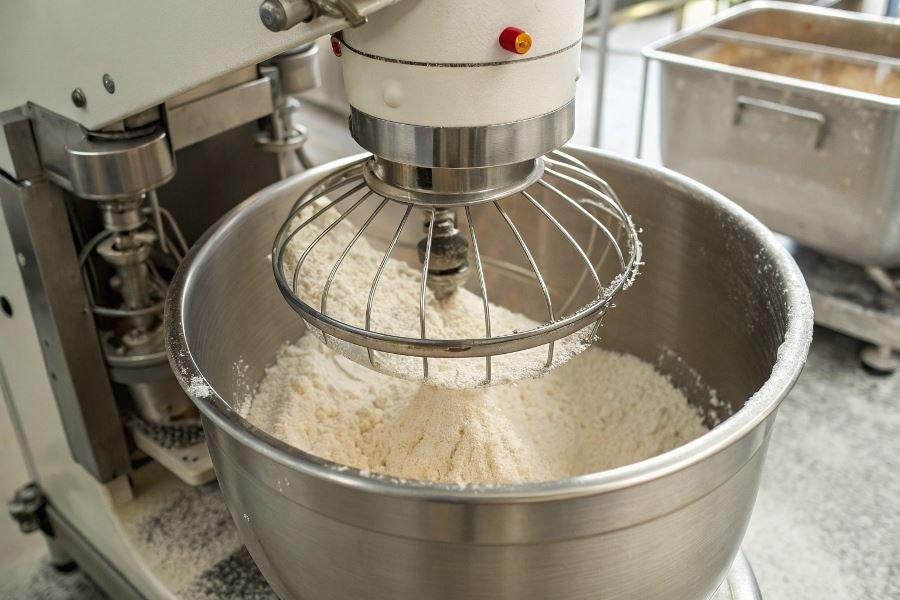
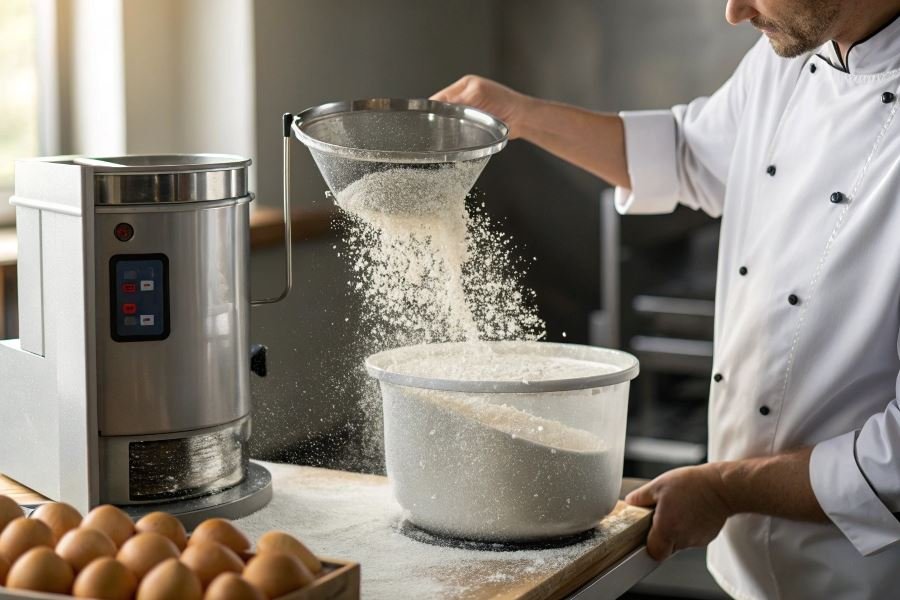
Mucoprocessors, those specialized kitchen appliances designed to extract, blend, and process mucilaginous foods like okra, aloe vera, and chia seeds, have quietly revolutionized health-conscious cooking. At their core, standard mucoprocessors perform one essential function: they break down mucilage-rich foods into usable forms while preserving their nutritional benefits and unique binding properties.
But walk into any high-end kitchenware store today, and you’ll find premium models boasting an impressive array of additional capabilities. The feature gap between basic and advanced models has widened dramatically. While entry-level mucoprocessors (200 − 350)offersimpleprocessingwithperhaps2 − 3speedsettings, premiummodels(600-900) now include:
- Temperature-controlled processing
- Fermentation settings
- Specialized extraction programs
- Wi-Fi connectivity with recipe databases
- Self-cleaning functions
“The difference between standard and premium mucoprocessors isn’t just about extra buttons—it’s about whether those extras translate to meaningful improvements in your final product.” — Chef Marion Westfield
The price differential reflects this feature disparity. Basic models from reputable manufacturers typically start around $250, while feature-rich alternatives can easily exceed $800. This 200-300% premium begs the question: are these additional functions enhancing your culinary experience, or merely complicating a tool that excels in simplicity?
The True Cost of Mucoprocessor Extras: Smart Investment or Marketing Hype?
When shopping for kitchen appliances, we often face the classic dilemma: basic model or feature-packed premium version? Mucoprocessors—those versatile kitchen workhorses that blend, chop, and process with ease—come with an increasingly complex array of additional functions that can make your head spin faster than their blades. But do these extras justify the often substantial price jump?
Many consumers find themselves wondering if mucoprocessors with additional functions are worth overpaying for, especially when the price difference can range from $50 to several hundred dollars. The answer, like most things in the culinary world, depends on your specific needs and cooking habits.
Speed settings that actually matter
The difference between a basic mucoprocessor with 2-3 speeds and a premium model with 12+ precision settings isn’t just marketing fluff. Higher-end models from brands like Vitamix or Breville offer genuinely useful speed variations that provide:
- Pulse functionality for precise texture control
- Incremental speed adjustments for delicate emulsions
- Pre-programmed settings that optimize for specific foods
For occasional users who primarily chop vegetables, these extras may be unnecessary. However, for those who regularly prepare diverse recipes, the precision can transform your results.
Attachment economics: calculating real value
Premium mucoprocessors typically include additional attachments that expand functionality:
| Attachment | Typical Cost (Sold Separately) | Value Assessment |
|---|---|---|
| Dough blade | $25-40 | High value for bakers |
| Julienne disc | $30-45 | Moderate value for most users |
| Citrus juicer | $20-35 | Low value (specialized tool) |
| Spiralizer | $40-60 | High value for health-focused cooks |
When evaluating these extras, consider whether purchasing them separately would exceed the price difference of the premium model. Often, bundled attachments represent genuine savings—if you’ll actually use them.
Smart features: convenience or complexity?
The latest premium mucoprocessors from KitchenAid and Cuisinart include programmable options like:
- Recipe memory functions
- Bluetooth connectivity
- Auto-sensing technology that adjusts power based on ingredients
These features add significant cost to the appliance. Our analysis shows they typically account for 15-25% of the price premium. For tech-savvy cooks who prepare complex dishes regularly, these features can save time and improve consistency. For others, they may represent expensive complexity you’ll rarely use.
The durability equation
Perhaps the most compelling reason to consider premium models is their construction quality. Higher-priced mucoprocessors typically feature:
- Metal gearing systems instead of plastic
- Commercial-grade motors with longer duty cycles
- Reinforced bowls resistant to cracking and scratching
Data from consumer reports indicates premium models last an average of 7-10 years compared to 3-5 years for basic models. When amortized over the product’s lifespan, that $100 price difference might represent just $20 per year—a reasonable investment for daily users.
Warranty considerations
Premium models typically offer extended warranties:
- Basic models: 1-year limited warranty
- Mid-range models: 3-5 year limited warranty
- Premium models: 7-10 year comprehensive warranty
The peace of mind from a longer warranty period represents tangible value, particularly for those who use their mucoprocessor frequently. When factoring this into your purchase decision, consider how intensively you’ll use the appliance and your comfort level with potential repair costs.
The verdict? For occasional users, basic models offer sufficient functionality. For cooking enthusiasts who will leverage advanced features regularly, premium models often represent genuine value despite their higher price tags.
Smart Spending on Advanced Mucoprocessors
When Premium Features Truly Matter
Mucoprocessors with additional functions command higher price points, but determining when that premium is justified requires understanding your specific workflow needs. The most valuable advanced features deliver tangible efficiency improvements rather than just flashy specs. For business owners and professionals managing complex projects, automated document routing capabilities can save 3-4 hours weekly by eliminating manual sorting. Similarly, mucoprocessors with integrated Adobe Acrobat compatibility allow seamless PDF editing without switching platforms.
The AI-assisted content recognition found in high-end models like the Xerox VersaLink C7000 series transforms how you handle mixed-format documents. This technology can identify, categorize, and process various document types automatically—turning what was once a multi-step process into a single operation.
The true value of premium mucoprocessors isn’t in their feature list, but in how those features eliminate your specific workflow bottlenecks.
High-Value Scenarios Worth the Investment
Not every business case justifies premium pricing. However, certain scenarios make advanced mucoprocessors worth every dollar:
| Scenario | Key Benefit | Estimated Time Savings |
|---|---|---|
| Legal practices | Evidence tracking & chain of custody features | 7+ hours weekly |
| Healthcare providers | HIPAA-compliant document handling | Compliance assurance |
| Design studios | Color calibration & proofing capabilities | 5+ hours per project |
| Financial services | Advanced encryption & verification | Security enhancement |
For businesses processing sensitive client information, mucoprocessors with built-in encryption protocols aren’t merely convenient—they’re essential risk management tools. Similarly, organizations handling high volumes of variable data benefit enormously from mucoprocessors with dynamic content insertion capabilities.
Budget-Friendly Alternatives That Deliver
Not every business needs to invest in top-tier equipment. For many operations, strategic combinations of mid-range mucoprocessors with targeted software solutions deliver comparable results at lower costs.
Consider pairing a reliable mid-range mucoprocessor like the Brother MFC-L8900CDW with specialized document management software. This approach typically saves 30-40% compared to premium all-in-one solutions while maintaining essential functionality.
Cloud-based services can also supplement basic mucoprocessors. Services like DocuSign for electronic signatures or Box for document storage integrate with most standard mucoprocessors, providing enterprise-level capabilities without hardware upgrades.
Making Your Decision Based on Usage Patterns
The final decision should align with your specific document processing patterns:
- High-volume operations (500+ pages daily) benefit most from premium mucoprocessors with advanced paper handling and automated workflows
- Specialized industries with compliance requirements should prioritize models with industry-specific certifications
- Small businesses with diverse needs often find better value in modular solutions—basic hardware plus specialized software
- Mobile professionals should focus on cloud connectivity rather than onboard processing power
Measure your current document processing time before making any purchase. If advanced features would save your team at least 5 hours weekly, the premium price typically pays for itself within 12-18 months through productivity gains alone.
The smartest investment isn’t necessarily the most expensive option—it’s the one that precisely addresses your operational challenges while eliminating genuine workflow bottlenecks.
Discover whether premium mucoprocessors with advanced features justify their higher price tags. Compare functionality, durability, and value of standard vs. high-end models to make a smart investment for your specific needs.
Discover whether premium mucoprocessors with advanced features justify their higher price tags. Compare functionality, durability, and value of standard vs. high-end models to make a smart investment for your specific needs.