Your food cart isn’t just equipment—it’s the foundation of your entire business strategy.
When launching a mobile food venture, the cart you select becomes your kitchen, storefront, and brand ambassador all rolled into one compact package. The decision between a universal or specialized cart isn’t merely about equipment—it’s about defining your business identity and operational capabilities for years to come.
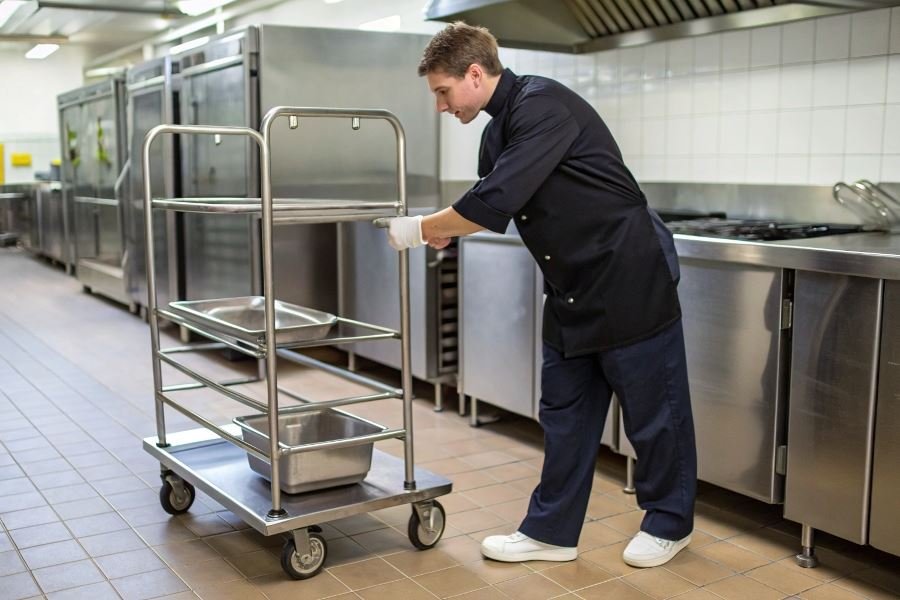
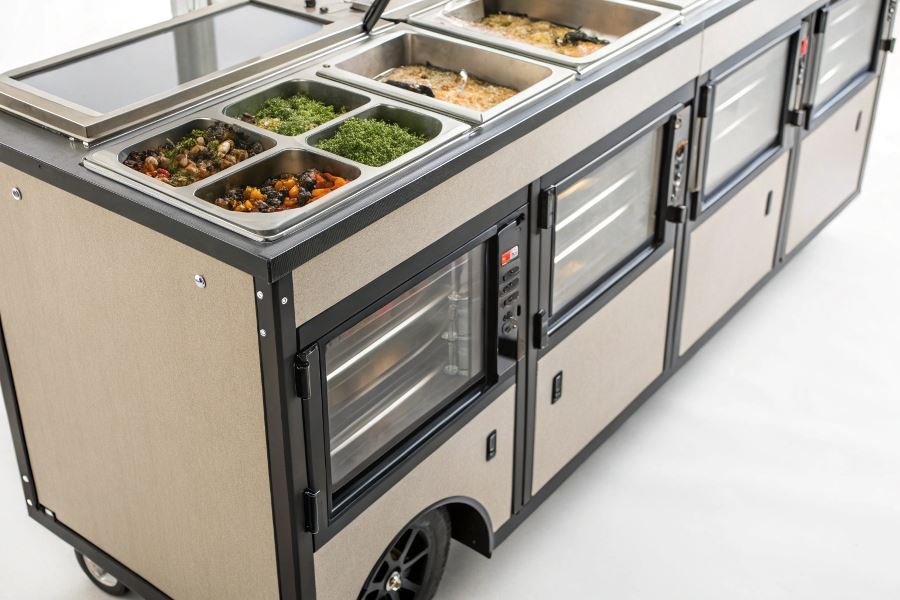
Universal carts offer remarkable flexibility, designed to accommodate multiple food types with adaptable cooking stations and modular storage. They’re the chameleons of the food cart world, allowing you to pivot your menu seasonally or test different concepts without investing in new equipment. Meanwhile, specialized carts are purpose-built marvels, optimized for specific cuisines—whether it’s the precise temperature control needed for gelato, the specialized ventilation for smoky BBQ, or the dedicated brewing systems for craft coffee.
The market has evolved dramatically since the early food truck boom that began around 2008. Today’s options range from bare-bones utility carts starting around $3,000 to custom-fabricated specialized units that can exceed $25,000.
Three critical factors should guide your decision:
- Menu complexity and evolution – How diverse and changeable is your food offering?
- Capital constraints – What’s your initial budget versus long-term investment strategy?
- Operational efficiency – Will specialization significantly improve your food quality or service speed?
The right cart choice aligns with both your immediate needs and long-term vision, creating either a versatile platform for culinary experimentation or a finely-tuned machine that executes a specific cuisine with unmatched precision.
The Ultimate Cart Showdown: Universal vs Specialized
When launching a food business, the humble cart—often overlooked—can make or break your operation. The decision between universal and specialized carts isn’t just about wheels and metal; it’s about operational philosophy, brand positioning, and long-term business strategy.
Universal Carts: The Swiss Army Knife Approach
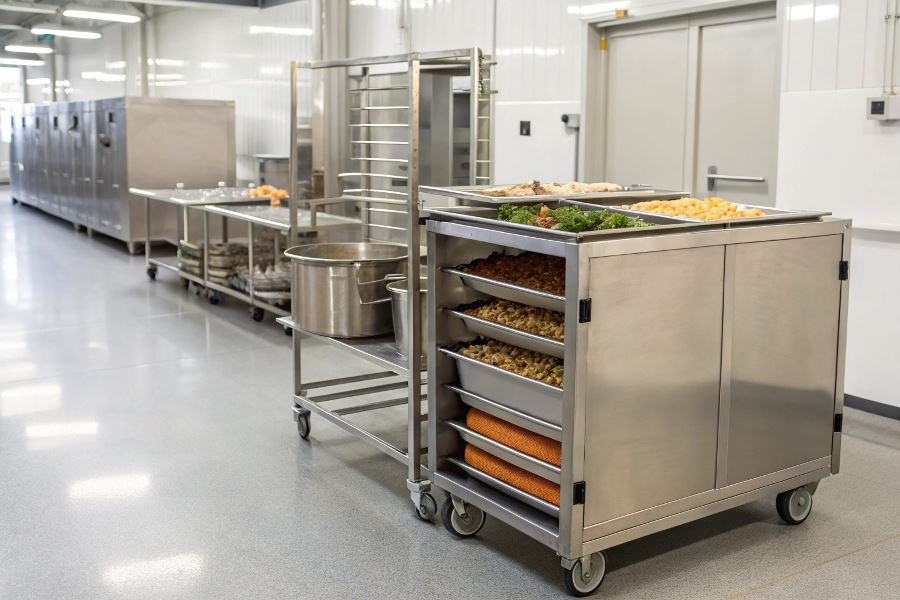
Universal food carts offer remarkable versatility across multiple food categories. These adaptable platforms allow vendors to pivot their offerings based on season, location, or market demand without investing in new equipment. When considering universal vs specialized carts: what to choose for the food business often depends on your growth trajectory and market testing needs.
The economics make a compelling case: universal carts typically cost between 3, 000−7,000, compared to specialized units that can exceed $12,000. This lower initial investment creates a gentler entry point for entrepreneurs testing concepts or operating with limited capital.
Key advantages include:
- Ability to rotate menu offerings without structural modifications
- Lower upfront investment with higher long-term flexibility
- Simplified inventory management across multiple food types
- Easier resale value due to broader applicability
A universal cart from Cart Concepts International can transform from serving tacos on Tuesday to offering gourmet ice cream on Wednesday—perfect for entrepreneurs still refining their concept or working seasonal events with varying audience preferences.
Specialized Carts: Precision-Engineered Excellence
Specialized carts represent the opposite philosophy: purpose-built excellence for a specific food category. These carts incorporate customized storage, specialized cooking equipment, and optimized workflows that can increase production speed by up to 35% compared to universal alternatives.
The specialized approach shines brightest when your concept is locked in and your brand identity is crystal clear.
For example, a purpose-built pizza cart includes:
- High-temperature ovens maintaining precise 700°F cooking environments
- Specialized dough preparation surfaces
- Humidity-controlled ingredient storage
- Brand-specific exterior design elements
Performance Comparison Across Business Models
| Business Model | Universal Cart Performance | Specialized Cart Performance |
|---|---|---|
| Festival Vendor | ★★★★☆ (Menu flexibility) | ★★★☆☆ (Limited offerings) |
| Fixed Location | ★★☆☆☆ (Compromised efficiency) | ★★★★★ (Optimized workflow) |
| Seasonal Business | ★★★★★ (Adaptable offerings) | ★★☆☆☆ (Off-season limitations) |
| Franchise Operation | ★★☆☆☆ (Inconsistent experience) | ★★★★★ (Brand consistency) |
The environmental context matters tremendously. Urban settings with consistent foot traffic often favor specialized carts that can rapidly produce signature items. Meanwhile, rural or event-based operations benefit from universal carts that can adapt to fluctuating customer preferences.
Decision factors to consider:
- Operating environment (fixed location vs. mobile)
- Menu complexity and specialization
- Available capital and risk tolerance
- Growth strategy (single concept vs. multiple concepts)
- Seasonal considerations
The specialized Ferla Bikes ice cream cart demonstrates how purpose-built design can increase serving capacity by 40% during peak hours compared to converted universal carts—a critical advantage during summer rushes when every minute counts.
The universal vs. specialized decision ultimately reflects your business philosophy: are you building a focused brand around a singular, perfected offering, or creating a flexible platform that can evolve with market demands? The right answer isn’t universal—it’s the one that aligns with your unique vision and operational reality.
Making the Cart Choice That Drives Your Food Business Forward
Aligning Cart Choice with Your Culinary Vision
The food cart you select isn’t just equipment—it’s the foundation of your entire operation. Menu complexity stands as perhaps the most critical consideration when deciding between universal and specialized options. A taco concept with 5-7 core items can thrive on a specialized cart designed specifically for that cuisine. Meanwhile, a business offering diverse international dishes requires the flexibility of a universal setup with modular cooking stations.
Service volume creates another decision point. Specialized carts excel at handling high volumes of standardized orders—think a dedicated pretzel cart that can serve 200+ customers during lunch rush. Universal carts sacrifice some speed for versatility, making them ideal for businesses that experience varied demand patterns throughout the day.
Your growth trajectory should heavily influence this decision. If expansion means adding new menu categories rather than scaling existing offerings, a universal cart provides the adaptability to experiment without purchasing new equipment. As one successful food entrepreneur in Portland discovered: starting with a universal cart allowed him to test four different menu concepts before investing in specialized equipment for his most profitable offering.
“The right cart isn’t the one with the most features—it’s the one that removes friction between your food and your customers.”
Financial Implications Beyond the Price Tag
Initial investment differences between cart types can be substantial. Specialized carts typically cost 15-30% less upfront than comparable universal models. A basic specialized hot dog cart might start around $5,000, while a universal cart with equivalent quality begins closer to $7,500.
However, the true financial story emerges over time. Universal carts generally demonstrate:
- Lower maintenance costs (averaging 12% less annually)
- Greater resale value (retaining up to 25% more value after 5 years)
- Reduced need for supplementary equipment purchases
| Cart Type | Initial Investment | 5-Year Operational Cost | Total 5-Year Cost |
|---|---|---|---|
| Specialized | 5, 000−12,000 | 18, 000−25,000 | 23, 000−37,000 |
| Universal | 7, 500−18,000 | 15, 000−22,000 | 22, 500−40,000 |
The operational efficiency of specialized carts can offset their limited functionality. A specialized pizza cart with purpose-built ovens might use 20% less propane than a universal cart adapted for pizza production. These savings compound significantly for high-volume operations.
Strategic Recommendations Based on Business Context
Small startups with limited capital should consider specialized carts that perfectly match their core offering. The lower entry cost and operational simplicity provide breathing room during the critical early months.
Established businesses expanding to mobile operations benefit from universal carts that can replicate their existing menu diversity without compromise. The additional upfront investment pays dividends through consistent brand experience.
Location dynamics dramatically impact this decision. Dense urban environments with predictable foot traffic patterns support specialized carts that can build reputation through consistency. Businesses serving varied locations—from corporate lunches to weekend festivals—need the adaptability of universal setups.
Your target market’s expectations should guide this choice. Premium markets often expect variety and customization that universal carts facilitate. Value-oriented customers typically prioritize speed and consistency—strengths of specialized equipment.
The most successful food cart operators recognize that this isn’t a permanent decision. Many begin with specialized carts to establish market presence, then graduate to universal platforms as their customer base and menu evolve. This staged approach minimizes risk while creating pathways for sustainable growth.
Discover whether to invest in versatile universal carts or tailored specialized options for your food business. Compare costs, efficiency, and strategic benefits to make the right choice for your unique menu, location, and growth plans.
Discover whether to invest in versatile universal carts or tailored specialized options for your food business. Compare costs, efficiency, and strategic benefits to make the right choice for your unique menu, location, and growth plans.