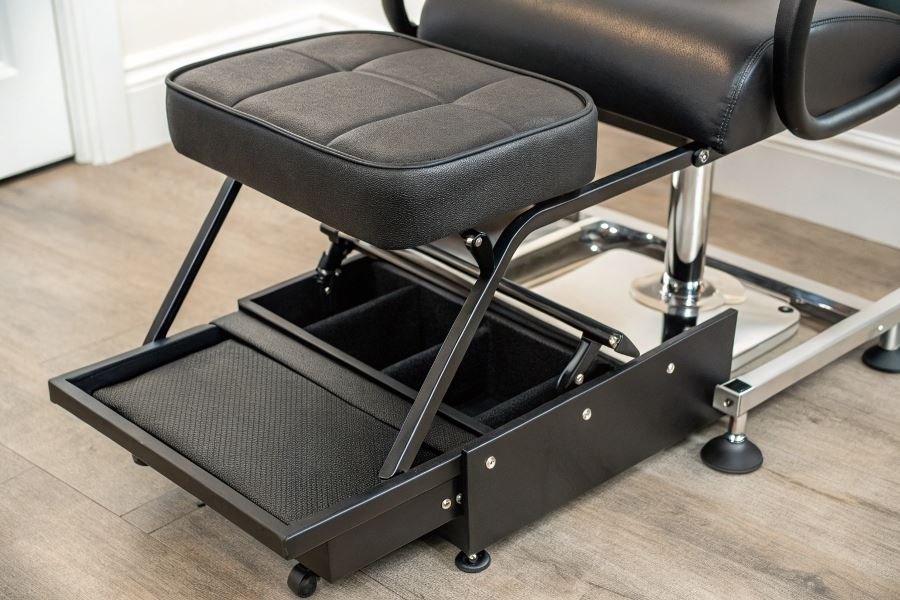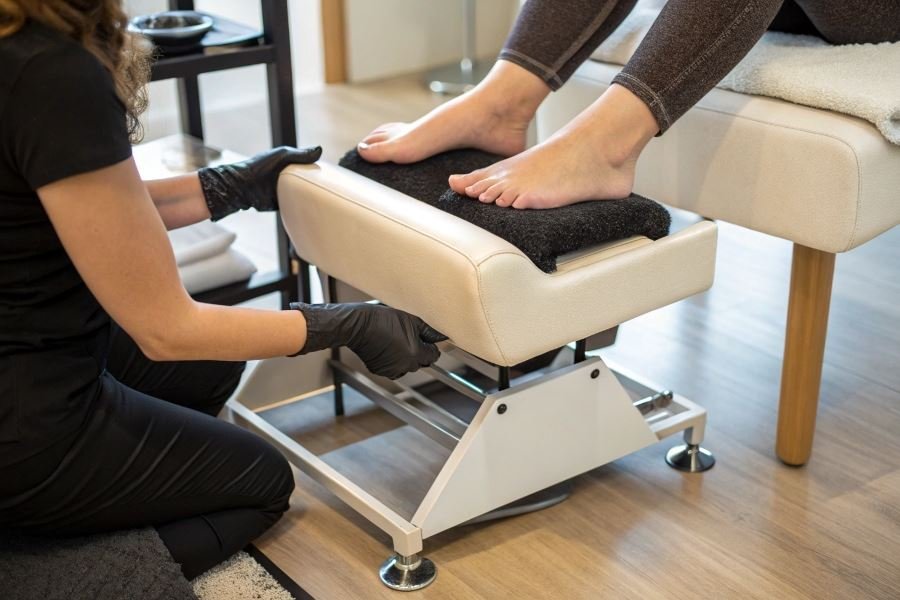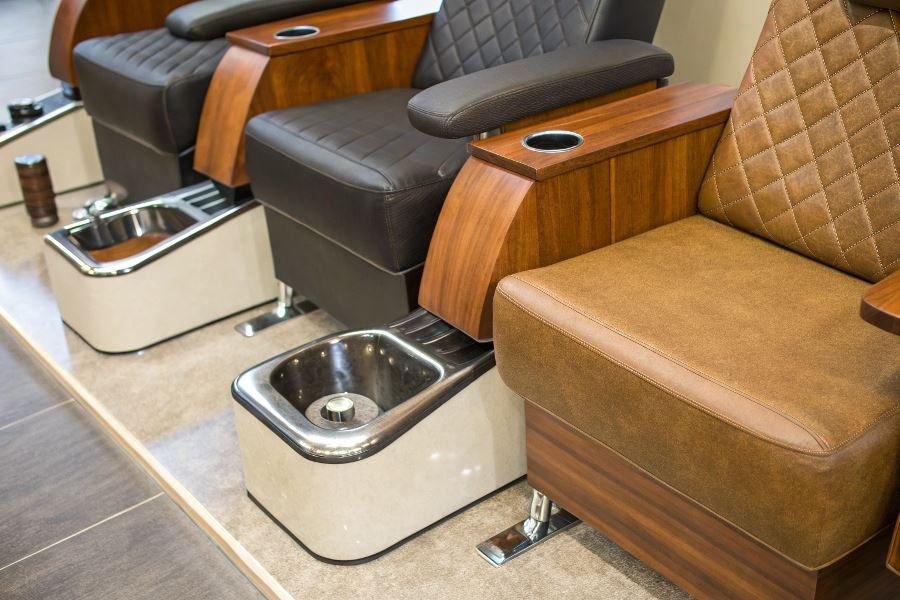
Ever noticed how a truly exceptional salon visit leaves you feeling pampered from head to toe—literally? Behind that sensation lies a critical yet overlooked element: the humble footrest. The material beneath your feet silently communicates volumes about a salon’s commitment to excellence.
Quality footrests aren’t merely accessories; they’re essential touchpoints that clients physically connect with during treatments. When comparing materials for salon footrests, savvy owners recognize that this seemingly minor detail directly impacts both client satisfaction and operational efficiency. The right material creates a seamless experience that clients may not consciously notice but will certainly feel.
Three critical factors drive footrest material selection: durability under constant use, ease of sanitization between clients, and comfort that enhances rather than distracts from treatments. Premium salons increasingly favor medical-grade stainless steel and high-density antimicrobial foams over traditional options. These materials withstand rigorous cleaning protocols while maintaining structural integrity through thousands of client visits.
The hygiene factor cannot be overstated. Materials must withstand hospital-grade disinfectants without degradation—particularly crucial in nail services where cross-contamination risks are heightened. The best footrests incorporate seamless designs that eliminate crevices where bacteria might hide.
“The footrest is where comfort meets cleanliness. When both are compromised, the entire service suffers.” – American Salon Association
Ultimately, footrest materials represent the intersection of client comfort, operational practicality, and brand positioning. The choice reflects not just functional needs but a salon’s overall commitment to excellence.
The Ultimate Material Showdown for Salon Footrests
When it comes to creating exceptional client experiences in beauty salons, the humble footrest deserves far more attention than it typically receives. The material choice for these essential pieces of equipment directly impacts comfort, durability, hygiene, and the overall aesthetic of your salon space. A comprehensive comparison of materials for footrests in beauty salons reveals that each option brings distinct advantages and limitations that savvy salon owners must carefully weigh.
Metal Marvels: Stainless Steel and Aluminum
Metal footrests represent the gold standard for durability and cleanliness in high-traffic salon environments.
Stainless Steel footrests offer unmatched longevity, typically lasting 10+ years with proper care. The 304-grade stainless steel options provide exceptional resistance to corrosion, even when exposed to harsh cleaning chemicals. While premium models from brands like Kayline command prices starting at $120, their virtually maintenance-free nature makes them cost-effective long-term investments.
The weight factor cannot be overlooked—stainless models typically weigh 8-12 pounds, providing stability but limiting mobility.
Aluminum Alternatives deliver a compelling middle ground:
| Feature | Aluminum | Stainless Steel |
|---|---|---|
| Weight | 40-60% lighter | Heavier, more stable |
| Cost | $75-95 average | $120-180 average |
| Corrosion Resistance | Good (with anodization) | Excellent |
| Heat Conductivity | High (can feel cold) | Moderate |
Aluminum footrests from manufacturers like Belvedere feature anodized finishes that resist scratching while maintaining a sleek, modern appearance that complements contemporary salon designs.
Synthetic Solutions: Plastic, Vinyl and Composites
The synthetic category offers versatility and cost-effectiveness that metal simply can’t match.
High-Density Polyethylene (HDPE) footrests have revolutionized the budget-conscious segment. These units typically range from $40-65 and offer surprising durability—withstanding up to 300 pounds of pressure. Their non-porous surfaces prevent bacterial growth, addressing a critical hygiene concern.
Vinyl-Covered Options present an interesting hybrid approach:
- Core structure: Usually steel or aluminum
- Exterior: Soft, cushioned vinyl covering
- Benefits: Improved client comfort, reduced foot fatigue
- Drawbacks: Potential for tears and more challenging sanitization
Composite Innovations deserve special attention. These engineered materials combine polymer resins with reinforcing fibers to create footrests that mimic the strength of metal at a fraction of the weight. Belava offers notable composite options featuring antimicrobial properties built directly into the material matrix.
Natural Elegance: Wood and Bamboo
For salons embracing organic aesthetics, natural materials offer unmatched warmth and character.
Hardwood Considerations center on species selection. Maple and oak footrests deliver exceptional durability but require regular maintenance with food-grade mineral oil to prevent drying and cracking. The natural variation in grain patterns means each piece becomes a unique design element within your salon.
Bamboo Benefits extend beyond aesthetics:
- Sustainability: Reaches harvest maturity in just 3-5 years
- Hardness: Comparable to oak despite faster growth
- Water resistance: Naturally repels moisture better than most hardwoods
- Price point: Typically 15-25% less expensive than equivalent hardwood options
Both wood and bamboo footrests require protective finishes to withstand salon environments. Look for water-based polyurethane coatings that maintain the natural appearance while creating a cleanable, sealed surface.
The ideal footrest material ultimately depends on your salon’s specific needs, aesthetic direction, and maintenance capabilities. By carefully evaluating these options, you’ll select footrests that enhance both client comfort and operational efficiency.
Tailoring Footrest Materials to Your Salon’s Unique Needs
Durability Champions for High-Traffic Salons
High-volume beauty salons face a unique challenge: finding footrest materials that can withstand constant use while maintaining their appearance. Stainless steel frames with industrial-grade vinyl upholstery have emerged as the gold standard for these environments. These combinations typically withstand 5-7 years of heavy use before showing significant wear.
The magic lies in the details. Look for vinyl with a minimum of 500,000 double rubs on the Wyzenbeek abrasion test—this specification separates commercial-grade materials from residential options. Ultrafabrics offers vinyl options specifically engineered with antimicrobial properties that resist staining from nail polish and acetone.
“The initial investment in commercial-grade materials pays dividends through reduced replacement cycles and maintenance costs.”
For salons processing 50+ clients daily, consider these high-performance options:
| Material | Lifespan | Maintenance | Cost Range |
|---|---|---|---|
| Medical-grade vinyl | 5-7 years | Weekly wipe-down | $85-150 per yard |
| Polyurethane blends | 4-6 years | Daily quick clean | $70-120 per yard |
| Silicone-coated fabrics | 3-5 years | Spot cleaning only | $90-180 per yard |
The cleaning protocol matters as much as the material itself. Train staff to use manufacturer-approved cleaners—harsh chemicals can break down even the most durable materials prematurely.
Luxury Materials That Elevate Client Experience
Luxury salons differentiate through exceptional client experiences, and footrest materials play a surprising role in this perception. Genuine leather and high-end synthetic alternatives create tactile touchpoints that clients unconsciously register as premium.
Moore & Giles leather, particularly their full-grain options, develops a rich patina over time that actually enhances its appearance—a rare quality in salon furnishings. For synthetic alternatives, Alcantara offers the luxurious feel of suede with superior stain resistance.
Temperature-responsive materials represent the cutting edge for luxury establishments. These advanced polymers adjust to body heat, creating a subtle but noticeable comfort difference that clients remember.
Luxury material considerations include:
- Breathability (prevents uncomfortable heat buildup during longer services)
- Texture variation (subtle texture changes create visual interest)
- Sound absorption (quality materials minimize the “plastic” sound of cheaper alternatives)
Smart Solutions for Budget-Conscious Salon Owners
New salon owners face tough decisions about where to allocate limited startup capital. Fortunately, several footrest materials offer excellent value without compromising essential qualities.
Commercial-grade polyester blends with stain-resistant treatments deliver 70-80% of the performance of premium materials at roughly half the cost. Crypton fabrics represent this sweet spot—offering impressive durability at accessible price points.
Another approach: modular footrest systems with replaceable components. These allow targeted replacement of high-wear areas without scrapping entire units.
| Budget Solution | Advantage | Limitation |
|---|---|---|
| Polyester blends | Cost-effective, decent durability | Less breathable than premium options |
| Modular systems | Targeted replacement capability | Higher initial investment |
| Vinyl-leather hybrids | Premium appearance, moderate cost | Requires more maintenance |
For truly budget-constrained operations, consider medical-grade vinyl remnants from upholstery suppliers. These factory leftovers often sell at 30-50% discounts while maintaining full performance specifications.
Remember that even budget materials require proper care. Implementing strict cleaning protocols extends the lifespan of any material, effectively reducing your per-year costs regardless of initial investment.
Discover the best footrest materials for your salon with our comprehensive comparison of metal, synthetic, and natural options. Learn which materials offer optimal durability, maintenance, and client comfort for different salon environments.
Discover the best footrest materials for your salon with our comprehensive comparison of metal, synthetic, and natural options. Learn which materials offer optimal durability, maintenance, and client comfort for different salon environments.