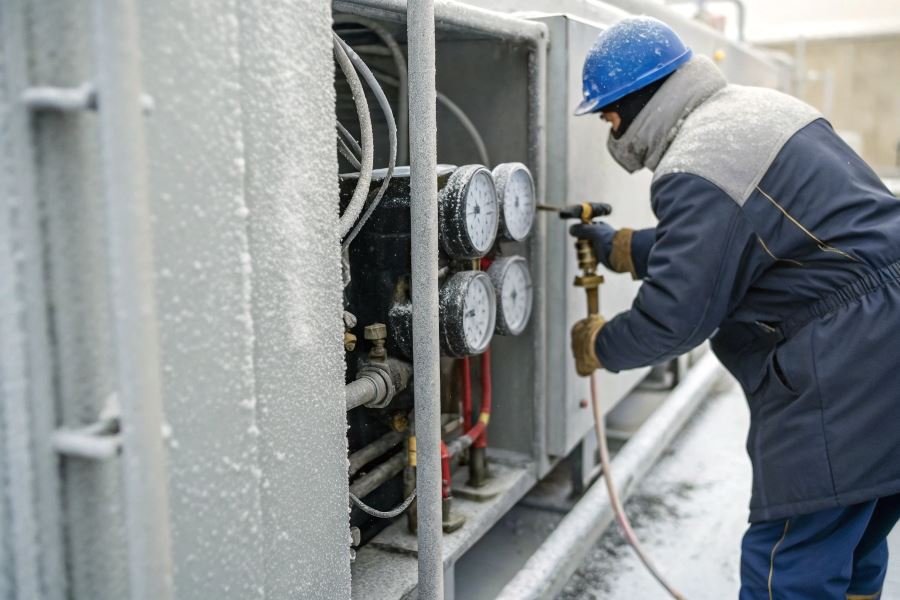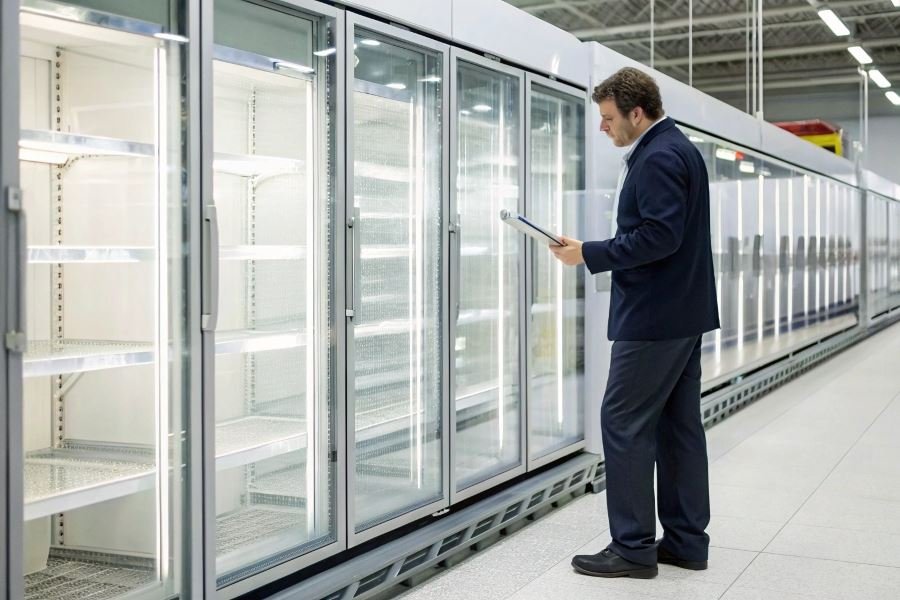
Ever walked into a store and noticed that unmistakable smell of freezer burn? Or perhaps you’ve winced at the sight of frost-covered products that look like they’ve survived an arctic expedition? Behind these customer turn-offs lies a simple truth: your freezing equipment isn’t just storing products—it’s preserving your reputation.
Freezing equipment serves as the silent guardian of your inventory, maintaining not only product quality but also your bottom line. When a $5,000 shipment of premium seafood spoils due to temperature fluctuations, the loss extends beyond the immediate inventory hit. The American Refrigeration Institute reports that businesses lose approximately 4% of frozen inventory annually due to inadequate freezing systems—a preventable expense that compounds over time.
The freezer you select impacts three critical aspects of your operation: product integrity, energy consumption, and customer perception. Modern commercial freezers can reduce energy usage by up to 35% compared to models from just a decade ago, translating to thousands in savings annually for mid-sized operations.
Your freezing arsenal typically falls into three categories:
- Display freezers: The customer-facing showcases that balance visibility with temperature control
- Walk-in freezers: The workhorses of bulk storage, offering maximum capacity for inventory management
- Under-counter units: Space-saving solutions that provide accessibility without sacrificing valuable floor space
The right freezing equipment doesn’t just preserve products—it preserves profits, enhances shopping experiences, and ultimately, solidifies customer loyalty. Choosing wisely means understanding not just what you need today, but anticipating your cooling requirements for years to come.
Essential Factors for Freezing Equipment Selection
When setting up a retail food operation, the freezing equipment you select becomes the backbone of your inventory preservation strategy. Smart retailers recognize that freezer selection impacts everything from product quality to the bottom line.
The process of how to choose freezing equipment for a store requires balancing multiple factors including spatial constraints, energy consumption, and temperature requirements. Making informed decisions at this stage prevents costly mistakes that could plague your operation for years to come.
Space Planning That Maximizes Sales Floor Value
Your store’s layout represents prime real estate where every square foot must generate return. Freezer footprint directly impacts your selling space, creating a critical balance between storage capacity and merchandise display area.
Consider these spatial factors:
- Clearance requirements: Most commercial freezers need 3-12 inches of ventilation space
- Traffic flow patterns: Freezer doors require adequate opening space without blocking aisles
- Weight distribution: Floor-loading capacity must support fully-stocked units
For smaller operations, vertical freezers maximize capacity while minimizing footprint. Chest freezers offer more storage per square foot but consume horizontal space that could otherwise showcase merchandise.
The most expensive square footage in your store is the space customers can’t access or see.
Energy Efficiency That Protects Profitability
Modern Hussmann and True Manufacturing freezers offer dramatically improved efficiency compared to units from even five years ago. This efficiency translates directly to operational savings.
| Freezer Type | Avg. Annual Energy Cost | Estimated Lifespan | 10-Year Operating Cost |
|---|---|---|---|
| Standard | $1,200 | 8-10 years | $12,000+ |
| Energy Star | $850 | 10-12 years | $8,500+ |
| High-Efficiency | $650 | 12-15 years | $6,500+ |
When evaluating freezers, look beyond the purchase price to calculate total cost of ownership. Energy Star certification provides a baseline efficiency standard, but comparing actual kilowatt-hour consumption reveals true operational costs.
Modern features that improve efficiency include:
- LED lighting systems that generate minimal heat
- Variable speed compressors that adjust to demand
- Advanced insulation materials and door seals
- Smart defrost cycles that activate only when needed
Temperature Precision For Product-Specific Needs
Different food products require specific temperature ranges for optimal preservation. Ice cream demands colder temperatures (-10°F to -20°F) than frozen vegetables (0°F to -5°F), while seafood benefits from flash-freezing capabilities.
Temperature consistency proves equally important as range. Quality freezers maintain temperatures within ±2°F even during recovery periods after door openings. Lesser units may fluctuate by 5°F or more, potentially compromising product quality.
Consider these temperature capabilities:
- Recovery time: How quickly the unit returns to set temperature after door openings
- Temperature zones: Multiple compartments with independent temperature controls
- Alarm systems: Notification when temperatures exceed safe thresholds
- Backup systems: Battery-powered temperature maintenance during power outages
Carrier Commercial Refrigeration offers systems with remote monitoring capabilities that alert managers to potential temperature breaches before product quality suffers.
The freezer equipment you select today will impact your operation’s efficiency, product quality, and profitability for years to come. Careful consideration of space requirements, energy efficiency, and temperature capabilities ensures you make an investment that supports your business growth rather than constrains it.
Freezer Showdown: The Ultimate Guide to Store Refrigeration
When profit margins depend on keeping products perfectly preserved, choosing the right freezing equipment becomes a mission-critical decision. Let’s dive into the three powerhouse options that dominate the commercial freezing landscape, each with distinct advantages for different retail environments.
Commercial chest freezers that maximize storage
Chest freezers remain the workhorses of retail cold storage, offering exceptional efficiency in a horizontal footprint. These units excel in environments where maximum product capacity trumps display visibility.
Energy efficiency champions: The physics is simple—cold air sinks. When you open a chest freezer, the dense cold air stays put rather than spilling out, resulting in up to 35% less energy consumption compared to upright models. For a medium-sized retail operation, this translates to approximately $300-500 in annual savings.
The basket organization system allows for surprisingly effective inventory management, though requires more thoughtful planning than vertical alternatives.
Chest freezers particularly shine in:
- Small specialty food shops with limited floor space
- Stores selling bulk frozen goods
- Backup storage for high-volume items
Their primary limitation? Customer access. Shoppers must physically lean over the unit to retrieve products, which can create traffic flow challenges during busy periods.
Upright glass-door freezers for visual merchandising
The retail psychology is undeniable—customers buy what they can see. Upright glass-door freezers from manufacturers like True Manufacturing transform frozen inventory into visual merchandising opportunities.
Display-forward design: These vertical units feature LED-illuminated interiors that showcase products at eye level, dramatically increasing impulse purchases. Studies show properly merchandised upright freezers can boost category sales by 15-20%.
Upright freezers excel in:
| Setting | Advantage | Consideration |
|---|---|---|
| Convenience stores | High visibility drives impulse buys | Higher energy costs |
| Premium food retailers | Elegant presentation of gourmet items | Requires more floor space |
| Beverage-focused shops | Perfect for displaying frozen drink options | More frequent defrosting needed |
The self-closing doors on modern models help mitigate energy loss, though they’ll never match the efficiency of their chest counterparts.
Walk-in freezers for serious inventory management
For operations moving serious volume, walk-in freezers represent the gold standard in commercial refrigeration. These customizable cold rooms transform storage limitations into competitive advantages.
Scale without compromise: Walk-in units from companies like Kolpak can be sized from modest 6’×6’ footprints to warehouse-scale installations, with ceiling heights typically ranging from 7’6″ to 9’6″. This scalability allows businesses to precisely match cold storage capacity to inventory requirements.
The installation considerations are substantial:
- Requires dedicated floor space and often structural modifications
- Needs professional installation with proper ventilation planning
- Demands comprehensive electrical assessment (typically 208-230V)
Despite the upfront investment ranging from $8,000 to $75,000+ depending on size and features, the ROI calculation often favors walk-ins for high-volume operations through reduced product loss and bulk purchasing power.
Walk-in freezers deliver exceptional value for:
- Grocery stores managing extensive frozen inventories
- Food service suppliers with frequent large deliveries
- Specialty retailers with seasonal inventory fluctuations
The decision ultimately hinges on your specific business model, available space, and customer interaction patterns. The ideal freezing solution balances preservation performance, energy efficiency, and the critical ability to showcase products in ways that drive sales.
Discover how to select the perfect commercial freezers for your store. Learn about space requirements, energy efficiency, and the best freezer types—chest, glass-door, or walk-in—to maximize product preservation and reduce operational costs.
Discover how to select the perfect commercial freezers for your store. Learn about space requirements, energy efficiency, and the best freezer types—chest, glass-door, or walk-in—to maximize product preservation and reduce operational costs.