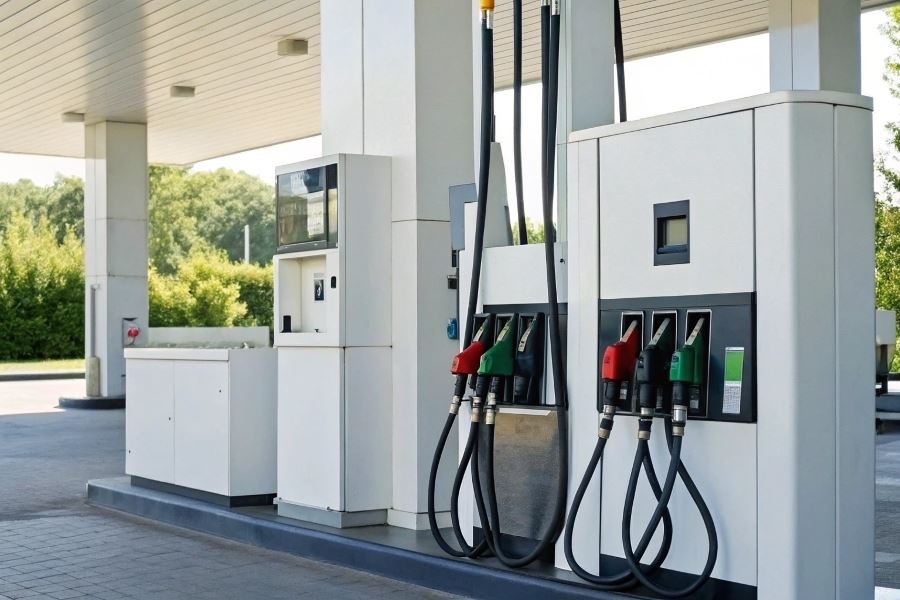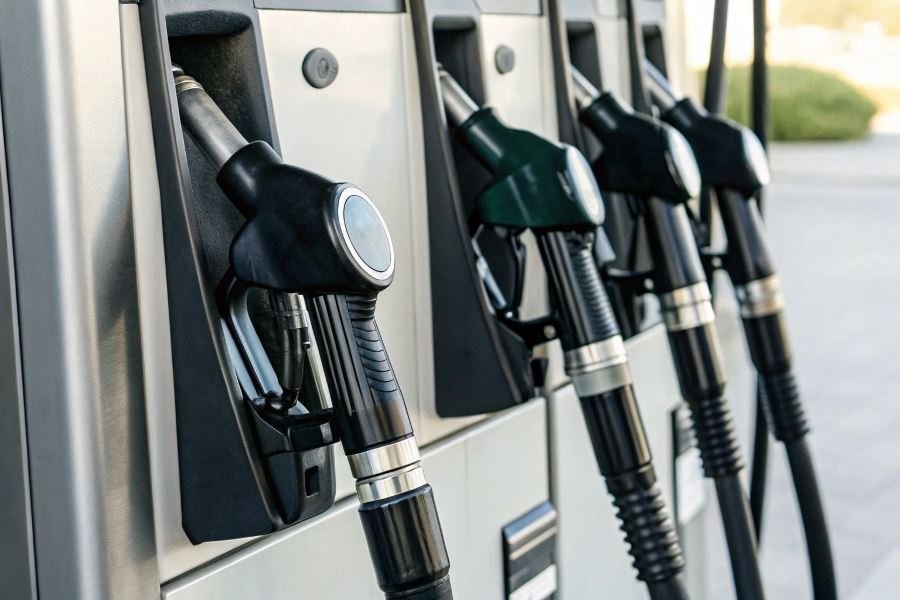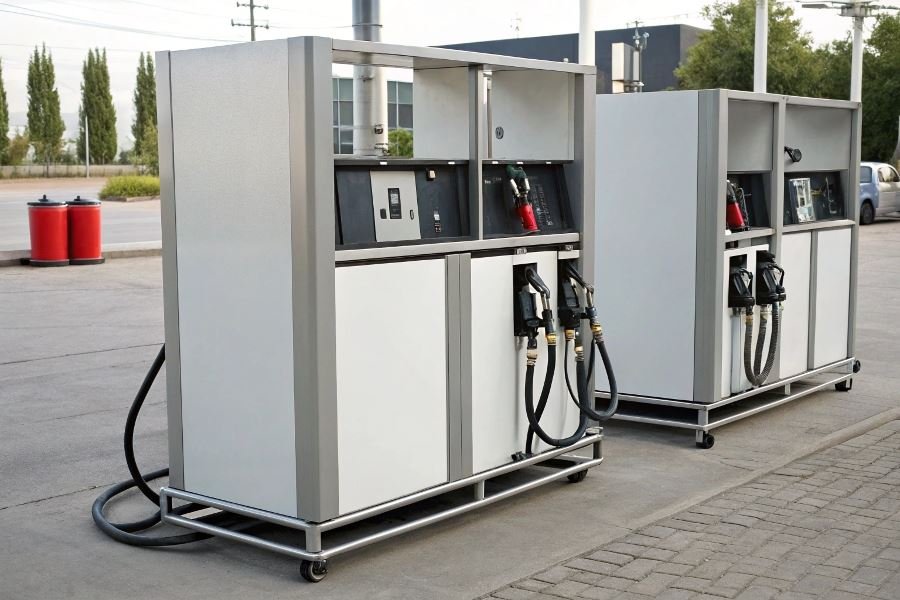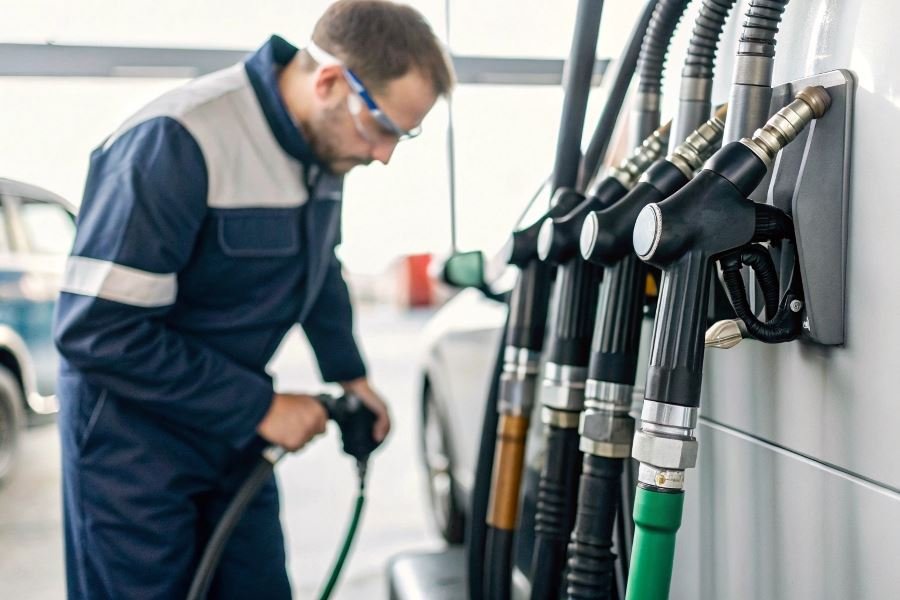
Ever watched a master mechanic at work? There’s a rhythm to their efficiency—tools within reach, systems optimized, and yes, fuel flowing precisely where needed. Behind every smoothly running auto service operation lies an often-overlooked hero: the fuel dispensing system.
The right fuel dispensing kit doesn’t just move liquid from point A to point B—it transforms your workflow, enhances safety, and directly impacts your bottom line. When selecting equipment that handles thousands of gallons of volatile substances yearly, the stakes couldn’t be higher.
Today’s market offers everything from basic manual pumps to sophisticated electronic systems with integrated inventory management. Fixed installations provide permanence and higher volume capacity, while portable units offer flexibility for shops with space constraints or multiple service areas. The spectrum extends to specialized systems for different fuel types—gasoline, diesel, biodiesel, and even emerging alternative fuels.
Your selection process should balance several critical factors:
- Volume requirements: Daily throughput determines pump capacity needs
- Fuel types: Different fuels require specific handling components
- Safety features: From automatic shutoffs to spill containment
- Regulatory compliance: EPA and local fire code requirements
The difference between the right and wrong system isn’t just operational—it’s financial. An undersized system creates bottlenecks; an oversized one represents wasted capital. Meanwhile, cutting corners on safety features risks catastrophic consequences.
“The most expensive fuel dispensing system is the one that fails when you need it most.”
As you evaluate options, remember that this infrastructure will serve your business for years. The wisest investment considers not just today’s needs, but tomorrow’s growth potential.
Essential Criteria for Selecting the Perfect Fuel Dispensing Kit
When running an auto service operation, the fuel dispensing equipment you choose directly impacts efficiency, safety, and customer satisfaction. The selection process requires careful consideration of several critical factors that align with your specific business needs. Let’s dive into what truly matters when evaluating fuel dispensing kits for your auto service facility.
Flow Rate and Capacity: Matching Your Service Volume
The cornerstone of any effective fuel dispensing system is its ability to handle your daily operational demands. How to choose a fuel dispensing kit for an auto service depends significantly on understanding your throughput requirements. A small garage servicing 10-15 vehicles daily has vastly different needs than a busy service center handling 100+ vehicles.
Flow rate specifications matter tremendously. Standard commercial dispensers typically deliver between 10-15 gallons per minute (GPM), while high-volume operations might require systems capable of 25-40 GPM. Consider your peak hours—can your system handle multiple simultaneous fueling operations without creating bottlenecks?
The capacity of your storage tanks must align with your dispensing capabilities. A mismatch creates inefficiencies that cost time and money.
| Service Volume | Recommended Flow Rate | Minimum Tank Capacity |
|---|---|---|
| Small (10-20 vehicles/day) | 10-15 GPM | 500-1,000 gallons |
| Medium (20-50 vehicles/day) | 15-25 GPM | 1,000-3,000 gallons |
| Large (50+ vehicles/day) | 25-40 GPM | 3,000+ gallons |
Fuel Type Compatibility: Versatility Matters
Modern auto service centers must accommodate diverse fuel requirements. The days of “just gasoline” are long behind us.
Multi-fuel compatibility has become essential as vehicle fleets diversify. Your dispensing system should handle:
- Conventional gasoline (87, 89, 93 octane)
- Diesel (including ultra-low sulfur diesel)
- Biofuel blends (E15, E85, biodiesel)
- Premium fuel options for high-performance vehicles
The internal components—pumps, hoses, seals, and filters—must be constructed from materials compatible with each fuel type. Ethanol-blended fuels, for instance, can degrade certain rubber compounds and plastics, while biodiesel may require specialized seals and gaskets from manufacturers like Parker Hannifin or OPW Fueling Components.
Investing in versatile equipment prevents costly retrofits as fuel standards evolve.
Safety Features and Regulatory Compliance
Nothing undermines an auto service business faster than safety incidents or compliance violations. Modern fuel dispensing kits must incorporate multiple layers of protection.
Essential safety features include:
- Automatic shut-off mechanisms
- Breakaway couplings that prevent spills during drive-offs
- Vapor recovery systems that capture harmful emissions
- Fire-resistant construction and emergency shut-down capabilities
- Leak detection and monitoring systems
Regulatory compliance isn’t optional—it’s mandatory. Your equipment must meet standards set by:
- Environmental Protection Agency (EPA) requirements
- National Fire Protection Association (NFPA) codes, particularly NFPA 30A
- Occupational Safety and Health Administration (OSHA) workplace safety standards
- State and local environmental regulations
The Underwriters Laboratories certification (UL-87 for fuel dispensers) provides assurance that equipment meets rigorous safety standards. Similarly, compliance with PEI/RP500 (Recommended Practices for Inspection and Maintenance of Motor Fuel Dispensing Equipment) helps ensure ongoing operational safety.
Remember that regulatory requirements evolve—equipment that meets today’s standards may need upgrades to remain compliant in the future. The best systems offer modular designs that facilitate updates without complete replacement.
Making the Final Call on Your Fuel Dispensing Kit
When you’re down to the wire on selecting a fuel dispensing system for your auto service, the details make all the difference. After narrowing down your options based on capacity and features, these final considerations will ensure you’re making an investment that pays dividends for years to come.
Beyond the Price Tag
The sticker price of a fuel dispensing kit is just the beginning of your financial relationship with this equipment. Smart operators look at the total cost of ownership (TCO) to make truly informed decisions.
A premium system from Gilbarco Veeder-Root might command $15,000-25,000 upfront, while economy options may start around $8,000. But initial savings often evaporate when maintenance enters the equation.
Consider this breakdown:
| Cost Factor | Economy System | Premium System |
|---|---|---|
| Initial Investment | $8,000 | $20,000 |
| Annual Maintenance | $2,200 | $1,100 |
| Average Lifespan | 7 years | 15+ years |
| 10-Year TCO | $30,000+ | $31,000 |
Premium systems typically feature:
- Higher-grade components that resist wear
- Better filtration systems that protect internal parts
- More efficient pumps that consume less electricity
The difference between a bargain and a burden often reveals itself in year three of ownership.
Space and Installation Realities
Your ideal fuel dispensing system must physically fit your facility—both dimensionally and logistically.
Footprint requirements vary dramatically between models. Standard dispensers need approximately 4×4 feet of floor space, while high-capacity commercial systems might require 6×6 feet or more. But the space considerations extend beyond the visible equipment.
Installation factors to evaluate include:
- Underground tank proximity and piping requirements
- Electrical capacity (most commercial dispensers require dedicated 220V circuits)
- Concrete pad specifications (thickness and reinforcement)
- Clearance for maintenance access (typically 3 feet on all sides)
- Canopy height and weather protection needs
Wayne Fueling Systems offers pre-installation planning services that can identify potential issues before breaking ground—potentially saving thousands in unexpected modifications.
Support Systems That Protect Your Investment
A fuel dispensing system is only as reliable as the support structure behind it. Before finalizing your selection, thoroughly investigate:
Warranty Coverage
The industry standard hovers around 12-24 months for parts, but leading manufacturers differentiate themselves with extended coverage options. Tokheim offers up to 5-year warranties on certain components when installed by certified technicians.
Look for warranties that specifically cover:
- Metering accuracy (the heart of your dispensing system)
- Electronic components (often the first to fail)
- Pump motors (the most expensive replacement part)
Service Availability
Even the finest equipment eventually requires attention. Evaluate:
- Local technician availability (response time under 24 hours is ideal)
- Parts warehousing locations (cross-country shipping can mean days of downtime)
- Emergency service options (weekend and holiday coverage)
Future-Proofing Possibilities
The fuel industry continues to evolve with alternative fuels, payment technologies, and regulatory requirements. Your investment should accommodate tomorrow’s needs.
The most adaptable systems offer:
- Modular design for component upgrades
- Software update capabilities
- Expansion capacity for additional fueling positions
- Compatibility with emerging payment systems
By weighing these final considerations carefully, you’ll select a fuel dispensing kit that delivers reliability, efficiency, and value throughout its operational life.
Discover how to select the perfect fuel dispensing kit for your auto service with our comprehensive guide. Learn about flow rates, fuel compatibility, safety standards, and cost considerations to make an informed investment decision.
Discover how to select the perfect fuel dispensing kit for your auto service with our comprehensive guide. Learn about flow rates, fuel compatibility, safety standards, and cost considerations to make an informed investment decision.