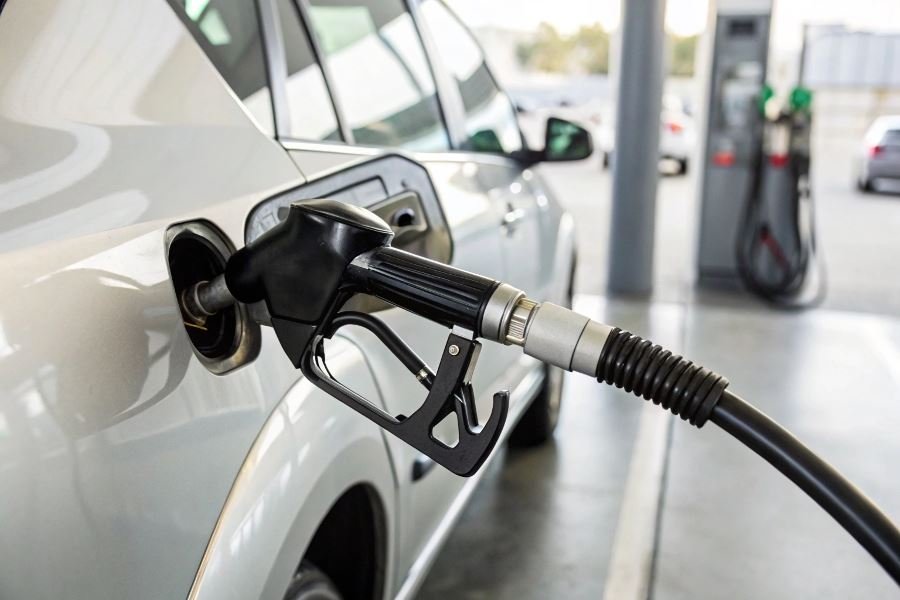
Ever wondered why gas pumps at different stations feel slightly different in your hand? That seemingly simple nozzle you grip while filling your tank represents decades of precision engineering and safety innovation.
Behind the scenes of America’s 145,000+ fueling stations lies a fascinating world of fuel delivery technology. The fuel nozzle—that metal apparatus you handle at every fill-up—serves as the critical final link between massive underground storage tanks and your vehicle’s fuel system. These specialized devices must perform flawlessly thousands of times daily while handling volatile substances under pressure.
The design of these nozzles varies significantly between premium and standard fuel grades, with high-performance vehicles often requiring specialized flow patterns. A properly engineered nozzle doesn’t just deliver fuel—it prevents spillage, controls vapor emissions, and incorporates multiple failsafe mechanisms. The difference between a quality nozzle and a substandard one can mean the difference between efficient fueling and environmental hazards.
Industry standards established by organizations like Underwriters Laboratories (UL) and the International Organization for Standardization (ISO) govern every aspect of nozzle manufacturing. These standards have evolved dramatically since the first self-service stations appeared in the 1970s, with modern nozzles incorporating sophisticated vapor recovery systems and automatic shut-off mechanisms that can detect when your tank is full within milliseconds.
The humble fuel nozzle—perhaps the most overlooked piece of engineering excellence you’ll touch today.
The Engineering Marvel Behind Premium Fuel Nozzles
Design philosophy across major brands
When you pull up to a premium gas station, that fuel nozzle in your hand represents decades of precision engineering. Shell, ExxonMobil, BP, and Chevron have each developed distinctive design approaches to their premium fuel delivery systems. Shell’s nozzles feature ergonomic grips with contoured finger positions that reduce hand fatigue during longer fills. ExxonMobil opts for a more streamlined profile with their Synergy™ dispensers, incorporating a 360° swivel mechanism that prevents hose twisting.
The features of fuel nozzles for gasoline of different brands reveal fascinating engineering priorities. BP’s nozzles incorporate their patented “clean-lock” technology that minimizes dripping after fueling completes, while Chevron’s Techron-branded dispensers use a slightly wider diameter spout designed to reduce splash-back during high-flow situations.
Material science meets durability
Material composition creates dramatic performance differences in how these nozzles perform over time. Premium brands typically construct their nozzles using:
| Brand | Primary Materials | Special Features | Expected Lifespan |
|---|---|---|---|
| Shell | Aluminum alloy with zinc coating | Corrosion-resistant vapor recovery sleeve | 7-9 years |
| ExxonMobil | Stainless steel/composite hybrid | Teflon-infused contact points | 8-10 years |
| BP | Nickel-plated brass | Anti-static discharge technology | 6-8 years |
| Chevron | Aircraft-grade aluminum | Reinforced spout connection | 7-8 years |
The material choices directly impact both user experience and maintenance costs. ExxonMobil’s investment in their stainless/composite construction adds approximately $35 to manufacturing costs but extends service intervals by nearly 30% compared to industry averages. Meanwhile, BP’s nickel-plated brass offers superior resistance to the corrosive effects of ethanol-blended fuels, particularly important in humid climates.
Flow dynamics and precision control
The engineering sophistication becomes most apparent in flow control mechanisms. Premium brands have developed remarkably different approaches to managing fuel delivery rates:
Shell’s “Smart-Flow” technology incorporates a dual-stage trigger mechanism that allows for precise control at both low and high flow rates. This system uses a variable-aperture valve that responds to pressure differences, delivering between 2-10 gallons per minute depending on trigger position.
ExxonMobil’s nozzles feature their proprietary “Pulse Control” system with micro-sensors that monitor flow rates 30 times per second, automatically adjusting internal valve positions to maintain consistent delivery regardless of tank back-pressure.
BP takes a different approach with their “Smooth-Stream” technology, using a series of internal baffles that reduce turbulence during high-flow situations. This design choice sacrifices some flow rate (maxing at 8 gallons per minute versus competitors’ 10) but significantly reduces vapor formation and improves fueling accuracy.
Chevron’s Techron dispensers employ a mechanical governor system with a weighted pendulum that responds to flow dynamics, creating a self-regulating system that requires fewer electronic components while still delivering precise control.
These engineering differences might seem minor, but they represent millions in R&D investment and directly impact both fueling efficiency and the longevity of your vehicle’s fuel system. The premium you pay at these stations partially funds this ongoing innovation in fuel delivery technology.
Tasavvur qiling: avtomobilingiz to’satdan ishlashdan to’xtadi. Muammo qayerda? Balki vakuum tizimidadir? Zamonaviy diagnostika uskunalari orasida vakuum testerlari – bu muammolarni aniqlashning eng samarali vositalaridan biridir.
Vakuum testerlari – bu dvigatel va uning tizimlari ishlashini tekshirish uchun mo’ljallangan maxsus qurilmalar. Ular dvigatel silindrlarida, so’rish kollektorida va boshqa tizimlarda vakuum darajasini o’lchaydi. Bu oddiy tushuncha ortida murakkab texnologiya yashiringan – vakuum testerlari bosim farqlarini aniqlab, dvigatel ishlashidagi nosozliklarni ko’rsatadi.
Zamonaviy vakuum testerlarining turlari
Bugungi kunda bozorda uchta asosiy turdagi vakuum testerlari mavjud:
- Analog vakuum testerlari – an’anaviy strelkali manometrlar, ular arzon va ishlatish uchun oddiy, ammo kamroq aniqlikka ega.
- Raqamli vakuum testerlari – aniq raqamli ko’rsatkichlarni taqdim etadi, ko’pincha ma’lumotlarni saqlash imkoniyatiga ega.
- Kombinatsiyalangan diagnostika tizimlari – vakuum testerlari bilan birga boshqa diagnostika funksiyalarini o’z ichiga oladi.
Asosiy komponentlar va texnik xususiyatlar
Zamonaviy vakuum testerining asosiy qismlari:
- Sezgir sensor – bosim o’zgarishlarini aniqlaydigan yurak
- O’lchov shkalasi yoki displey – natijalarni ko’rsatish uchun
- Ulanish shlangalari – turli tizimlarni tekshirish uchun
- Adaptorlar to’plami – har xil dvigatel turlari bilan ishlash uchun
Texnik xususiyatlari bo’yicha, yuqori sifatli vakuum testerlari 0-30 inHg (dyuym simob ustuni) oralig’ida o’lchash imkoniyatiga ega bo’lib, 0.1 inHg aniqlik bilan ishlaydi. Eng zamonaviy modellar Bluetooth orqali smartfonlarga ulanib, real vaqtda ma’lumotlarni tahlil qilish imkonini beradi.
Discover how premium gasoline brand fuel nozzles differ in design, materials, and flow control technology. Our comprehensive comparison helps you understand efficiency, safety features, and durability factors when selecting the right fuel dispensing equipment.
Discover how premium gasoline brand fuel nozzles differ in design, materials, and flow control technology. Our comprehensive comparison helps you understand efficiency, safety features, and durability factors when selecting the right fuel dispensing equipment.