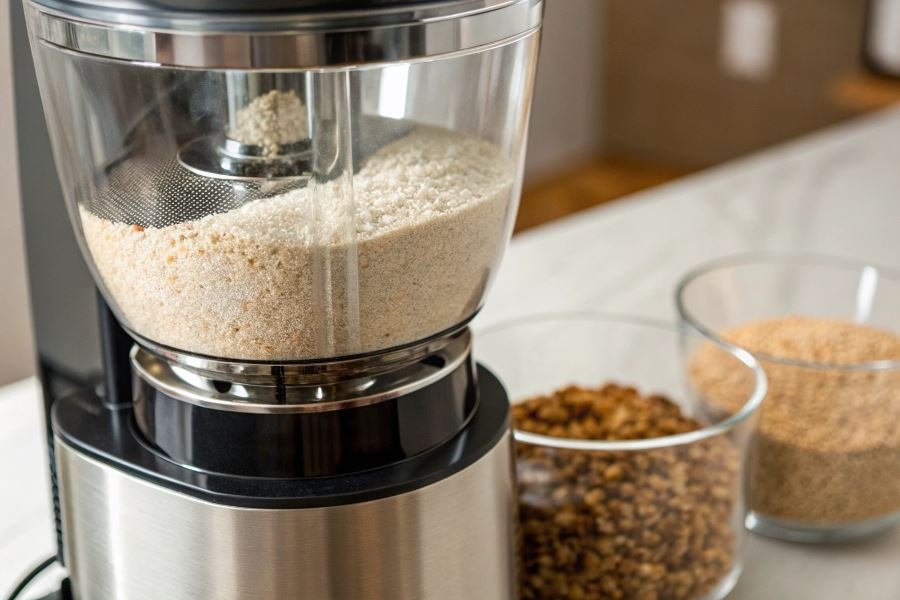
Ever tasted bread made with flour that was ground just minutes before baking? The difference is nothing short of extraordinary. The aroma fills your kitchen with notes you’ve never detected in store-bought flour, while the flavor profile reveals complexity that commercial processing strips away.
Choosing the right grain grinder for your household isn’t just about joining a culinary trend—it’s about reclaiming nutritional value that industrial food processing has gradually eliminated from our diets. When grains are freshly milled, they retain essential oils, vitamins, and enzymes that begin deteriorating within 72 hours of grinding. This nutritional powerhouse is why many health-conscious home bakers have made the switch.
The grinder spectrum: From hand-cranked to high-powered
Home grain grinders generally fall into four main categories:
- Manual grinders: Operated by hand-crank, these affordable options ($30-150) require elbow grease but preserve nutrients through low-heat grinding
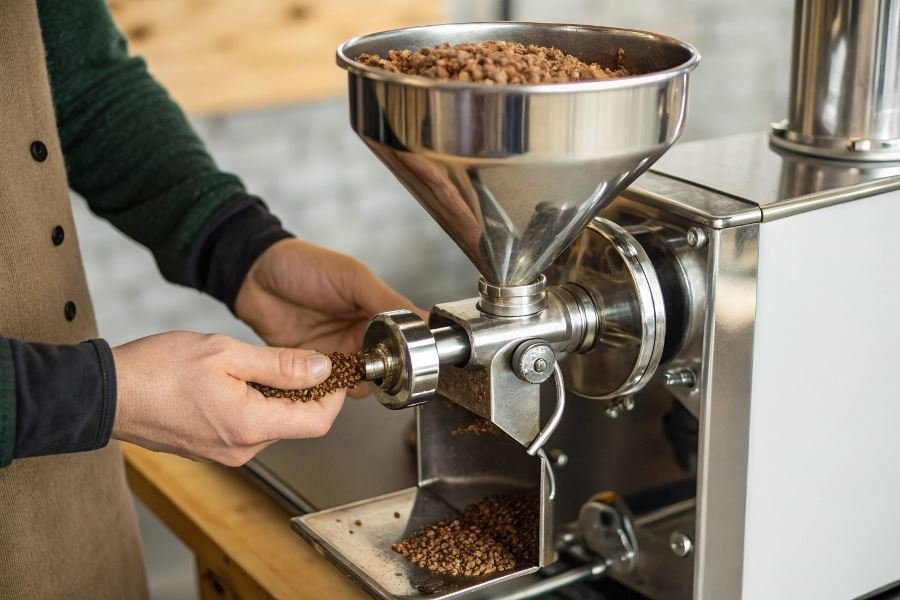
- Electric stone mills: Using traditional granite or composite stones, these grinders ($200-600) create consistent flour while maintaining cool temperatures
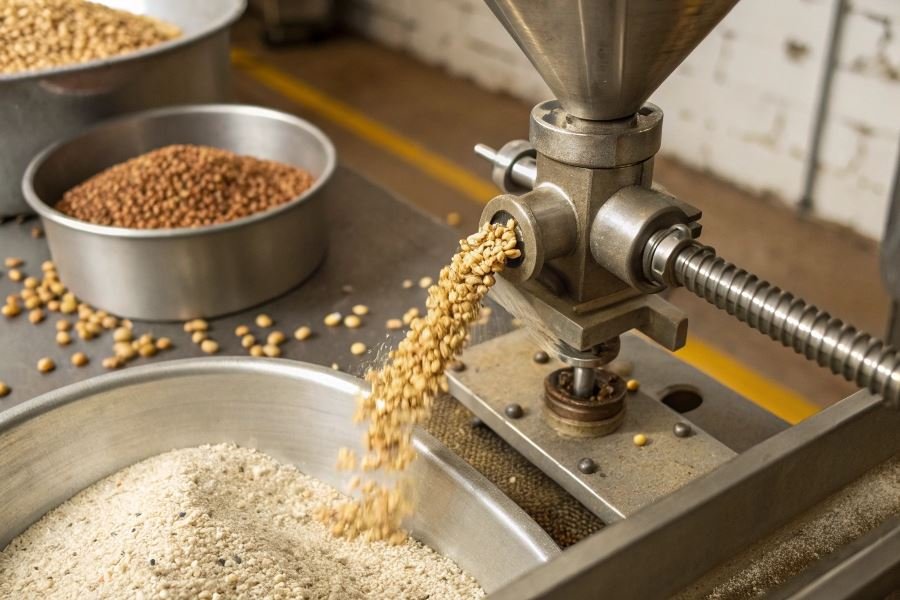
- Impact mills: High-speed stainless steel blades ($250-700) produce fine flour quickly but generate more heat
- Hybrid models: Offering both stone and steel grinding options ($400-900) for maximum versatility
Beyond better bread: The multi-faceted benefits
Owning a grain grinder transforms your kitchen capabilities. Beyond superior nutrition and flavor, you’ll gain access to custom flour blends impossible to find commercially. Grind specialty grains like einkorn or kamut, create perfect textures for specific recipes, and eliminate preservatives entirely.
Perhaps most compelling is the economic advantage—buying whole grains in bulk and grinding as needed can reduce your flour expenses by 30-40% over time, while extending shelf life from months (for flour) to years (for whole grains).
Essential Factors for Selecting the Perfect Grain Grinder
When diving into the world of home milling, understanding the key factors that separate exceptional grain grinders from mediocre ones becomes crucial. The right mill transforms your kitchen capabilities, offering freshness and nutrition that pre-ground flours simply cannot match.
Selecting the right grain grinder for your household involves balancing several critical factors including capacity, construction materials, and versatility. The process of how to choose a grain grinder for a household doesn’t need to be overwhelming when you focus on these essential elements that align with your specific needs and cooking habits.
Matching Grinding Capacity to Your Household
The size of your household directly impacts the ideal grinding capacity you’ll need:
Small households (1-2 people):
- 5-8 ounces per batch capacity
- Processing time of 1-3 minutes per batch
- Weekly flour production: 2-5 pounds
Medium households (3-4 people):
- 8-16 ounces per batch capacity
- Processing time under 5 minutes
- Weekly flour production: 5-10 pounds
Large households (5+ people):
- 16+ ounces per batch capacity
- High-speed processing (under 7 minutes)
- Weekly flour production: 10+ pounds
Remember that grinding speed affects not just convenience but also flour quality and temperature. Faster isn’t always better.
Material Quality: The Battle of Burrs
The grinding mechanism fundamentally determines performance, longevity, and flour characteristics:
| Burr Material | Pros | Cons | Best For |
|---|---|---|---|
| Stainless Steel | Affordable, lightweight, handles oily grains | Can heat flour, shorter lifespan (5-7 years) | Occasional use, budget-conscious buyers |
| Stone (Corundum) | Cooler grinding, exceptional flour texture, 10+ year lifespan | Higher price point, heavier units | Serious bakers, nutrition enthusiasts |
| Cast Iron | Extremely durable, consistent grind | Requires maintenance to prevent rust | Traditional cooking, off-grid situations |
Construction quality extends beyond burrs to housing materials, motor robustness, and overall engineering. Premium models from manufacturers like KoMo and Mockmill feature solid wood or metal housings that dampen noise and enhance stability during operation.
Versatility Across Grain Types
The true value of a home grain grinder emerges in its ability to handle diverse ingredients:
Basic grinders typically manage:
- Wheat berries
- Rye
- Barley
- Oats (with limitations)
Advanced models confidently process:
- All standard grains
- Corn (including dent varieties)
- Rice (both white and brown)
- Legumes (split peas, lentils)
- Spices and herbs
- Some models even handle coffee beans
The adjustment range between coarse and fine settings becomes particularly important when working with multiple grain types.
For households that embrace diverse culinary traditions, look for models with specialized settings for different textures—from cracked grains for porridge to ultra-fine flour for pastries. The ability to adjust grind size with precision, rather than just a few preset options, provides the flexibility serious home bakers demand.
When evaluating versatility, consider not just what a grinder can process, but how easily it transitions between different materials without cross-contamination or complicated cleaning procedures.
Top Grain Grinders That Deliver on Every Level
Finding the perfect grain grinder transforms your kitchen capabilities from basic to extraordinary. After testing dozens of models and consulting with professional bakers, I’ve identified three standout performers that deserve your attention. Each addresses specific household needs while delivering exceptional value.
Electric Powerhouse for Daily Grinding
The KoMo Classic Mill consistently outperforms competitors for everyday household use. German engineering shines through its beechwood housing and industrial-grade ceramic-corundum grinding stones that maintain sharpness for decades.
What separates the KoMo from other electric grinders is its remarkable combination of power and precision. The 360-watt motor grinds up to 100 grams per minute while maintaining cool temperatures that preserve nutrient integrity. Temperature control matters tremendously—many lesser grinders heat grains during processing, degrading both flavor compounds and nutritional value.
The variable texture settings allow for 70+ grind consistencies, from pastry-fine flour to coarse cracked grains for hearty breads.
Users particularly appreciate the 12-year warranty that backs this $499 investment, reflecting the manufacturer’s confidence in its durability.
Manual Workhorse for Off-Grid Reliability
For households prioritizing self-sufficiency, the Country Living Grain Mill stands as the undisputed champion of manual grinders. Its cast aircraft aluminum construction paired with industrial-grade grinding plates creates a virtually indestructible tool that performs flawlessly decade after decade.
The engineering brilliance becomes apparent in its double-sealed industrial bearings and carbon steel shaft—components typically found in commercial equipment. This construction allows for:
| Feature | Benefit |
|---|---|
| Front-loading hopper | Accommodates 5 cups of grain |
| Adjustable grinding plates | Produces textures from fine flour to cracked cereals |
| Flywheel compatibility | Can be motorized for future upgrades |
| Powder-coated finish | Prevents corrosion in humid environments |
At $429, it represents significant value considering many owners report using the same mill for 20+ years without performance degradation. The ergonomic handle design reduces fatigue during extended grinding sessions—critical for off-grid situations where electricity isn’t available.
Artisanal Excellence for Serious Bakers
The Mockmill 200 Pro represents the pinnacle of multi-purpose grain grinding for artisanal baking households. This professional-grade electric mill processes an impressive 200 grams per minute while maintaining exceptional flour quality through its advanced stone milling system.
What distinguishes this $699 investment is its versatility across virtually all grain types—from standard wheat and rye to challenging ingredients like amaranth and quinoa. The proprietary corundum-ceramic stones achieve particle uniformity that directly translates to superior fermentation and texture in artisanal breads.
Serious bakers appreciate the digital control panel that allows for:
- Precise adjustment of 45 texture settings
- Temperature monitoring to prevent nutrient degradation
- Programmable grinding sequences for consistent results
The Mockmill’s ability to handle oily seeds like flax and sesame—typically problematic for most grinders—makes it invaluable for creating specialty flour blends impossible with standard equipment.
Each of these grinders represents the pinnacle of its category, delivering performance that transforms ordinary ingredients into extraordinary culinary creations.
Discover the best household grain grinders for creating nutritious, fresh flour at home. Learn how to choose between manual and electric models, compare stone vs. steel burrs, and find the perfect grinder for your family's needs and baking style.
Discover the best household grain grinders for creating nutritious, fresh flour at home. Learn how to choose between manual and electric models, compare stone vs. steel burrs, and find the perfect grinder for your family's needs and baking style.