Did you know the average auto repair shop generates nearly 5 gallons of contaminated wastewater for every single vehicle serviced? That’s millions of gallons annually flowing directly into our water systems, carrying oils, heavy metals, and solvents that persist for decades.
Traditional automotive cleaning methods have quietly become environmental villains. For generations, mechanics and maintenance facilities relied on harsh petroleum-based solvents and high-pressure washing systems that effectively removed grime but created toxic runoff. These conventional cleaning approaches don’t just harm aquatic ecosystems—they pose significant health risks to workers through respiratory exposure and skin contact.
The regulatory landscape has shifted dramatically. Since the Clean Water Act amendments of 1987, automotive facilities face increasingly stringent wastewater disposal requirements. Many shop owners don’t realize they could face fines up to $50,000 per day for improper disposal practices.
“The transition to eco-friendly parts washing isn’t just environmentally responsible—it’s becoming economically essential.”
The triple benefit of going green
Adopting eco-friendly washing solutions delivers three immediate advantages:
- Reduced disposal costs: Water-based and bioremediation systems can cut hazardous waste disposal expenses by up to 80%
- Enhanced worker safety: Elimination of volatile organic compounds means better air quality and fewer health risks
- Regulatory compliance: Future-proofing operations against increasingly strict environmental regulations
The most forward-thinking maintenance facilities are discovering that biodegradable detergents and closed-loop water recycling systems not only match the cleaning power of traditional methods—they often surpass them while dramatically reducing environmental impact.
The Green Revolution in Automotive Maintenance
The automotive industry is witnessing a remarkable shift toward sustainability, with innovative approaches transforming even the most traditional maintenance practices. Professional mechanics and DIY enthusiasts alike are discovering that eco-friendly solutions for washing automotive parts not only reduce environmental impact but often deliver superior cleaning results and cost savings over time.
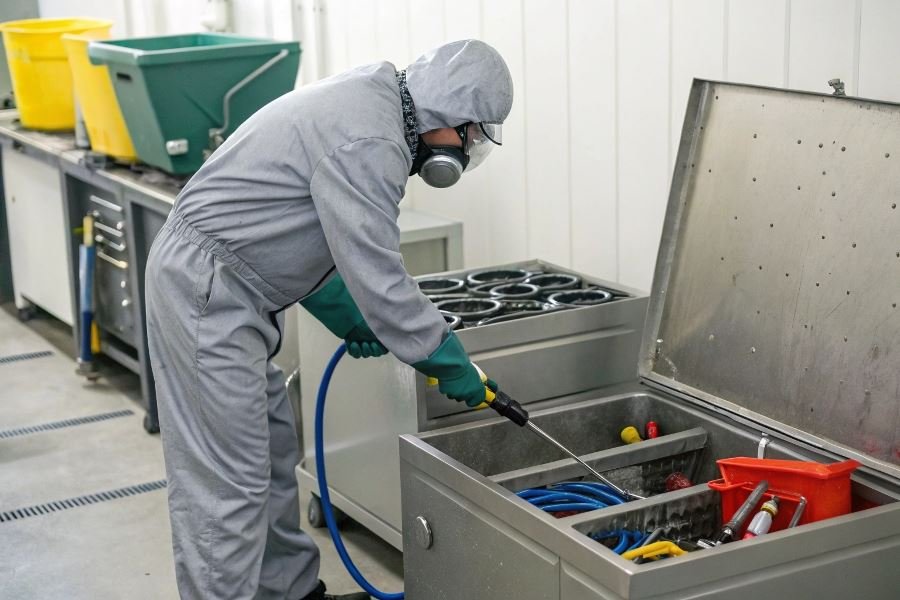
Water-based cleaning systems have evolved dramatically in recent years, moving far beyond the harsh solvents of yesteryear. Modern biodegradable detergents combined with advanced water-based systems offer exceptional cleaning power without the toxic aftermath. These systems typically operate at lower temperatures (120-140°F) compared to traditional solvent systems, reducing energy consumption by up to 35%. Companies like Safety-Kleen have pioneered aqueous parts washers that utilize specialized enzymes that literally digest oil and grease, breaking them down into harmless byproducts.
The real magic happens in the formulation details. Premium biodegradable detergents achieve a pH balance between 8.5-10.5, powerful enough to cut through stubborn grime while remaining gentle on both equipment and technicians’ hands. Many feature plant-derived surfactants that create micelles—tiny molecular structures that surround and lift away contaminants from metal surfaces.
Ultrasonic Precision Cleaning
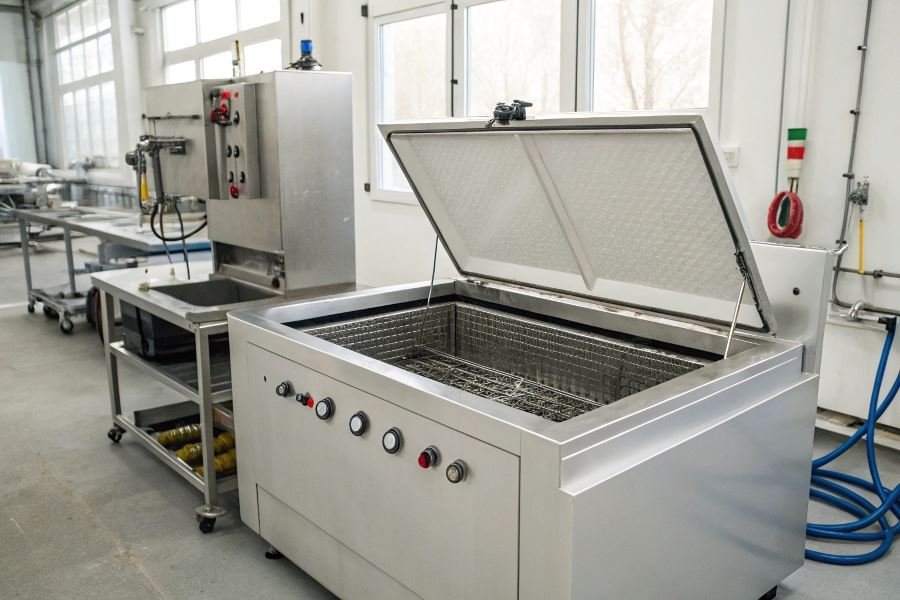
When dealing with intricate components like fuel injectors, carburetors, or electronic control modules, ultrasonic cleaning technology represents the pinnacle of eco-friendly precision. These systems generate microscopic bubbles in a cleaning solution that implode with tremendous force—a process called cavitation—dislodging contaminants from even the most inaccessible crevices.
| Feature | Environmental Benefit | Performance Advantage |
|---|---|---|
| Low-VOC solutions | 95% fewer emissions | Reaches microscopic areas |
| Reduced water usage | 70% less than spray systems | Consistent cleaning results |
| Lower operating temperature | 40% energy reduction | Preserves sensitive components |
The Ultrasonic Power Corporation has developed systems specifically for automotive applications that operate at frequencies between 25-45 kHz—the sweet spot for removing carbon deposits without damaging delicate parts. These systems can process batches of components simultaneously, dramatically improving workshop efficiency while eliminating hazardous waste.
Steam Cleaning: Power and Purity Combined
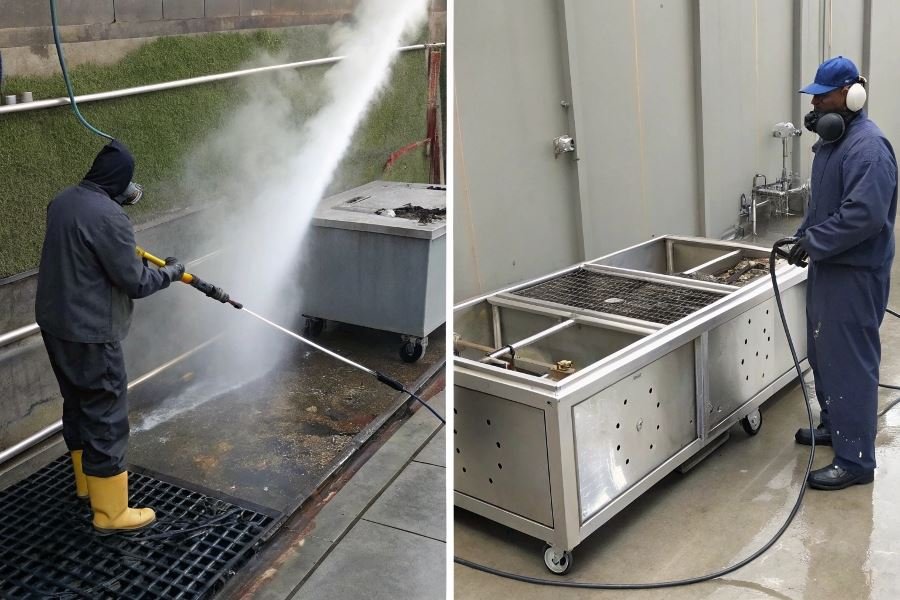
Perhaps the most impressive advancement comes in the form of modern steam cleaning systems. Operating at temperatures between 285-330°F with pressure ratings of 65-75 PSI, these systems harness the natural power of superheated water vapor to dissolve grease, kill bacteria, and sanitize surfaces—all without a single drop of chemical cleaner.
The efficiency metrics are staggering. A professional-grade steam cleaner from Dupray can thoroughly degrease an entire transmission case using less than a gallon of water, compared to the 15-20 gallons typically consumed in traditional pressure washing. The absence of detergents eliminates wastewater treatment concerns, while the high temperature ensures components dry almost instantly, preventing flash rust.
What makes steam particularly revolutionary is its versatility. The same system that cleans delicate aluminum parts can be adjusted to sanitize interior components, making it an all-in-one solution for comprehensive vehicle maintenance. The minimal moisture content means electrical components can be safely cleaned without disconnection in many cases—a significant time-saver in professional settings.
These three approaches represent the vanguard of sustainable automotive maintenance, proving that environmental responsibility and superior performance can indeed go hand in hand.
Transforming Your Shop with Eco-Friendly Parts Washing
The real economics of green washing systems
Let’s cut to the chase: eco-friendly parts washing systems aren’t just good for the planet—they’re increasingly making financial sense. The initial investment for a water-based parts washer typically ranges from $2,000 to $15,000, while more advanced bioremediation systems can reach $30,000. However, these upfront costs tell only part of the story.
When analyzing the complete cost structure, eco-friendly systems deliver compelling returns. Traditional solvent-based cleaners require ongoing purchases of fresh chemicals, hazardous waste disposal fees (averaging $350-500 per drum), and regulatory compliance costs. By contrast, water-based and bioremediation systems can reduce these operational expenses by up to 80%.
A medium-sized auto repair facility switching to bioremediation typically recoups its investment within 18-24 months. The Safety-Kleen aqueous system, for example, has demonstrated annual savings of $4,200-6,500 for shops processing 30+ parts daily.
“The most expensive parts washer is the one that costs you twice—once to purchase and again in regulatory fines.”
Seamless integration into existing operations
Implementing eco-friendly washing solutions doesn’t require rebuilding your maintenance infrastructure from scratch. Modern systems are designed with flexibility in mind, allowing for phased integration that minimizes disruption.
The key integration strategies that successful facilities employ include:
- Parallel implementation – Running eco-friendly systems alongside existing equipment during transition periods
- Process mapping – Identifying specific cleaning requirements for different components
- Staff training – Ensuring proper usage techniques that maximize efficiency
Cuda Cleaning Systems offers modular solutions that can be configured to match existing workflow patterns, while ChemFree provides SmartWasher units that occupy the same footprint as traditional solvent sinks.
For maximum operational efficiency, consider these integration approaches:
| Integration Approach | Best For | Implementation Timeline |
|---|---|---|
| Complete Replacement | New facilities or major renovations | 2-4 weeks |
| Phased Transition | Established operations | 2-6 months |
| Hybrid System | Specialized cleaning needs | 1-3 months |
Measuring green impact and ensuring compliance
The environmental benefits of eco-friendly parts washing extend beyond feel-good sustainability. They translate into measurable metrics that impact both compliance and bottom-line performance.
Tracking key environmental performance indicators provides concrete evidence of improvement:
- VOC emissions reduction – Typically 95-100% compared to solvent systems
- Water conservation – Closed-loop systems can reduce water usage by up to 90%
- Waste reduction – Bioremediation can extend fluid life indefinitely, reducing disposal volume
- Energy efficiency – Modern systems use 30-50% less electricity than older equipment
EcoClean Solutions provides monitoring software that integrates with their equipment to generate compliance reports automatically. These reports are invaluable during regulatory inspections and increasingly required for environmental certifications.
The compliance landscape continues to tighten, with the EPA’s National Emission Standards for Hazardous Air Pollutants (NESHAP) regulations imposing stricter limits on automotive maintenance facilities. Eco-friendly washing systems provide a proactive compliance strategy rather than a reactive one.
By implementing comprehensive measurement protocols, facilities can document their environmental improvements, streamline regulatory reporting, and potentially qualify for sustainability incentives or certifications that enhance market positioning.
Discover the top 3 eco-friendly automotive parts washing solutions that reduce environmental impact while meeting regulatory standards. Learn how water-based systems, ultrasonic technology, and steam cleaning can transform your maintenance operations.
Discover the top 3 eco-friendly automotive parts washing solutions that reduce environmental impact while meeting regulatory standards. Learn how water-based systems, ultrasonic technology, and steam cleaning can transform your maintenance operations.