Ever wondered why fighters instinctively protect their groin area even before thinking about their face? There’s a reason this protection has evolved from primitive leather straps to today’s high-tech composite shields—and it’s not just about comfort.
The history of groin protection tells a fascinating story of human innovation. Ancient Greek athletes competed nude but used leather kynodesme straps as early as the 7th century BCE. By medieval times, metal codpieces served both protective and fashion purposes for knights and nobles. The modern athletic cup we recognize today emerged in the late 19th century, revolutionizing sports safety.
Selecting the right groin armor isn’t just about comfort—it’s about performance and safety. Today’s protection extends far beyond combat sports to include military applications, extreme sports, and industrial safety. Even recreational activities like mountain biking and hockey demand specialized protection tailored to movement patterns and impact types.
“The difference between proper and improper groin protection can mean the difference between continuing your activity and a trip to the emergency room.” – Sports Medicine Journal
Understanding your anatomy is crucial for effective protection. The male groin contains vulnerable nerve clusters, blood vessels, and reproductive organs—all packed into a relatively small area with minimal natural protection. Women require different configurations that account for their distinct anatomical structure.
Modern armor designs now consider not just impact resistance but also flexibility, weight distribution, and heat dissipation—factors that directly affect your performance and comfort during extended wear.
Selecting the Right Groin Armor for Your Activity
When protection matters most, the details make all the difference. Groin protection isn’t just about having something in place—it’s about having the right design for your specific needs. The market offers specialized options that balance protection with performance, ensuring you’re covered without compromise.
Different activities demand different approaches to groin armor: features of selection for different types of activities vary dramatically based on impact types, movement requirements, and integration with other equipment. What works perfectly for a mixed martial artist might prove disastrous for a hockey goalie or tactical operator. Let’s break down these critical differences.
Combat Sports Protection Requirements
In martial arts and combat sports, groin protection faces a unique challenge: it must withstand direct, targeted strikes while allowing full mobility for complex movements.
MMA and Boxing: These disciplines require cups that can handle powerful direct impacts while maintaining a low profile. The Diamond MMA Athletic Cup has revolutionized this space with its anatomical design that distributes impact forces away from sensitive areas.
Traditional Martial Arts: For disciplines like karate and taekwondo, where high kicks are common, wider coverage cups with secure strapping systems prevent shifting during rapid movements.
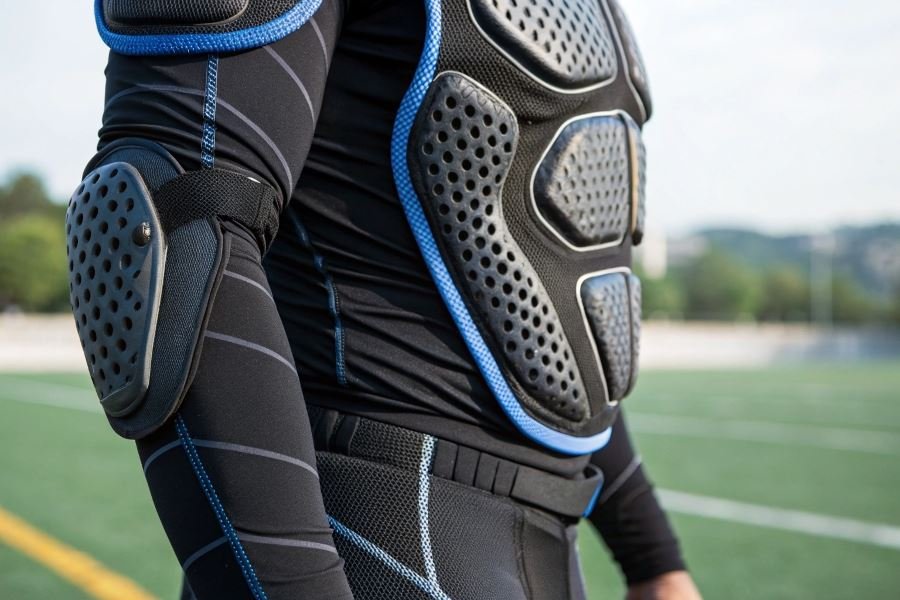
Key features include polycarbonate construction, anatomical contouring, and moisture-wicking compression shorts for stability.
Tactical and Military Applications
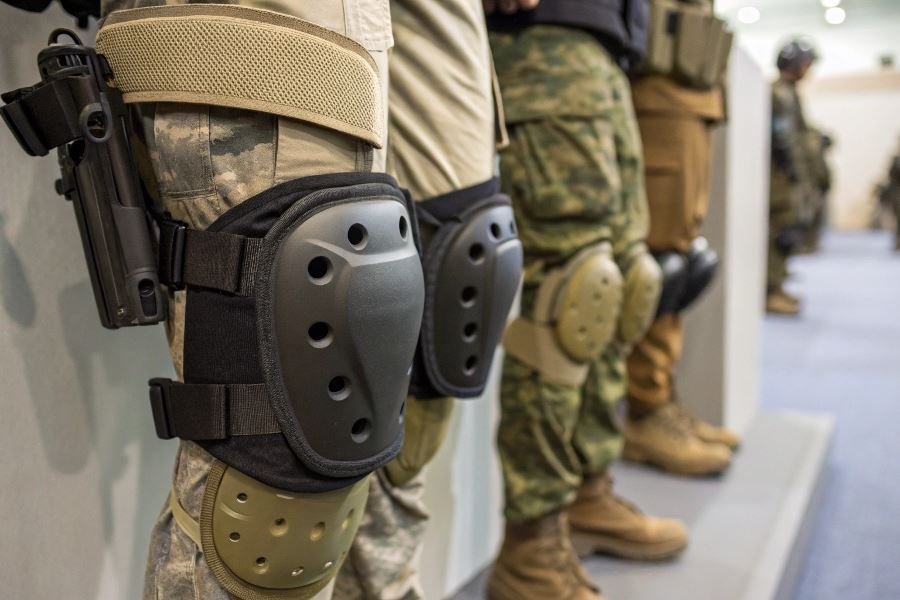
Military and law enforcement personnel face extended wear requirements and need integration with existing gear systems.
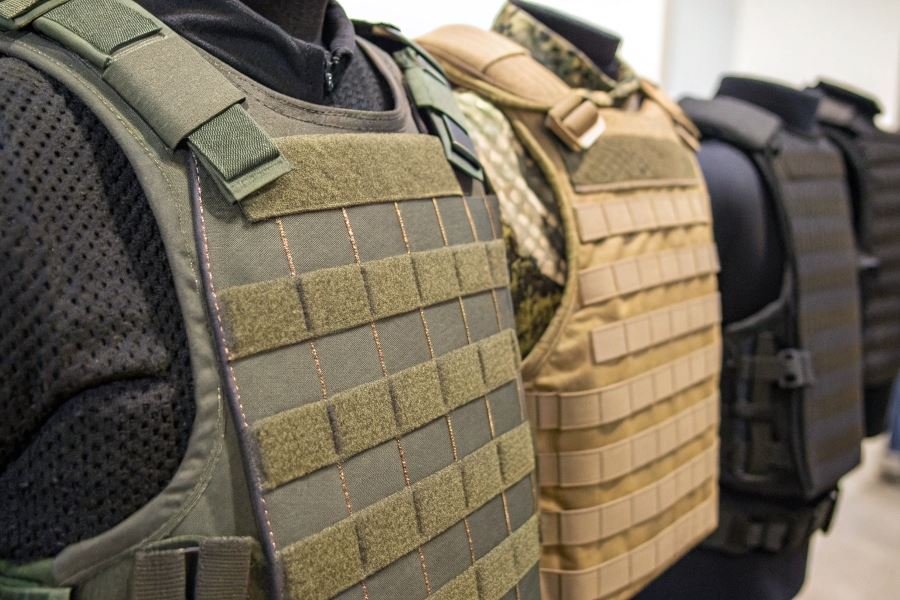
Ballistic Protection: Some tactical groin protectors incorporate ballistic materials to stop fragments and some projectiles. These typically connect to plate carriers or belt systems.
Modular Design: The best tactical options feature:
| Feature | Benefit |
|---|---|
| MOLLE compatibility | Integrates with existing gear |
| Quick-release systems | Rapid doffing in emergencies |
| Antimicrobial treatments | Hygiene during extended operations |
| Flame-resistant materials | Protection in extreme environments |
The TYR Tactical PICO exemplifies this approach with its scalable protection levels and ergonomic design that works seamlessly with duty belts and plate carriers.
Sport-Specific Protection Variations
Different sports present unique challenges requiring specialized designs:
Hockey Goalies: Face high-velocity pucks from close range, necessitating maximum protection. Modern goalie cups feature multi-layered foam systems with rigid outer shells and extended coverage areas.
Baseball Catchers: Need protection against wild pitches and foul tips while maintaining the ability to crouch for extended periods. The Nutty Buddy revolutionized this space with its anatomically correct design that redirects impact forces.
Football Players: Require integrated systems that work with uniform pants and other pads. Position-specific variations exist, with linemen needing broader coverage than skill positions.
The evolution of materials science has dramatically improved all these options, with carbon fiber composites and advanced polymers replacing the bulky, uncomfortable designs of previous decades. Today’s protection options deliver security without sacrificing the performance edge athletes and professionals demand.
Top 3 Considerations for Selecting Groin Armor That Actually Works
When it comes to protecting one of your most vulnerable areas, details matter. The difference between adequate and exceptional groin protection isn’t just about comfort—it’s about confidence in high-stakes situations. Let’s dive into what separates premium groin armor from the rest.
Material science meets impact physics
The evolution of protective materials has transformed modern groin protection from bulky discomfort to engineered precision. Today’s top-tier options feature multi-layered construction that distributes force across the entire protective surface.
High-density polyethylene (HDPE) has emerged as the gold standard, offering superior impact resistance while maintaining flexibility. When combined with viscoelastic polymers that absorb and dissipate energy, these systems can reduce felt impact by up to 90% compared to single-layer designs.
The most advanced groin protectors don’t just block impacts—they actively convert kinetic energy into harmless heat through molecular friction.
For combat sports practitioners, look for products featuring Kevlar reinforcement at critical points. Military and law enforcement professionals should prioritize systems with ballistic ratings appropriate for their threat level, typically NIJ Level II at minimum.
Movement compatibility and anatomical design
The finest groin armor disappears from consciousness during use while remaining precisely where it belongs.
Anatomical contouring has replaced the “one-size-fits-most” approach of previous generations. Premium options now feature:
- Pre-curved designs that match natural body positioning
- Articulated sections that flex with movement
- Micro-adjustable retention systems
Compression integration represents the cutting edge, with protective cups designed to work with compression garments that maintain position through dynamic movement patterns.
| Activity Type | Optimal Fit Characteristics | Movement Considerations |
|---|---|---|
| Combat Sports | Snug with minimal shifting | Explosive lateral movement |
| Tactical/Military | Secure with equipment compatibility | Extended wear comfort |
| Industrial | Low-profile with tool belt clearance | Repetitive bending/lifting |
The difference becomes apparent during extended wear. Economy options might feel acceptable initially but create pressure points and chafing after hours of use. Premium protection maintains comfort through 12+ hour operational periods.
Long-term value proposition
Quality groin protection represents an investment in both safety and performance longevity.
Material degradation resistance separates professional-grade equipment from consumer alternatives. While entry-level options might show compression fatigue after 6-12 months of regular use, premium systems from manufacturers like Nutshellz maintain protective properties for 3+ years under identical conditions.
Maintenance requirements also factor into total ownership cost. Look for:
- Antimicrobial treatments that prevent odor development
- Machine-washable components that simplify hygiene
- Modular designs allowing replacement of worn elements
The most sophisticated options feature impact memory technology that alerts users to replacement needs after sustaining significant strikes—similar to how modern helmets indicate when their protective capacity has been compromised.
When evaluating cost-effectiveness, consider that premium groin protection typically starts around $75-150 but offers 3-4× the service life of budget alternatives priced at $30-50. The performance differential becomes particularly apparent in high-intensity applications where failure isn’t an option.
Discover how to select the ideal groin armor for your specific activity, from combat sports to tactical applications. Learn about essential features, materials, and fit considerations that ensure optimal protection without compromising mobility or comfort.
Discover how to select the ideal groin armor for your specific activity, from combat sports to tactical applications. Learn about essential features, materials, and fit considerations that ensure optimal protection without compromising mobility or comfort.