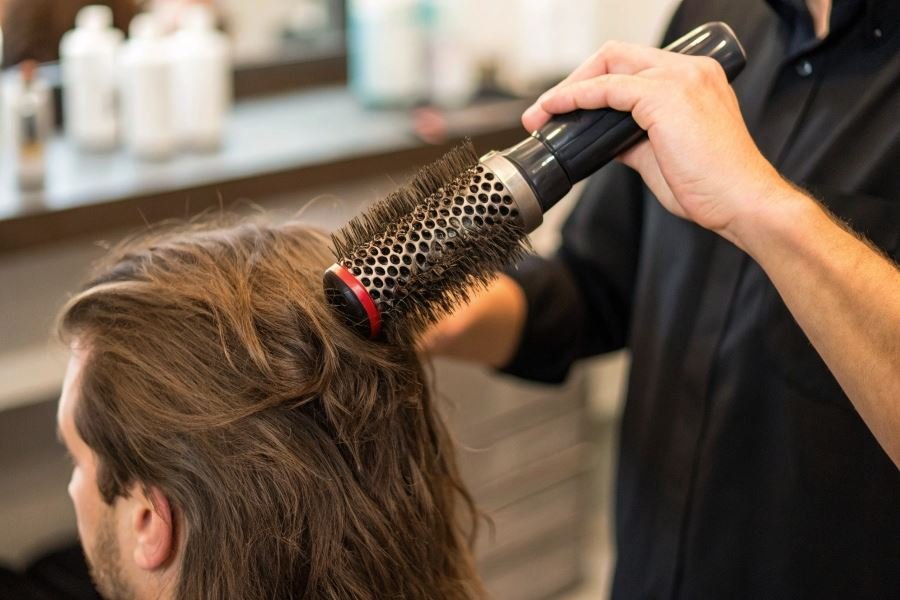
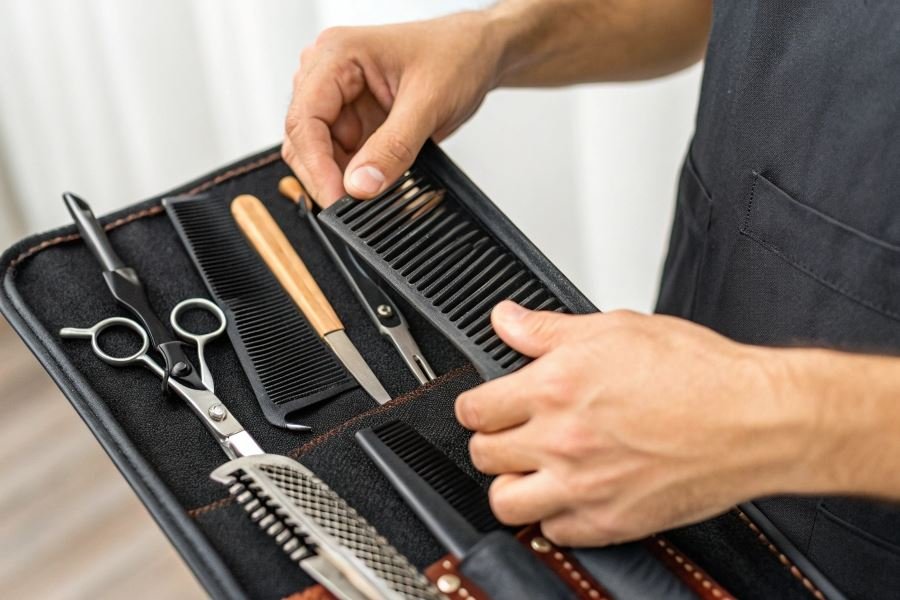
Ever watched a master chef select their knife with reverence before creating culinary magic? That’s precisely how professional stylists approach brush selection. The right brush isn’t just a tool—it’s the foundation of transformative hair artistry.
Behind every head-turning blowout and flawless finish lies a critical decision made before styling even begins. Professional stylists understand that brushes aren’t interchangeable accessories but specialized instruments designed for specific hair textures, conditions, and desired outcomes.
“Selecting the appropriate brush for a client’s hair type is perhaps the most overlooked yet crucial decision in the styling process,” explains award-winning stylist Marcus Chen. “It’s the difference between creating temporary style and maintaining long-term hair health.”
The science behind brush selection goes deeper than aesthetics. When a boar bristle brush glides through fine hair, it distributes natural oils while adding volume—something a metal vented brush simply cannot replicate. For coarse, curly textures, a wide-tooth detangling brush prevents breakage that might occur with dense bristle configurations.
The relationship between brush and hair is intimate. Each bristle type, handle design, and barrel diameter serves a distinct purpose in the styling ecosystem. Professionals recognize these nuances instantly, making split-second decisions that protect cuticles, enhance shine, and create lasting results that clients can’t achieve at home.
“The brush is where professional results begin. Everything else—products, techniques, tools—builds upon this foundation.”
The Brush Blueprint: Construction and Materials That Transform Your Styling Game
When professional stylists create those enviable salon looks, they’re not just wielding any brush—they’re selecting precision tools designed for specific hair types. The construction and materials of a brush dramatically influence its performance on different hair textures. Understanding these nuances helps both professionals and enthusiasts make informed choices when selecting styling tools.
Learning how to choose a brush for different hair types in a salon requires understanding the relationship between brush construction and hair characteristics. The right match can mean the difference between damaged strands and a flawless finish. Let’s explore the fascinating world of brush materials and how they interact with various hair types.
Natural Bristle Brushes: The Luxury Experience
Natural bristle brushes, typically crafted from boar hair, represent the gold standard for many hair professionals. These bristles contain microscopic scales that:
- Distribute natural oils from roots to ends
- Enhance shine without additional products
- Create tension for smoother blowouts
Natural bristles work exceptionally well on fine to medium hair types, providing gentle yet effective styling. For those with longer hair, these brushes minimize breakage while detangling.
Natural bristle brushes are particularly valuable for clients with dry hair, as they help remedy moisture imbalance through oil redistribution.
The density of bristles matters significantly—higher bristle counts offer more control for detailed styling work on finer hair textures.
Synthetic Bristle Options: Modern Solutions
Synthetic bristles, made from nylon or plastic derivatives, offer distinct advantages for specific hair textures:
- Heat resistance during high-temperature styling
- Consistent performance regardless of humidity
- Stronger detangling power for coarse or curly hair
These brushes excel with thicker, coarser hair types that might overwhelm natural bristles. Their durability makes them ideal for clients who require more robust styling tools.
Mixed Bristle Brushes: The Versatile Performers
Mixed bristle brushes combine the best of both worlds:
| Feature | Benefit | Ideal Hair Type |
|---|---|---|
| Natural bristle core | Oil distribution | Normal to dry |
| Synthetic outer bristles | Detangling power | Thick or textured |
| Varied bristle lengths | Multi-level styling | Layered haircuts |
These hybrid brushes offer remarkable versatility across different hair types, making them excellent all-purpose tools for busy salon environments. They provide the smoothing benefits of natural bristles while maintaining the strength and heat resistance of synthetics.
Brush Base Materials: The Foundation Matters
The material forming the base of the brush significantly impacts its performance:
Ceramic bases conduct heat evenly, reducing styling time for thick hair types. They’re particularly effective during blowouts, helping to seal the cuticle for a smoother finish.
Wooden bases provide natural antistatic properties, making them ideal for clients prone to flyaways. Woods like bamboo offer sustainability alongside performance.
Metal bases retain heat longer, which can be advantageous for resistant hair textures but requires careful monitoring to prevent heat damage.
The ventilation pattern in the brush base also matters—wider spacing allows for faster drying, while tighter patterns provide more control during precision styling.
By matching brush construction and materials to specific hair types, stylists can achieve superior results while maintaining hair health. The perfect brush becomes not just a styling tool, but a transformative instrument in creating customized, client-specific results.
The Ultimate Brush Guide for Every Hair Type
Finding the perfect brush for each client’s unique hair texture transforms ordinary styling into extraordinary results. Let’s dive into the specialized world of professional hairbrushes with recommendations that deliver exceptional performance across different hair types.
Game-Changing Brushes for Fine Hair
Fine hair demands gentle yet effective tools that add volume without causing breakage. These top performers deliver remarkable results:
-
Mason Pearson Pure Bristle Brush – The legendary handcrafted design with natural boar bristles distributes scalp oils perfectly while adding incredible volume to fine strands.
-
Olivia Garden NanoThermic Ceramic + Ion Round Brush – The ceramic barrel heats evenly during blowouts, while the ion technology reduces frizz—creating unmatched body in thin hair.
-
Wet Brush Pro Epic Professional Deluxe Detangler – IntelliFlex bristles glide through wet, fragile hair with minimal tension, preventing breakage while maintaining elasticity.
Fine hair requires brushes that stimulate the scalp and create volume without causing stress on delicate strands.
Power Tools for Thick and Coarse Hair
Thick, coarse hair needs brushes with substantial grip and control capabilities:
-
Denman D3 Classic Styling Brush – The seven-row design with nylon pins provides exceptional control and detangling power for dense hair while reducing styling time dramatically.
-
YS Park G-Series Curl Shine Styler Round Brush – Carbon + tourmaline barrel with reinforced bristles tames even the most resistant thick hair, creating smooth, glossy finishes.
-
Ibiza Hair B Series Round Brush – Cork-handled with extended boar bristles that penetrate deep into thick hair layers, providing superior grip and control during blowouts.
Thick hair requires brushes with substantial grip and control capabilities that can manage volume while creating smooth, polished results.
Curl-Enhancing Brushes for Textured Hair
Curly and textured hair thrives with specialized tools that define patterns without disrupting natural curl formation:
-
Felicia Leatherwood Detangler Brush – Flexible bristle rows move independently, working through textured hair with minimal breakage while preserving curl patterns.
-
Tangle Teezer The Ultimate Detangler – Two-tier technology with longer teeth to detangle and shorter teeth to smooth the cuticle, perfect for defining curl patterns without causing frizz.
-
Pattern Beauty Shower Brush – Wide-tooth design with ergonomic handle allows for gentle detangling of wet, curly hair while encouraging natural curl formation.
Professional Brush Maintenance Protocol
Maintaining salon brushes extends their lifespan and ensures hygienic client service:
| Maintenance Task | Frequency | Technique |
|---|---|---|
| Deep Cleaning | Weekly | Remove hair, soak in warm water with clarifying shampoo, rinse thoroughly, air dry bristle-side down |
| Sanitizing | Between clients | Spray with 70% alcohol solution, allow to air dry completely |
| Bristle Inspection | Monthly | Check for bent/broken bristles, replace when 15% or more are damaged |
| Handle Conditioning | Quarterly | Apply wood oil to wooden handles to prevent drying/cracking |
Pro tip: Store brushes bristle-side up in UV sanitizing cabinets between uses to maintain optimal hygiene standards and extend brush lifespan.
By matching the right professional brush to each client’s specific hair texture, stylists can dramatically improve styling efficiency while delivering superior results that keep clients coming back. The investment in quality brushes pays dividends through enhanced styling capabilities and client satisfaction.
Discover the professional's guide to selecting the perfect brush for every hair type. Learn how bristle materials and construction affect styling results, with expert recommendations for fine, thick, and curly hair to achieve salon-quality results at home.
Discover the professional's guide to selecting the perfect brush for every hair type. Learn how bristle materials and construction affect styling results, with expert recommendations for fine, thick, and curly hair to achieve salon-quality results at home.