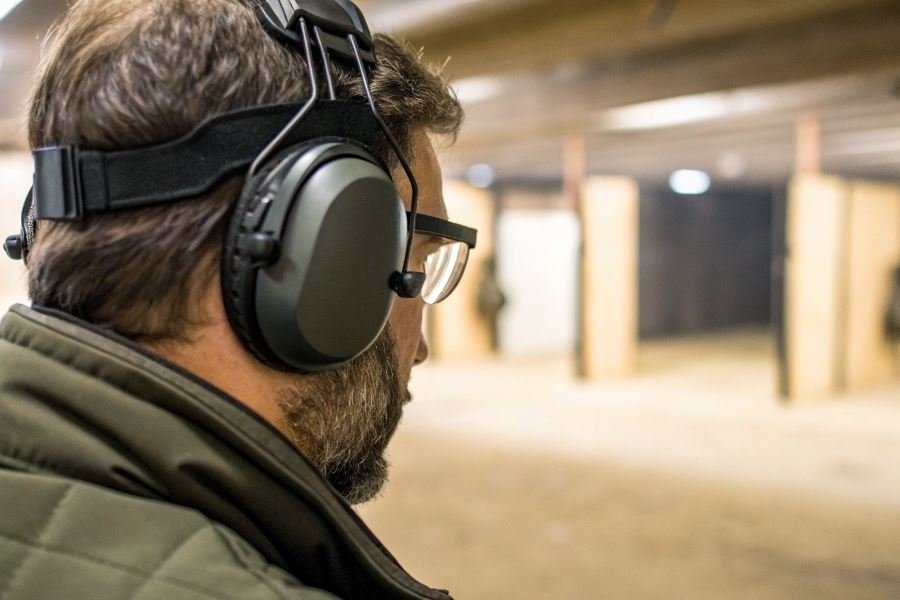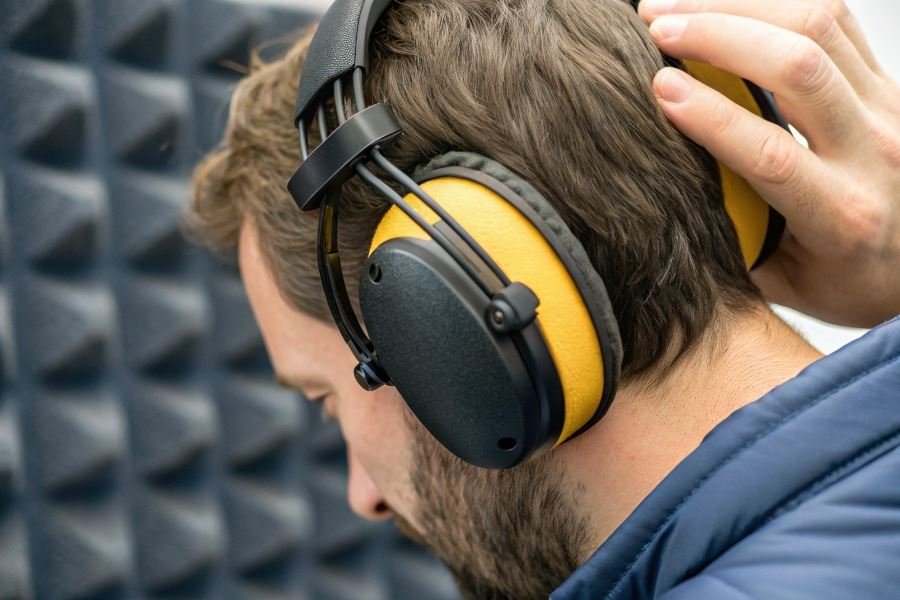
Ever wondered why some ear protection feels like a fortress for your ears while others barely muffle a whisper? The difference isn’t just price—it’s quality. And that quality could be the difference between preserving your hearing for decades or facing the silent world of hearing loss.
Hearing damage is permanent. Once those delicate inner ear structures are damaged, they don’t regenerate. This stark reality makes selecting proper ear protection not just important but essential. Whether you’re operating heavy machinery, enjoying concerts, or working in noisy environments, understanding how to evaluate ear protection quality before purchase is a skill worth mastering.
The hearing conservation imperative
The National Institute for Occupational Safety and Health reports that approximately 22 million Americans are exposed to hazardous noise levels at work annually. Quality ear protection isn’t just about comfort—it’s about preserving one of your most valuable senses.
High-quality ear protection works by creating an effective seal against harmful sound waves. The best options reduce noise while maintaining speech intelligibility, allowing you to communicate without removing protection.
Types of ear protection: Know your options
The market offers several distinct categories:
| Type | Best For | NRR Range |
|---|---|---|
| Foam Earplugs | Disposable use, sleeping | 22-33 dB |
| Reusable Earplugs | Regular use, musicians | 20-27 dB |
| Earmuffs | Construction, shooting | 23-33 dB |
| Electronic Protection | Hunting, situational awareness | 22-30 dB |
Quality indicators that matter
The effectiveness of ear protection boils down to three critical factors:
-
Noise Reduction Rating (NRR) – This standardized measurement indicates how many decibels a properly worn device reduces noise by. Higher is generally better, but context matters.
-
Proper fit and comfort – Even the highest-rated protection fails if it’s too uncomfortable to wear consistently. Quality options balance protection with wearability.
-
Material durability – Premium ear protection uses materials that maintain their protective properties over time, rather than degrading after minimal use.
Technical Specifications That Make or Break Ear Protection
When evaluating hearing protection devices, the technical specifications tell a story that your ears will thank you for understanding. The difference between adequate and exceptional ear protection often lies in the details that many buyers overlook.
Determining the quality of ear protection before buying requires a methodical approach to evaluating specifications, materials, and fit characteristics. This isn’t just about blocking noise—it’s about preserving one of your most valuable senses while maintaining comfort during extended wear periods.
Decoding Noise Reduction Ratings
The Noise Reduction Rating (NRR) is the North Star of ear protection metrics. Measured in decibels (dB), this EPA-standardized rating indicates how much noise a hearing protector reduces when worn correctly.
Higher isn’t always better—it’s about matching the protection to your environment:
- NRR 22-25 dB: Suitable for moderate noise environments (lawn mowing, woodworking)
- NRR 26-29 dB: Appropriate for louder industrial settings
- NRR 30+ dB: Necessary for extreme noise environments (shooting ranges, airports)
Remember that laboratory NRR ratings typically overestimate real-world performance. Many safety professionals apply a 50% derating factor to account for this discrepancy.
Pro tip: For every 3 dB increase in NRR, the sound energy reaching your ear is effectively halved—making even small NRR differences significant.
Sound attenuation across frequencies matters tremendously. Quality ear protection provides balanced attenuation across low, mid, and high frequencies—not just the overall NRR number.
Material Quality That Stands the Test of Time
The materials used in ear protection directly impact both performance and longevity. Premium earmuffs feature:
- Cup construction: High-density ABS plastic resists impacts and temperature extremes
- Cushioning: Memory foam with moisture-wicking fabric prevents sweat buildup
- Headbands: Steel with overmolded polymers provides flexibility without breaking
For earplugs, material considerations become even more critical:
| Material Type | Durability | Comfort | Best For |
|---|---|---|---|
| Silicone | 6-12 months with proper care | High | Frequent, extended use |
| Polyurethane foam | Single to limited use | Moderate to high | Occasional use |
| Thermoplastic | 3-6 months | Moderate | Regular use in varied environments |
The degradation of materials directly affects noise reduction capabilities. Quality ear protection maintains its NRR performance even after extended use periods, while inferior products show rapid decline in effectiveness.
Comfort Features That Ensure Consistent Protection
The most effective ear protection is the one you’ll actually wear. Comfort features aren’t luxury add-ons—they’re essential components that ensure consistent usage and proper fit.
Key comfort indicators in quality ear protection include:
- Weight distribution that prevents pressure points
- Adjustability mechanisms that accommodate different head sizes
- Ventilation systems that reduce heat buildup
- Compatibility with other PPE like safety glasses or hard hats
For earmuffs, look for independent cup rotation that allows for custom positioning against your head. Quality models from manufacturers like 3M and Howard Leight feature this critical design element.
Proper fit remains the single most important factor in achieving the rated protection levels. When evaluating ear protection, check for:
- Clear sizing guidelines from the manufacturer
- Multiple adjustment points
- Visible seal indicators for earmuffs
- Proper insertion depth markers for earplugs
The intersection of technical specifications, material quality, and comfort features creates ear protection that doesn’t just meet standards on paper—it delivers real-world protection that preserves hearing without creating new problems through discomfort or poor durability.
Making the Smart Choice: Ear Protection Quality Verification
When it comes to protecting your hearing, the final decision deserves careful consideration. After exploring various aspects of ear protection, let’s focus on how to make that informed purchase decision with confidence.
Gold standard certifications that matter
The difference between adequate and exceptional ear protection often comes down to certification. These aren’t just logos—they represent rigorous testing and quality assurance:
-
ANSI/ASA S3.19-1974 – The American National Standards Institute certification remains the benchmark for measuring noise reduction ratings (NRR). Products meeting this standard have undergone laboratory testing to verify their decibel reduction claims.
-
CE EN 352 – This European standard covers various aspects of hearing protectors, including minimum attenuation requirements. The EN 352-1 applies to earmuffs, while EN 352-2 covers earplugs. Products with this certification have passed tests for comfort, durability, and effectiveness.
-
NIOSH Approval – The National Institute for Occupational Safety and Health certification is particularly important for workplace ear protection. Their science-based testing often provides more conservative (and realistic) noise reduction ratings than manufacturer claims.
Always check for these certifications on packaging or product descriptions—they’re non-negotiable quality indicators.
Decoding the price-quality relationship
Price doesn’t always correlate directly with quality, but understanding the relationship helps make smarter purchases:
| Price Range | What to Expect | Best For |
|---|---|---|
| $5-15 | Basic foam earplugs, simple earmuffs | Occasional use, backup protection |
| $20-50 | Electronic earplugs, mid-range earmuffs | Regular recreational use, light industrial work |
| $50-150 | Custom-molded earplugs, premium electronic muffs | Professional use, specialized environments |
| $150+ | Advanced electronic systems with communication features | High-risk environments, professional shooting |
The sweet spot typically falls in the $30-80 range for most users, where you’ll find substantial quality improvements without diminishing returns. Remember that replacement parts availability should factor into your value assessment—a slightly more expensive product with replaceable components may prove more economical long-term.
Pre-purchase verification checklist
Before finalizing your purchase, run through this comprehensive quality verification checklist:
-
Verified NRR rating – Confirm the Noise Reduction Rating matches your environment needs (minimum 22dB for most industrial settings)
-
Material quality assessment – For earmuffs, check cushion thickness and material; for earplugs, examine density and texture
-
Comfort features – Verify adjustability, weight, and pressure distribution
-
User reviews focused on durability – Look specifically for comments about long-term use
-
Manufacturer warranty terms – Quality products typically offer at least 1-year coverage
-
Hypoallergenic materials (if relevant to your needs)
-
Compatibility with other PPE you might wear (glasses, helmets, etc.)
Pro tip: When possible, try before buying. Even brief testing can reveal comfort issues that might make otherwise excellent protection impractical for extended wear.
By focusing on certification standards, understanding the price-quality relationship, and performing a final verification check, you’ll make an informed decision that protects both your hearing and your wallet. Quality ear protection is an investment in your long-term health—approach it with the diligence it deserves.
Discover how to evaluate ear protection quality before purchase with our comprehensive guide. Learn about NRR ratings, material durability, comfort features, and certification standards to protect your hearing effectively and make a confident investment.
Discover how to evaluate ear protection quality before purchase with our comprehensive guide. Learn about NRR ratings, material durability, comfort features, and certification standards to protect your hearing effectively and make a confident investment.