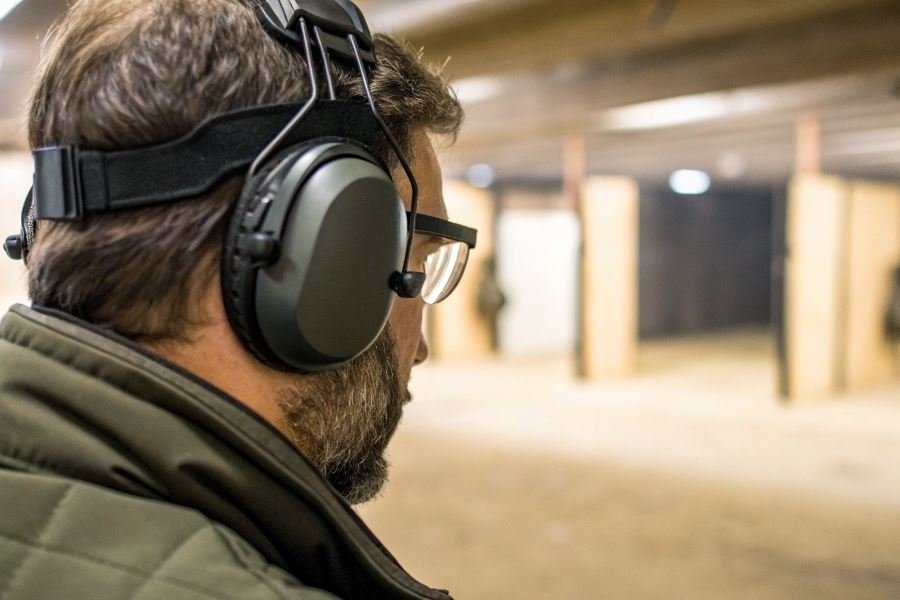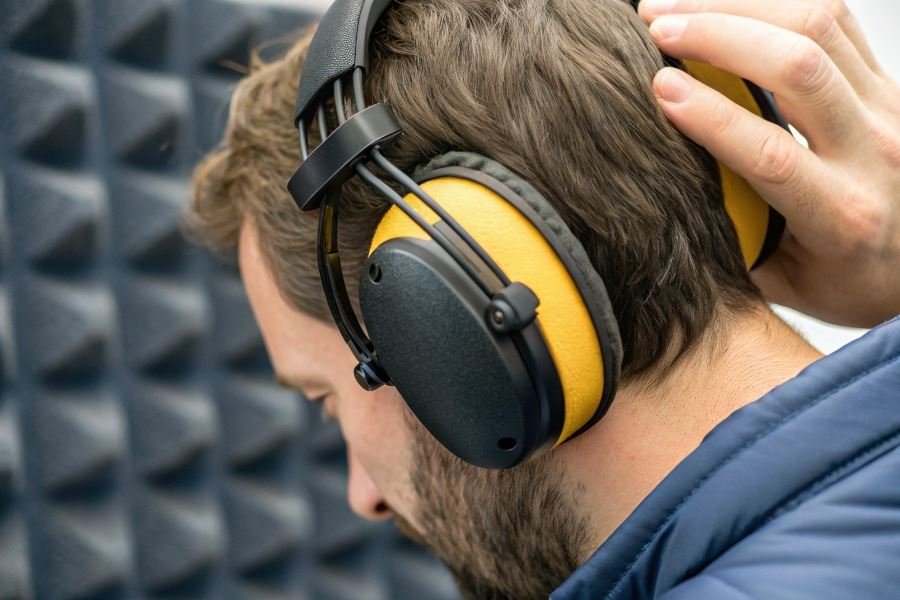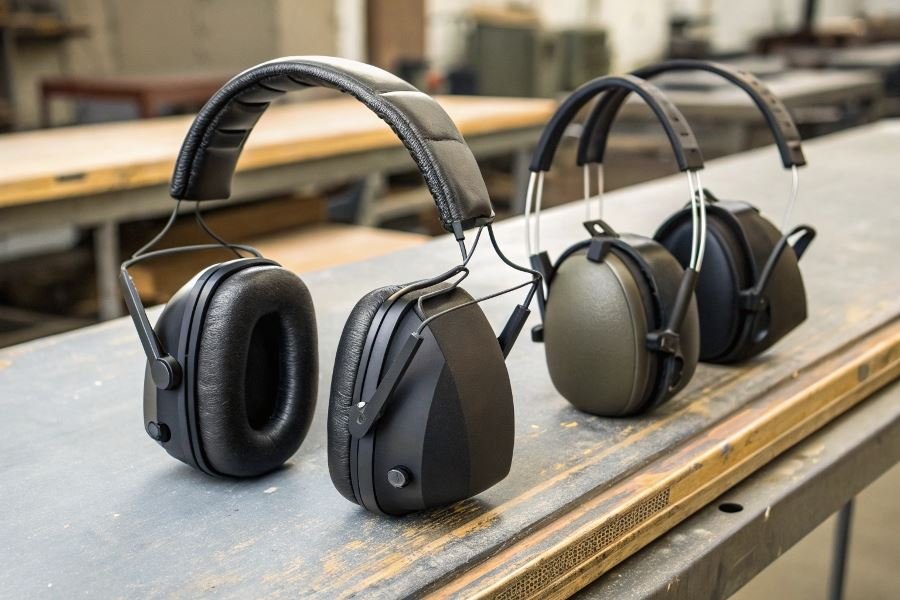
At 85 decibels—roughly the sound of city traffic—permanent hearing damage begins after just 8 hours of exposure. Yet millions of workers face noise levels far exceeding this threshold daily. The difference between adequate protection and potential disability often comes down to one critical decision: which manufacturer’s equipment you trust.
The ear protection landscape has transformed dramatically since the first commercial earplugs were developed for swimmers in 1914. Today’s market features sophisticated electronic systems that selectively filter harmful sounds while allowing communication, alongside traditional passive options that remain workhorses in many industries. This evolution reflects our deepening understanding of noise-induced hearing loss—a permanent condition affecting approximately 22 million American workers annually.
When evaluating protection manufacturers, three factors stand paramount: noise reduction rating (NRR), comfort for extended wear, and compatibility with other safety equipment. The highest-rated products offer NRR values up to 33 decibels, though real-world protection typically measures 7-10 decibels lower than laboratory ratings.
“The best hearing protection is the one workers will actually wear consistently.” — National Institute for Occupational Safety and Health
The current market divides primarily between specialized innovators creating custom-molded solutions and established safety conglomerates offering comprehensive protection lines. While the former excel in niche applications like musicians’ monitors and shooting sports, the latter dominate in construction, manufacturing, and heavy industry where standardization and reliability outweigh customization.
The true measure of quality isn’t just in decibel reduction—it’s in the manufacturer’s commitment to ongoing research, field testing, and adaptation to evolving workplace environments.
Leaders in Hearing Safety: Top Manufacturers Revealed
When workplace safety meets cutting-edge technology, ear protection becomes more than just foam plugs. The most popular manufacturers of ear protection equipment have transformed simple noise blockers into sophisticated hearing preservation systems that balance comfort, protection, and communication capabilities.
3M: Innovation That Speaks Volumes
3M has established itself as the undisputed heavyweight in hearing protection solutions, commanding approximately 35% of the global market share. Their dominance stems from relentless innovation and comprehensive product lines that address virtually every hearing protection scenario.
The 3M Peltor series exemplifies their approach to advanced protection. Their WorkTunes Connect hearing protectors combine robust noise reduction (25dB NRR) with Bluetooth connectivity, allowing workers to protect their hearing while maintaining productivity through communication capabilities.
What truly distinguishes 3M is their investment in fit-testing technology. Their E-A-Rfit Validation System provides quantifiable data on earplug effectiveness for individual users, ensuring optimal protection rather than one-size-fits-all solutions.
| 3M Product Line | NRR Rating | Key Features |
|---|---|---|
| Peltor X Series | 22-31dB | Lightweight, color-coded by protection level |
| E-A-R Classic | 29dB | Foam expansion technology, moisture resistant |
| PELTOR WorkTunes | 24-25dB | Bluetooth connectivity, integrated microphone |
Honeywell: Where Technology Meets Tradition
Honeywell has leveraged its industrial safety expertise to create ear protection that incorporates advanced technological features while maintaining exceptional reliability. Their Howard Leight brand represents approximately 25% of the market share.
Honeywell’s VeriPRO fit-testing system rivals 3M’s offering, while their Sync Wireless earmuffs provide industry-leading sound quality for communication in high-noise environments. Their proprietary Airflow Control technology delivers optimal attenuation across frequencies without increasing earmuff size.
What sets Honeywell apart is their focus on integration with other safety equipment. Their ear protection solutions are designed to work seamlessly with hard hats, face shields, and respiratory protection—a crucial consideration for workers who need comprehensive PPE solutions.
| Honeywell Product | NRR Rating | Standout Feature |
|---|---|---|
| Howard Leight Impact Sport | 22dB | Directional microphones, 4-hour auto shutoff |
| Sync Wireless | 25dB | Hi-Fi stereo sound, 16+ hour battery life |
| Laser Lite | 32dB | Contoured T-shape for easy insertion and removal |
Moldex: The Comfort Revolution
While commanding a smaller market share (approximately 15%), Moldex has carved out a distinctive niche by prioritizing comfort without compromising protection. Their products feature ergonomic designs that address the primary reason workers remove hearing protection: discomfort during extended wear.
Moldex’s Pura-Fit earplugs utilize their proprietary SoftFoam material that exerts 30% less pressure on the ear canal while maintaining a 33dB noise reduction rating—the highest in the industry. Their BattlePlugs offer variable attenuation, allowing users to adjust protection levels based on environmental conditions.
The company’s commitment to sustainability also deserves mention. Their Sparkplugs and Meteors lines use PVC-free materials and come in biodegradable packaging, addressing growing environmental concerns without sacrificing performance.
| Moldex Product | NRR Rating | Comfort Innovation |
|---|---|---|
| Pura-Fit | 33dB | SoftFoam technology, tapered design |
| BattlePlugs | 23dB (open) / 30dB (closed) | Adjustable attenuation levels |
| SparkPlugs | 33dB | Extra-soft, extra-light foam |
These three manufacturers have established themselves as the gold standard in hearing protection through continuous innovation, rigorous testing, and responsive design that addresses real-world usage challenges.
Making the Right Choice in Hearing Protection
The definitive manufacturer showdown
When comparing the top players in hearing protection, clear patterns emerge. 3M dominates with their extensive Peltor line, offering noise reduction ratings (NRR) up to 30dB while maintaining communication capabilities. Their integration of Bluetooth technology in premium models has set industry standards since their groundbreaking WorkTunes series launched in 2012.
Meanwhile, Honeywell excels in comfort-focused designs, with their Howard Leight line featuring softer materials and lighter weight construction. Their Impact Sport electronic earmuffs have captured significant market share among shooting enthusiasts and industrial workers alike, offering 22dB NRR with amplification of ambient sounds.
Moldex and Etymotic Research have carved specialized niches—Moldex with their distinctive bright colors and exceptional durability in harsh environments, while Etymotic focuses on high-fidelity hearing protection that preserves sound quality for musicians and audio professionals.
| Manufacturer | Best For | NRR Range | Price Range | Standout Feature |
|---|---|---|---|---|
| 3M/Peltor | Industrial & Military | 22-33dB | 15−350 | Communication integration |
| Honeywell | Comfort & Versatility | 22-30dB | 12−200 | Lightweight designs |
| Moldex | Durability | 25-33dB | 8−45 | High visibility colors |
| Etymotic | Musicians | 12-25dB | 15−300 | Sound fidelity |
Industry-tailored protection solutions
Different work environments demand specialized hearing protection approaches. For construction sites, where intermittent loud noises are common, DeWalt and 3M offer earmuffs with digital noise suppression that blocks harmful sounds while allowing voice communication.
Manufacturing facilities benefit from Honeywell’s integrated solutions that combine hearing protection with communication systems, essential for coordination in noisy environments. Their SmartListen technology automatically adjusts attenuation based on ambient noise levels.
Healthcare professionals require specialized solutions like Moldex’s antimicrobial earplugs, which reduce infection risks while providing necessary protection in MRI suites and other loud medical environments.
For the energy sector, particularly oil and gas, intrinsically safe electronic hearing protection from 3M and MSA Safety provides critical communication capabilities without creating spark risks in potentially explosive atmospheres.
The future of hearing protection
The hearing protection landscape is evolving rapidly with several emerging technologies:
-
AI-powered adaptive protection is revolutionizing the field with systems that automatically adjust attenuation levels based on environmental analysis and user preferences.
-
Biometric integration is becoming standard in premium models, with manufacturers incorporating heart rate monitoring and stress detection to provide comprehensive worker safety data.
-
Custom-fit solutions using 3D scanning technology are replacing one-size-fits-all approaches, with companies like Westone offering personalized protection created from digital ear scans.
The most significant advancement may be the integration of hearing protection with broader safety ecosystems. Connected PPE platforms now allow safety managers to monitor noise exposure across entire workforces in real-time, with Honeywell’s Safety Suite leading this transformation.
As materials science advances, we’re seeing the development of thinner, lighter materials that provide superior protection without the bulk of traditional options. These next-generation composites promise to make all-day wear significantly more comfortable while maintaining or improving protection levels.
The future belongs to manufacturers who can balance protection, comfort, and connectivity while addressing industry-specific challenges with tailored solutions.
Discover the top 3 ear protection manufacturers for workplace safety: 3M, Honeywell, and Moldex. Compare innovative features, comfort technologies, and industry-specific solutions to protect your hearing in high-noise environments.
Discover the top 3 ear protection manufacturers for workplace safety: 3M, Honeywell, and Moldex. Compare innovative features, comfort technologies, and industry-specific solutions to protect your hearing in high-noise environments.