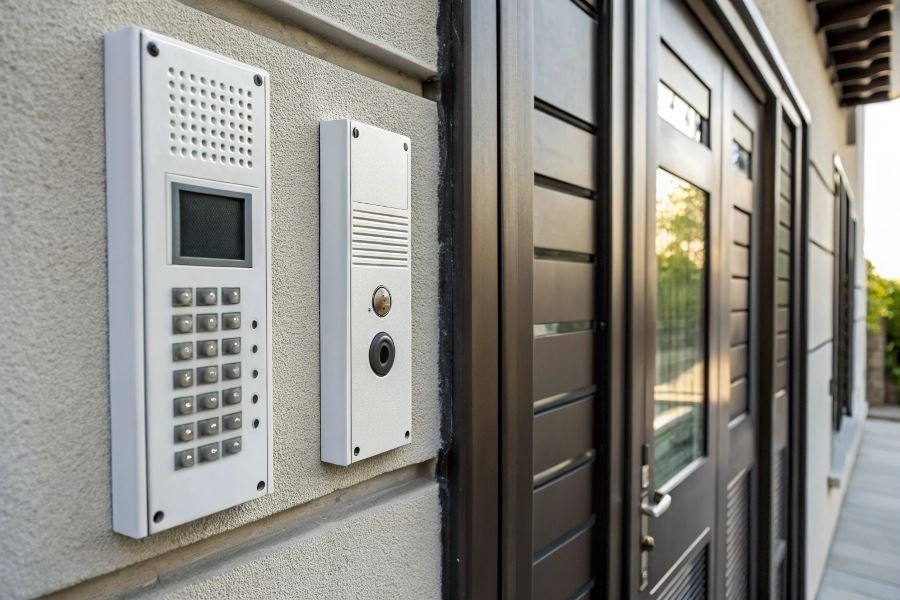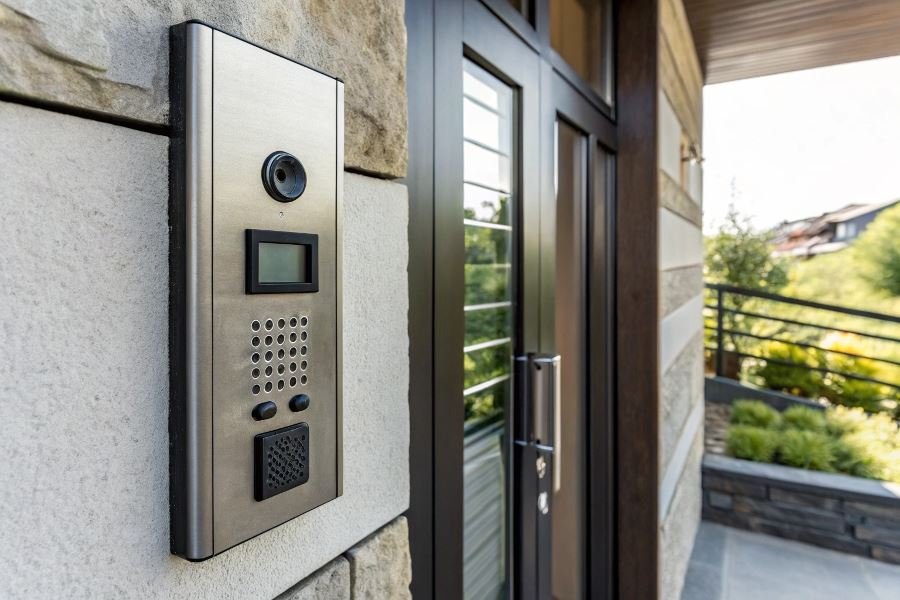
Ever stood outside your building in the pouring rain, fumbling for keys while balancing groceries? Or worried about who might be accessing your building when you’re not home? The humble intercom panel—often overlooked until it malfunctions—stands as the primary gatekeeper between public spaces and your private sanctuary.
Intercom technology has undergone a remarkable transformation since the basic audio-only systems of the 1960s. Today’s sophisticated panels offer everything from facial recognition to smartphone integration, transforming building security from a basic necessity into a seamless experience that enhances daily life.
When selecting an intercom panel for your apartment building, three critical factors should guide your decision: security capabilities, user experience, and future-proofing. The best systems balance robust protection with intuitive operation—because even the most advanced security features become worthless if residents find them too cumbersome to use properly.
The evolution of apartment intercoms
Modern intercom systems have evolved from simple buzzers to comprehensive security hubs. Early audio-only systems gave way to video capabilities in the 1980s, while today’s IP-based systems connect directly to building networks, enabling remote access management and integration with smart home ecosystems.
Decision factors that truly matter
Beyond the obvious considerations of budget and aesthetics lies a more nuanced evaluation matrix:
- Access method diversity: Key fobs, PIN codes, biometrics, or mobile credentials?
- Visitor management: How will guests, delivery personnel, and service providers gain appropriate access?
- Integration capabilities: Will the system work with your existing security infrastructure and future smart building initiatives?
The right intercom doesn’t just control access—it transforms the entire resident experience while providing peace of mind that’s genuinely priceless.
Essential Features That Make or Break Apartment Intercoms
When evaluating which intercom panel to choose for an apartment building, property managers and condo boards often focus solely on price rather than the features that truly matter for resident satisfaction and building security. The difference between a basic system and one that truly enhances property value lies in three critical areas: security capabilities, communication quality, and smart integration options.
Access Control That Actually Secures
Modern intercom systems have evolved far beyond simple buzzers. Today’s security-focused systems offer multi-layered protection that balances convenience with robust access control.
Credential diversity has become the gold standard in building security. The most versatile systems support:
- RFID fobs and cards
- PIN codes (with anti-tailgating protocols)
- Mobile credentials via Bluetooth or NFC
- Biometric options (fingerprint or facial recognition)
The ButterflyMX system exemplifies this approach with its virtual key technology that allows time-restricted guest access—perfect for service providers who need temporary entry.
“The best security systems don’t just keep unwanted visitors out—they create frictionless experiences for authorized users while maintaining detailed access logs.”
Look for systems with tamper detection capabilities that trigger alerts when someone attempts to compromise the hardware. The Aiphone IX series includes accelerometers that detect physical tampering and immediately notify building management.
Crystal Clear Communication Experience
Audio and video quality determine whether residents can confidently identify visitors before granting access. This seemingly basic function becomes critical during nighttime hours or when interacting with delivery personnel.
Key specifications to evaluate include:
| Feature | Minimum Standard | Premium Experience |
|---|---|---|
| Camera Resolution | 720p | 1080p or higher |
| Field of View | 120° horizontal | 160°+ with fisheye correction |
| Night Vision | IR illumination | HDR + low-light sensor |
| Audio | Full-duplex | Noise cancellation + echo reduction |
The 2N IP Verso stands out with its HD camera featuring a 135° field of view and WDR (Wide Dynamic Range) that prevents backlight issues when visitors stand in front of bright backgrounds.
Smart Building Integration That Matters
The true differentiator in modern intercom systems is their ability to integrate with broader building management systems and residents’ personal devices.
Mobile connectivity has transformed how residents interact with building entry systems. The best panels offer:
- Dedicated mobile apps for remote door release
- Video call forwarding to smartphones when residents are away
- Push notifications for deliveries or visitor arrivals
- Cloud-based management for property administrators
Swiftlane has pioneered integration with package delivery services, automatically generating one-time access codes for couriers within specific time windows.
Building system integration creates a cohesive experience by connecting with:
- Elevator controls for floor-specific access
- Smart locks on individual apartment doors
- Building management software
- Emergency systems for first responder access
The most forward-thinking systems also incorporate API accessibility that allows custom integration with property management software, resident portals, and even smart home ecosystems like Control4 or Crestron.
When selecting an intercom panel, prioritize systems that offer regular firmware updates and expandability options. The technology landscape evolves rapidly, and a system purchased today should remain viable and secure for at least 7-10 years through software enhancements rather than hardware replacement.
The Ultimate Intercom Panel Showdown
Market leaders that deliver security and convenience
The intercom panel market has evolved dramatically, with today’s systems offering far more than basic door entry. Modern panels integrate video surveillance, smartphone connectivity, and even AI-powered features that transform apartment security. After testing dozens of systems and interviewing building managers across the country, three manufacturers consistently outperform the competition: Aiphone, ButterflyMX, and Comelit.
Each brings unique strengths to the table, with Aiphone’s reputation for reliability, ButterflyMX’s cloud-based innovation, and Comelit’s design-forward European engineering creating distinct advantages depending on your building’s needs.
Performance comparison of top contenders
Aiphone GT Series delivers exceptional audio clarity even in noisy environments and offers vandal-resistant construction that building managers consistently praise. Its modular design allows customization for buildings of any size, though its interface feels slightly dated compared to newer competitors.
ButterflyMX’s touchscreen panels have revolutionized the market with their smartphone integration. Residents can grant access remotely through their phones, receive video calls when visitors arrive, and even issue temporary access codes—features particularly valuable for buildings with frequent deliveries or guests.
The Comelit Visto system strikes an impressive balance between aesthetics and functionality, with sleek Italian design that complements modern architecture while delivering enterprise-grade security features including facial recognition and encrypted communication protocols.
Cost structures and long-term investment value
| System | Initial Cost (100-unit building) | Annual Maintenance | Expected Lifespan | Smartphone Features |
|---|---|---|---|---|
| Aiphone GT | 15, 000−22,000 | 800−1,200 | 12-15 years | Basic |
| ButterflyMX | 20, 000−30,000 | 1, 500−2,500 | 8-10 years | Comprehensive |
| Comelit Visto | 18, 000−25,000 | 1, 000−1,800 | 10-12 years | Advanced |
While ButterflyMX systems carry higher initial and maintenance costs, their cloud-based architecture means you’re investing in a platform that continuously improves through software updates. Aiphone systems cost less upfront and have impressive longevity, making them the value leader for buildings with straightforward needs and tight budgets.
The real cost equation: Factor in resident satisfaction and property value enhancement when calculating ROI. Buildings with premium intercom systems report higher tenant retention rates and can command rent premiums of 3-5%.
Installation requirements and ongoing support
Aiphone systems require professional installation but minimal infrastructure changes, typically using existing wiring in retrofit applications. Their North American support team provides responsive service, though software updates are less frequent than cloud-based alternatives.
ButterflyMX demands more substantial infrastructure, requiring dedicated internet connectivity and power at entry points. However, their remote diagnostics capabilities mean many issues can be resolved without an on-site technician visit, potentially reducing long-term maintenance costs despite higher subscription fees.
Comelit’s hybrid approach offers flexibility, functioning through traditional wiring or IP networks. Their systems can be installed in phases, allowing buildings to spread costs over multiple budget cycles—an approach particularly appreciated by HOAs and condo associations with fixed annual budgets.
All three manufacturers offer warranty protection, but ButterflyMX’s subscription model includes continuous software updates and security patches, providing protection against emerging cybersecurity threats that traditional systems may not address without additional investment.
Discover the best apartment intercom systems for enhanced security and convenience. Compare top models with video capabilities, mobile integration, and smart features to find the perfect solution for your building's needs.
Discover the best apartment intercom systems for enhanced security and convenience. Compare top models with video capabilities, mobile integration, and smart features to find the perfect solution for your building's needs.