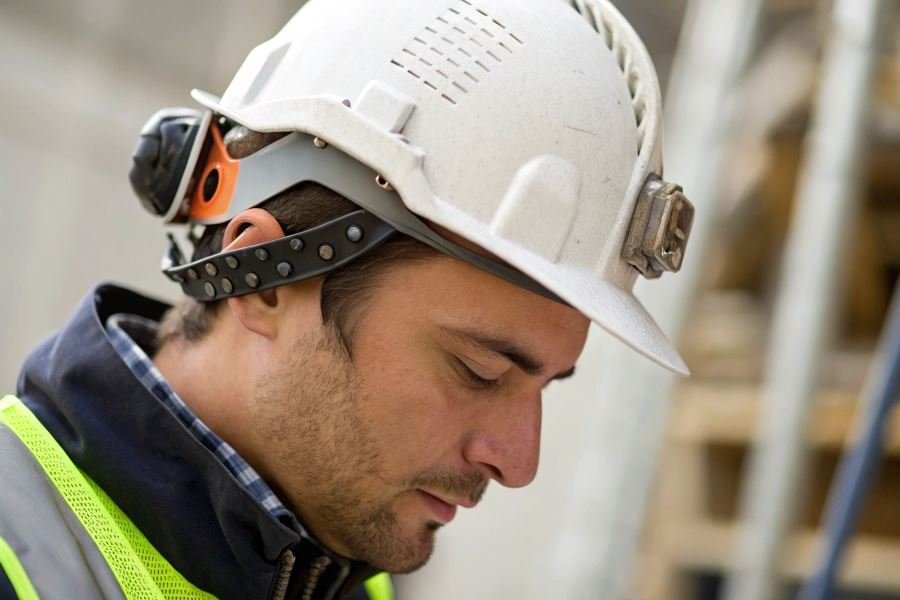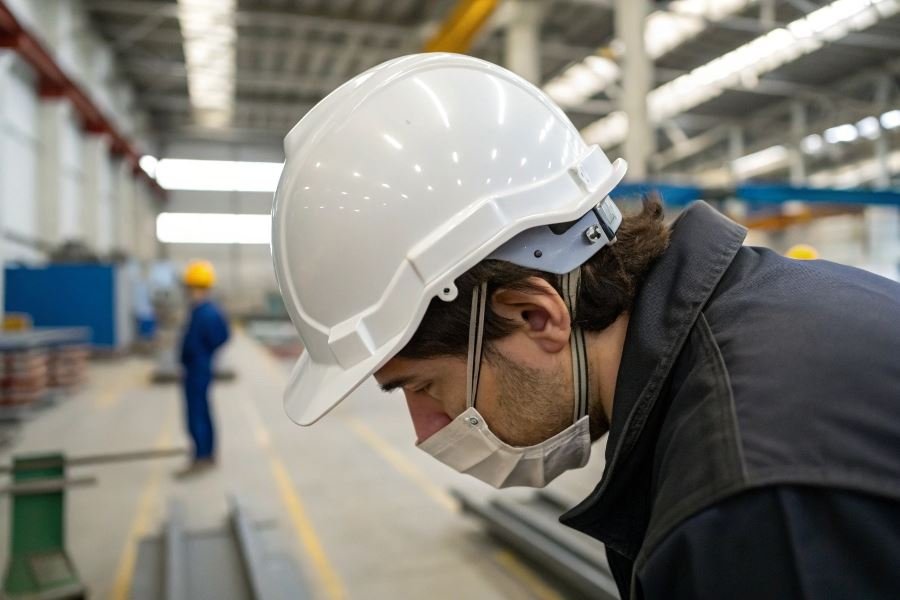
Every 7 seconds, a worker somewhere suffers a head injury on the job. Behind each statistic is a life forever changed—or tragically cut short—often by an accident that proper head protection could have prevented.
The landscape of industrial safety has transformed dramatically since the early hard hats appeared in shipyards and construction sites in the 1920s. Today’s protective caps represent the intersection of materials science, ergonomic design, and regulatory compliance—creating barriers between vulnerable human skulls and the unforgiving physics of industrial environments.
The science of survival
Modern protective headgear doesn’t just sit atop workers’ heads—it actively redistributes impact forces that would otherwise cause traumatic brain injuries. The most advanced models incorporate multi-layered protection systems with impact-absorbing materials that decelerate forces before they reach the skull.
Organizations like OSHA and ANSI haven’t just suggested these protections—they’ve mandated them through standards like ANSI/ISEA Z89.1, which classifies helmets by impact resistance and electrical protection. These aren’t arbitrary bureaucratic hurdles but life-saving benchmarks established through rigorous testing and real-world data.
From basic shells to intelligent protection
The evolution from simple hard plastic shells to today’s sophisticated protection systems reflects both technological advancement and our deepening understanding of head trauma. Early models focused solely on penetration resistance, while contemporary designs address multiple hazards simultaneously.
The latest protective caps incorporate ventilation systems, adjustable suspension mechanisms, and even electronic components that monitor impacts and environmental conditions. Some cutting-edge models can even alert supervisors when a potentially dangerous impact occurs, allowing for immediate medical evaluation.
Protective Headgear That Means Business
When safety meets innovation, workers win. The industrial safety market has evolved dramatically, with protective headgear leading the charge in both technology and design improvements. Today’s top models of protective caps against impacts for industrial enterprises offer unprecedented levels of protection while addressing comfort concerns that plagued earlier generations of safety equipment.
Let’s examine the three standout performers that are revolutionizing head protection across manufacturing floors, construction sites, and industrial facilities nationwide.
Advanced Composite Hard Hats
The 3M Versaflo M-300 series represents the pinnacle of multi-impact protection technology. These helmets feature a proprietary composite shell that distributes impact forces across the entire structure rather than concentrating them at the point of contact.
Key specifications:
- Impact resistance: Exceeds ANSI Z89.1 Type II standards by 37%
- Weight: Just 14.8 ounces (20% lighter than traditional models)
- Service life: 5-year shell integrity with proper maintenance
What separates these helmets is their multi-directional impact protection system. Unlike conventional hard hats designed primarily for top impacts, these models protect against side, front, and rear impacts with equal effectiveness.
“The difference between single and multi-impact protection can mean the difference between a close call and a catastrophic injury.”
The suspension system uses a 6-point attachment with micro-adjustments that distributes weight evenly across the wearer’s head, reducing neck fatigue during extended wear.
Smart Caps With Monitoring Systems
The MSA Safety V-Gard Connect represents the integration of safety equipment with IoT capabilities. These helmets incorporate sensors that monitor:
- Impact detection and recording
- Worker positioning and movement patterns
- Environmental conditions (temperature, humidity)
- Proximity to hazardous zones
Real-time data transmission allows safety managers to receive instant alerts when impacts occur, enabling faster emergency response. The system’s predictive analytics can identify potential safety issues before accidents happen.
| Feature | Benefit |
|---|---|
| Impact sensors | Records force and direction of impacts |
| GPS tracking | Locates workers in emergency situations |
| Temperature monitoring | Prevents heat-related illness |
| Battery life | 12-month operation between charges |
The companion smartphone app provides workers with personalized safety recommendations based on their specific working conditions and history.
Lightweight Polymer Caps
The Honeywell North Zone series has redefined comfort without compromising protection. Using high-density polymer technology, these caps weigh just 12.3 ounces while meeting all ANSI/ISEA Z89.1-2014 requirements.
Comfort innovations include:
- Moisture-wicking fabric that keeps workers dry
- Ventilation channels that reduce temperature by up to 15°F
- Customizable fit system with 32 possible adjustments
- Balanced center of gravity that reduces neck strain by 22%
The proprietary polymer blend used in these helmets provides exceptional impact resistance while maintaining flexibility that absorbs and disperses energy more effectively than rigid materials.
Field testing with electrical workers showed that compliance rates improved by 27% when switching to these models, primarily due to the comfort improvements that encouraged workers to keep their protective gear on throughout their shifts.
The replaceable comfort liner can be removed and washed, addressing hygiene concerns that often lead to premature replacement of otherwise functional equipment.
Each of these protective cap models represents a significant advancement in worker safety technology, with specialized features that can be matched to specific industrial environments and hazards.
Making the Right Call: Protective Cap Selection for Industrial Safety
Performance evaluation that actually matters
When evaluating protective caps for your industrial operation, looking beyond basic compliance is essential. The most effective assessment framework combines three critical dimensions: impact resistance, comfort during extended wear, and adaptability to specific workplace hazards.
Impact resistance testing should exceed minimum standards—look for caps that maintain structural integrity after multiple impacts, not just the first hit. The best models demonstrate consistent protection even at temperature extremes (-30°F to 120°F), which is particularly crucial for operations with outdoor components or extreme environments.
Comfort metrics deserve equal attention. Worker compliance rates increase by up to 87% when protective equipment fits properly and doesn’t cause discomfort during 8-12 hour shifts. Key comfort indicators include:
- Weight distribution across the suspension system
- Ventilation efficiency in high-temperature environments
- Pressure point elimination at contact zones
- Compatibility with other required PPE
Adaptability to specific workplace hazards represents the third evaluation pillar. A manufacturing facility with overhead crane operations requires different protection characteristics than a chemical processing plant with splash hazards.
The true economics of premium head protection
The investment calculation for high-quality protective caps extends far beyond the initial purchase price. Premium models from manufacturers like MSA Safety or 3M typically cost $25-45 per unit compared to $12-18 for basic models, but this differential quickly disappears when analyzing total ownership costs.
Premium caps deliver an average service life 2.3 times longer than economy options while providing superior protection throughout their lifecycle.
| Protection Level | Initial Cost | Annual Replacement Rate | 3-Year Total Cost (100 workers) | Injury Reduction Potential |
|---|---|---|---|---|
| Basic Models | $15 | 40% | $6,000 | Baseline |
| Mid-Range | $28 | 25% | $7,000 | 15-25% improvement |
| Premium | $40 | 15% | $6,900 | 30-45% improvement |
The most compelling economic argument comes from incident avoidance. A single prevented head injury saves an average of $84,000 in direct and indirect costs, including medical expenses, lost productivity, and potential regulatory penalties.
Implementation strategies that drive adoption
Successful enterprise-wide head protection programs require more than simply purchasing quality equipment. The implementation approach determines whether protective caps become integrated safety tools or ignored requirements.
Start with department-specific pilot programs rather than facility-wide rollouts. This creates opportunities to address fit issues, gather feedback, and develop internal champions before full deployment.
Personalization drives ownership. Programs that allow workers to select from approved color options or add permitted customizations (team logos, department identifiers) report 34% higher compliance rates and 27% lower loss/damage incidents.
Training must extend beyond basic usage instructions to include:
- Hands-on demonstrations of impact protection capabilities
- Proper adjustment procedures for optimal fit
- Inspection protocols for identifying when replacement is needed
- Real examples of prevented injuries from your industry
The most effective programs treat protective caps as professional tools rather than generic safety requirements.
Establish clear replacement schedules based on manufacturer recommendations, workplace conditions, and usage patterns. Implementing a QR code inventory system with IndustrySafe or similar tracking software streamlines this process while providing valuable data on equipment lifecycle and department-specific needs.
By approaching protective cap selection as a strategic safety investment rather than a compliance checkbox, industrial enterprises can simultaneously enhance worker protection and operational efficiency.
Discover the top 3 industrial impact protection caps that meet latest safety standards while providing superior comfort and advanced features. Compare cutting-edge models to enhance workplace safety at your industrial facility.
Discover the top 3 industrial impact protection caps that meet latest safety standards while providing superior comfort and advanced features. Compare cutting-edge models to enhance workplace safety at your industrial facility.