Ever wondered why people spend thousands of dollars on technology that essentially presses on their muscles? The answer lies in the remarkable intersection of ancient healing wisdom and cutting-edge engineering that massage beds represent.
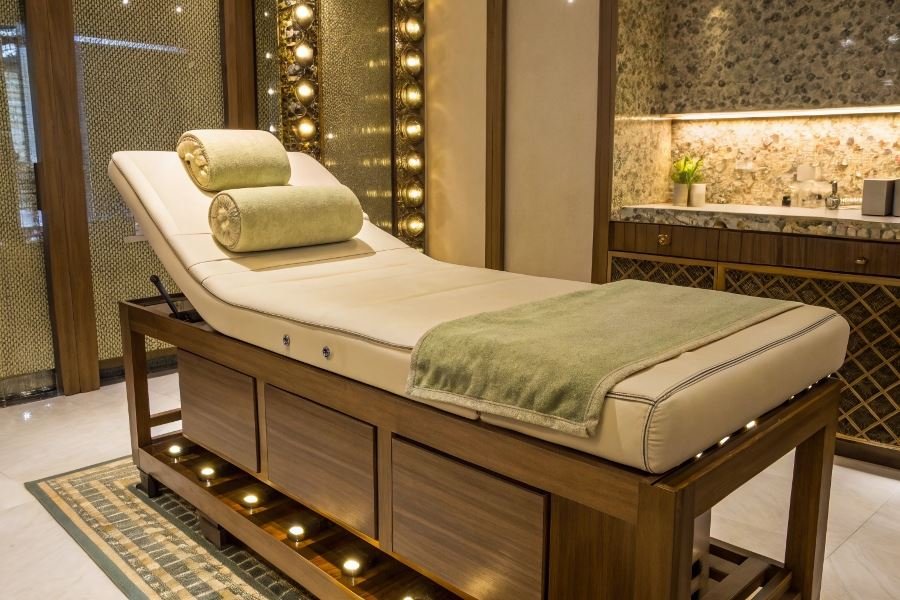
Massage beds are specialized therapeutic platforms designed to deliver automated massage techniques through mechanical components, heat therapy, and customized programs—all without requiring a massage therapist’s hands. Unlike traditional massage tables, these sophisticated systems actively work on your body, targeting specific muscle groups with precision that would make even experienced masseuses envious.
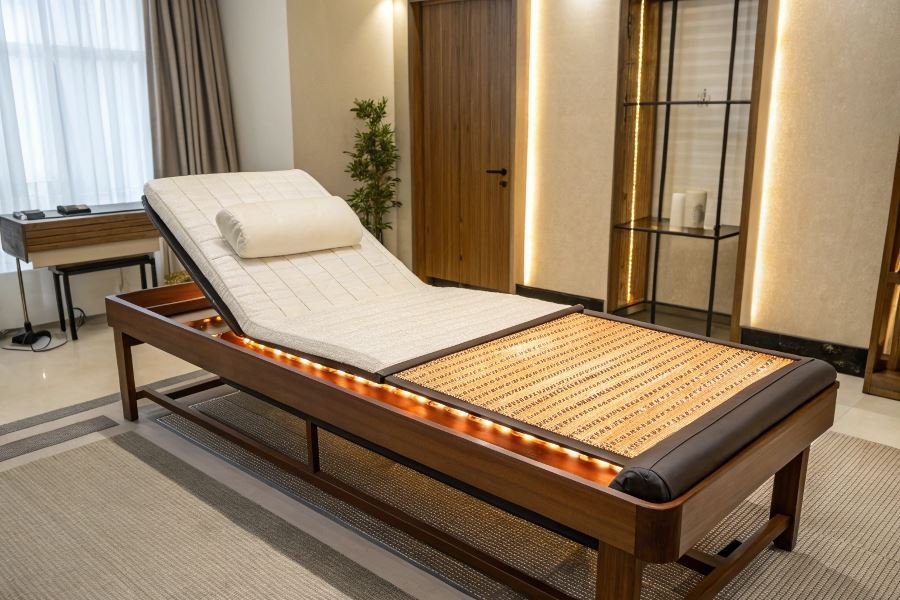
The evolution of these therapeutic marvels has been nothing short of remarkable. What began as simple vibrating platforms in the 1960s has transformed into sophisticated systems incorporating jade heating elements, infrared technology, and AI-driven massage patterns. Modern massage beds can now detect muscle tension patterns and adjust their techniques accordingly—something unimaginable even a decade ago.
The benefits extend far beyond mere relaxation. Regular sessions on quality massage beds have been linked to improved circulation, reduced chronic pain, enhanced sleep quality, and decreased stress hormone levels. For those battling persistent back issues, these beds offer consistent therapy without scheduling appointments or traveling to clinics.
The true power of massage beds lies in their ability to democratize therapeutic massage—making professional-grade bodywork accessible in homes, offices, and wellness centers worldwide.
The Engineering Marvel Behind Modern Massage Beds
When you sink into a high-performance massage bed, you’re experiencing the culmination of decades of biomechanical research and engineering precision. Today’s massage beds represent a fascinating intersection of therapeutic science and technological innovation, delivering experiences that rival professional massage therapists.
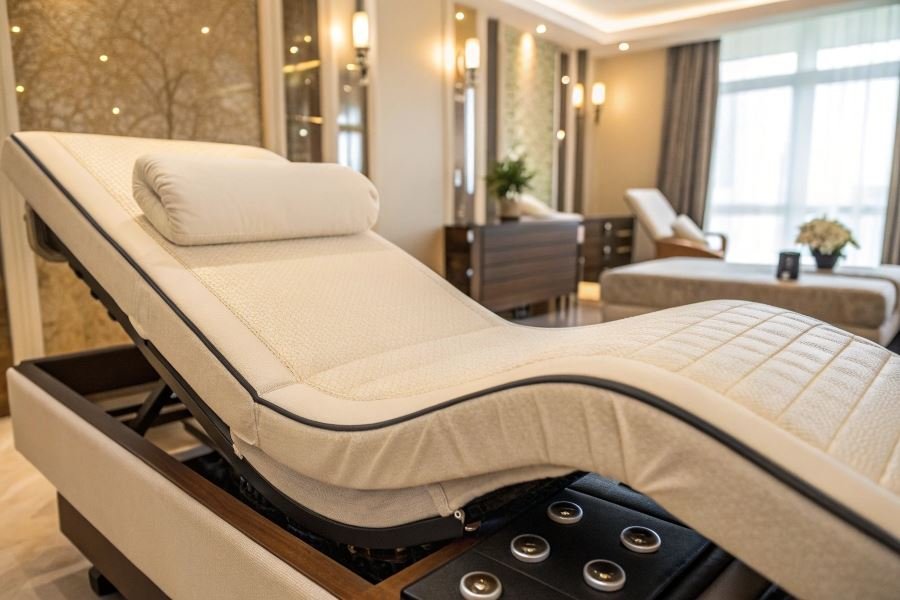
The foundation of any quality massage bed lies in its mechanical architecture. These aren’t simply vibrating platforms; they’re sophisticated systems designed to replicate human touch. Massage beds: main characteristics and functions revolve around three core components that work in harmony to deliver therapeutic benefits: the roller mechanism, nodal systems, and track designs that determine how the massage elements move across your body.
The Mechanical Heart
The roller system serves as the primary massage element, with most premium models featuring 3D or 4D rollers that extend, retract, and rotate with remarkable precision. S-track systems follow the natural curvature of the spine, while advanced L-track designs extend the massage path from neck to glutes—sometimes reaching 50+ inches in length.
Massage nodes complement the rollers, providing focused pressure point therapy. High-end models from manufacturers like Inada or Osaki may incorporate up to 100 individual massage nodes strategically positioned to target acupressure points.
The difference between entry-level and premium beds often comes down to the sophistication of these mechanical elements—particularly in how they’re programmed to work together.
Customization: The Personal Touch
Modern massage beds have transcended the one-size-fits-all approach with remarkable customization capabilities:
| Customization Feature | Typical Range | Benefit |
|---|---|---|
| Intensity Levels | 3-10 settings | Accommodates sensitivity preferences |
| Program Variations | 6-12 programs | Targets specific therapeutic needs |
| Body Scanning | Basic to 3D mapping | Ensures precise targeting |
The most sophisticated models perform body scanning before each session, measuring your exact dimensions to customize roller positions. This technology ensures the massage experience adapts to your unique physiology rather than following predetermined paths.
Beyond Mechanics: The Technology Integration
What truly separates today’s massage beds from their predecessors is the integration of complementary therapies:
Heat therapy has evolved from simple warming elements to targeted infrared technology that penetrates deep into muscle tissue. The therapeutic benefits multiply when heat is synchronized with massage movements, with temperature ranges typically adjustable between 100-115°F.
Air compression systems have become increasingly sophisticated, with premium models featuring up to 30 individual airbags that inflate and deflate in orchestrated sequences. These systems excel at addressing circulation issues and providing gentle compression therapy for joints and extremities.
Perhaps the most transformative advancement is zero gravity positioning—a feature inspired by NASA research that elevates the legs slightly above heart level while supporting the spine in its natural curve. This position reduces pressure on the vertebrae by up to 30% while optimizing blood circulation throughout the body.
The integration of these technologies creates a synergistic effect that amplifies the therapeutic benefits beyond what any single feature could provide alone. When selecting a massage bed, understanding how these elements work together will help you identify the system that best addresses your specific needs.
Making the Right Massage Bed Investment
When searching for the perfect massage bed, the difference between a good purchase and a great one lies in understanding what truly matters. Let’s dive into how to evaluate quality, match functions to your health needs, and make a smart long-term investment.
Quality markers that stand the test of time
The foundation of any worthwhile massage bed begins with its frame construction. Premium models typically feature aircraft-grade aluminum or industrial-strength steel frames that support 400-800 pounds without compromise. The difference becomes apparent after years of daily use—quality frames maintain structural integrity while lesser options develop wobbles or stress fractures.
Upholstery quality serves as another critical indicator. Top-tier massage beds use oil-resistant, medical-grade vinyl or genuine leather with double-stitched seams. These materials resist cracking and tearing even after thousands of sessions. When examining potential options, press firmly on the padding—quality beds offer 2-3 inches of high-density foam that springs back immediately rather than remaining compressed.
Motor longevity often separates professional-grade equipment from consumer models. The best massage beds feature brushless motors with thermal protection systems that prevent overheating during extended operation. These typically carry 5-7 year warranties compared to the 1-2 years offered on standard models.
Matching functions to your body’s needs
The therapeutic value of a massage bed depends entirely on how well its functions address your specific health requirements:
| Health Need | Recommended Functions | Why It Matters |
|---|---|---|
| Chronic back pain | Multi-zone heating + zero gravity positioning | Relaxes muscle groups before manipulation |
| Circulation issues | Air compression + vibration therapy | Stimulates blood flow in extremities |
| Recovery athletes | Deep tissue rollers + targeted pressure points | Accelerates lactic acid removal |
| Stress management | Gentle wave motion + chromotherapy | Activates parasympathetic nervous system |
The most versatile massage beds offer customizable programming that allows therapists to save specific routines for recurring conditions. This feature proves invaluable for treatment consistency, especially in multi-practitioner settings.
Investment analysis beyond the price tag
When evaluating the true cost of ownership, consider these often-overlooked factors:
-
Operational efficiency: Advanced beds with programmable settings reduce session setup time by 5-7 minutes—translating to an additional client capacity of 1-2 per day in busy practices.
-
Maintenance requirements: Premium models typically require professional servicing every 18-24 months versus every 6-12 months for budget options. This difference can save $400-600 annually in maintenance costs.
-
Client retention value: Beds with superior comfort features show measurable improvements in client return rates. Studies indicate that practices using high-end massage beds experience 18-22% higher rebooking rates.
The wisest investment isn’t necessarily the most expensive option, but rather the one that delivers the highest value relative to your specific practice needs and client base.
When calculating return on investment, factor in the bed’s expected operational lifespan. Quality massage beds from manufacturers like Oakworks or Living Earth Crafts typically remain in service for 8-12 years, while budget alternatives often require replacement after 3-5 years.
Remember that financing options can transform an intimidating upfront cost into manageable monthly payments that are offset by increased client satisfaction and retention. Many premium manufacturers offer extended payment plans specifically designed for small business owners and independent practitioners.
Discover the therapeutic benefits of modern massage beds with advanced features like heat therapy, customizable programs, and zero gravity positioning. Learn how to select the perfect model for your wellness needs and health goals.
Discover the therapeutic benefits of modern massage beds with advanced features like heat therapy, customizable programs, and zero gravity positioning. Learn how to select the perfect model for your wellness needs and health goals.